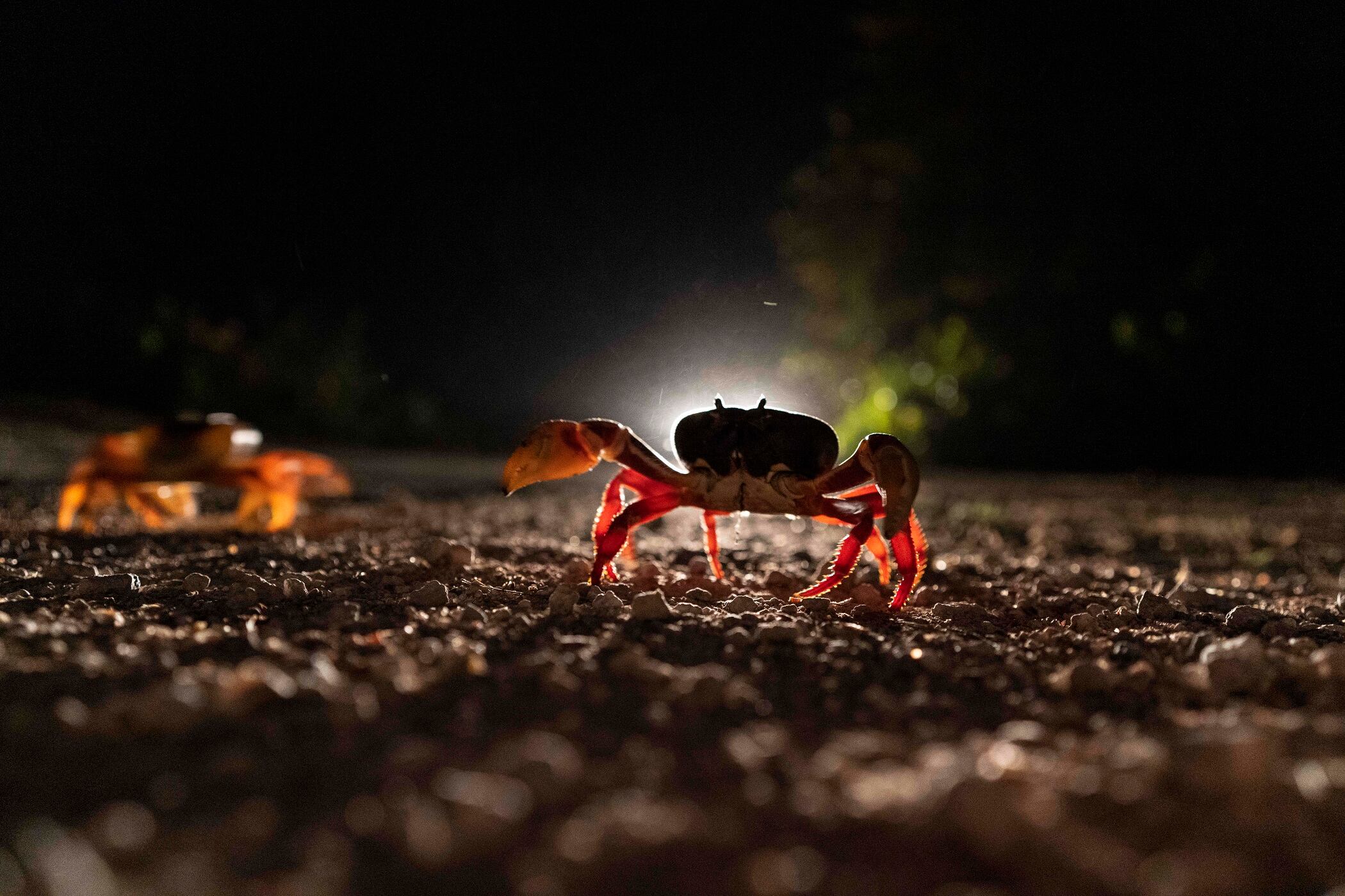
Crabs cross a road in Giron, Cuba, Sunday, April 10, 2022. Millions of crabs emerge at the beginning of the spring rains and start a journey to the waters of the Bay of Pigs to spawn in a yearly migration. (AP Photo/Ramon Espinosa)
Every year in Cuba, millions of crabs emerge from the forest at the beginning of the spring rains and head for the waters of the Bay of Pigs, crossing streets and highways on a perilous journey to mate and reproduce.
Now underway, the migration causes concern to drivers who try to swerve in an often futile attempt not to kill the crustaceans. The crabs are a nuisance to residents but the sight of their road-crossing is a wonder for tourists and other first-time onlookers.
“They got here before us,” said Amaury Urra, a 50-year-old hiking guide who spent his entire life in this part of the Ciénega de Zapata, the largest wetland in the Caribbean, particularly picturesque for the backdrop of turquoise sea waters and the coastal cliffs. ″We’re used to this.″
“Where I live, which is in the center of the town of Girón, the crabs don’t get there as much,″ though there are plenty on the outskirts, he said.
Located about 180 kilometers (110 miles) southeast of Havana, the area was the scene of a 1961 failed invasion by Cuban exiles who signed up for a covertly CIA-funded operation to overthrow Fidel Castro.
This year, the crabs started their journey early. At the end of March, the municipal authorities issued a warning to drivers to avoid traveling in the morning and evening hours - the favorite crossing times for the crabs. Environmentalists usually demand the closure of the main road, especially at key migration times.
The passage of the red crustaceans — the species is called gecarcinus ruricola — could last until July. The largest amount of traffic occurs between April and May. Residents have to be careful: When the crabs feel threatened, they can puncture car tires with their pincers.
Official figures estimate that some 3.5 million crabs die each season on the road, many crushed by passing vehicles. They take a minute and a half to cross.
This type of crab lives and migrates in the Bahamas, Nicaragua, Jamaica and Dominica. But only here, and perhaps in another sector of the coast towards the neighboring province of Cienfuegos, does its path collide so dramatically with human traffic.
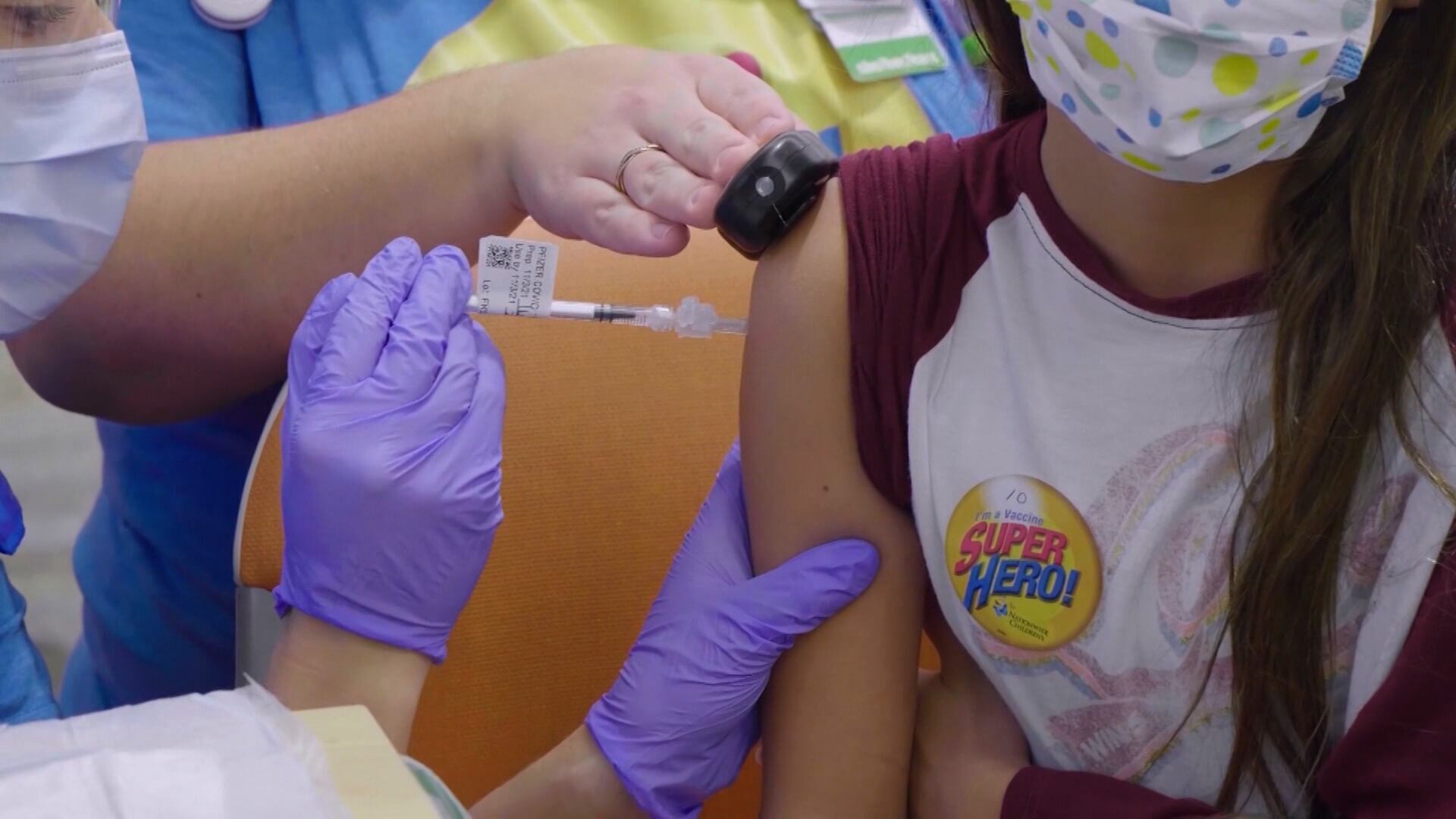
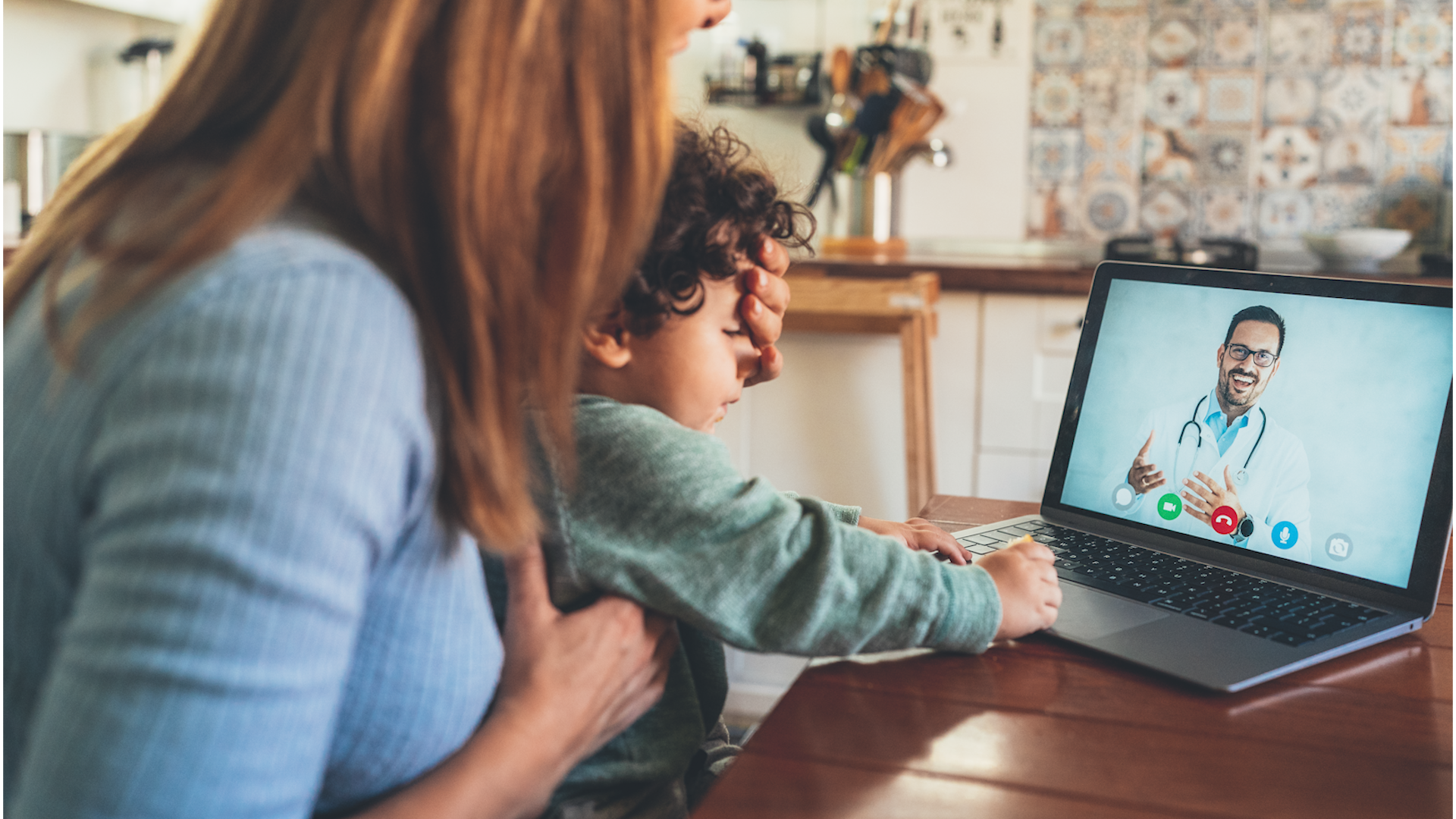
With a rising number of COVID-19 cases due to the omicron variant, the FDA is making big moves. First, Pfizer's COVID-19 booster has been authorized for those ages 12 to 15. The agency also reduced the amount of time to wait between receiving a second vaccine dose and booster from six months to five. Finally, a third primary series dose of Pfizer's shot is approved for immunocompromised children five to 11 years old. Professor Peter Pitts joins Cheddar News to discuss.
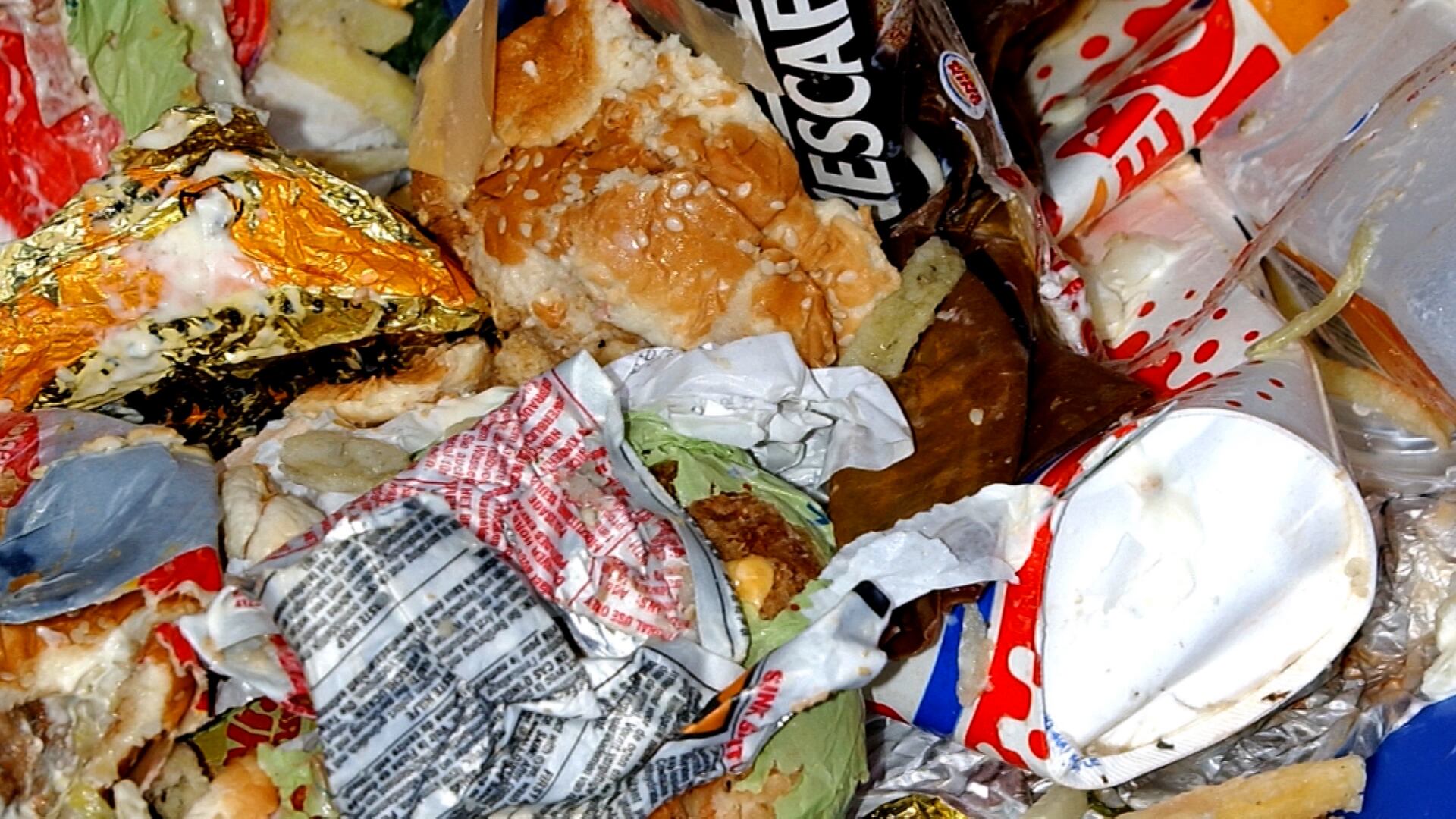
California's new composting law will affect what residents do in their kitchens. As of this week, Californians will have to recycle excess food in an effort to reduce emissions caused by food waste. Cities and counties will turn recycled food into compost or use it as a renewable energy source. California's new law is the largest mandatory residential food waste recycling program in the country. Rachel Wagoner, Director of the California Department of Resources, Recycling and Recovery called the law 'the biggest change to trash' since recycling started in the 1980s. She joined Cheddar Climate to discuss.
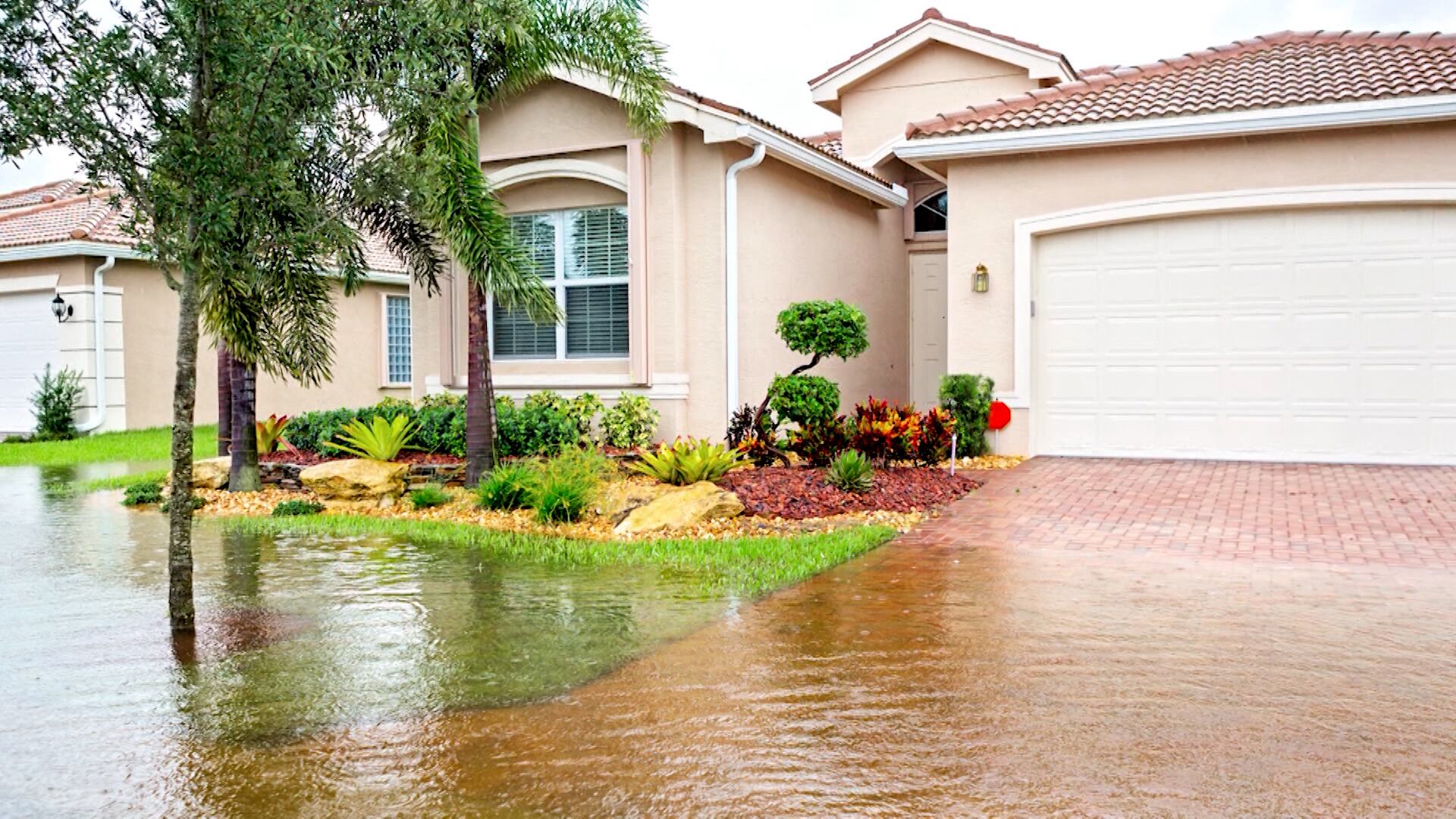
Deborah Brosnan, President of Deborah Brosnan & Associates, joins Cheddar Climate, where she explains why global warming brought about 'a year of reckoning' in 2021 and why previously unprecedented weather events could become the norm going forward.
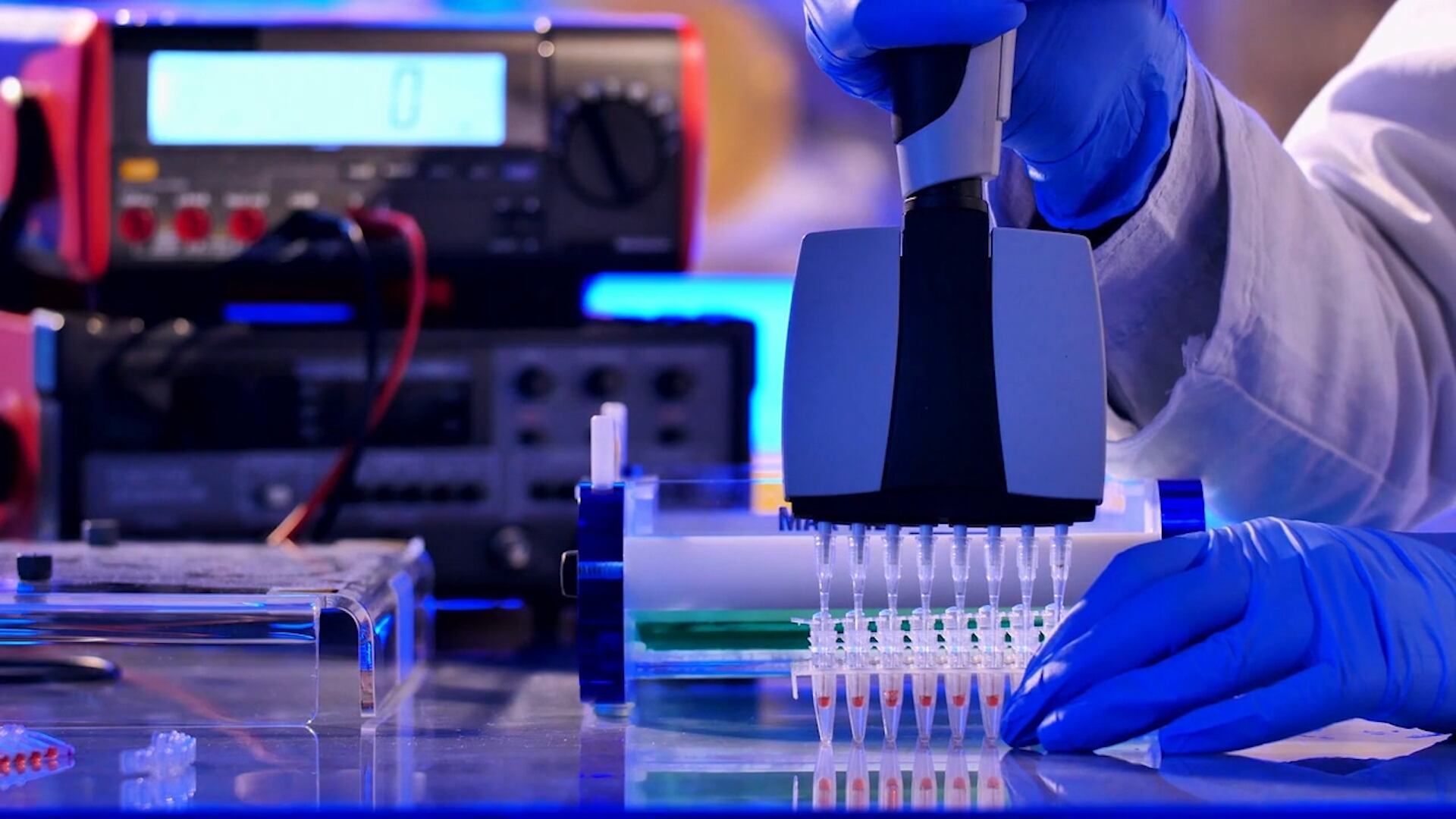
On this episode of Cheddar Reveals, Dr. Anita Gupta, Adjunct assistant professor of anesthesiology and critical care medicine at the Johns Hopkins University School of Medicine, shares her forecast for the healthcare industry in 2022; Waseem Asghar, Ph.D., Associate Professor, Department of Computer & Electrical Engineering and Computer Science, Florida Atlantic University, breaks down the latest progress, trends, and innovations in wearable health tech; Cheddar gets a look at Curiosity Stream's 'Hacking our Biome.'
Dr. Anita Gupta, Adjunct assistant professor of anesthesiology and critical care medicine at the Johns Hopkins University School of Medicine, joins Cheddar Reveals to share her forecast for the healthcare industry in 2022.
Waseem Asghar, Ph.D., Associate Professor, Department of Computer & Electrical Engineering and Computer Science, Florida Atlantic University, joins Cheddar Reveals to break down the latest progress, trends, and innovations in wearable health tech.
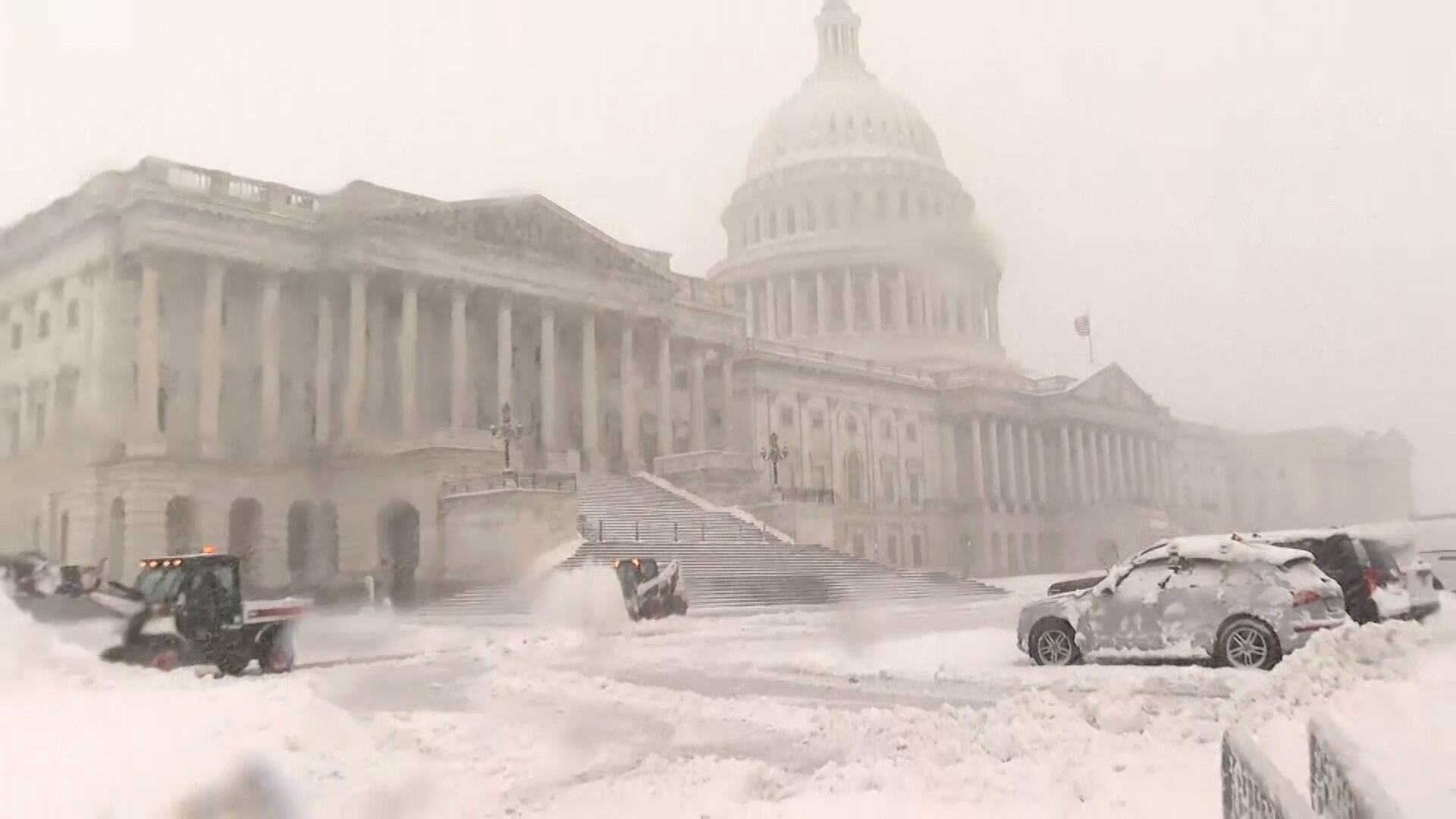
Washington DC and the surrounding areas saw a record breaking snow storm Monday as a strong storm system works its way across the eastern U.S. The extreme weather event caused extensive damage in the greater Washington area, leaving thousands in the region without power. Jonathan Porter, Chief Meteorologist, AccuWeather, joined Wake Up with Cheddar to discuss the fierce storm.
Sweta Chakraborty, U.S. President of We Don't Have Time and climate change expert, joins Cheddar News to discuss how mining the proper resources for the clean energy sector is crucial.
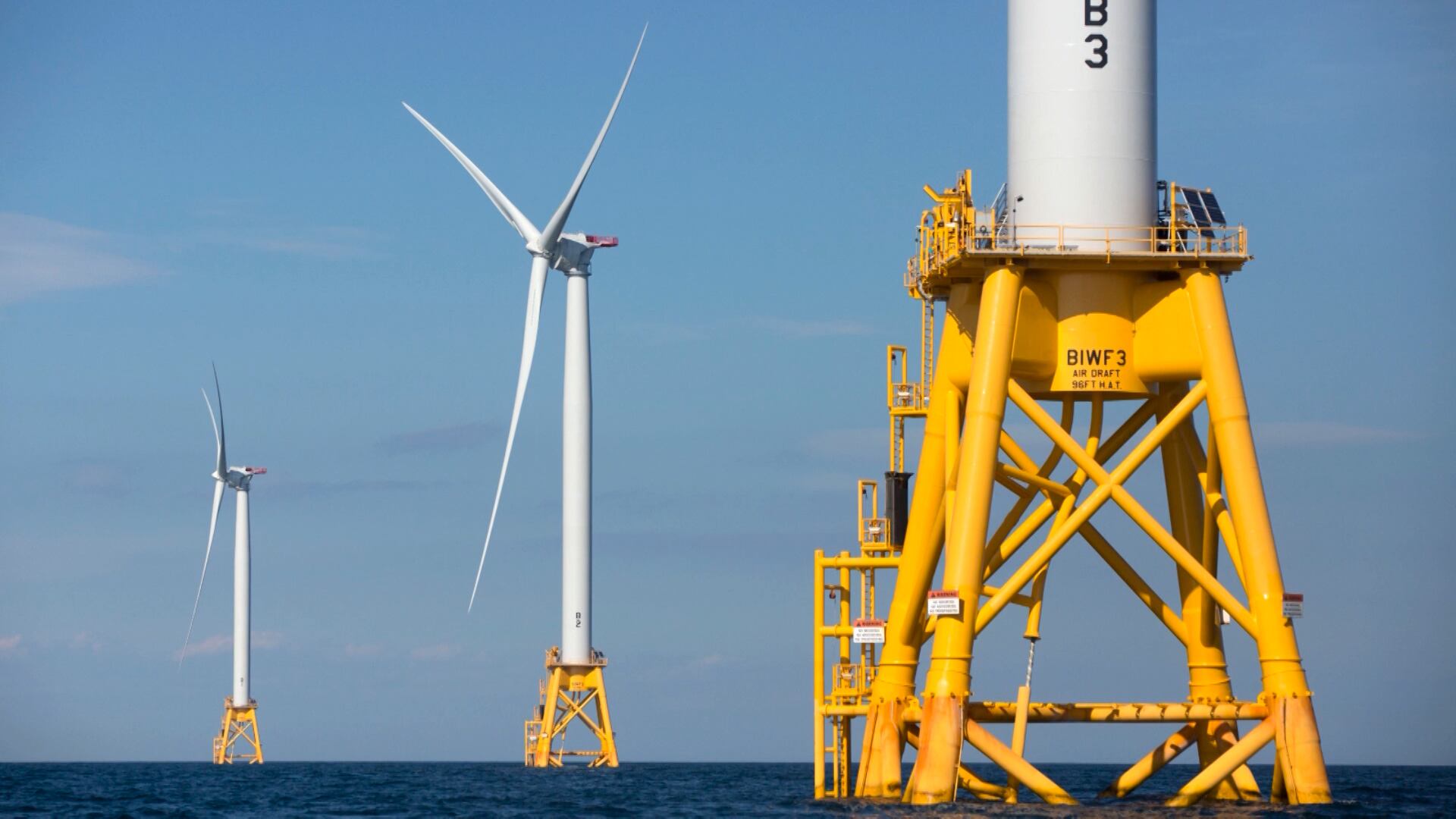
Over the past year alone, we've seen an increasing push-back on fossil fuels, legislation to reduce plastic pollution, greater protection over our worlds' forests, and a growing number of companies working to reduce total carbon footprint. To discuss the sustainability trends that defined 2021 and the changes individuals can make in 2022, J.D. Durkin is joined by Ashlee Piper, a sustainability expert and author of 'Give a Sh*t: Do Good. Live Better. Save the Planet,' joins Cheddar News.