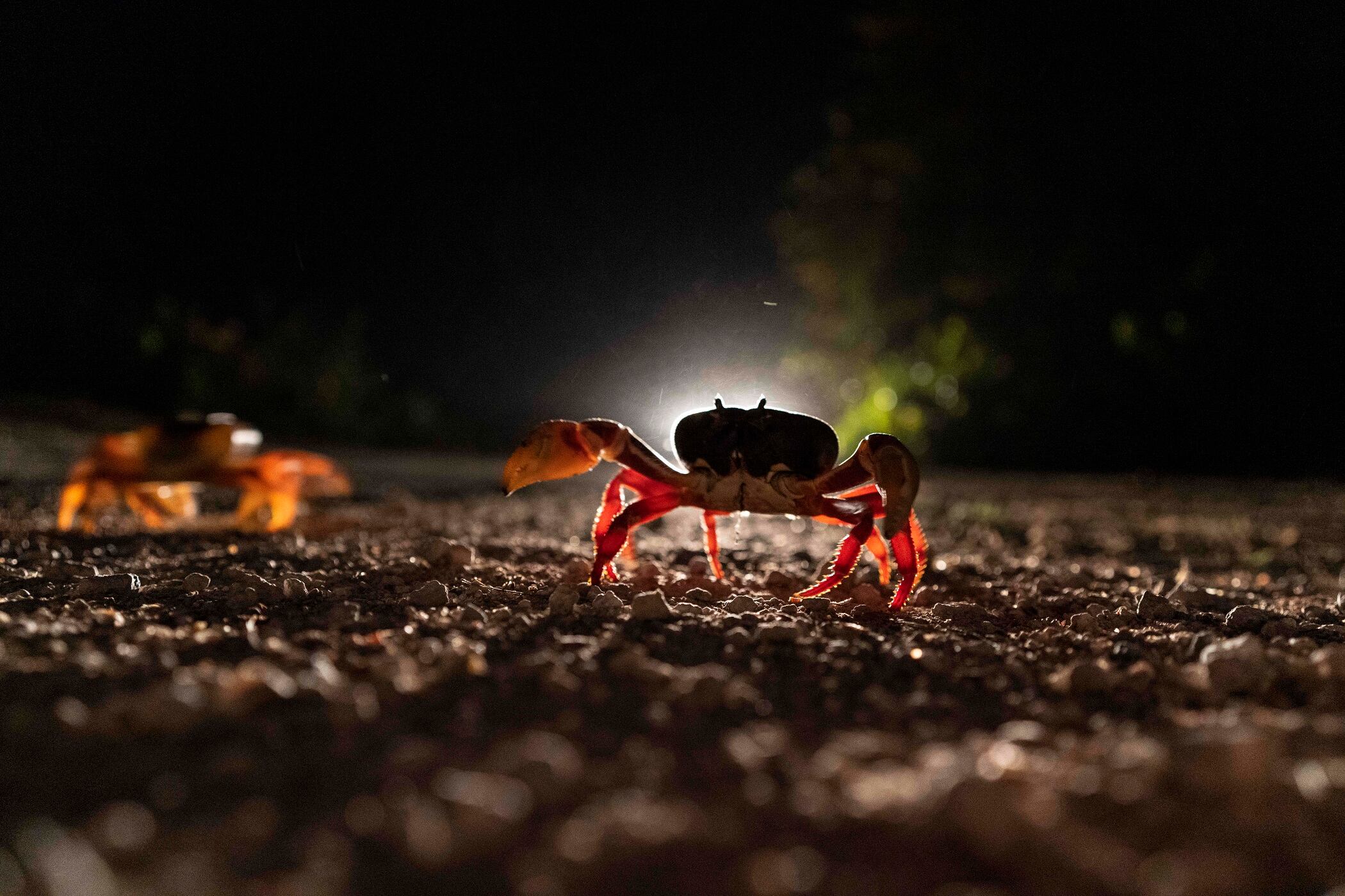
Crabs cross a road in Giron, Cuba, Sunday, April 10, 2022. Millions of crabs emerge at the beginning of the spring rains and start a journey to the waters of the Bay of Pigs to spawn in a yearly migration. (AP Photo/Ramon Espinosa)
Every year in Cuba, millions of crabs emerge from the forest at the beginning of the spring rains and head for the waters of the Bay of Pigs, crossing streets and highways on a perilous journey to mate and reproduce.
Now underway, the migration causes concern to drivers who try to swerve in an often futile attempt not to kill the crustaceans. The crabs are a nuisance to residents but the sight of their road-crossing is a wonder for tourists and other first-time onlookers.
“They got here before us,” said Amaury Urra, a 50-year-old hiking guide who spent his entire life in this part of the Ciénega de Zapata, the largest wetland in the Caribbean, particularly picturesque for the backdrop of turquoise sea waters and the coastal cliffs. ″We’re used to this.″
“Where I live, which is in the center of the town of Girón, the crabs don’t get there as much,″ though there are plenty on the outskirts, he said.
Located about 180 kilometers (110 miles) southeast of Havana, the area was the scene of a 1961 failed invasion by Cuban exiles who signed up for a covertly CIA-funded operation to overthrow Fidel Castro.
This year, the crabs started their journey early. At the end of March, the municipal authorities issued a warning to drivers to avoid traveling in the morning and evening hours - the favorite crossing times for the crabs. Environmentalists usually demand the closure of the main road, especially at key migration times.
The passage of the red crustaceans — the species is called gecarcinus ruricola — could last until July. The largest amount of traffic occurs between April and May. Residents have to be careful: When the crabs feel threatened, they can puncture car tires with their pincers.
Official figures estimate that some 3.5 million crabs die each season on the road, many crushed by passing vehicles. They take a minute and a half to cross.
This type of crab lives and migrates in the Bahamas, Nicaragua, Jamaica and Dominica. But only here, and perhaps in another sector of the coast towards the neighboring province of Cienfuegos, does its path collide so dramatically with human traffic.
Catching you up on the stories you need to know this morning, mass shooting victims testify on Capitol Hill, the White House outlines its plan to vaccinate kids younger than five years old, and we break down how to protect yourself from monkeypox.
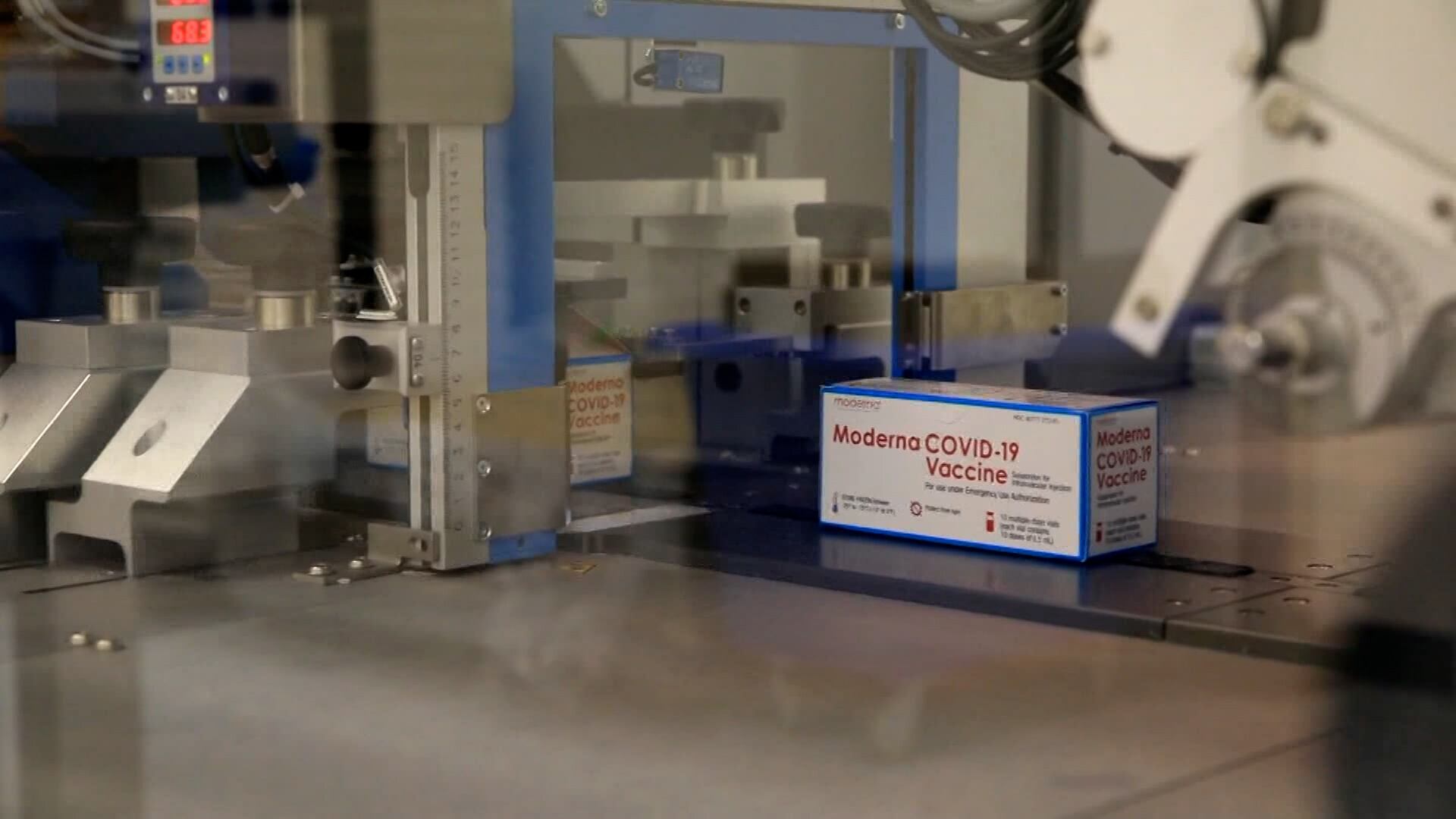
The pharmaceutical giant Moderna says its updated 'bivalent' booster shot provides a stronger immune response against the Omicron variant of COVID-19 specifically. This week, Moderna plans to submit preliminary data to U.S. health officials in the hopes that its new booster will be available later this summer. Dr. Sampson Davis, emergency medicine physician, joins Cheddar News to discuss.
NASA has announced that the first official full-color images will be beamed back to Earth from the James Webb Telescope on July 12. Gregory L. Robinson, the director of the James Webb Space Telescope Program in the NASA Science Mission Directorate, joined Cheddar News to discuss the anticipated image drop. “We expect to see the universe different," he said. "Webb will allow us to see much, much clearer and deeper into the universe."
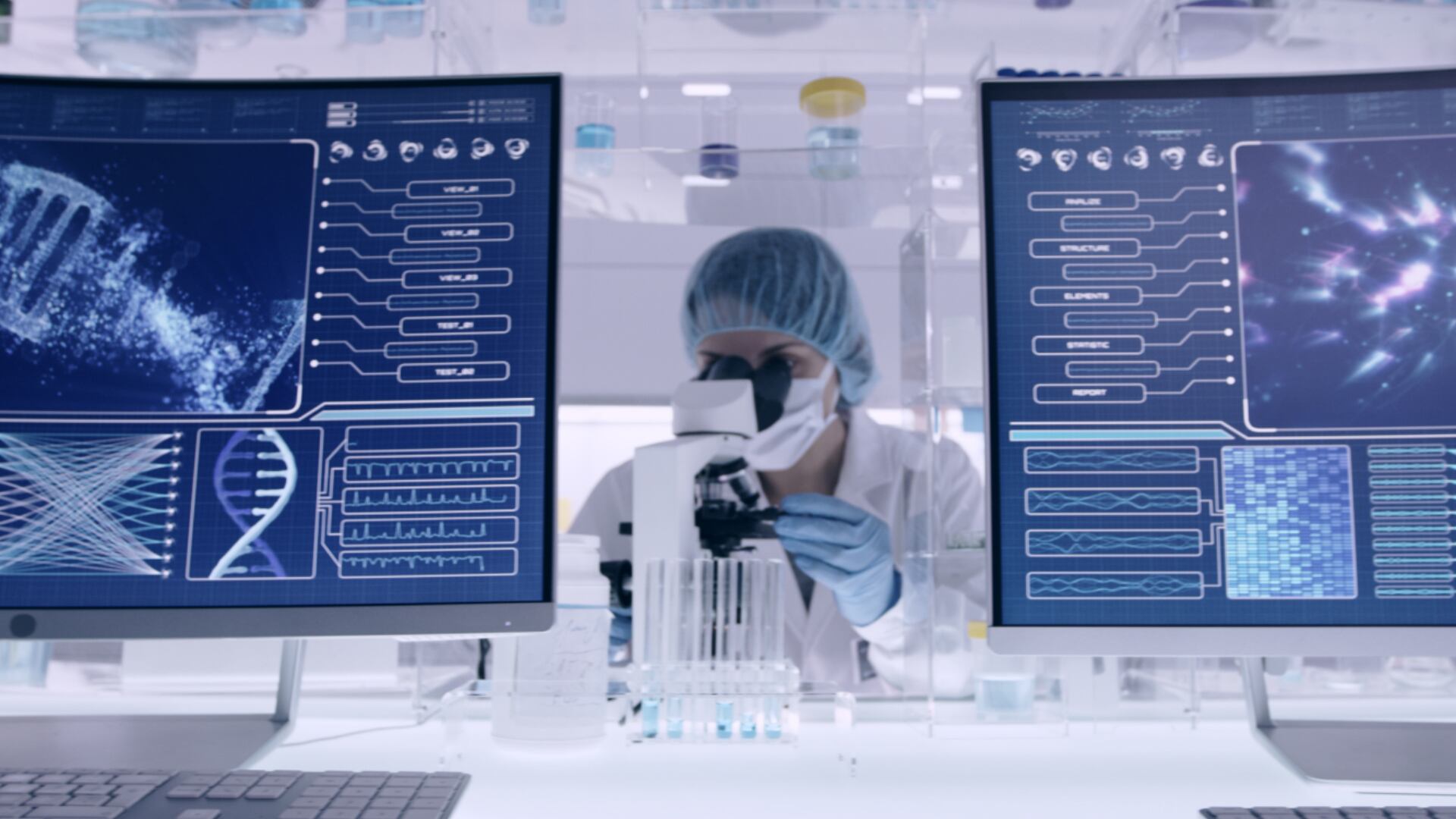
On this episode of Cheddar Reveals, Professor Laurence Hurst, Director of The Milner Centre for Evolution, discusses the mystery of human evolution that's still baffling scientists: why are humans still evolving, and why has the process sped up? Neville Sanjana, faculty member at NY Genome and New York University, breaks down the latest innovations in CRISPR genetic engineering and its applications from 'designer babies' to curing genetic conditions and diseases; Cheddar gets a look at Curiosity Stream's 'The Butterfly Effect.'
Neville Sanjana, faculty member at NY Genome and New York University, joins Cheddar Reveals to break down the latest innovations in CRISPR genetic engineering and its applications from 'designer babies' to curing genetic conditions and diseases.
Professor Laurence Hurst, Director of The Milner Centre for Evolution, joins Cheddar Reveals to discuss the mystery of human evolution that's still baffling scientists: why are humans still evolving, and why has the process sped up?
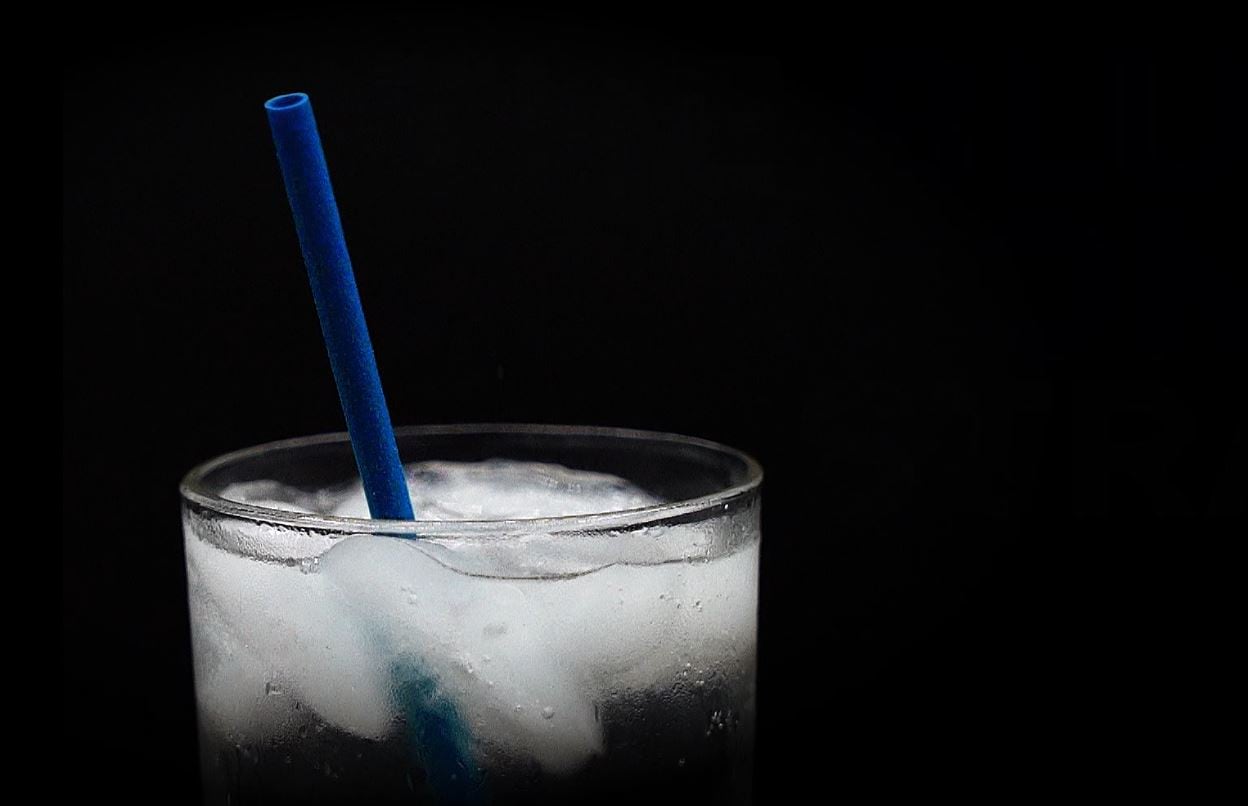
It can be tough to make sustainable choices, and even harder when sustainable materials don't hold up. Loliware has a solution to the plastic straw problem: its seaweed-based straws are stronger than paper alternatives and once used, can be composted and return to the earth or sea without causing harm. Sea Briganti, CEO of Loliware, joins Closing Bell to discuss the tech behind the straws, new product launches, and more.
Umbilical cord blood banking platform Anja Health raised $4.5 million dollars in a seed round led by Seven Seven Six, a venture capital firm founded by Reddit co-founder Alexis Ohanian. Anja Health offers a personalized, doctor-backed cord blood bank, which lets new parents freeze stem cells from their child's umbilical cord so they can be used to treat diseases in the future. It's a process Anja has called 'Hollywood's best-kept secret,' as celebrities like Kylie Jenner, Serena Williams, and more have all banked their umbilical cord blood. Kathryn Cross, the founder of Anja Health, joins Cheddar News' Closing Bell to discuss.
After learning that the suspect in the Uvalde school shooting posted about his intentions on Facebook, activists are urging social networks to make changes. Lena Derhally, a licensed psychotherapist and author of "The Facebook Narcissist," joined Cheddar News to discuss the role social media plays in school shootings. "They're not really invested in taking down hateful content," she said about social platforms."In regards to the shooting, it was 15 minutes before that actual threat. It would be pretty hard for a social media company to trace that threat that quickly. But what they can do better is take down threats and hateful content much faster and more than they're doing now."
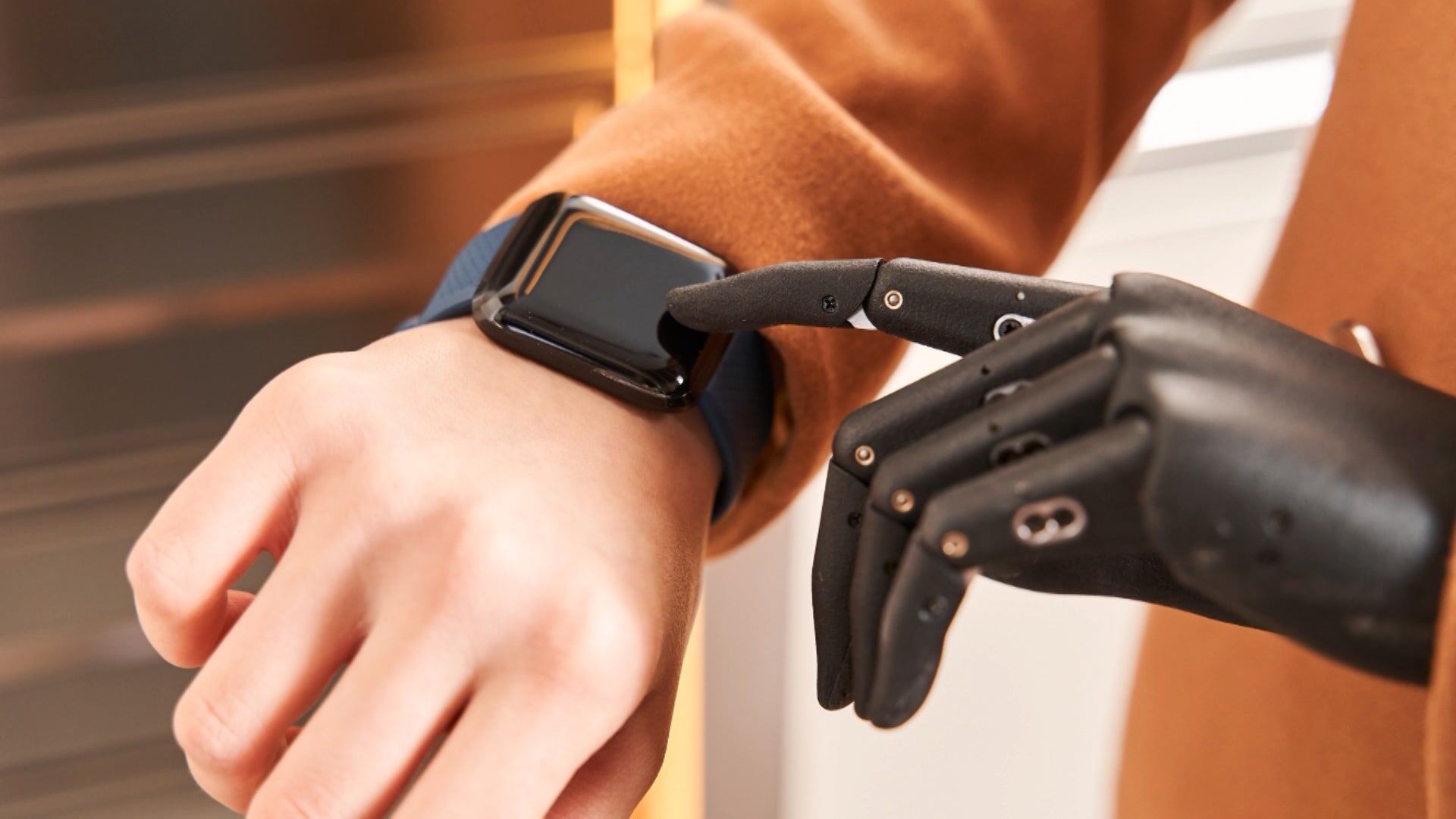
Esper Bionics CEO Dima Gazda breaks down how they're creating a mind-controlled bionic hand that guest smarter the more you use it, and what this innovation means for the future of the prosthetics industry.