An image of Parkland, Fla., survivor Emma Gonzalez ripping up the Constitution is lighting up parts of the Internet.
But that image is a grossly manipulated version of the original, which actually shows Gonzalez tearing a poster of a shooting target for a Teen Vogue article.
Storyful research director Ben Decker explained how the altered image came to be.
“You had a number of people on 4Chan -- obviously, one of the vanguards and origins of a lot of disinformation stories -- essentially asking people if they could take it apart and recreate the...meme,” he said.
Sites like 4Chan and Gab have grown in popularity as traditional social media sites have tried to crack down on the spread of disinformation.
“Gab, for instance, which claims to have almost a million users, essentially started with a large number of people who were kicked off of Twitter and...Facebook,” Decker said.
Another option called “Gunbook” emerged soon after the shooting at Marjory Stoneman Douglas High School.
“A Scottish man realized that he couldn’t advertise most of his gun ownership...on Facebook. So now all of a sudden you have a completely new space where people are...continuing this conversation about having to defend the Second Amendment.”
The image of Gonzalez is just one example of how the stringent supporters of gun rights have been vilifying the survivors of the Parkland, Fla., shooting.
In the immediate aftermath, conspiracy theorists perpetuated the idea that David Hogg, another student survivor, was a crisis actor.
According to Decker, the easiest way to spot fake images online is to use Google’s reverse image search feature, which will bring up the starting points for much of the viral content.
“But ultimately, I think there needs to be a real understanding of...how would this play into a narrative either on the left or the right. We have to consume news in a much more objective mindset.”
For the full interview, [click here](https://cheddar.com/videos/the-real-dangers-of-fake-news).
Stephen Kates, Financial Analyst at Bankrate, joins to discuss the Fed’s 25-basis-point rate cut, inflation risks, and what it all means for consumers and marke
Big tech earnings take center stage as investors digest results from Alphabet, Meta, Microsoft, Amazon, and Apple, with insights from Gil Luria of D.A. Davidson
Disney content has gone dark on YouTube TV, leaving subscribers of the Google-owned live streaming platform without access to major networks like ESPN and ABC. That’s because the companies have failed to reach a new licensing deal to keep Disney channels on YouTube TV. Depending on how long it lasts, the dispute could particularly impact coverage of U.S. college football matchups over the weekend — on top of other news and entertainment disruptions that have already arrived. In the meantime, YouTube TV subscribers who want to watch Disney channels could have little choice other than turning to the company’s own platforms, which come with their own price tags.
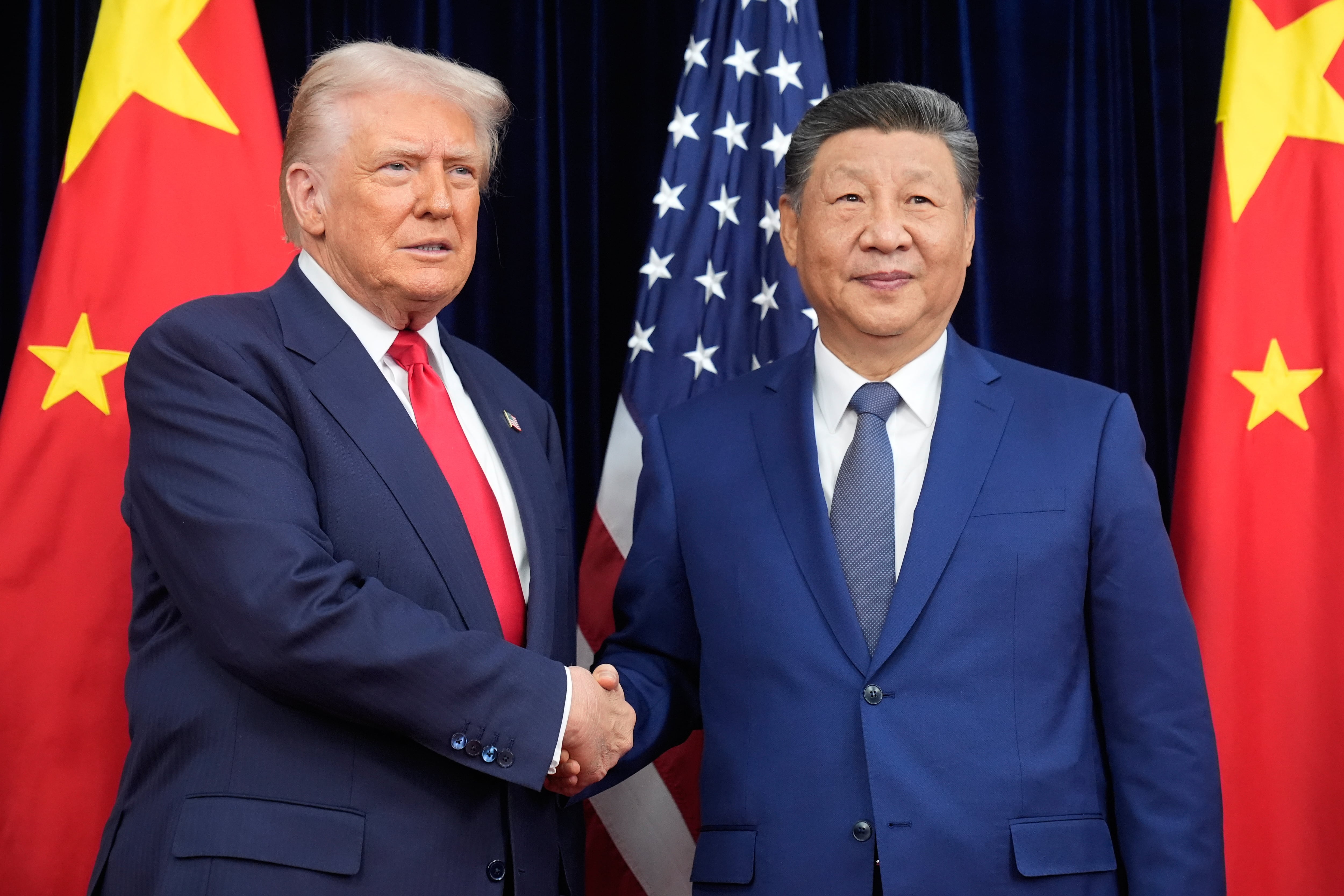
President Donald Trump said he has decided to lower his combined tariff rates on imports of Chinese goods to 47% after talks with Chinese leader Xi Jinping on curbing fentanyl trafficking.
Universal Music Group and AI platform Udio have settled a copyright lawsuit and will collaborate on a new music creation and streaming platform. The companies announced on Wednesday that they reached a compensatory legal settlement and new licensing agreements. These agreements aim to provide more revenue opportunities for Universal's artists and songwriters. The rise of AI song generation tools like Udio has disrupted the music streaming industry, leading to accusations from record labels. This deal marks the first since Universal and others sued Udio and Suno last year. Financial terms of the settlement weren't disclosed.