How Chef Judy Joo Went From the Trading Floor to Trading Recipes
*By Samantha Errico*
After earning a Bachelor of Science in engineering, interning at Goldman Sachs, and working at Morgan Stanley, Judy Joo left Wall Street to follow her passion for cooking.
"I really just got sick of the grind. Fixed income derivatives wasn't really my passion," Judy Joo told Cheddar.
The Korean-American chef wasn't afraid to start back at the bottom and climb her way to the top of another industry. She described squeezing lemons and picking through spinach for hours at a time.
"It's so much more rewarding. I'm creating memories, where as before I felt like I was just pushing paper around," Joo said.
But she still relies on her Wall Street savvy. Her financial background provided her with an important skill-set that translates to the culinary world. "I can actually model spreadsheets and do all my own forecasting, which is really helpful because most chefs can't do that," Joo said.
In 2015, the celebrity chef opened her first restaurant, Jinjuu, in London. She wanted to create a "cool" restaurant that borrowed from her Korean-American heritage. She now has a second location operating in Hong Kong.
"I need to create a space that is really representative of, and really shows off, the true beauty of Korean culture in every sense of the word," she said.
Popular menu items include Philly cheesesteak dumplings and wild mushrooms and duck dumplings. Joo is a French-trained Londoner, so she incorporates different robust flavors from her multicultural background.
"I am trying to globalize Korean food," she said.
Joo has made her footprint both on and off screen. She is the mastermind behind the cookbook "Korean Food Made Simple," and serves as a host of the Cooking Channel's "Korean Food Made Simple."
"Life is too short not to live your dream," Joo said.
For full interview [click here](https://cheddar.com/videos/chef-judy-joos-journey-from-wall-street-into-culinary-world).
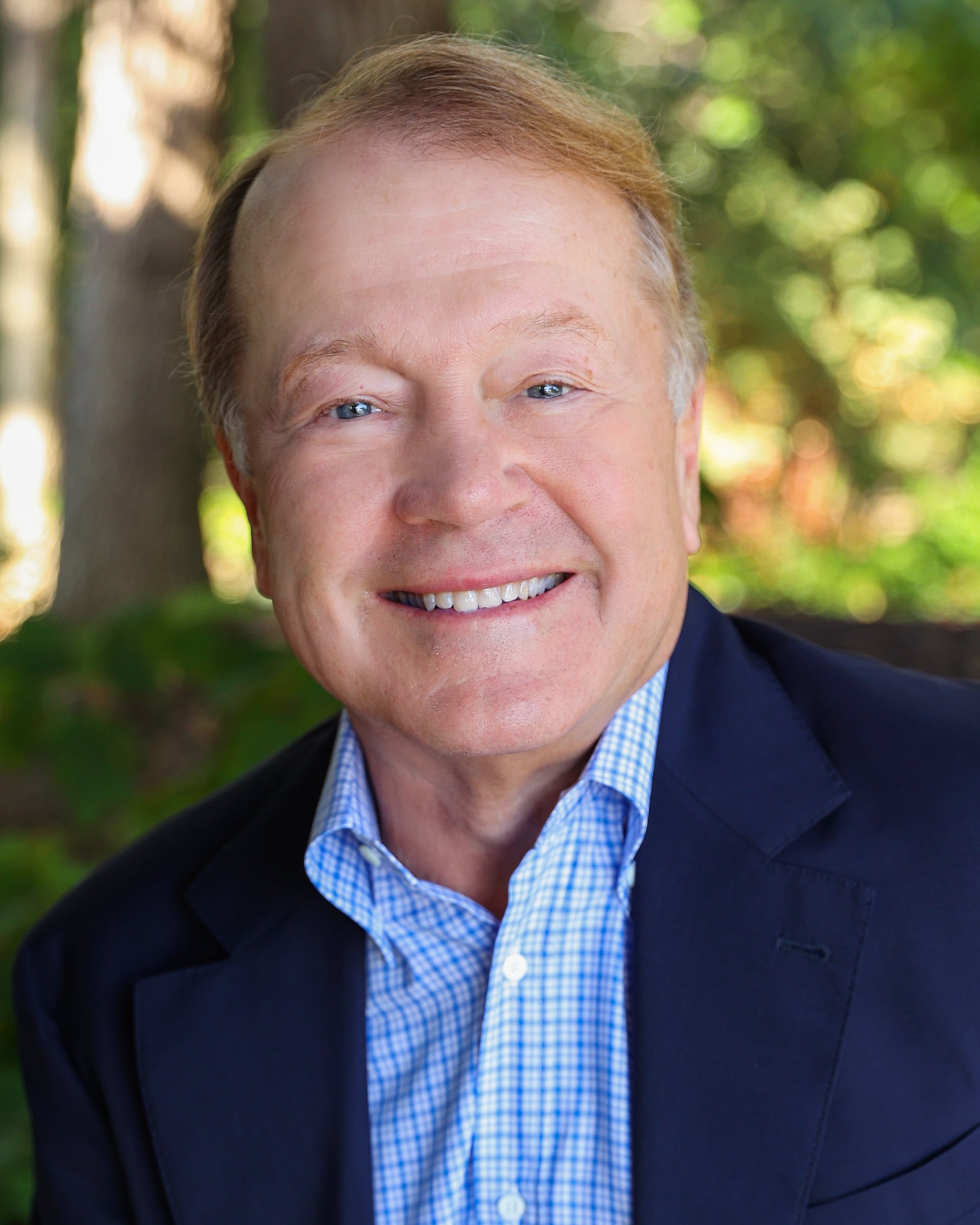
Former Cisco Systems CEO John Chambers learned all about technology’s volatile highs and lows as a veteran of the internet’s early boom days during the late 1990s and the ensuing meltdown that followed the mania. And now he is seeing potential signs of the cycle repeating with another transformative technology in artificial intelligence. Chambers is trying take some of the lessons he learned while riding a wave that turned Cisco into the world's most valuable company in 2000 before a crash hammered its stock price and apply them as an investor in AI startups. He recently discussed AI's promise and perils during an interview with The Associated Press.
Grove Collaborative’s CEO shares how the company is reinventing everyday goods with sustainability at the core and working toward a plastic-free future.
Atlanta Mayor Andre Dickens shares plans for affordable housing, community-led growth, and why private and public grocery stores could be key to food equity.
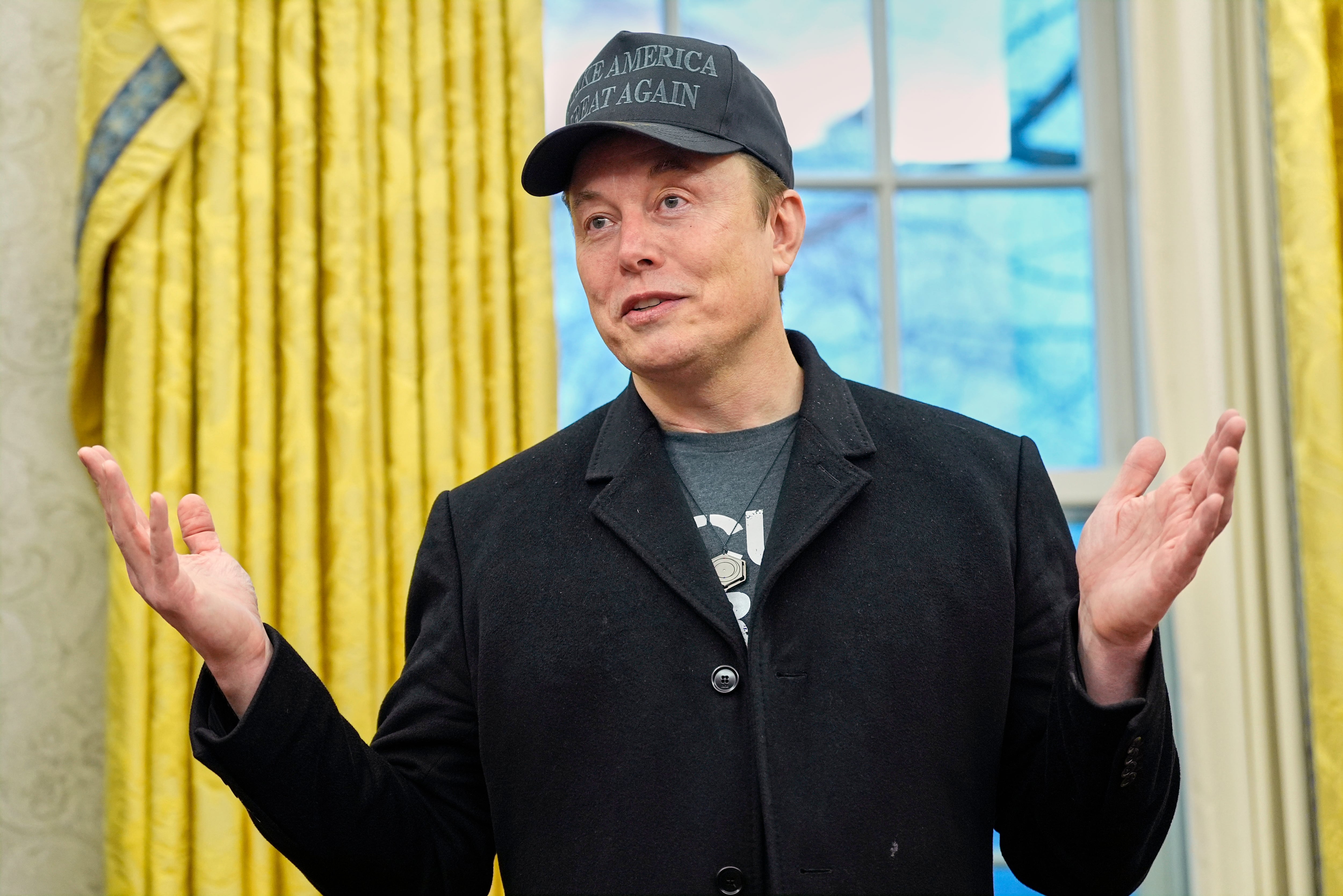
Tesla reported a surprise increase in sales in the third quarter as the electric car maker likely benefited from a rush by consumers to take advantage of a $7,500 credit before it expired on Sept. 30. The company reported Thursday that sales in the three months through September rose 7% compared to the same period a year ago. The gain follows two quarters of steep declines as people turned off by CEO Elon Musk’s foray into right-wing politics avoided buying his company’s cars and even protested at some dealerships. Sales rose to 497,099 vehicles, compared with 462,890 in the same period last year.
Tom’s Guide Editor-in-Chief Mark Spoonauer breaks down Apple & Amazon's latest product drops—what's hot, what's hype, and what really matters for users.
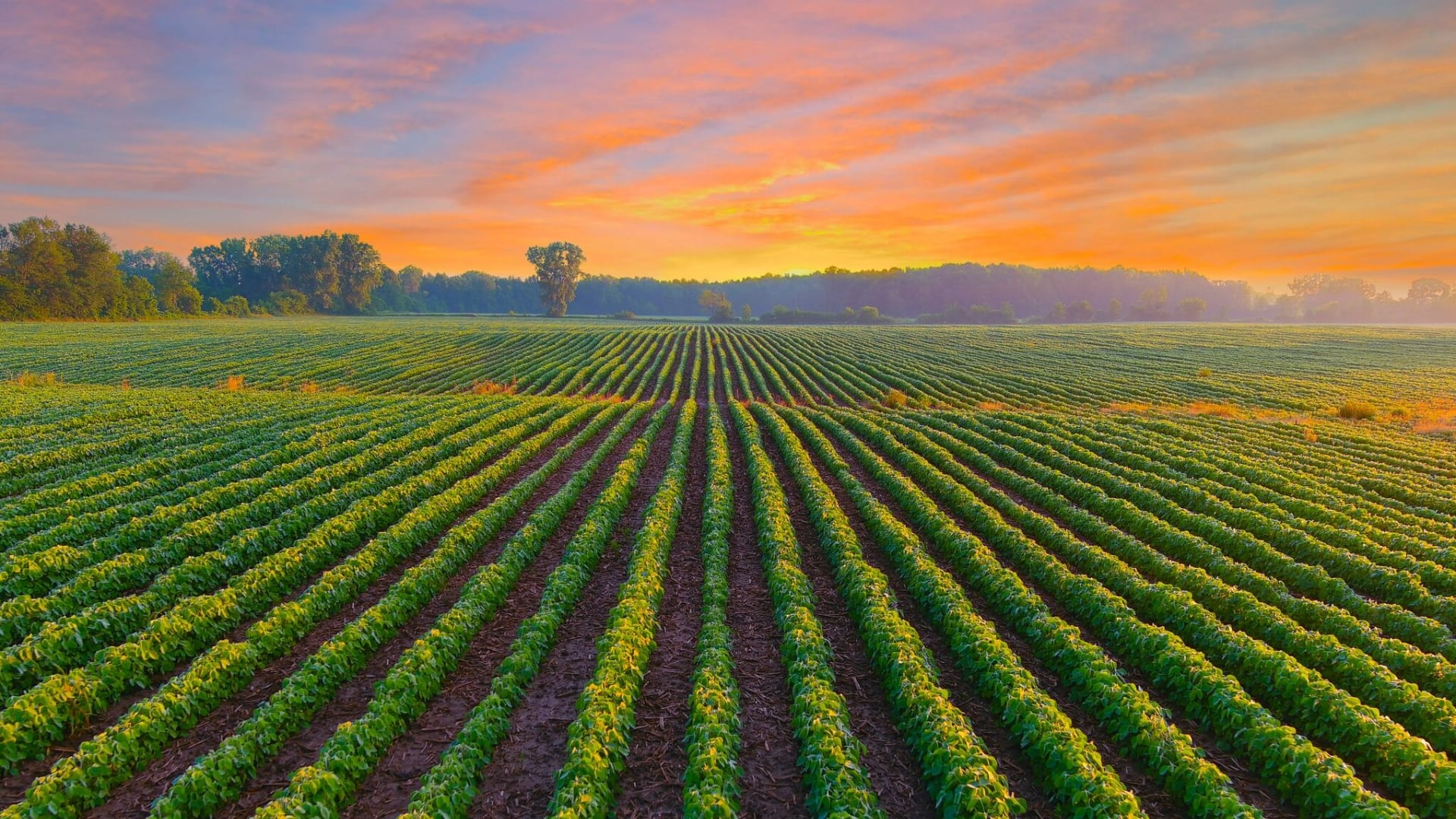
InnerPlant CEO Shely Aronov reveals how engineered crops like soybeans and corn emit signals when stressed—offering farmers early warnings to boost yields.