The House approved a resolution on Thursday to force the president to halt military action against Iran without Congressional authorization, restarting conversations on the role of Congress in war. Lawmakers voted largely along party lines, with the final vote tallied 224-194. Eight Democrats voted against the resolution and three Republicans voted in favor.

The bill, introduced by Michigan Democrat Elissa Slotkin, limits the president’s war-making power by requiring the president to seek an Authorization for Use of Military Force (AUMF) before possibly taking the U.S. into a war with Iran.

An aide to the congresswoman told Cheddar the bill aims to limit the president’s ability to wage such a conflict without consulting Congress.

“If our loved ones are going to be sent to fight in any protracted war, the President owes the American people a public conversation about why and for what ends,” Slotkin said in a press release.

House Speaker Nancy Pelosi said in a press conference earlier Thursday, before the vote, that the justification the White House used to justify the strike against Iran’s top military leader Gen. Qassem Soleimani was “foggy.” Slotkin noted Soleimani “was the architect of some of the worst destabilizing activities in the Middle East. But his behavior does not mean that the Administration can disregard the Constitution by engaging in a wider war, without consulting first with Congress.”

Democrats and at least two Republican senators have been publically skeptical of the administration’s justification for the drone strike, which has rotated between the contention the administration was preventing an “imminent threat,” that Iran was “looking to blow up our embassy,” and that Soleimani’s actions in the past were rationalization enough for the strike. The Trump administration has not explicitly offered a public legal justification but seems to indicate the rationale is based in the 2001 or 2002 AUMF measures that supported the War on Terror and the war in Iraq, respectively.

Under the War Powers Act of 1973, the president is supposed to brief Congress within 48 hours of an unauthorized executive military action. Lawmakers were not satisfied with the White House’s decision not to speak with Congress before the attack.

After Senators were finally briefed by Secretary of State Mike Pompeo, Defense Secretary Mark Esper, and CIA Director Gina Haspel five days after the attack, Senators Rand Paul (R-Ky.) and Mike Lee (R-Utah) joined Democrats in questioning the administration's strategy and raising concerns about its justifications. Both Republicans have indicated they would back a Senate version of the House resolution, with Lee saying the briefing was “insulting and demeaning to the Constitution of the United States.”

According to the resolution, a version of which was introduced to the GOP-controlled Senate by Democratic Senator Tim Kaine of Virginia, the president must end the use of U.S. armed forces to engage in hostilities in or against Iran unless formally authorized by Congress or if there is an “imminent armed attack upon the United States.” Lee’s press secretary confirmed he would vote for Kaine’s resolution but also supported the strike against Soleimani. Senator Mitt Romney confirmed he spoke to Kaine about the resolution, but did not yet support it. If Lee and Paul indeed voted for the resolution, Democrats would still need two more Republican votes to pass it in the Senate.

House Democrats voted using a concurrent resolution rather than a joint resolution, as the president is never presented with a concurrent resolution to sign. A concurrent resolution is simply enacted once the House and the Senate vote to approve it.


Share:
More In Politics
China's Crackdown on Free Rress
A new report by the Foreign Correspondents Club of China warns that press freedom in the most populous country in the world is declining at an alarming speed. Cheddar News speaks with Steven Butler, Asia Program Coordinator at the Committee to Protect Journalists, about the hardships journalists face in China.
Rep. Nancy Mace Wants Dem Support for Amazon-Backed GOP Cannabis Reform Bill
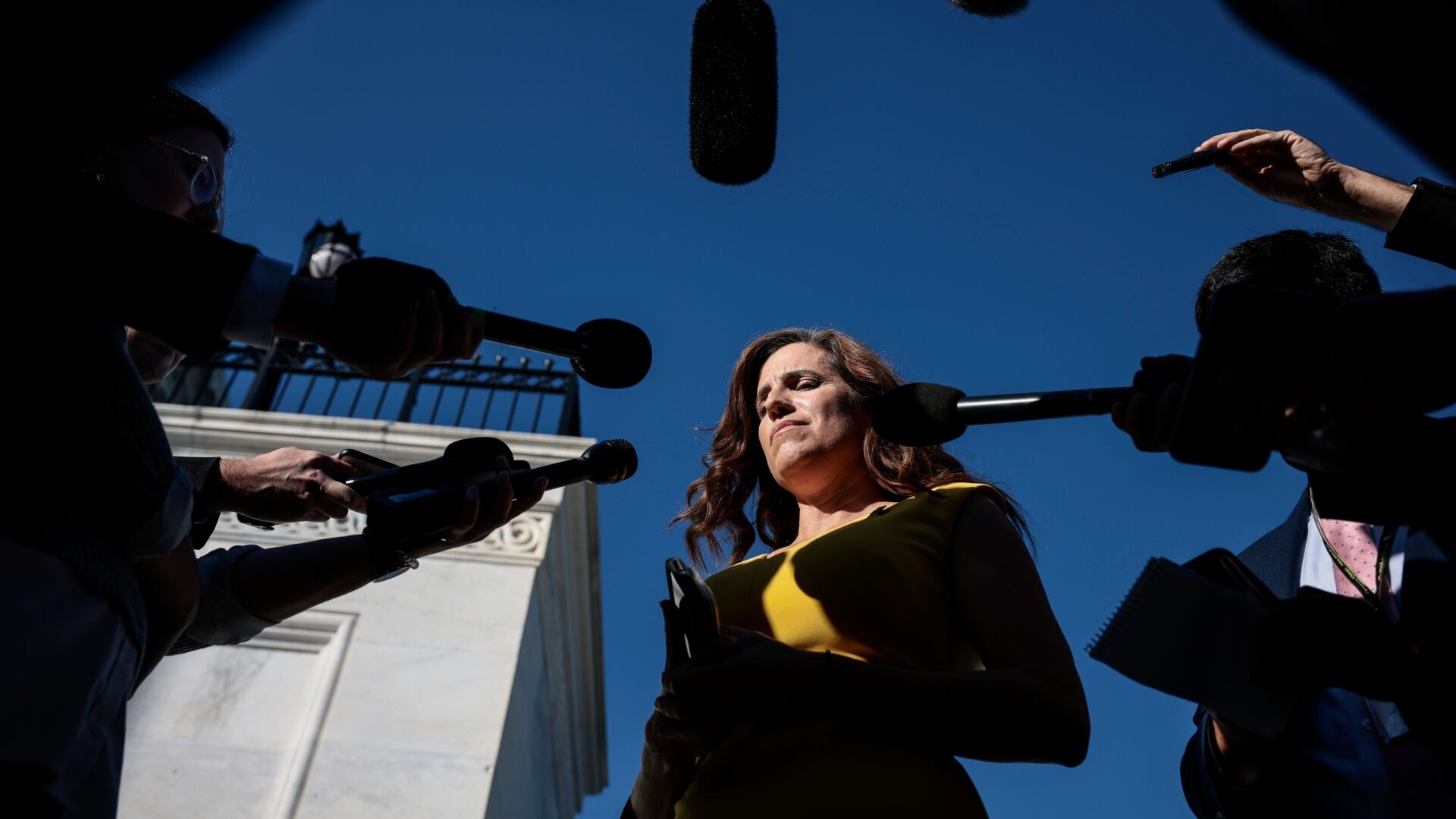
Rep. Nancy Mace (R-S.C. 1st District) joined Cheddar to discuss her cannabis legalization bill, the States Reform Act, and the prospects for gaining bipartisan support for a bill that has garnered the endorsement of e-commerce giant Amazon. This legislation is supported by businesses large and small, Amazon obviously being the most recent and largest business to support it," Mace said. "They don't want to sell pot. But what it does do is it affects their working employment pool." She stated that 10 percent of eligible new hires for Amazon are affected by restrictive marijuana laws. The representative also explained that the bill leaves equity provisions up to the states rather than mandating them on a federal level.
Lawmakers Call On MTA To Install Doors On Subway Platforms
After a number of tragic subway incidents, the MTA is facing increased pressure to install subway platform screens to help prevent injury or death. However, according to an earlier report from the MTA, installing these prevented measures isn't feasible. New York City Council Member Keith Powers, joined Cheddar to discuss more.
2020 Census Data Shows New Gerrymandering Battle
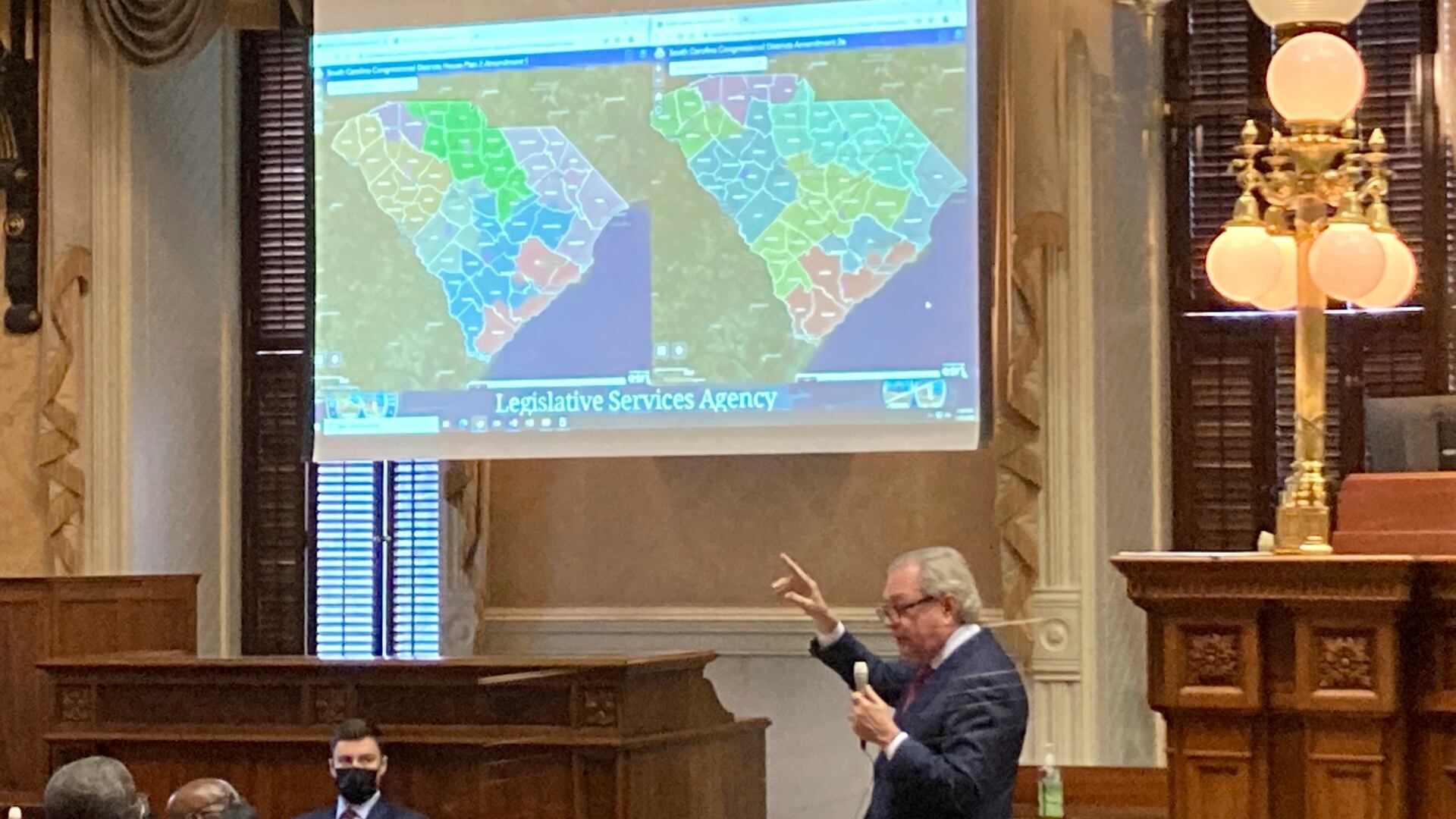
Across the country, states are working to redraw their congressional lines in what is often known as gerrymandering. These news lines are expected to determine the balance of power between Democrats and Republicans within the next decade. Senior Counsel for the Brennan Center's Democracy Program, Michael Li, joined Cheddar to discuss more.
California To Dismantle Death Row
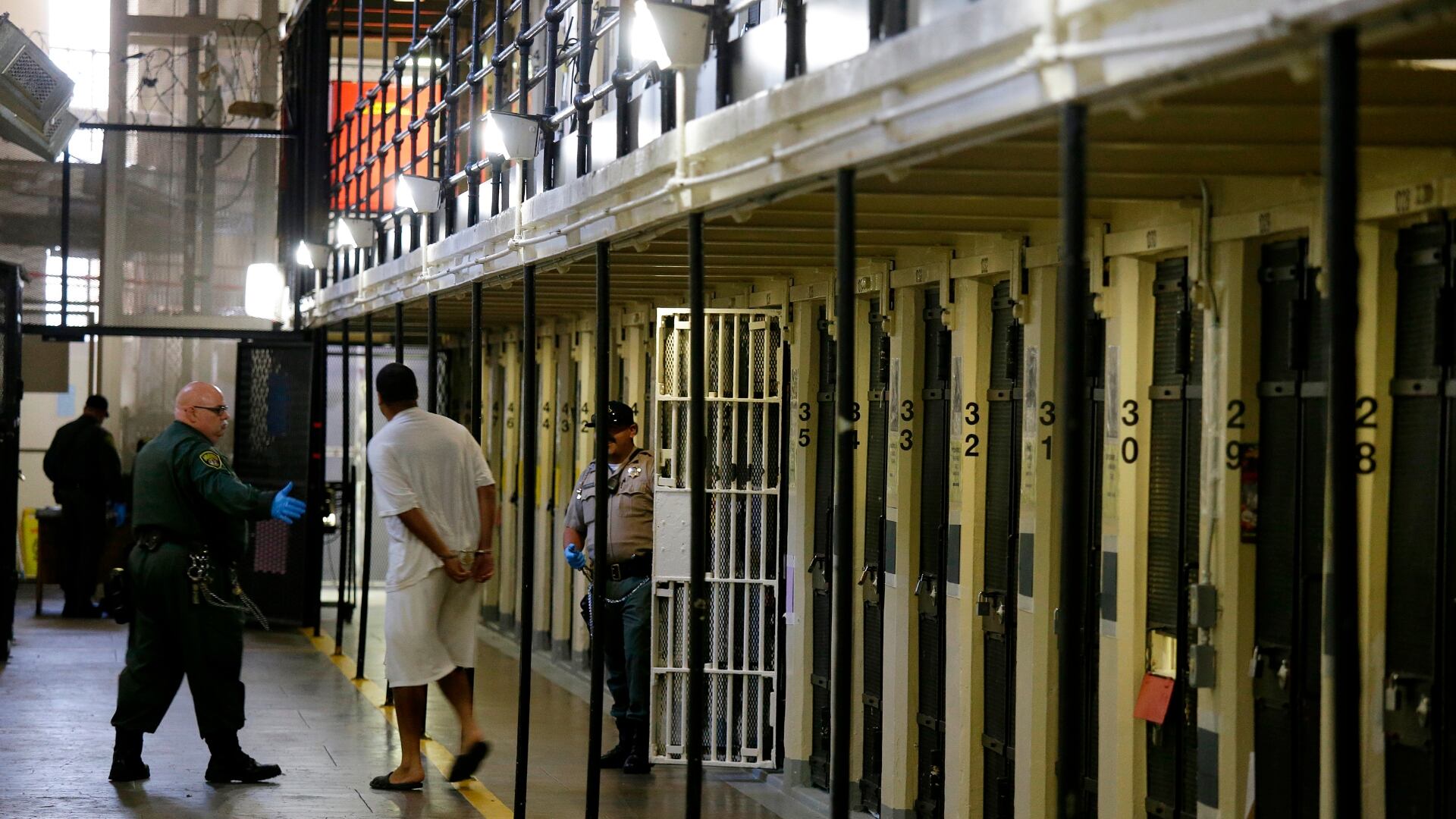
The state of California is officially planning to close its death row in the next two years. That state's governor Democrat Gavin Newsom says the plan is now to move all condemned inmates to other prisons and turn it into, as he calls it, a positive healing environment. Former U. S. Assistant Attorney and Legal Analyst, David Katz, joined Cheddar to discuss more.
Stocks Close Near Session Highs to Begin February
Anthony Saccaro, Founder and President of Providence Financial, joins Cheddar News' Closing Bell, where he elaborates on why he is excited that the market is beginning to rebound and believes February has the potential to be a good month after a turbulent January.
Congressional Democrats Demand Answers From Crypto Miners Over Environmental Impact
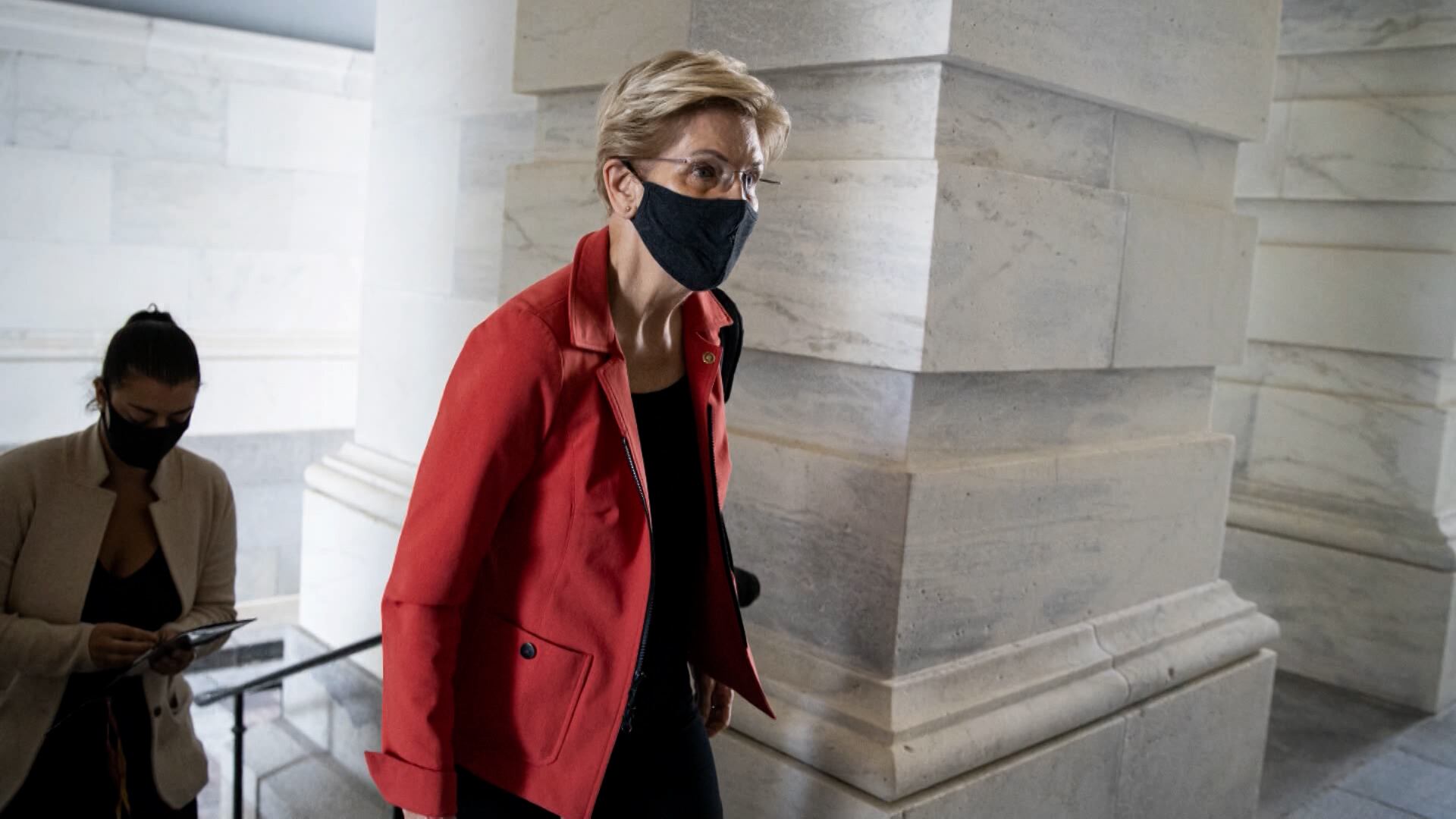
Cryptocurrency is expected to become a part of our daily lives — but what sort of environmental impact does it have? As the U.S. becomes the crypto mining capital of the world, climate advocates are worried about mining companies reopening old coal plants, using massive amounts of energy, wasteful hardware, and more. Congressional Democrats led by Senator Elizabeth Warren are demanding answers from mining firms about their electricity use and waste levels. John Belizaire, CEO of Soluna Computing, joins Cheddar Climate to discuss the congressional letters, how crypto mining can become a green industry, and more.
Supreme Court To Hear Challenge To Affirmative Action
The Supreme Court will reconsider race-based affirmative action in college admissions. The court will examine admissions policies at Harvard University and The University of North Carolina Chapel Hill, which count the race of applicants as a factor in admissions. The court has upheld affirmative action policies in the past, saying it helps to create more diverse student bodies. However, the conservative Supreme Court could be skeptical and even possibly hostile to such policies. Nick Anderson, Higher Education Writer, Washington Post joined Cheddar's Opening Bell to discuss.
Load More