By Alan Fram
Federal agencies would be financed for another month under bipartisan legislation approved by the House on Tuesday, the latest emblem of Congress' persistent inability to finish its budget work on time.
Senate passage, expected perhaps next week, will send the bill to President Joe Biden for his signature. Without that the government would deplete its spending authority on Feb. 18 and have to shutter most of its doors, an election-year embarrassment that neither party wants, and it will not happen.
The bill includes $350 million to address leaking military fuel tanks that have contaminated drinking water near Hawaii's Pearl Harbor, and nearly 6,000 people have complained of illness. The military has moved around 4,000 families into hotels and flown in water treatment systems from the U.S. mainland.
Tuesday's House vote was 272-162. All but one voting Democrat supported the bill, but it was opposed by more than 3 in 4 Republicans, who often use such votes to portray themselves as fiscal conservatives.
The short-term measure would fund government at last year’s levels through March 11. Congressional leaders say they hope that will give bargainers time to reach agreement on overall spending totals, and then write the 12 bills that spell out details on how agencies will spend that money.
Those bills finance everything from the armed forces to programs for education, the environment, veterans and public health. In addition, a portion of the 10-year, $1 trillion infrastructure bill — about $14 billion this year — can't be committed to projects until Congress approves a spending bill formally providing the money.
The government's budget year runs from Oct. 1 through Sept. 30. It's been many years since Congress has finished all its budget bills by Oct. 1 because of partisan fights over priorities.
“No one wins" when Congress has to rely on short-term legislation to finance agencies piecemeal, said Rep. Rosa DeLauro, D-Conn., who chairs the House Appropriations Committee. The top Republican on that panel, Rep. Kay Granger of Texas, said that while no one wants another stopgap bill, “the alternative is much worse" — a reference to a federal shutdown.
U.S. Vice President Kamala Harris announced Thursday that the U.S. is investing more than $100 million in the Caribbean region to crack down on weapons trafficking, help alleviate Haiti’s humanitarian crisis and support climate change initiatives.
At Cleveland's Urban Kutz Barbershop, customers can flip through magazines as they wait, or help themselves to drug screening tests left out in a box on a table with a somber message: “Your drugs could contain fentanyl. Please take free test strips.”
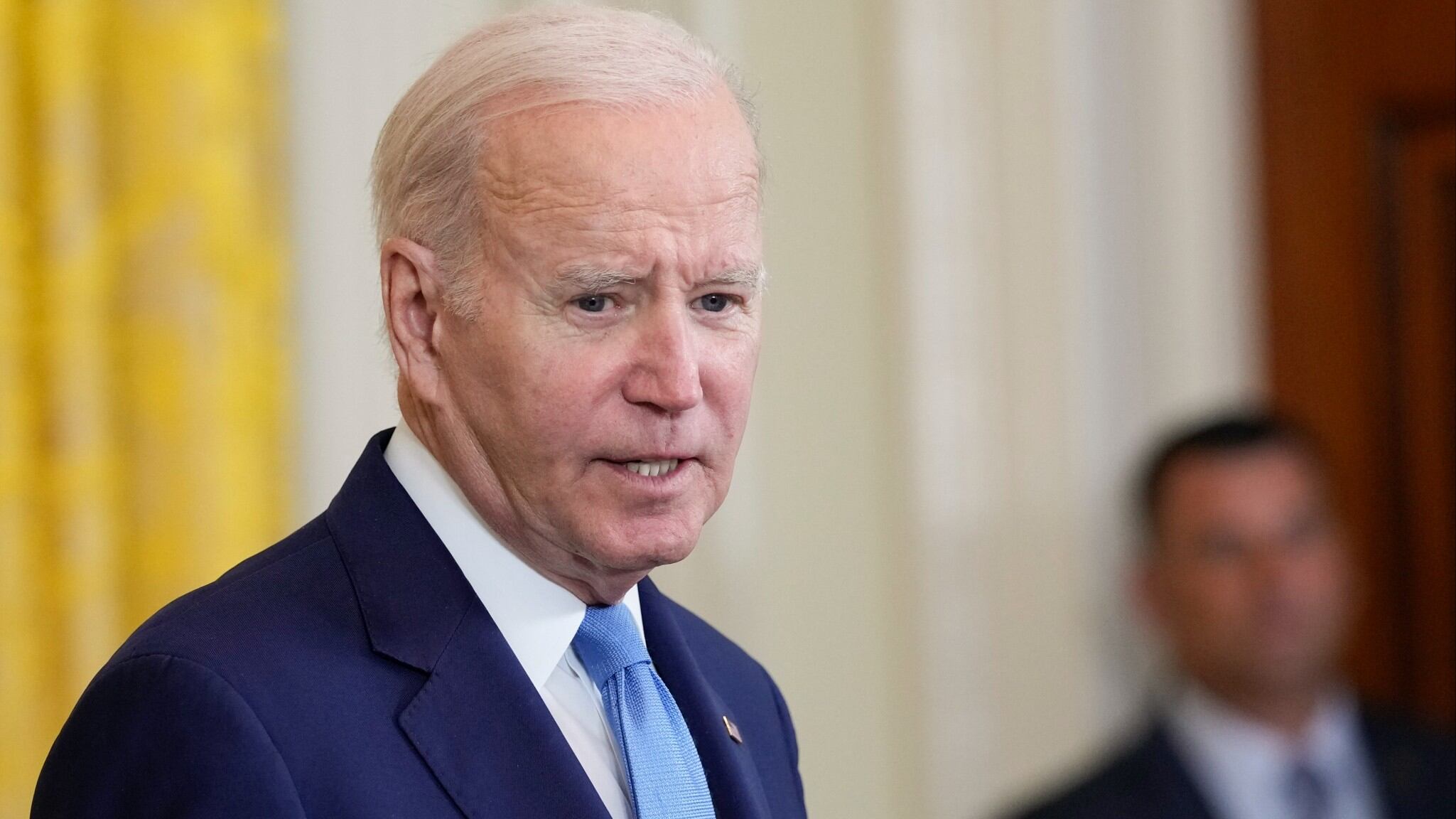
President Joe Biden on Thursday condemned a wave of “cruel” and “callous” state legislation curbing the rights, visibility and health care access of LGBTQ+ people, while causing the community to feel under attack for being who they are.
Pat Robertson, a religious broadcaster who turned a tiny Virginia station into the global Christian Broadcasting Network, tried a run for president and helped make religion central to Republican Party politics in America through his Christian Coalition, has died. He was 93.
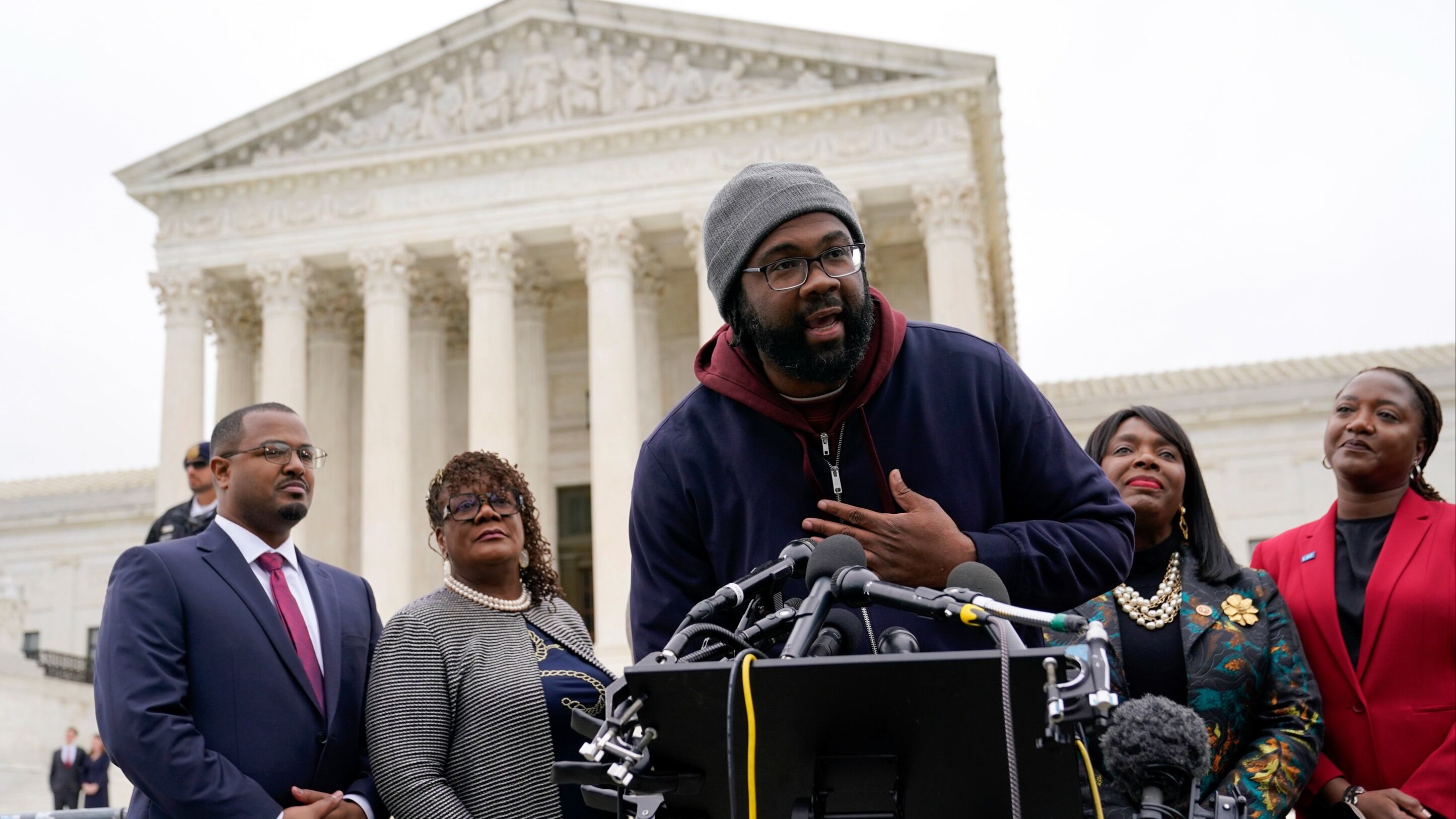
The Supreme Court on Thursday issued a surprising 5-4 ruling in favor of Black voters in a congressional redistricting case, ordering the creation of a second district with a large Black population.
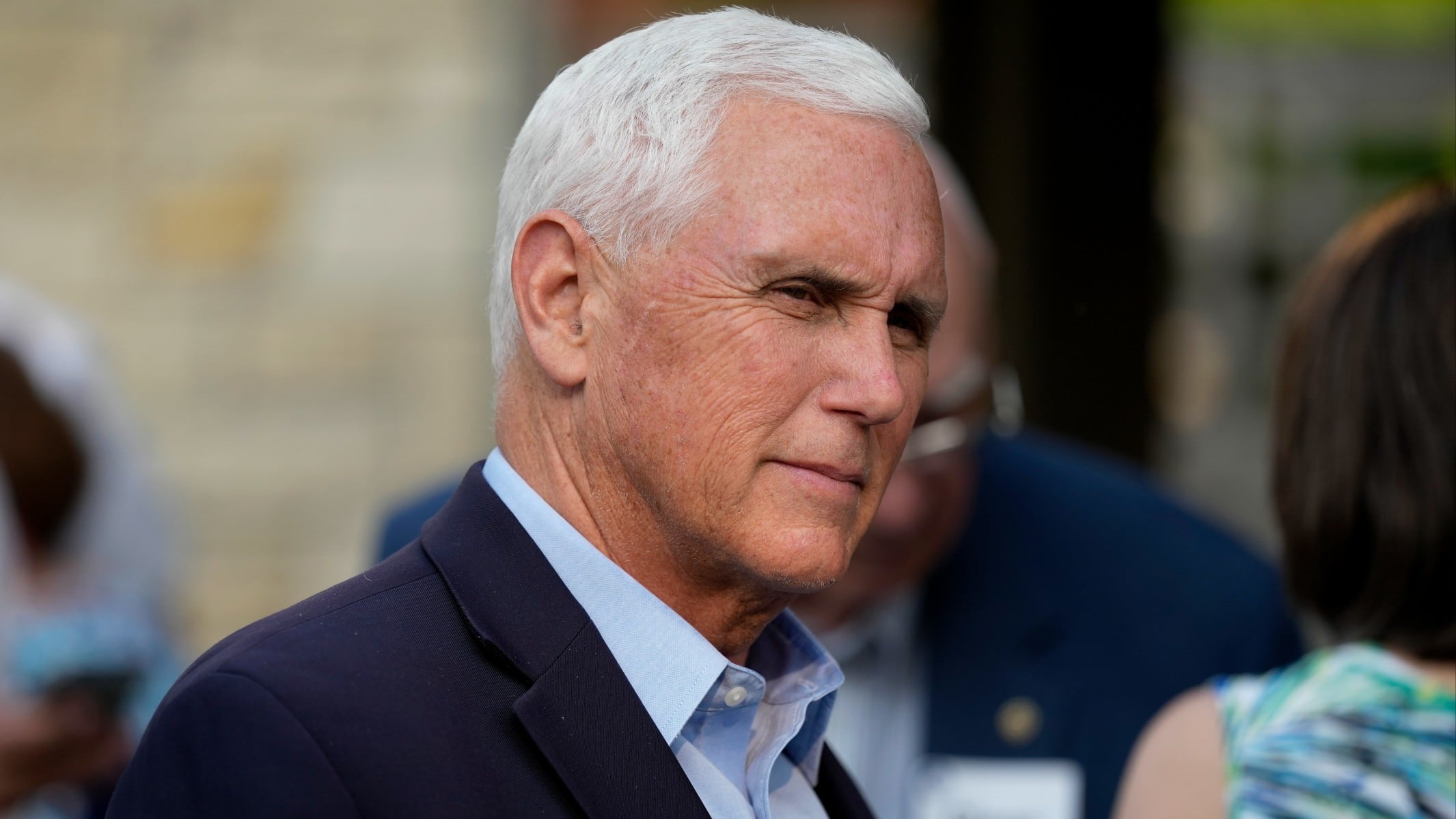
Mike Pence opened his presidential bid with an unusually forceful critique of former President Donald Trump over Jan. 6, his temperament and abortion on Wednesday as he became the first vice president in modern history to challenge his former running mate.
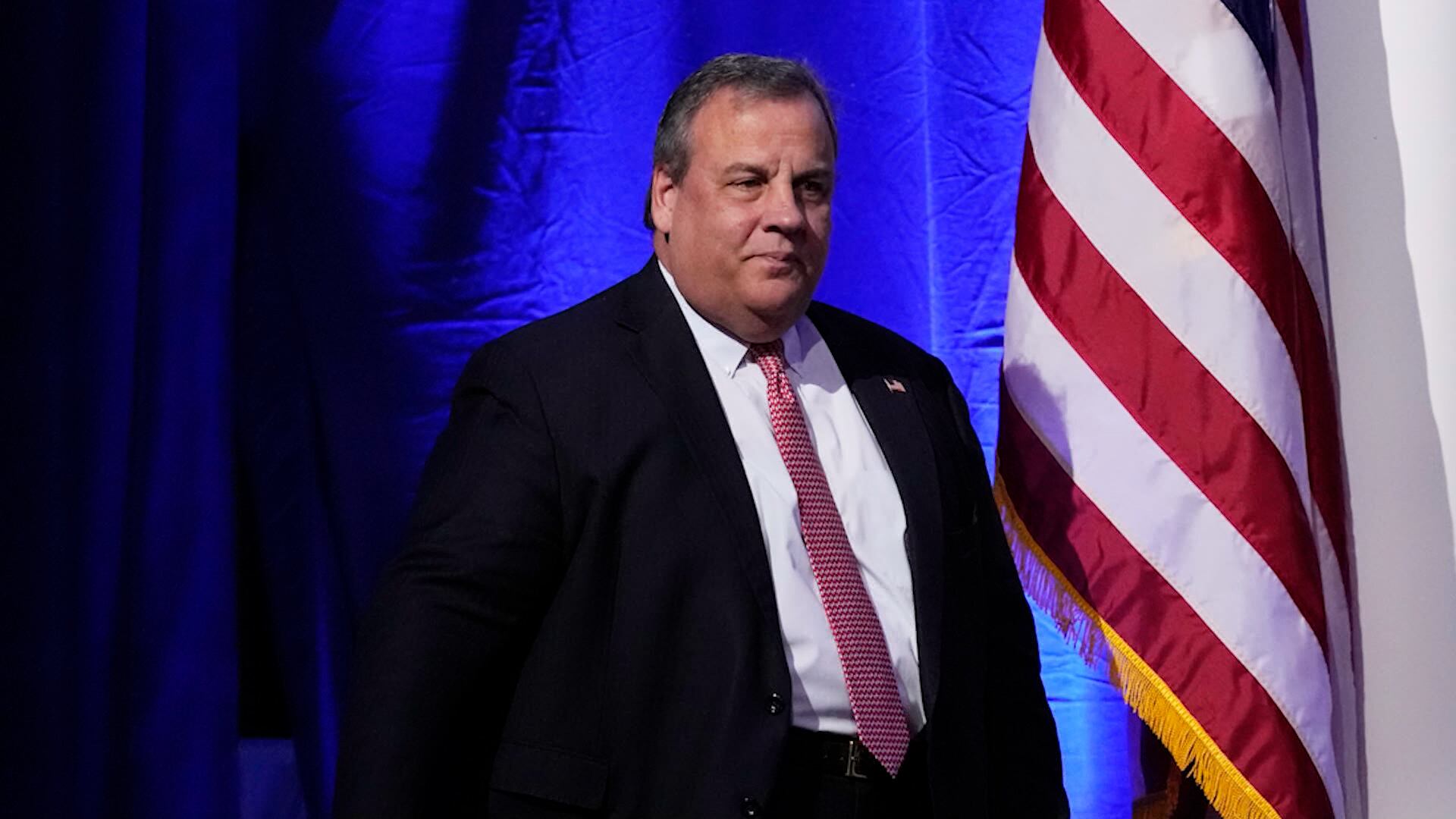
Former New Jersey Gov. Chris Christie wasted no time going after Donald Trump while launching his presidential campaign on Tuesday, calling the former president and current Republican primary front-runner a “lonely, self-consumed, self-serving mirror hog" and arguing that he's the only one who can stop him.
Saying gender identity is real, a federal judge temporarily blocked portions of a new Florida law that bans transgender minors from receiving puberty blockers, ruling Tuesday that the state has no rational basis for denying patients treatment.
With concerns about misinformation spreading online, European Union officials want to more closely regulate artificial intelligence, and they're asking the world's biggest tech companies for help.
Sens. Elizabeth Warren, Ron Wyden, Ed Markey, and Mazie Hirono sent a letter to top officials at Twitter expressing their concerns over the platform's privacy policy.