The race for a quantum computer has so far been dominated by tech companies with household names such as IBM and Google. But Honeywell, a massive industrial conglomerate, perhaps best known for its home thermostats, is quietly working to beat the competition.
"[Honeywell] seems like an outlier, because most people don't know what it takes to build one," President Tony Uttley told Cheddar. "All of the subsystems needed to build a quantum computer are things Honeywell has been doing for decades in our aerospace business, in our controls business, in our chemicals business."
The company said it will release "the most powerful quantum computer yet" within the next three months. The model will have doubled the capacity of the next alternative in the industry, based on an industry metric known as quantum volume, according to Honeywell.
The simplest way to describe how quantum computers work is that they are theoretically capable of processing exponentially more problems than traditional computers. This opens the door to any number of new computing possibilities, from banking to life sciences.
"It just acts differently than traditional computers of today," Uttley said. "It allows for the processing of massive amounts of computations at the same time."
Clients are already lining up to put the new computing power to use — though it's likely to be an exploratory process as companies figure out how to incorporate the new technology.
To start, Honeywell is working with J.P.Morgan Chase to use quantum computing to better serve customers. Uttley expects business integration to happen soon after the release.
"Quantum computing will enable us to tackle complex scientific and business challenges, driving step-change improvements in computational power, operating costs, and speed," said Honeywell Chairman and CEO Darius Adamczyk, in a statement.
"Materials companies will explore new molecular structures. Transportation companies will optimize logistics. Financial institutions will need faster and more precise software applications. Pharmaceutical companies will accelerate the discovery of new drugs."
This isn't the first time a company has come out of the gate with bold claims about its quantum capabilities. Google last year said that it had achieved "quantum supremacy," which means their model could solve problems that are practically impossible for traditional computers. IBM later criticized the claim because the computer only addressed a narrow set of problems.
Honeywell plans to get the new machine into partners' hands as soon as possible, proving one way or another whether this is the great leap forward for quantum computers that it claims to be.
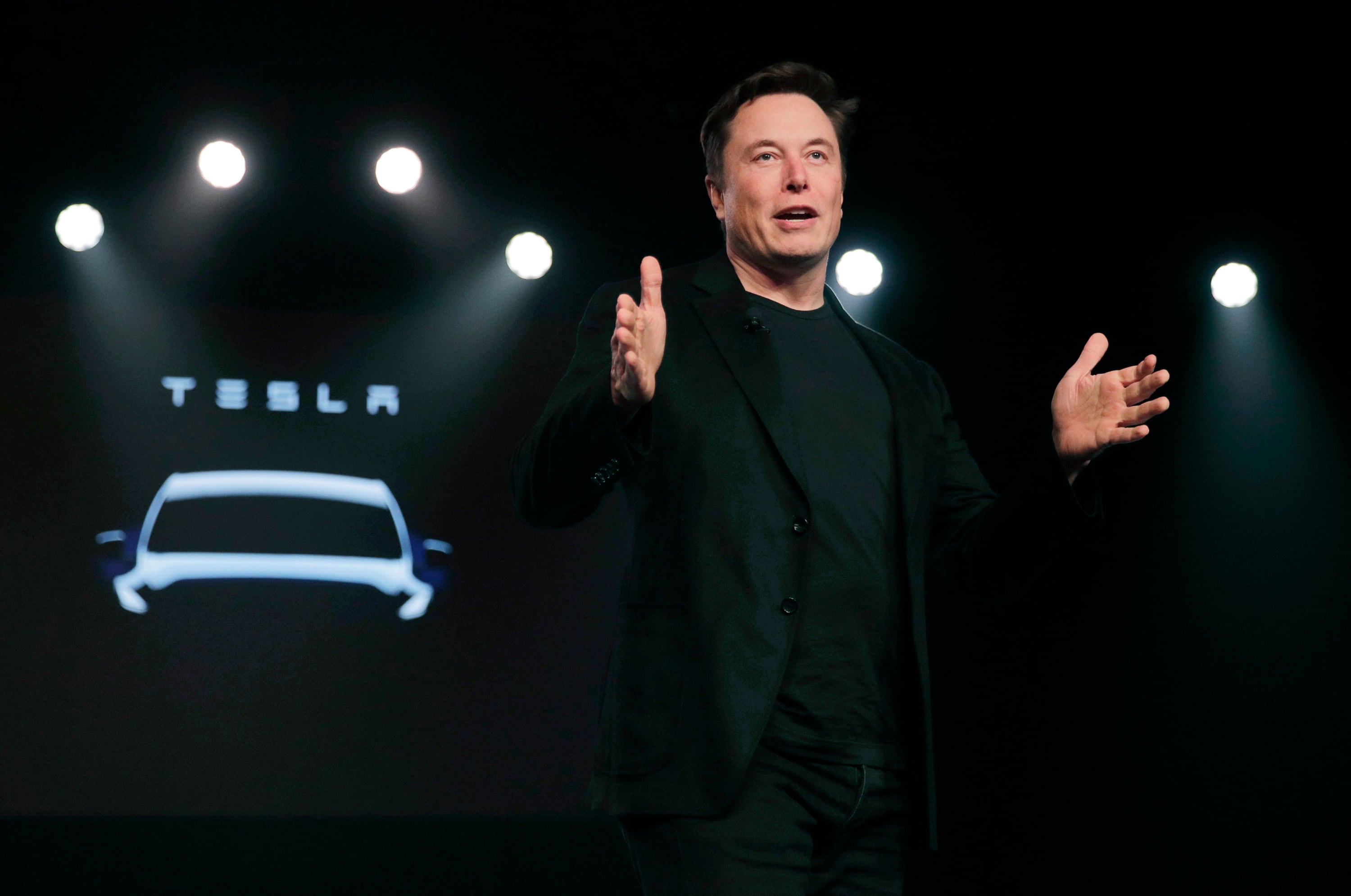
The State Department had been in talks with Elon Musk’s Tesla company to buy armored electric vehicles, but the plans have been put on hold by the Trump administration after reports emerged about a potential $400 million purchase. A State Department spokesperson said the electric car company owned by Musk was the only one that expressed interest back in May 2024. The deal with Tesla was only in its planning phases but it was forecast to be the largest contract of the year. It shows how some of his wealth has come and was still expected to come from taxpayers.
At 100 years old, the Goodyear Blimp is an ageless star in the sky. The 246-foot-long airship will be in the background of the Daytona 500 — flying roughly 1,500 feet above Daytona International Speedway, actually — to celebrate its greatest anniversary tour. Even though remote camera technologies are improving regularly and changing the landscape of aerial footage, the blimp continues to carve out a niche. At Daytona, with the usual 40-car field racing around a 2½-mile superspeedway, views from the blimp aptly provide the scope of the event.
You'll just have to wait for interest rates (and prices) to go down. Plus, this deal's a steel, the big carmaker wedding is off, and bribery is back, baby!
It’s a chicken-and-egg problem: Restaurants are struggling with record-high U.S. egg prices, but their omelets, scrambles and huevos rancheros may be part of the problem. Breakfast is booming at U.S. eateries. First Watch, a restaurant chain that serves breakfast, brunch and lunch, nearly quadrupled its locations over the past decade to 570. Fast-food chains like Starbucks and Wendy's added more egg-filled breakfast items. In normal times, egg producers could meet the demand. But a bird flu outbreak that has forced them to slaughter their flocks is making supplies scarcer and pushing up prices. Some restaurants like Waffle House have added a surcharge to offset their costs.
William Falcon, CEO and Founder of Lightning AI, discusses the ongoing feud between Elon Musk and Sam Altman, and how everyday people can use AI in their lives.
U.S. tariffs on steel and aluminum “will not go unanswered,” European Union chief Ursula von der Leyen vowed on Tuesday, adding that they will trigger toug
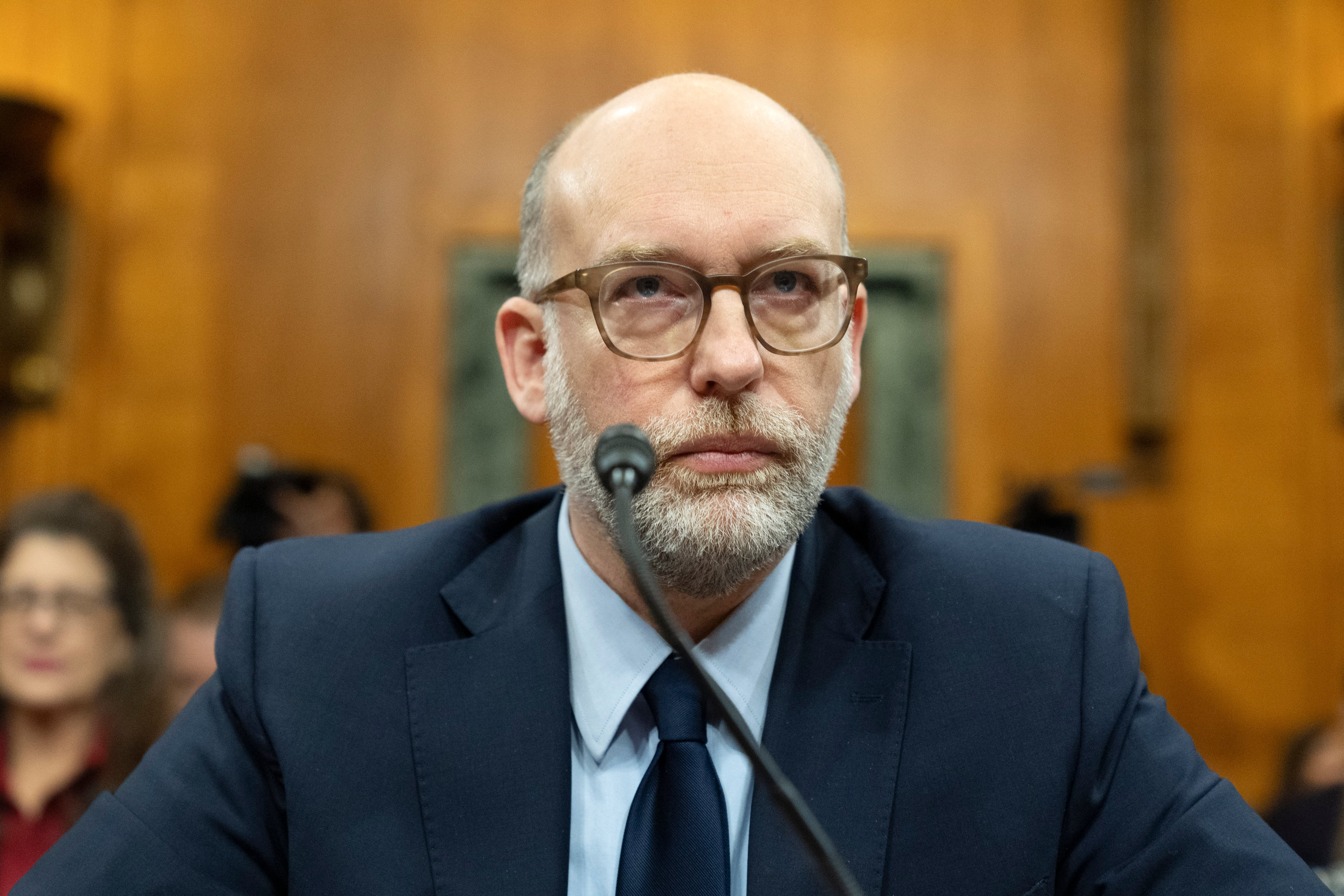
The Trump administration has ordered the Consumer Financial Protection Bureau to stop nearly all its work, effectively shutting down the agency that was created to protect consumers after the 2008 financial crisis and subprime mortgage-lending scandal. Russell Vought is the newly installed director of the Office of Management and Budget. Vought directed the CFPB in a Saturday night email to stop work on proposed rules, to suspend the effective dates on any rules that were finalized but not yet effective, and to stop investigative work and not begin any new investigations. The agency has been a target of conservatives since President Barack Obama created it following the 2007-2008 financial crisis.