Multiple U.S. owners of Hyundai's popular Ioniq 5 electric SUV have complained of completely or partially losing propulsive power, many after hearing a loud popping noise, the National Highway Traffic Safety Administration said Saturday.
Hyundai said it would offer a software update beginning next month and replace affected components if necessary.
The NHTSA said in a notice posted online that it received 30 complaints about the problem in 2022 models, of which it estimated 39,500 were on U.S. highways.
The Office of Defects Investigation at the NHTSA has opened a preliminary investigation and says Hyundai indicated in an initial review that a power surge was damaging transistors, preventing vehicles' 12-volt battery from recharging.
Hyundai spokesperson Ira Gabriel said the company was fully cooperating with the investigation and was launching a service campaign in July to update affected vehicles' software and, if necessary, replace the component involved. It's called an Integrated Control Charging Unit.
General Motors, Mercedes-Benz, Hyundai, Stellantis and Volkswagen have also issued recalls since February of 2020, most due to internal battery failures that can increase the risk of fires.
The U.S. National Transportation Safety Board also investigated a series of fires in Tesla vehicles and said the high-voltage lithium-ion batteries pose safety risks to first responders after crashes.
Many governments are counting on EVs to replace gasoline-burning vehicles that emit greenhouse gases that cause global warming.
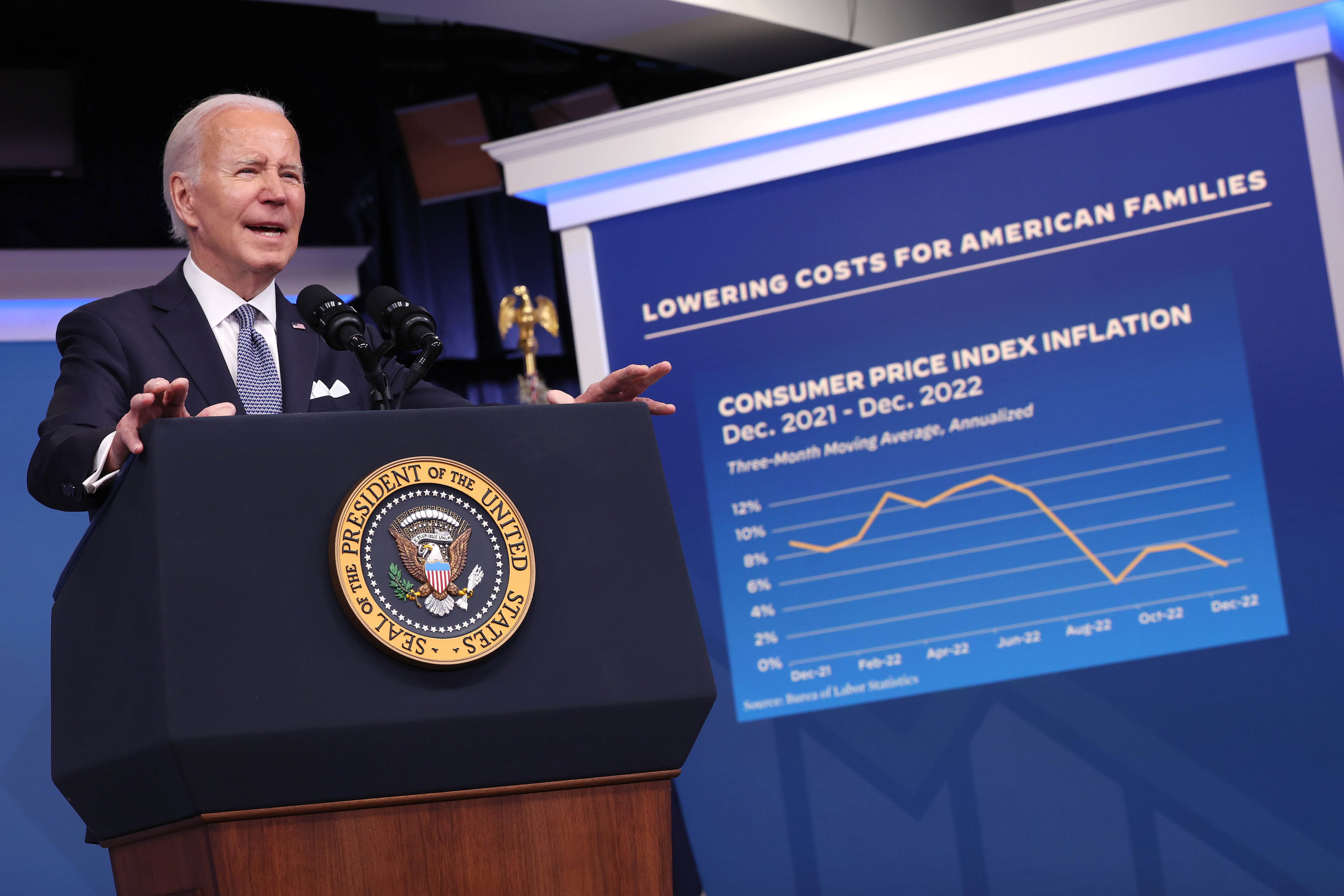
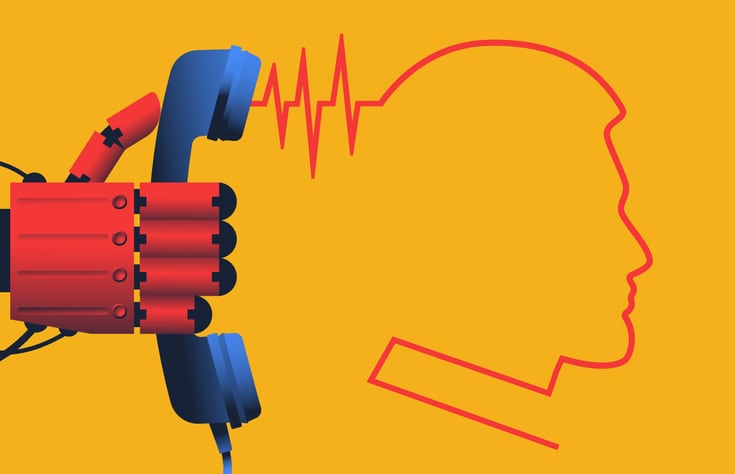
Whether it’s a deepfake video of actor Tom Cruise discovering gum in a lollipop or President Joe Biden discouraging people from voting via telephone, you’ve likely come across a deepfake video, photo or audio recording.
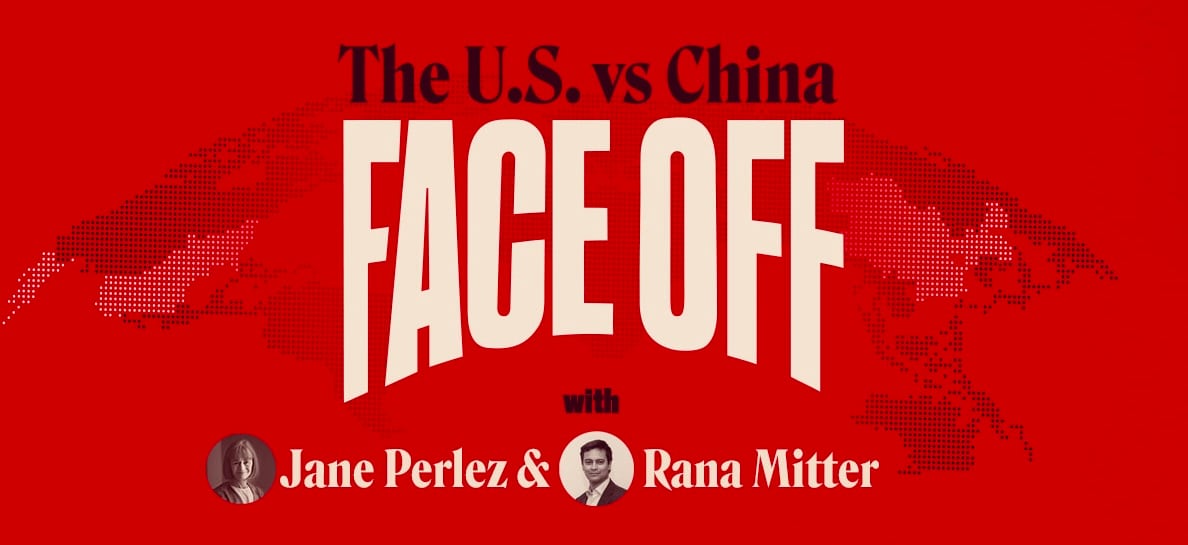
Tensions in the South China Sea, Apple moving to India, and banning TikTok? The podcast ‘Face Off: The U.S. Versus China’ helps explain how we got here.
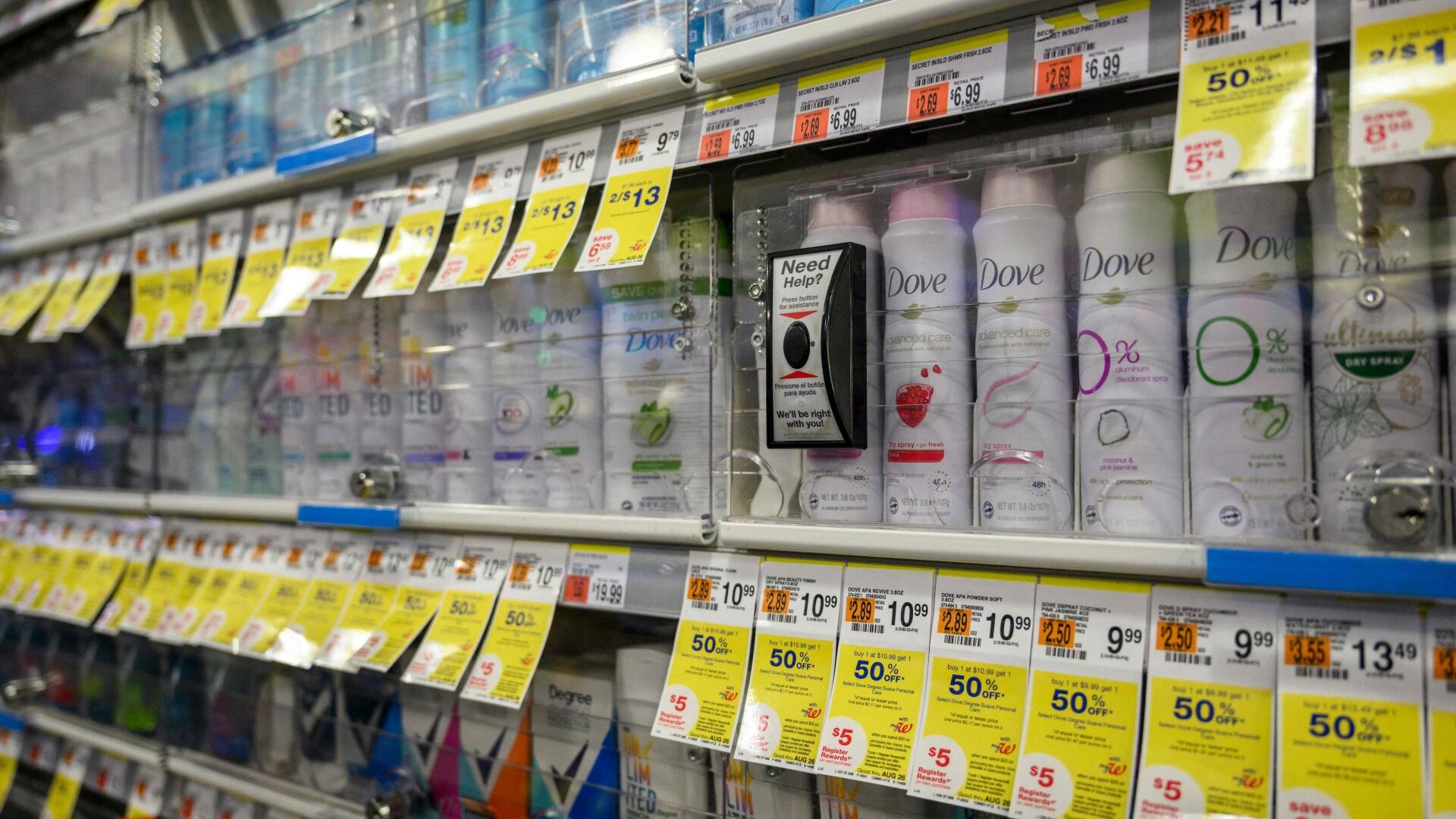
Cust2Mate is a leading innovator in retail technology, aiming to revolutionize the shopping experience. By implementing smart cart technology, the tech company addresses the issue of theft while enhancing the shopper's journey.
The Biden administration has unveiled a plan, Plan B, to address the student loan debt crisis. It offers to cancel up to $20,000 in interest for borrowers enrolled in income-driven repayment plans. This proposal aims to reset balances for those facing growing debt due to unpaid interest, benefiting low—and middle-income borrowers. An estimated 25 million borrowers are eligible for some form of interest forgiveness.
As we head into the second quarter, there’s an argument in favor of buying Boeing stock. Why? As one expert says, ‘there’s nowhere else to get planes.’
With inflation and prices still on the rise, it might be worth considering a carpool app. One of them, Singapore-based Ryde, just went public in the U.S.