The U.S. economy added 225,000 jobs in January, while unemployment ticked up to 3.6 percent, according to a report released today from the U.S. Bureau of Labor Statistics.
Despite the slight increase, the unemployment rate has held below 4 percent since 2018, leading to a tight job market and some of the lowest rates since the late 1960s.
That didn't stop a handful of sectors from hiring waves in January:
Health care added 36,000 jobs, including 23,000 in ambulatory health care, and 10,000 in hospitals.
Transportation and warehousing picked up 28,000 jobs, including 14,000 couriers and messengers and 6,000 warehouse workers.
Construction led the pack with 44,000 jobs focused on specialty contractors.
Leisure and hospitality were close behind with 36,000 jobs.
Manufacturing was down for the third time in four months, with a net loss of 12,000 jobs. Most of the losses came from auto plants, which were impacted by Trump's tariff regime and global trade disputes, shedding 11,000 jobs over the month.
Employment in retail, information, financial activities, government, and mining barely budged.
But workers did see marginal wage gains. Average hourly earnings for private, nonfarm employees rose 7 cents to $28.44 per hour, while earnings increased 3.1 percent over the year.
Some numbers were unchanged in January, including the 1.2 million unemployed who have been jobless for 27 weeks and the 4.2 million employed only part-time for economic reasons.
The number of reentrants to the labor force, which includes people who have previously worked but were not in the labor force prior to looking for a job, was 183,000.
Out of the 5.9 million unemployed people, the rates differ across subgroups. Adult men (3.3. percent unemployed) are ahead of adult women (3.2 percent) who are ahead of Hispanics (4.3 percent) who are ahead of blacks (6.0 percent). Teenagers stood at 12.2 percent.
A total of 574,000 people joined the workforce in January, with a participation rate of 63.4 percent. The total labor participation of U.S. adults was 61.2 percent, the highest since 2008.
Despite the strong job numbers, stock markets opened down across the board on Friday.
Wealthfront’s CFO Alan Iberman talks the $2.05B IPO and the major moment for robo banking as the company bets on AI, automation, and “self-driving money."
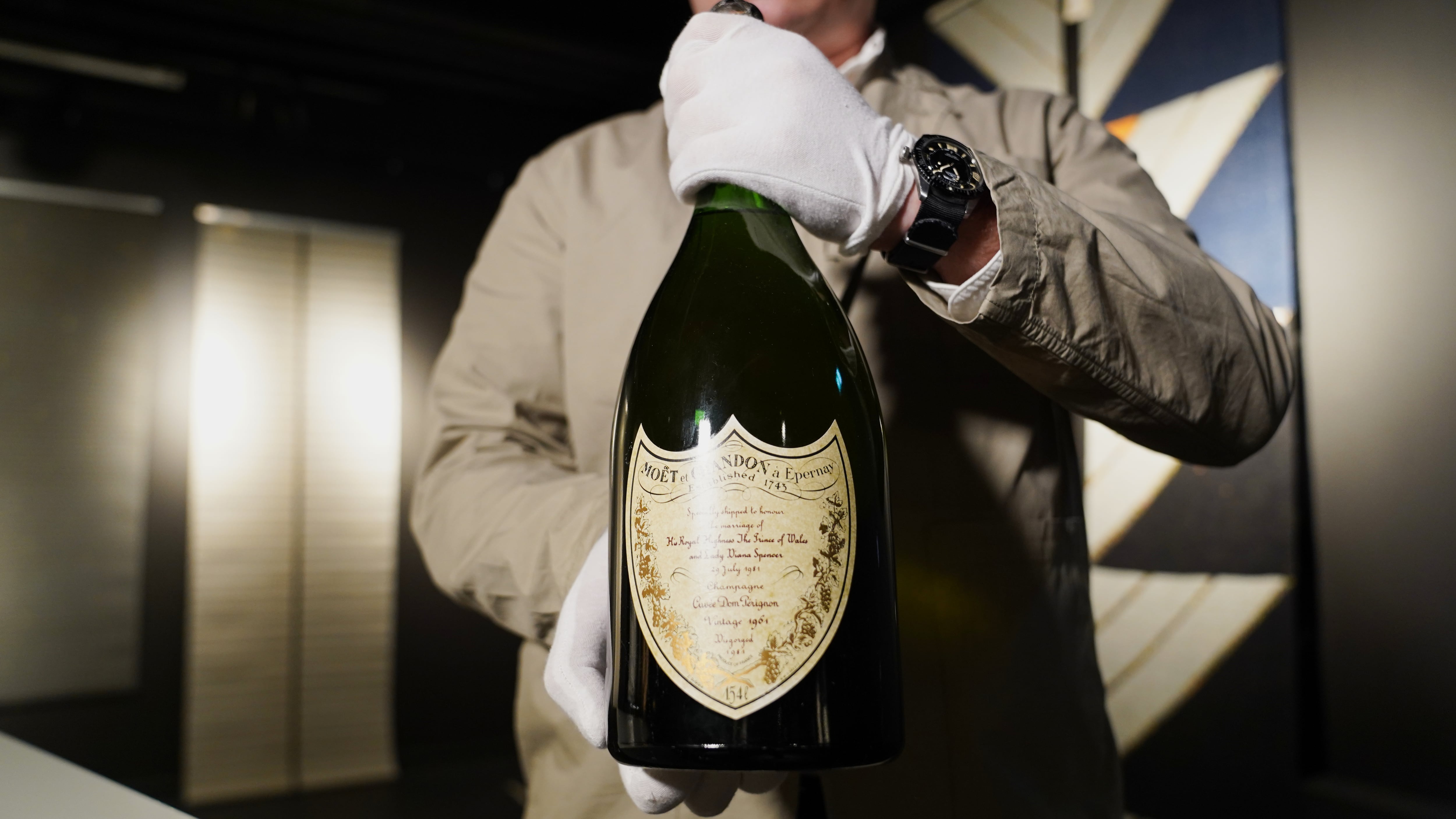
A rare magnum of Dom Pérignon Vintage 1961 champagne that was specially produced for the 1981 wedding of Prince Charles and Lady Diana has failed to sell during an auction. Danish auction house Bruun Rasmussen handled the bidding Thursday. The auction's house website lists the bottle as not sold. It was expected to fetch up to around $93,000. It is one of 12 bottles made to celebrate the royal wedding. Little was revealed about the seller. The auction house says the bids did not receive the desired minimum price.
The New York Times and President Donald Trump are fighting again. The news outlet said Wednesday it won't be deterred by Trump's “false and inflammatory language” from writing about the 79-year-old president's health. The Times has done a handful of stories on that topic recently, including an opinion column that said Trump is “starting to give President Joe Biden vibes.” In a Truth Social post, Trump said it might be treasonous for outlets like the Times to do “FAKE” reports about his health and "we should do something about it.” The Republican president already has a pending lawsuit against the newspaper for its past reports on his finances.
OpenAI has appointed Slack CEO Denise Dresser as its first chief of revenue. Dresser will oversee global revenue strategy and help businesses integrate AI into daily operations. OpenAI CEO Sam Altman recently emphasized improving ChatGPT, which now has over 800 million weekly users. Despite its success, OpenAI faces competition from companies like Google and concerns about profitability. The company earns money from premium ChatGPT subscriptions but hasn't ventured into advertising. Altman had recently announced delays in developing new products like AI agents and a personal assistant.
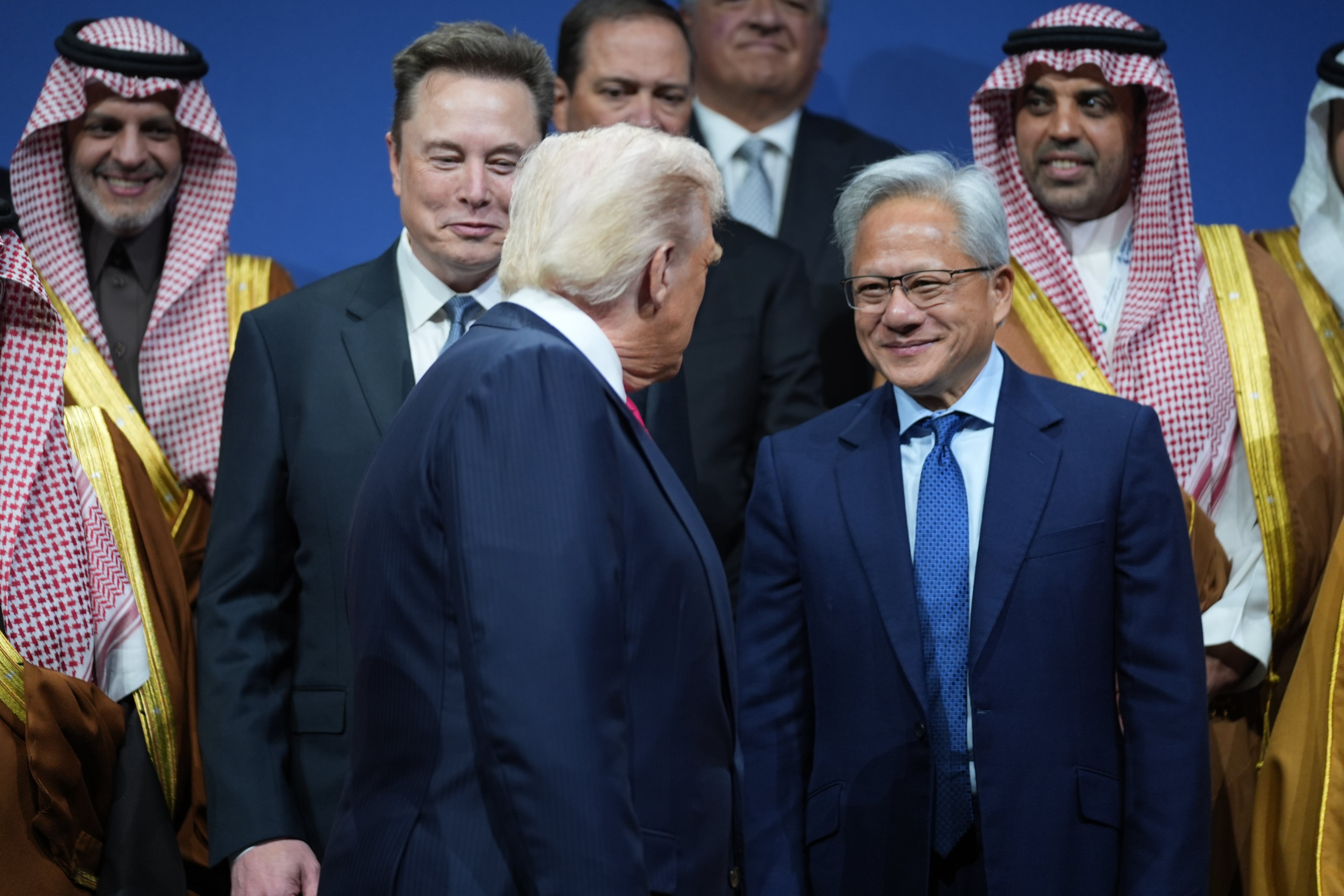
President Donald Trump says he will allow Nvidia to sell its H200 computer chip used in the development of artificial intelligence to “approved customers” in China. Trump said Monday on his social media site that he had informed China’s leader Xi Jinping and “President Xi responded positively!” There had been concerns about allowing advanced computer chips into China as it could help them to compete against the U.S. in building out AI capabilities. But there has also been a desire to develop the AI ecosystem with American companies such as chipmaker Nvidia.