The U.S. economy added 225,000 jobs in January, while unemployment ticked up to 3.6 percent, according to a report released today from the U.S. Bureau of Labor Statistics.
Despite the slight increase, the unemployment rate has held below 4 percent since 2018, leading to a tight job market and some of the lowest rates since the late 1960s.
That didn't stop a handful of sectors from hiring waves in January:
Health care added 36,000 jobs, including 23,000 in ambulatory health care, and 10,000 in hospitals.
Transportation and warehousing picked up 28,000 jobs, including 14,000 couriers and messengers and 6,000 warehouse workers.
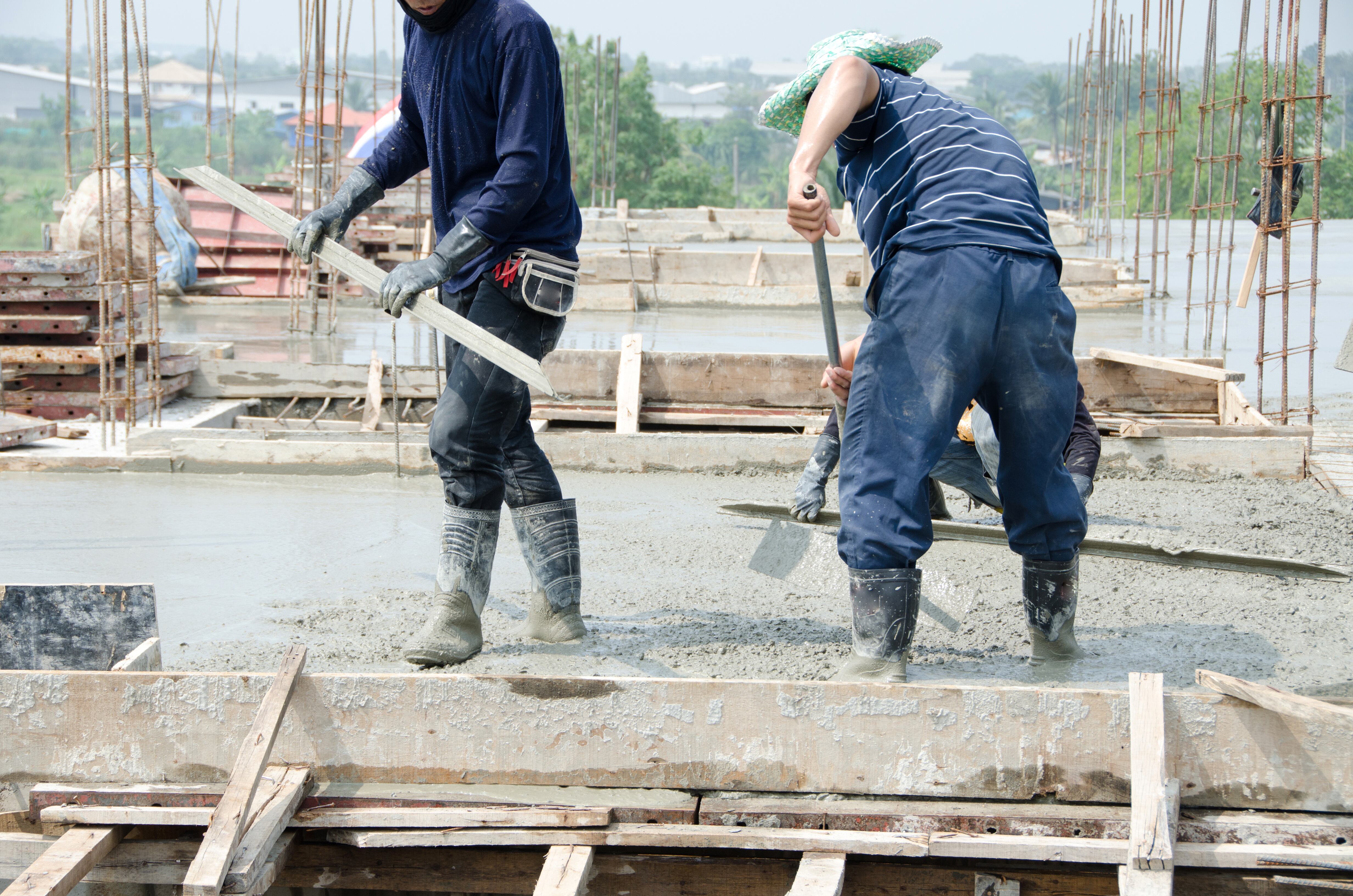
Construction led the pack with 44,000 jobs focused on specialty contractors.
Leisure and hospitality were close behind with 36,000 jobs.
Manufacturing was down for the third time in four months, with a net loss of 12,000 jobs. Most of the losses came from auto plants, which were impacted by Trump's tariff regime and global trade disputes, shedding 11,000 jobs over the month.
Employment in retail, information, financial activities, government, and mining barely budged.
But workers did see marginal wage gains. Average hourly earnings for private, nonfarm employees rose 7 cents to $28.44 per hour, while earnings increased 3.1 percent over the year.
Some numbers were unchanged in January, including the 1.2 million unemployed who have been jobless for 27 weeks and the 4.2 million employed only part-time for economic reasons.
The number of reentrants to the labor force, which includes people who have previously worked but were not in the labor force prior to looking for a job, was 183,000.
Out of the 5.9 million unemployed people, the rates differ across subgroups. Adult men (3.3. percent unemployed) are ahead of adult women (3.2 percent) who are ahead of Hispanics (4.3 percent) who are ahead of blacks (6.0 percent). Teenagers stood at 12.2 percent.
A total of 574,000 people joined the workforce in January, with a participation rate of 63.4 percent. The total labor participation of U.S. adults was 61.2 percent, the highest since 2008.
Despite the strong job numbers, stock markets opened down across the board on Friday.
Ford is recalling more than 355,000 of its pickup trucks across the U.S. because of an instrument panel display failure that’s resulted in critical information, like warning lights and vehicle speed, not showing up on the dashboard.
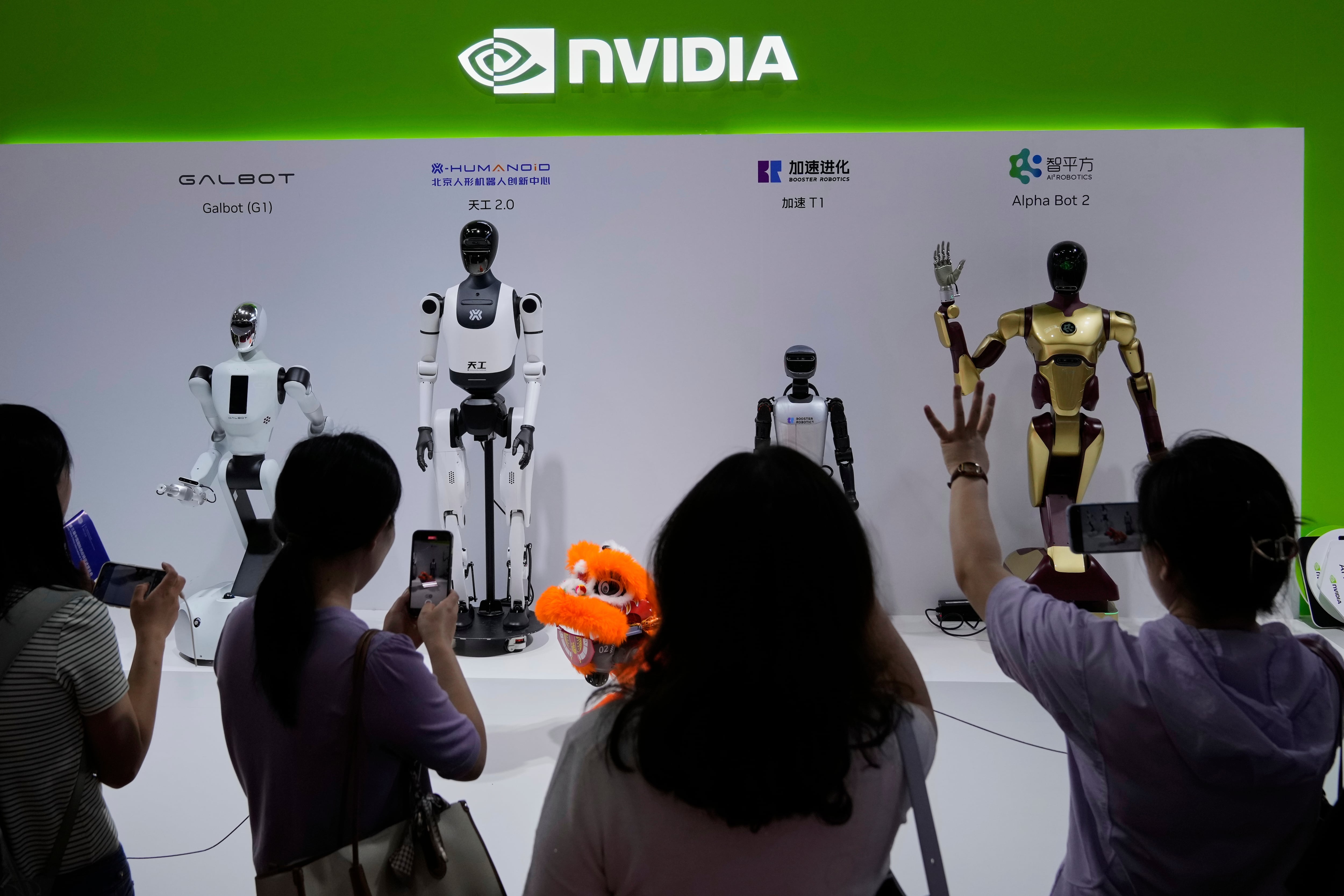
Nvidia reported a 56% increase in second-quarter revenue and a 59% rise in net income compared to a year ago.
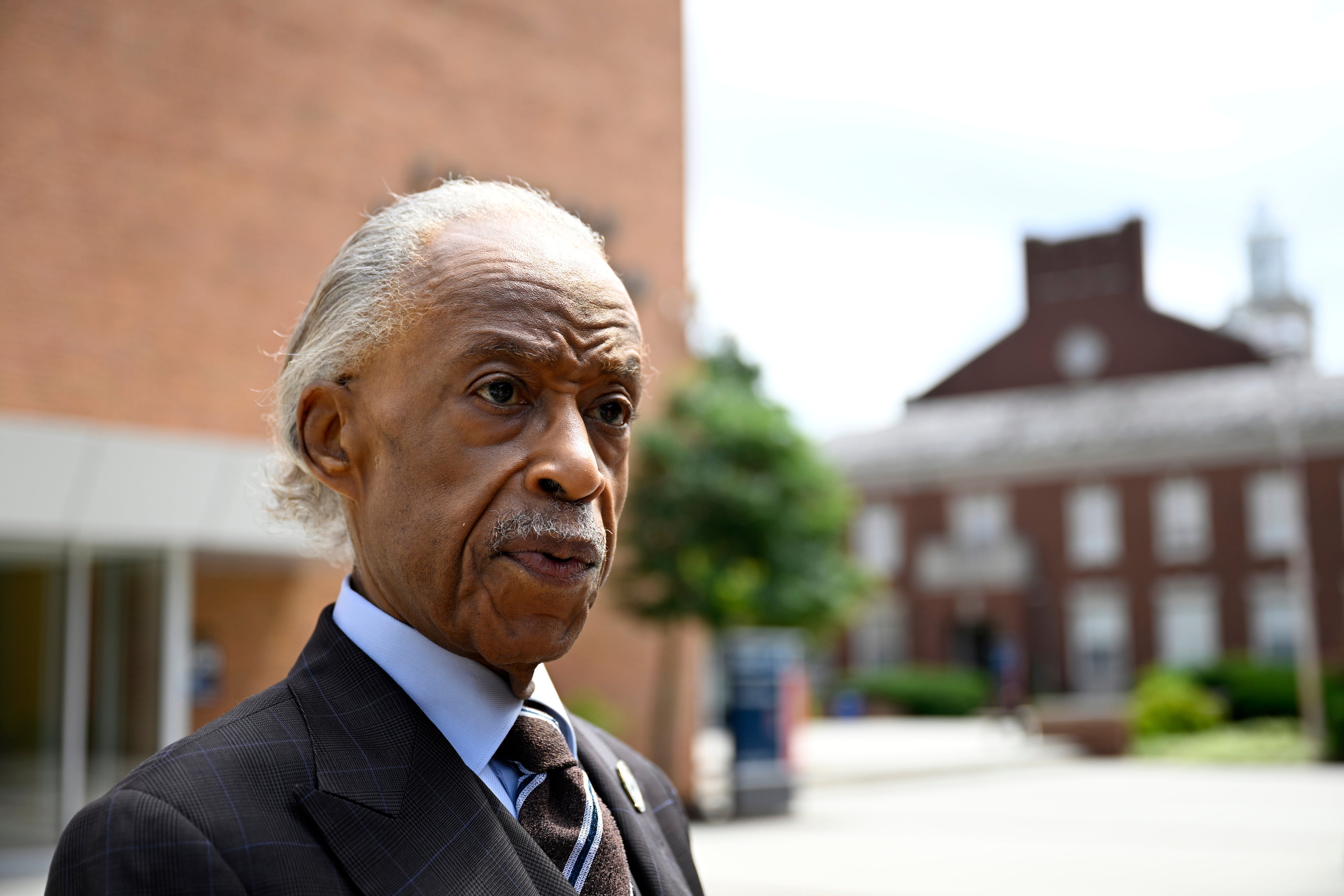
The Rev. Al Sharpton is set to lead a protest march on Wall Street to urge corporate America to resist the Trump administration’s campaign to roll back diversity, equity and inclusion initiatives. The New York civil rights leader will join clergy, labor and community leaders Thursday in a demonstration through Manhattan’s Financial District that’s timed with the anniversary of the Civil Rights-era March on Washington in 1963. Sharpton called DEI the “civil rights fight of our generation." He and other Black leaders have called for boycotting American retailers that scaled backed policies and programs aimed at bolstering diversity and reducing discrimination in their ranks.
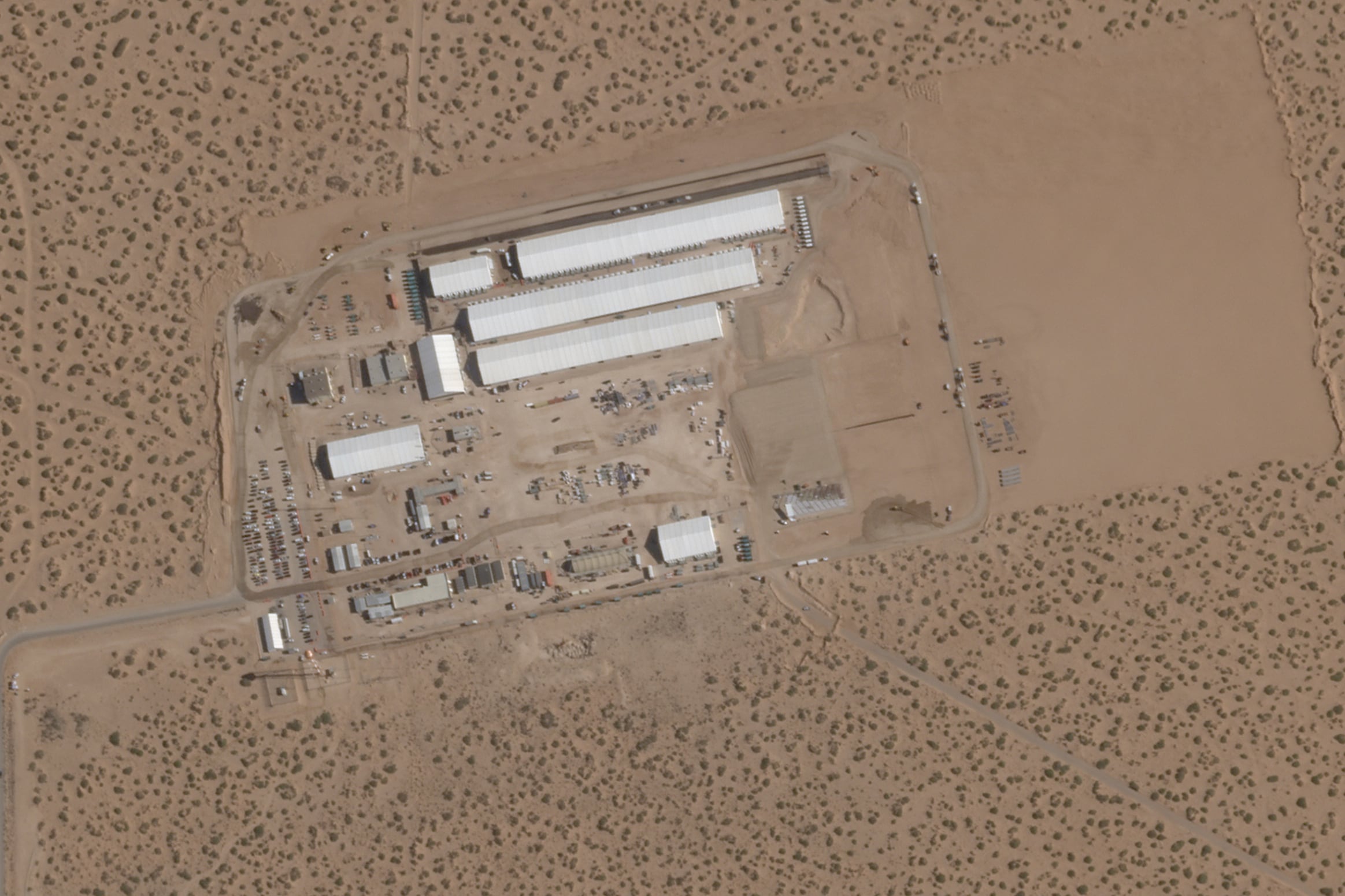
President Donald Trump's administration last month awarded a $1.2 billion contract to build and operate what's expected to become the nation’s largest immigration detention complex to a tiny Virginia firm with no experience running correction facilities.
Netflix CEO Ted Sarandos claims audiences don't want to watch Netflix movies in theaters, but that seems not to be the case recently.
Chipmaker Nvidia is poised to release a quarterly report that could provide a better sense of whether the stock market has been riding an overhyped artificial intelligence bubble or is being propelled by a technological boom that’s still gathering momentum.
Cracker Barrel said late Tuesday it’s returning to its old logo after critics — including President Donald Trump — protested the company’s plan to modernize.
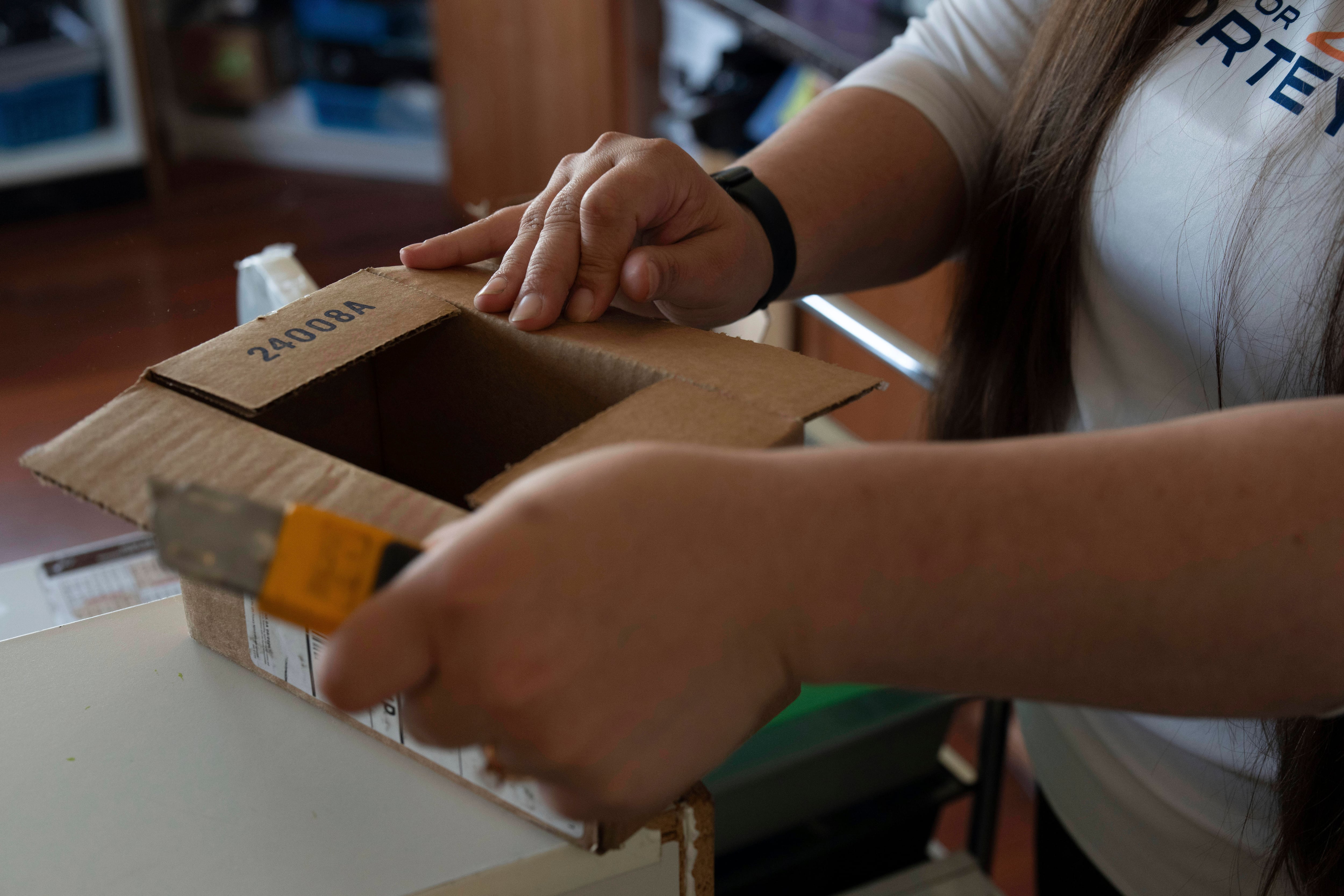
Low-value imports are losing their duty-free status in the U.S. this week as part of President Donald Trump's agenda for making the nation less dependent on foreign goods. A widely used customs exemption for international shipments worth $800 or less is set to end starting on Friday. Trump already ended the “de minimis” rule for inexpensive items sent from China and Hong Kong, but having to pay import taxes on small parcels from everywhere else likely will be a big change for some small businesses and online shoppers. Purchases that previously entered the U.S. without needing to clear customs will be subject to the origin country’s tariff rate, which can range from 10% to 50%.
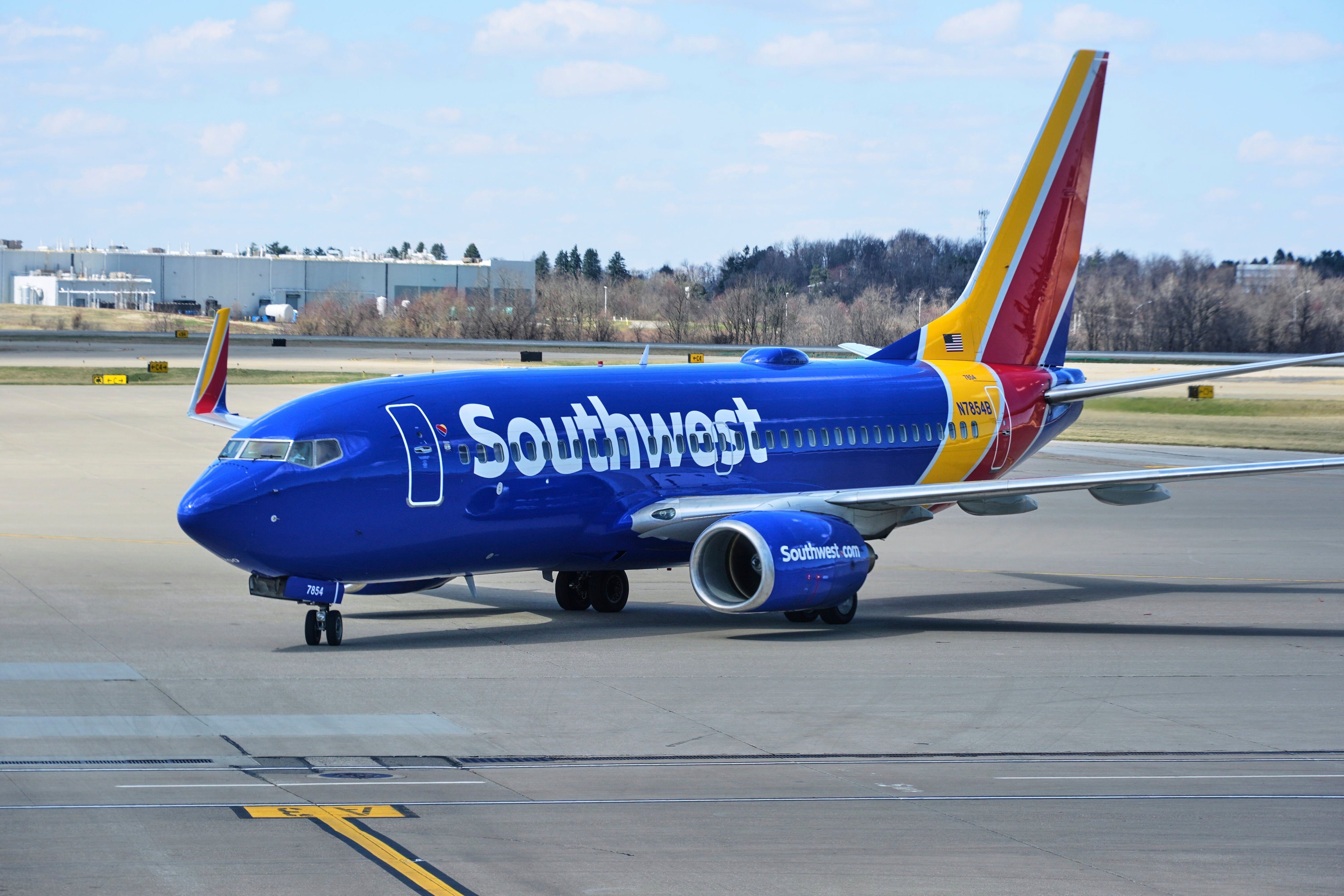
Southwest Airlines will soon require plus-size travelers to pay for an extra seat in advance if they can't fit within the armrests of one seat. This change is part of several updates the airline is making. The new rule starts on Jan. 27, the same day Southwest begins assigning seats. Currently, plus-size passengers can pay for an extra seat in advance and later get a refund, or request a free extra seat at the airport. Under the new policy, refunds are still possible but not guaranteed. Southwest said in a statement it is updating policies to prepare for assigned seating next year.
Cracker Barrel is sticking with its new logo. For now. But the chain is also apologizing to fans who were angered when the change was announced last week.