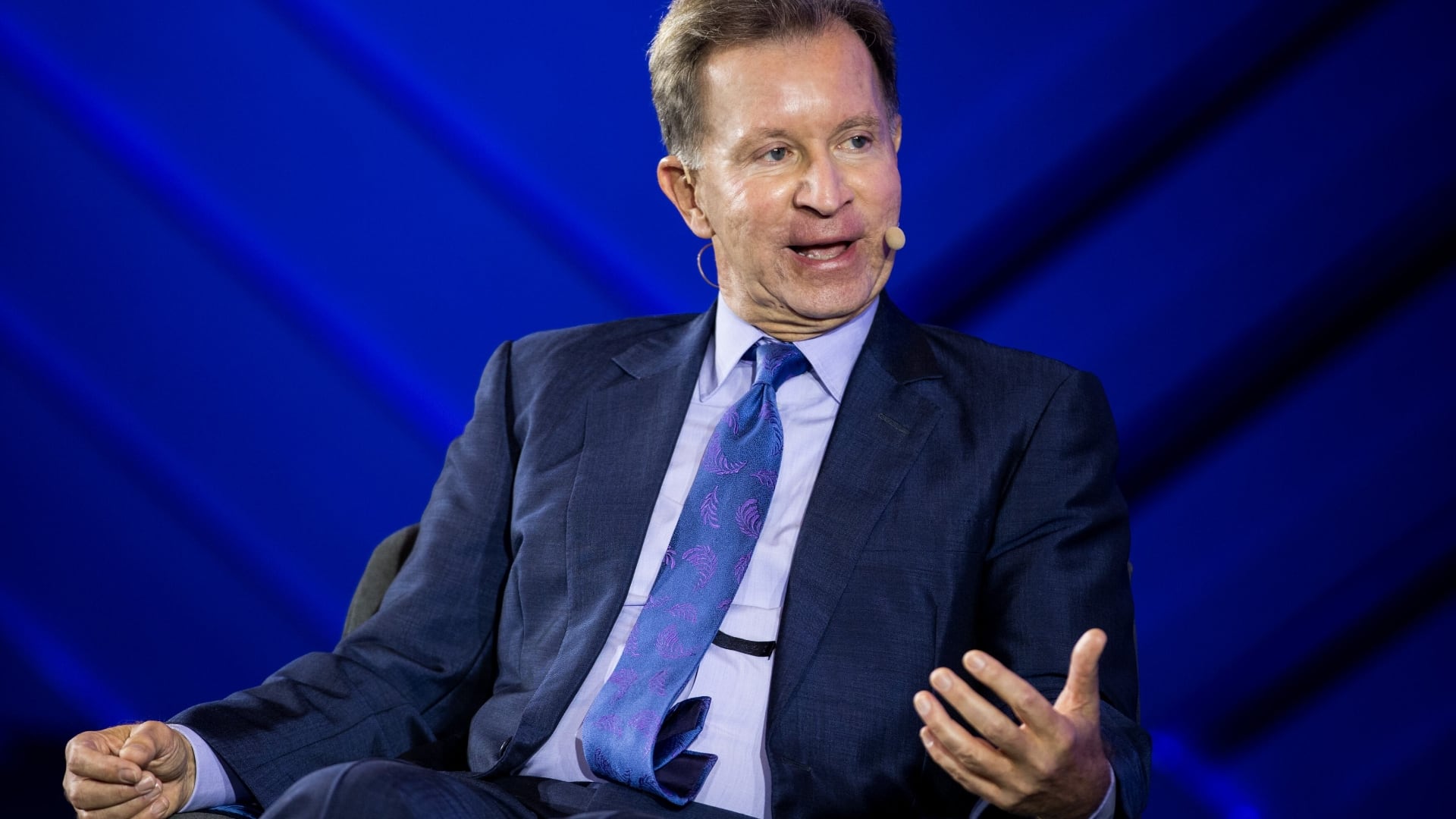
Garrett Lord, CEO and co-founder of Handshake, looks to help college students searching for their first big career opportunity to connect with employers around the country, but unlike LinkedIn, having an already-established network or a lengthy resume is not mandatory.
"LinkedIn is generally about a lot of your history. Handshake is a lot about your future," Lord said. "You can learn from peers, help network with young alumni, connect with companies, read about what other students are doing like you, and discover and find unique internships and jobs across the country."
Instead of a resume, students on the platform build a profile that has their classes, work experience, skills, and extracurriculars on campus. Handshake currently covers approximately 17 million job seekers, 1,000 colleges and universities, and 500,000 employers. However, the coronavirus pandemic created new problems in need of solving.
"Students were really struggling with remote internships being rescinded. So, we pivoted basically our entire company's roadmap to build a set of virtual solutions to support our network," Lord said. He discussed some of his company's initiatives, adding, "We tried to replace a lot of the intimate experiences that happen in-person on campus with virtual experiences like coffee chats, video interviews, info sessions, and a lot of digital replicas of what used to happen and transpire on campus."
Lord also noted that, in the current age of remote environments, he has noticed one major change in the recruiter-applicant relationship: instead of applicants doing more of the searching, recruiters are pursuing students.
"Companies are going proactive all year-round," he said. "We're seeing a lot of the large companies talk about an 'always on' talent engine, where they're talking to students all year-round — freshmen, sophomores, juniors — cultivating and building relationships."
The Handshake CEO then underscored the importance and pervasiveness of Handshake on today's campuses, stating that, "If you're a college student, Handshake is just a verb. Most students are getting messages from companies. It's a profile you need to have if you're looking to find your first internship or job."
Last week, Handshake announced it had raised $80 million in a Series D round of funding. In addition to expanding its reach — launching operations in the UK and working with institutions such as Cambridge — the startup says it is now connecting students to new-collar jobs. But what exactly is a new-collar job?
"If you look at a lot of workforce trends for a lot of these Fortune 500 companies, they're trying to find more data science talent, more technical talent, more IT talent. Professionals that have skills ready to enter the workplace, but look different than a Bachelor's degree," Lord said. As part of this latest development, Handshake announced it is meeting the needs of approximately six million students who are earning valued credentials from community colleges and boot camps.
Regardless of how college-aged students are earning their degrees or certifications, Lord explained that Handshake's ultimate goal remains the same, and hopes that the latest funding continues to help.
"What really fuels us is this mission of bringing more equality and helping college students graduate and find meaningful opportunities and jobs," he said.