Gun Buyers Shouldn't be Required to Share Social Media with Police, ACLU Says
*By Amanda Weston*
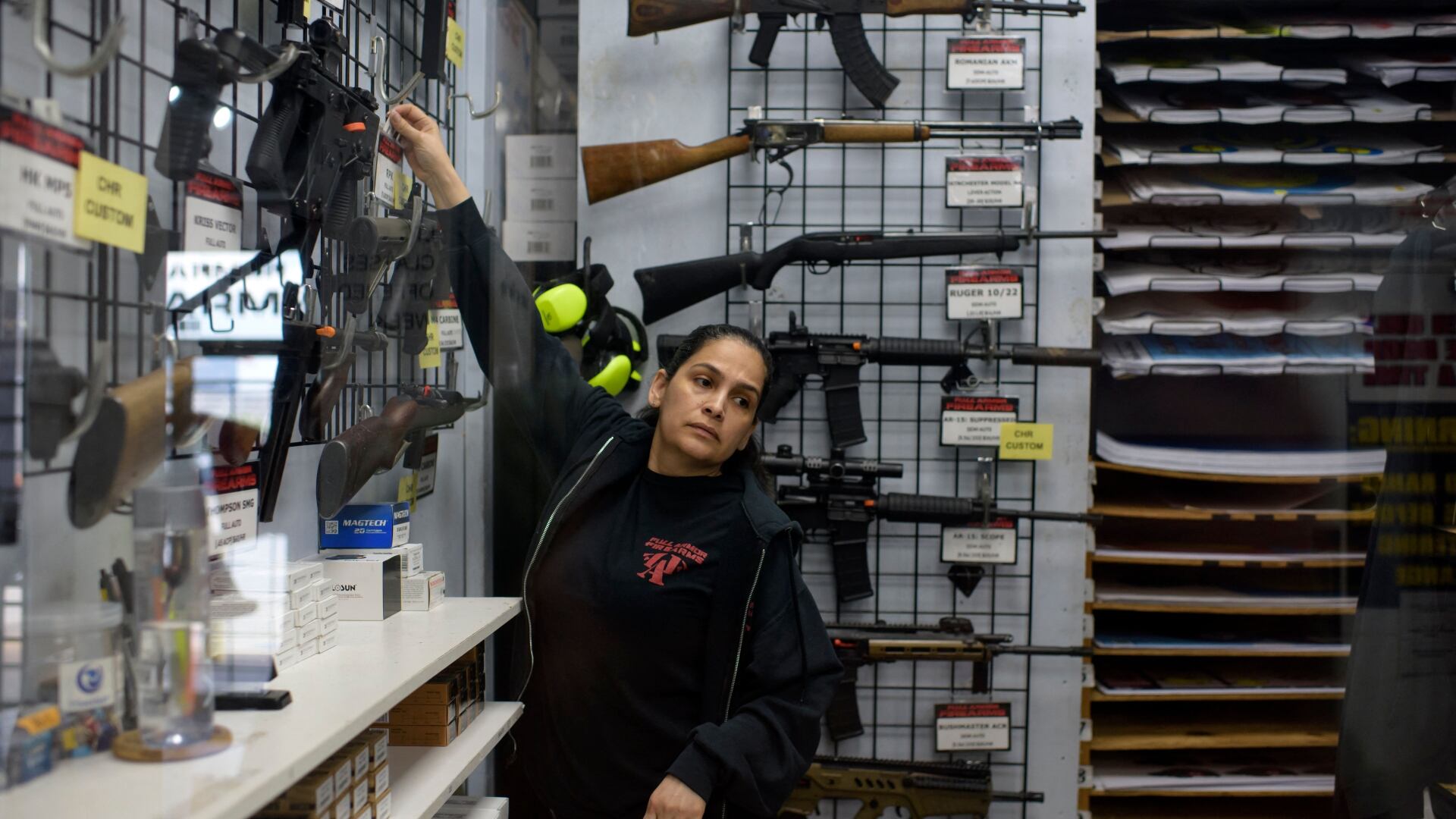
A new bill in Illinois would require potential gun buyers to reveal their public social media accounts to state police. The ACLU is now speaking out against the idea, citing privacy and bias concerns.
"The things that social media would show are one's political views, perhaps one's religion, and even in some instances someone's race," Edwin Yohnka, director of communications and public policy at ACLU of Illinois, told Cheddar.
"And you know, how are those things then going to factor into that decision about whether or not to let someone purchase a firearm? It's just not something that really provides additional information that's useful, and at the same time provides an invasion into someone's personal beliefs that just isn't required for this purpose."
Yohnka said social media typically doesn't reveal more relevant information ー like a potential buyer's arrest record or whether there are restraining orders against that person.
The bill from Illinois State Rep. Daniel Didech comes just before the one-year anniversary of the fatal shooting at Marjory Stoneman Douglas High School in Parkland, Fla. After the attack, [disturbing posts](https://www.cnn.com/2018/02/14/us/nikolas-cruz-florida-shooting-suspect/index.html) on the accused shooter's social media came to light.
“A lot of people who are having mental health issues will often post on their social media pages that they’re about to hurt themselves or others,” the Illinois Democrat told [CBS Chicago](https://chicago.cbslocal.com/2019/02/06/gun-law-bill-social-media-illinois-background-foid/). “We need to give those people the help they need.”
But Yohnka pointed to the state's ["red flag" law](http://www.ilga.gov/legislation/fulltext.asp?DocName=&SessionId=91&GA=100&DocTypeId=HB&DocNum=2354&GAID=14&LegID=102977&SpecSess=&Session=), under which family members, law enforcement, and roommates can petition a judge to allow authorities to temporarily take guns away from those who are found to pose a danger to themselves or others.
"There is a vehicle and a mechanism for protecting the public in that particular case, as opposed to this general sort of sweeping thing of looking through everybody's data," Yohnka said.
For full interview [click here](https://cheddar.com/videos/aclu-concerned-about-illinois-bill-requiring-potential-gun-owners-to-reveal-social-media-to-police).
Cheddar Politics takes a deeper look at the takeaways from the Georgia primary elections on Tuesday. Georgia Public Broadcasting's local and state politics reporter, Stephen Fowler, joins us to discuss the limits of Trump endorsements and break down what the outcome in each race means.
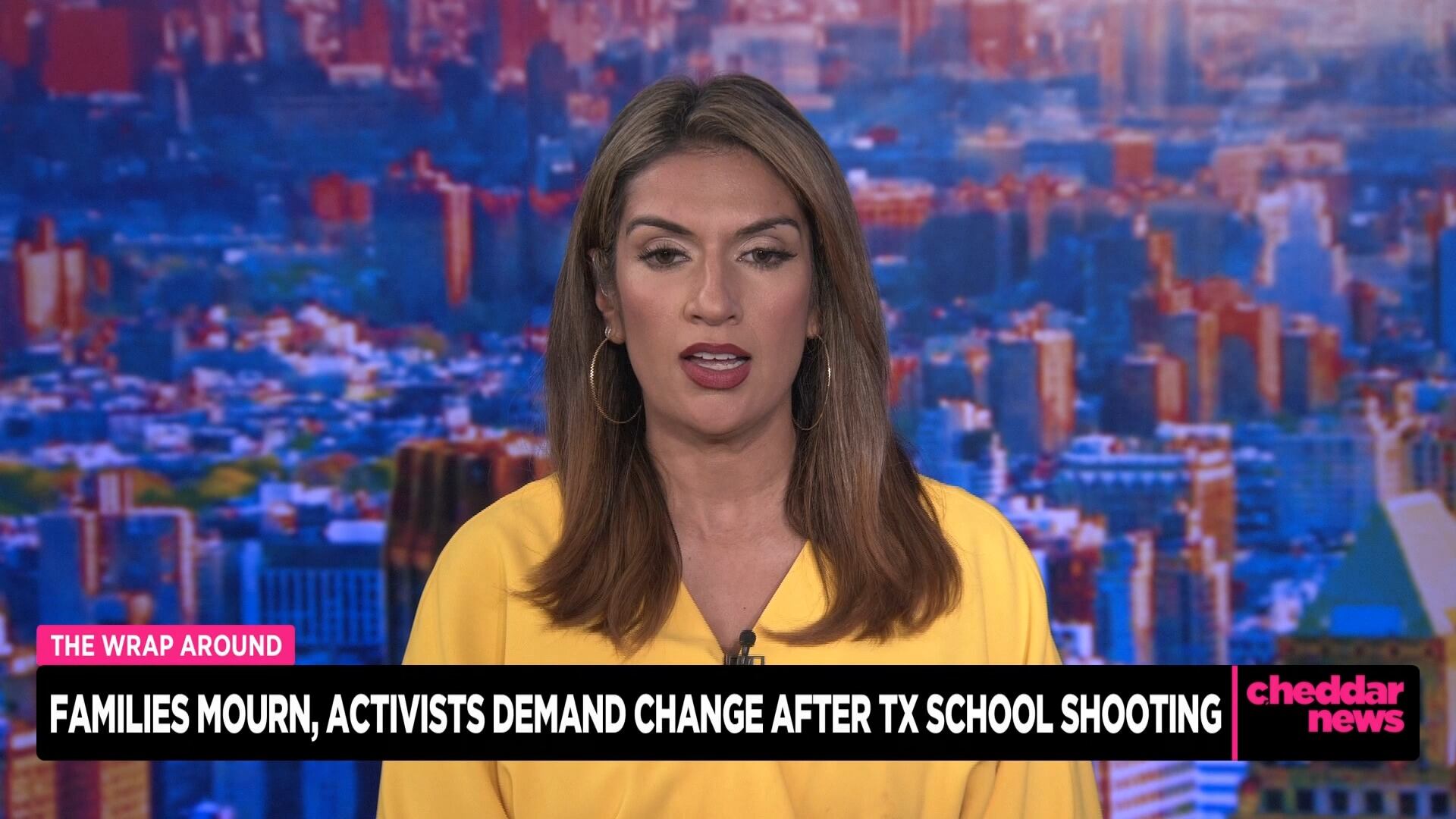
After learning that the suspect in the Uvalde school shooting posted about his intentions on Facebook, activists are urging social networks to make changes. Lena Derhally, a licensed psychotherapist and author of "The Facebook Narcissist," joined Cheddar News to discuss the role social media plays in school shootings. "They're not really invested in taking down hateful content," she said about social platforms."In regards to the shooting, it was 15 minutes before that actual threat. It would be pretty hard for a social media company to trace that threat that quickly. But what they can do better is take down threats and hateful content much faster and more than they're doing now."
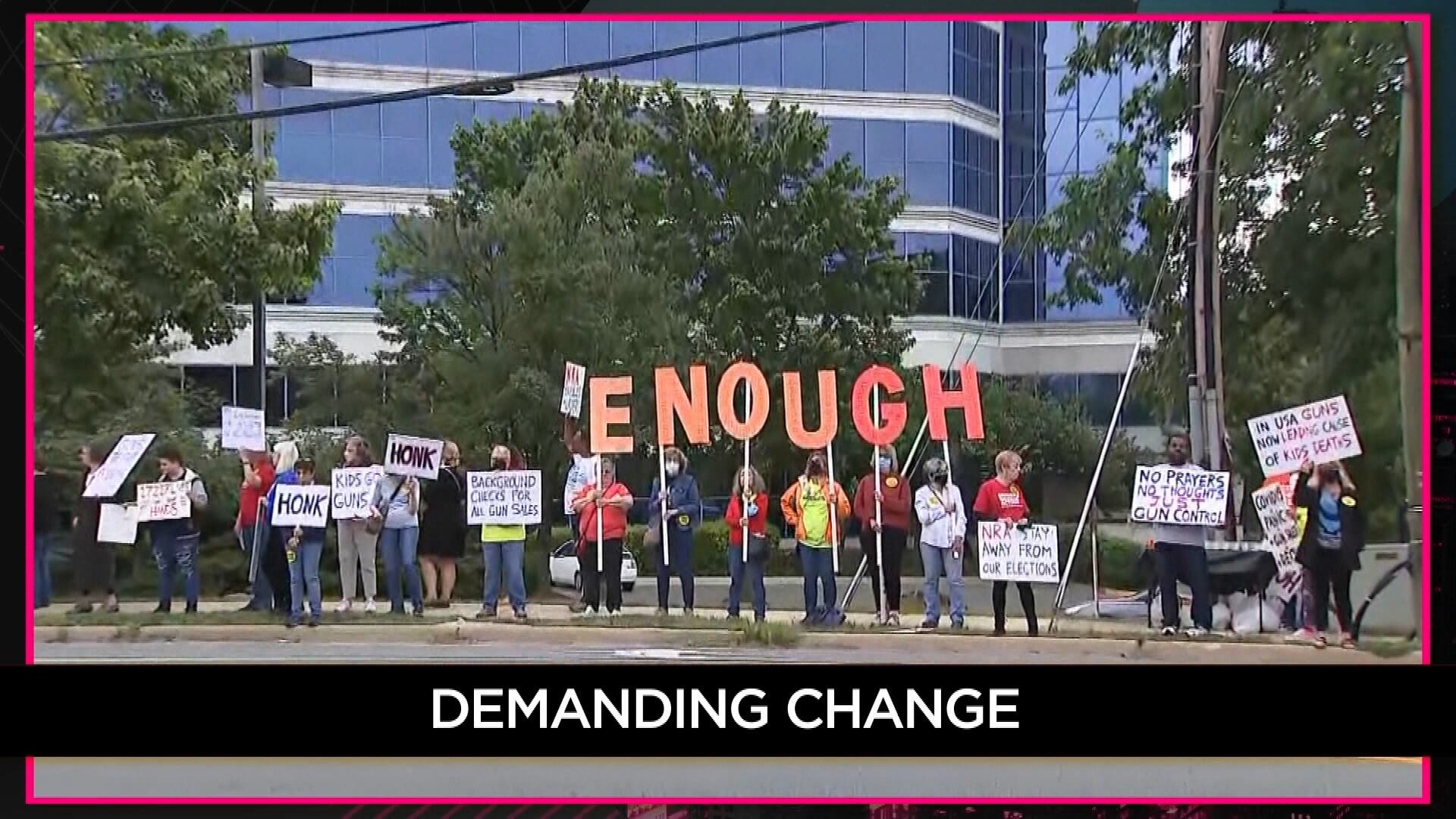
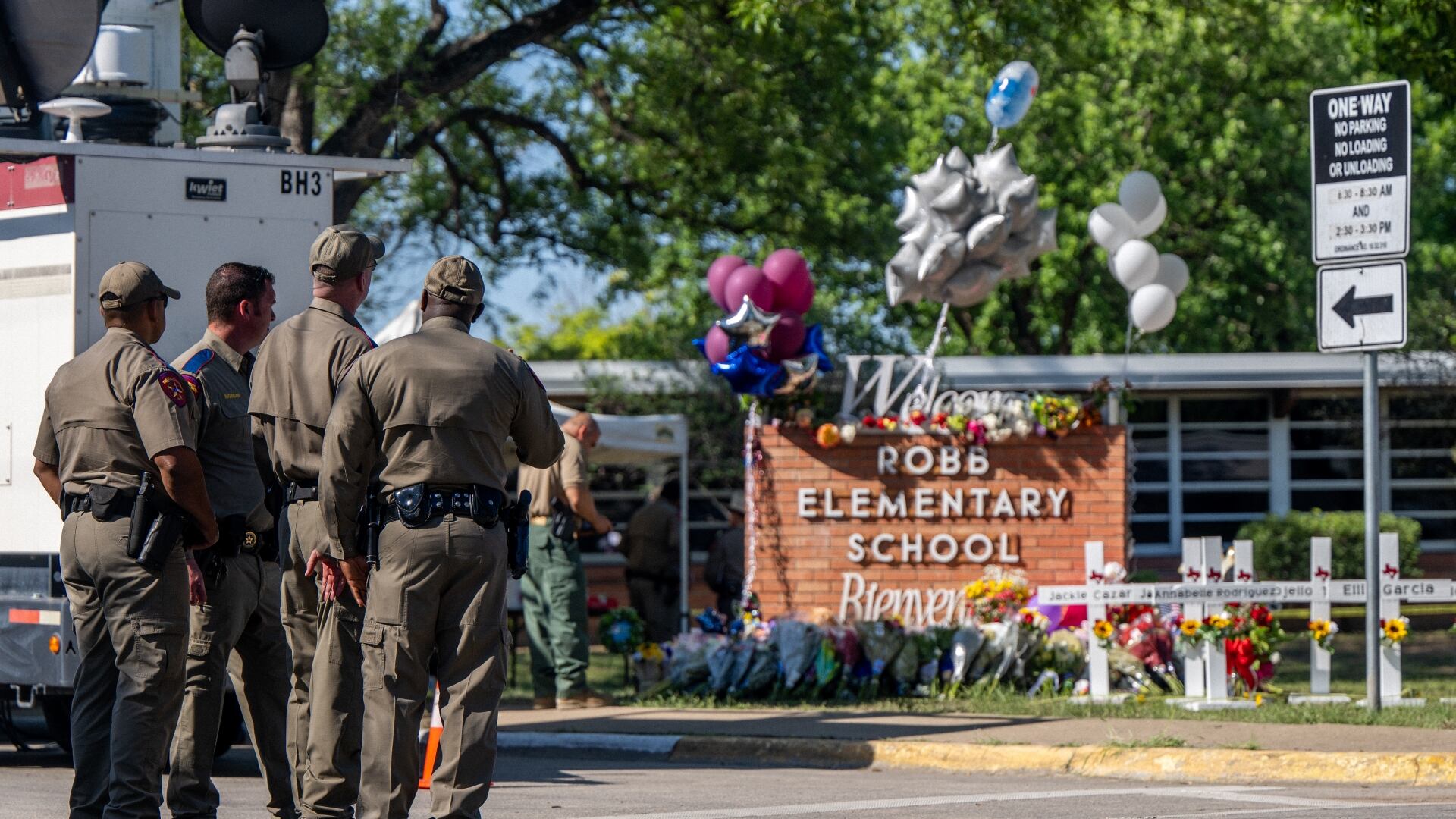
Following the mass shooting at the Robb Elementary School in Uvalde, Texas, that left 19 children and two adults dead, the debate over gun control has been reignited. While studies have shows most Americans agree on some additional regulations, there hasn't been much legislative traction even as gun violence worsens in the country. Brian Lemek, the executive director of Defend The Vote and the former executive director at Brady PAC for gun control, joined Cheddar to discuss reform efforts. "The lawmakers that we have aren't passing these at the federal level," he said. "That's the problem. We have the wrong people in charge."
The crypto industry is still reeling from Terra's recent crash. The company's blockchain was temporarily halted earlier this month after the collapse of its cryptocurrency Luna (LUNA) and its stablecoin TerraUSD (UST), which led to almost $45 billion being wiped from the tokens' market caps within a week. Now, many are left wondering what Terra's struggles mean for the broader crypto market. Reeve Collins, CEO of the NFT platform BLOCKv, joins Cheddar News' Closing Bell from Davos 2022 to discuss.
The average city in California has a 38% higher cost of living than the average American city, according to a cost of living index. For many, the general minimum wage of $15/hour just doesn't cut it. Anti-poverty activist Joe Sanberg wants to get the minimum wage changed to $18/hour. He joins Cheddar News to discuss the Living Wage Act of 2022.