Facebook CEO Mark Zuckerberg’s public statement on Cambridge Analytica overwhelmingly failed to quell concerns, said Ina Fried, Chief Technology Correspondent at Axios.
“[The company] did a good job of hitting their talking points and they were very consistent,” Fried told Cheddar. “But I don’t think that’s the real measure...There’s a lot still to be answered.
“People want to know what are they doing now for the threats that they’re facing. We’re still waiting to see if are they capable of stopping things like misinformation and election fraud.”
After five days of silence, Zuckerberg gave interviews with four media outlets on Wednesday. The key takeaways included an explicit apology, his willingness to testify in front of Congress, and his openness to regulations on ads on Facebook.
The public mea culpa stems from revelations last week that a data company, Cambridge Analytica, had used Facebook to harvest information on tens of millions of Americans without their permission. That data was then packaged into personality profiles and sold to President Trump’s campaign team during the 2016 election.
In an effort to build back trust with users, Zuckerberg also posted a statement on his Facebook profile with a detailed timeline of what happened and a few changes to privacy and data policies, including an audit of thousands of apps on its platform.
But that isn’t enough, said Alex Shepard, staff writer at The New Republic.
“They would need to open themselves up to an external audit...to look at how these groups and apps are using their data, and they’re not going to do that.”
The apology didn’t do well with investors either. Facebook stock dipped nearly another three percent Thursday, continuing the stocks worst week in years.
Meanwhile in D.C., lawmakers continued to push for Zuckerberg to testify before Congress.
“The notion that these large platforms that have such dominance in the marketplace are going to police themselves and respect the privacy interests of the American people has clearly not worked,” Rep. David Cicilline (D-RI) told Cheddar Thursday.
For the full interview, [click here](https://cheddar.com/videos/mark-zuckerberg-tries-to-smooth-things-over-with-billions-of-friends).
Stephen Kates, Financial Analyst at Bankrate, joins to discuss the Fed’s 25-basis-point rate cut, inflation risks, and what it all means for consumers and marke
Big tech earnings take center stage as investors digest results from Alphabet, Meta, Microsoft, Amazon, and Apple, with insights from Gil Luria of D.A. Davidson
Disney content has gone dark on YouTube TV, leaving subscribers of the Google-owned live streaming platform without access to major networks like ESPN and ABC. That’s because the companies have failed to reach a new licensing deal to keep Disney channels on YouTube TV. Depending on how long it lasts, the dispute could particularly impact coverage of U.S. college football matchups over the weekend — on top of other news and entertainment disruptions that have already arrived. In the meantime, YouTube TV subscribers who want to watch Disney channels could have little choice other than turning to the company’s own platforms, which come with their own price tags.
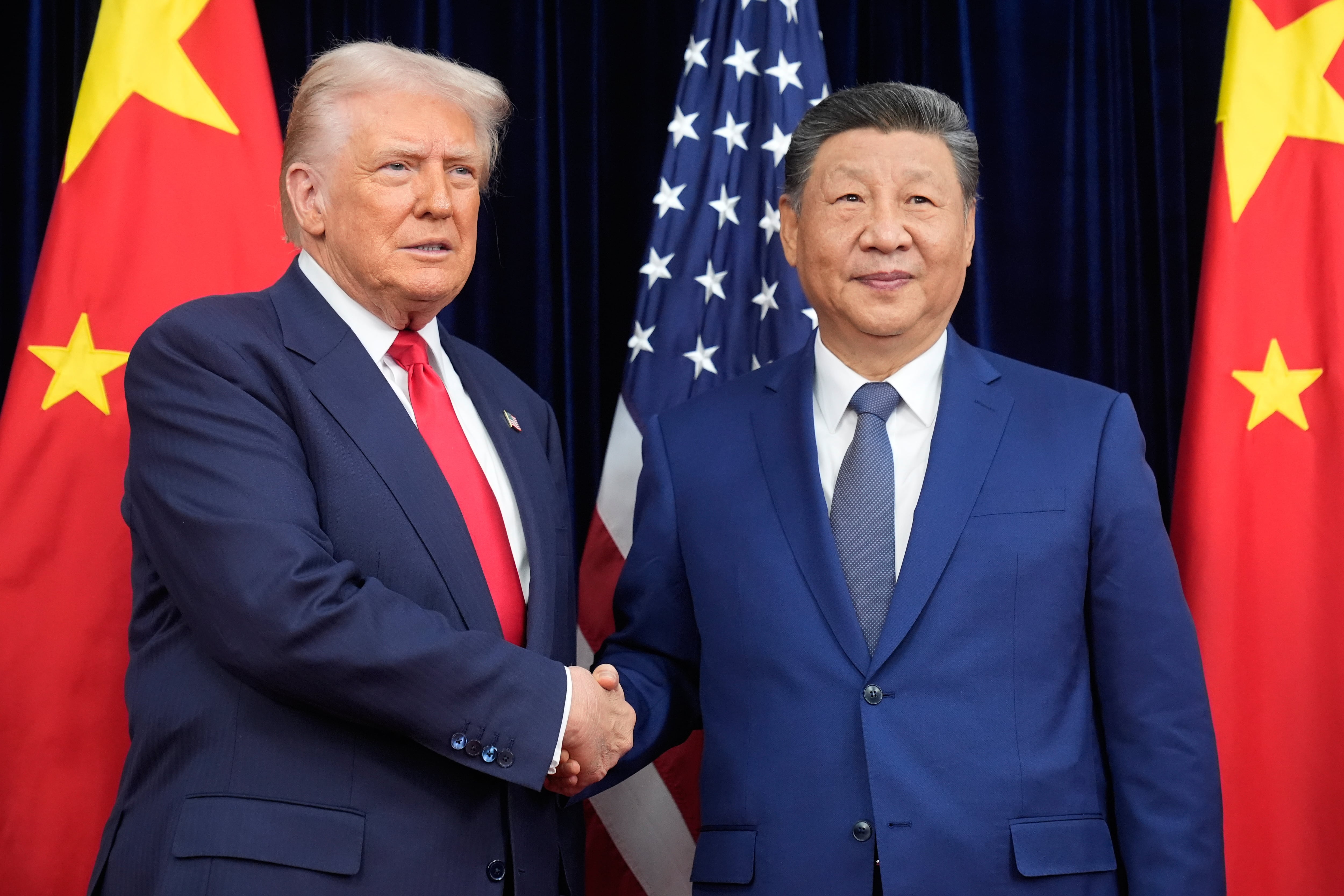
President Donald Trump said he has decided to lower his combined tariff rates on imports of Chinese goods to 47% after talks with Chinese leader Xi Jinping on curbing fentanyl trafficking.
Universal Music Group and AI platform Udio have settled a copyright lawsuit and will collaborate on a new music creation and streaming platform. The companies announced on Wednesday that they reached a compensatory legal settlement and new licensing agreements. These agreements aim to provide more revenue opportunities for Universal's artists and songwriters. The rise of AI song generation tools like Udio has disrupted the music streaming industry, leading to accusations from record labels. This deal marks the first since Universal and others sued Udio and Suno last year. Financial terms of the settlement weren't disclosed.