Facebook CEO Mark Zuckerberg’s public statement on Cambridge Analytica overwhelmingly failed to quell concerns, said Ina Fried, Chief Technology Correspondent at Axios.
“[The company] did a good job of hitting their talking points and they were very consistent,” Fried told Cheddar. “But I don’t think that’s the real measure...There’s a lot still to be answered.
“People want to know what are they doing now for the threats that they’re facing. We’re still waiting to see if are they capable of stopping things like misinformation and election fraud.”
After five days of silence, Zuckerberg gave interviews with four media outlets on Wednesday. The key takeaways included an explicit apology, his willingness to testify in front of Congress, and his openness to regulations on ads on Facebook.
The public mea culpa stems from revelations last week that a data company, Cambridge Analytica, had used Facebook to harvest information on tens of millions of Americans without their permission. That data was then packaged into personality profiles and sold to President Trump’s campaign team during the 2016 election.
In an effort to build back trust with users, Zuckerberg also posted a statement on his Facebook profile with a detailed timeline of what happened and a few changes to privacy and data policies, including an audit of thousands of apps on its platform.
But that isn’t enough, said Alex Shepard, staff writer at The New Republic.
“They would need to open themselves up to an external audit...to look at how these groups and apps are using their data, and they’re not going to do that.”
The apology didn’t do well with investors either. Facebook stock dipped nearly another three percent Thursday, continuing the stocks worst week in years.
Meanwhile in D.C., lawmakers continued to push for Zuckerberg to testify before Congress.
“The notion that these large platforms that have such dominance in the marketplace are going to police themselves and respect the privacy interests of the American people has clearly not worked,” Rep. David Cicilline (D-RI) told Cheddar Thursday.
For the full interview, [click here](https://cheddar.com/videos/mark-zuckerberg-tries-to-smooth-things-over-with-billions-of-friends).
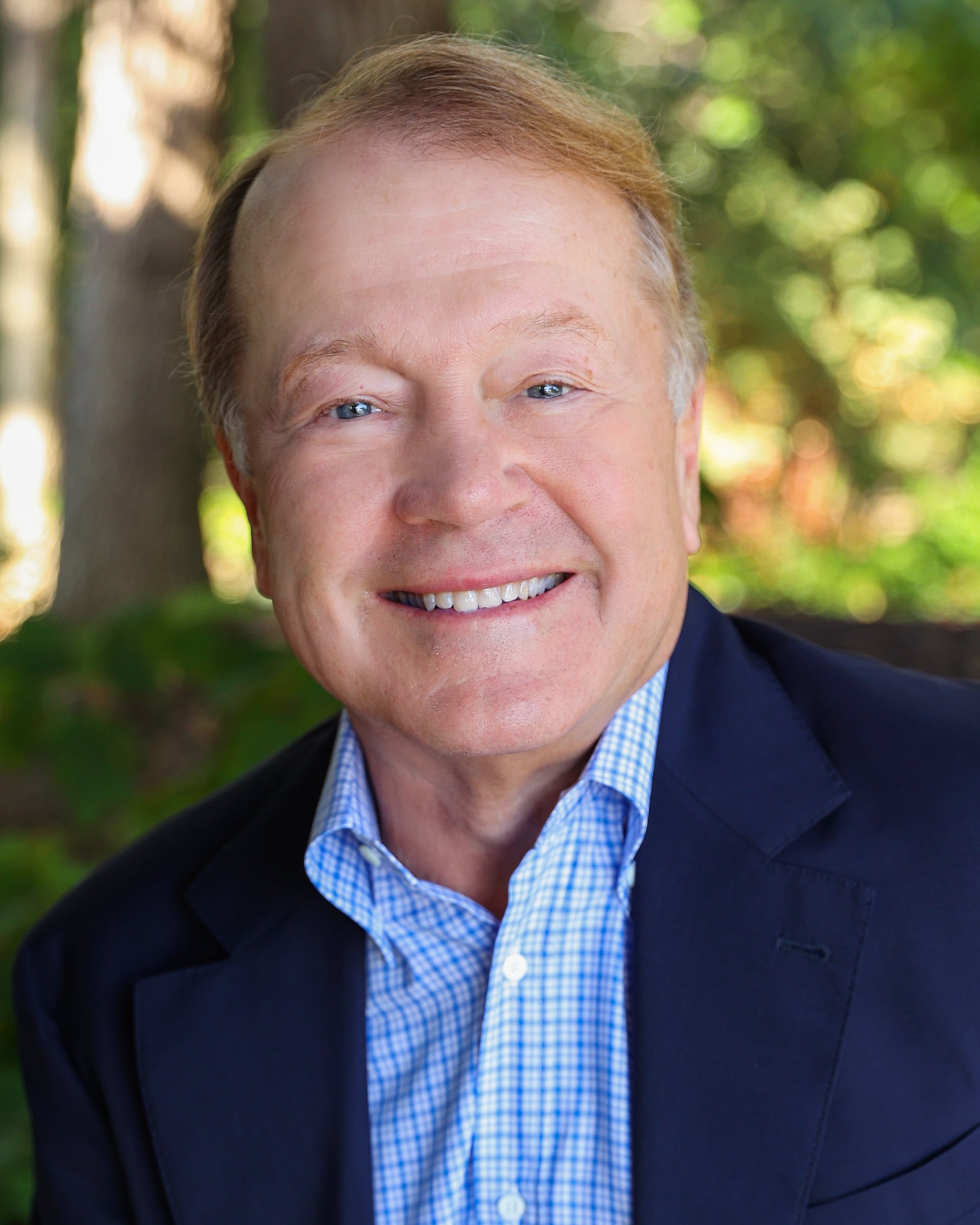
Former Cisco Systems CEO John Chambers learned all about technology’s volatile highs and lows as a veteran of the internet’s early boom days during the late 1990s and the ensuing meltdown that followed the mania. And now he is seeing potential signs of the cycle repeating with another transformative technology in artificial intelligence. Chambers is trying take some of the lessons he learned while riding a wave that turned Cisco into the world's most valuable company in 2000 before a crash hammered its stock price and apply them as an investor in AI startups. He recently discussed AI's promise and perils during an interview with The Associated Press.
Grove Collaborative’s CEO shares how the company is reinventing everyday goods with sustainability at the core and working toward a plastic-free future.
Atlanta Mayor Andre Dickens shares plans for affordable housing, community-led growth, and why private and public grocery stores could be key to food equity.
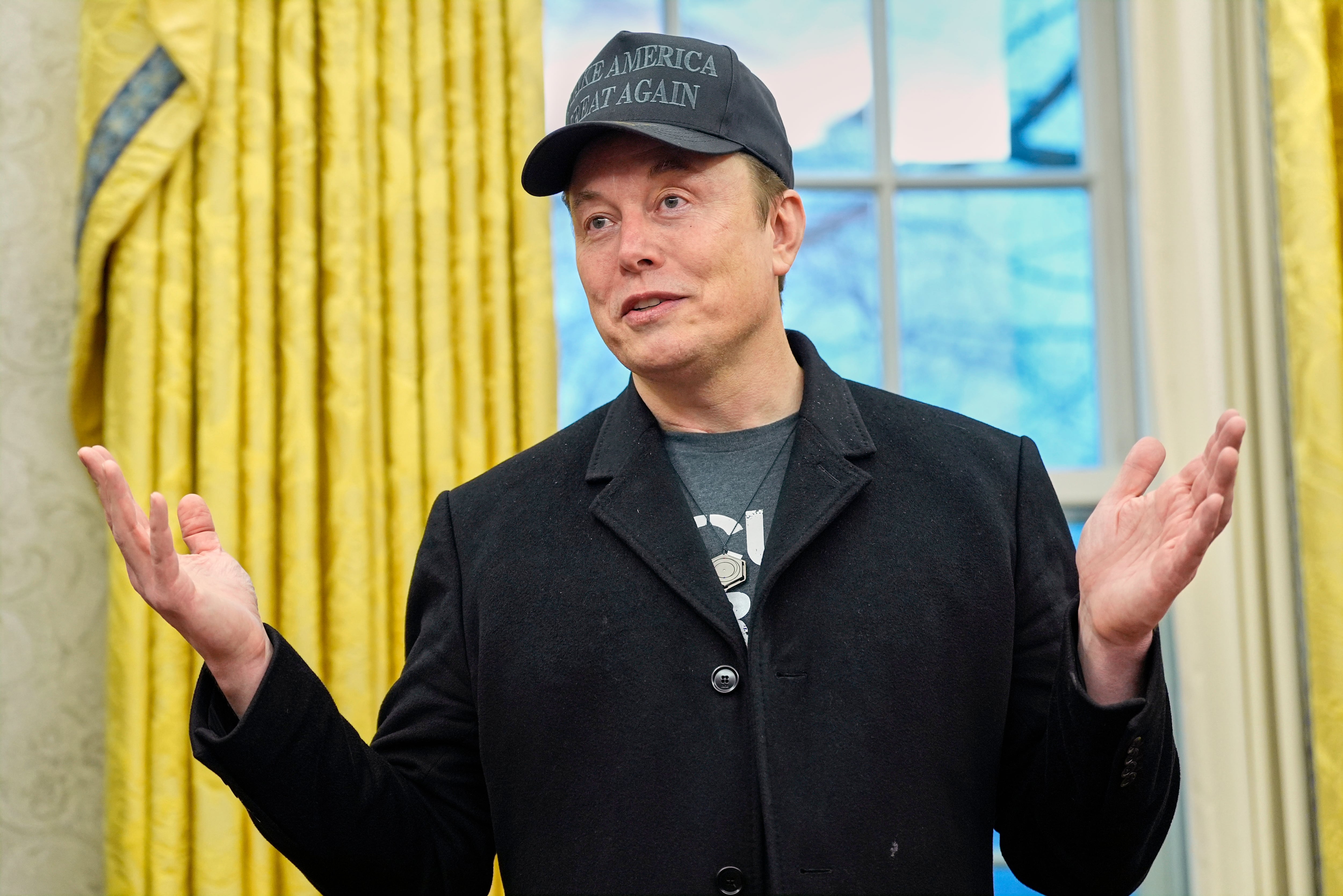
Tesla reported a surprise increase in sales in the third quarter as the electric car maker likely benefited from a rush by consumers to take advantage of a $7,500 credit before it expired on Sept. 30. The company reported Thursday that sales in the three months through September rose 7% compared to the same period a year ago. The gain follows two quarters of steep declines as people turned off by CEO Elon Musk’s foray into right-wing politics avoided buying his company’s cars and even protested at some dealerships. Sales rose to 497,099 vehicles, compared with 462,890 in the same period last year.
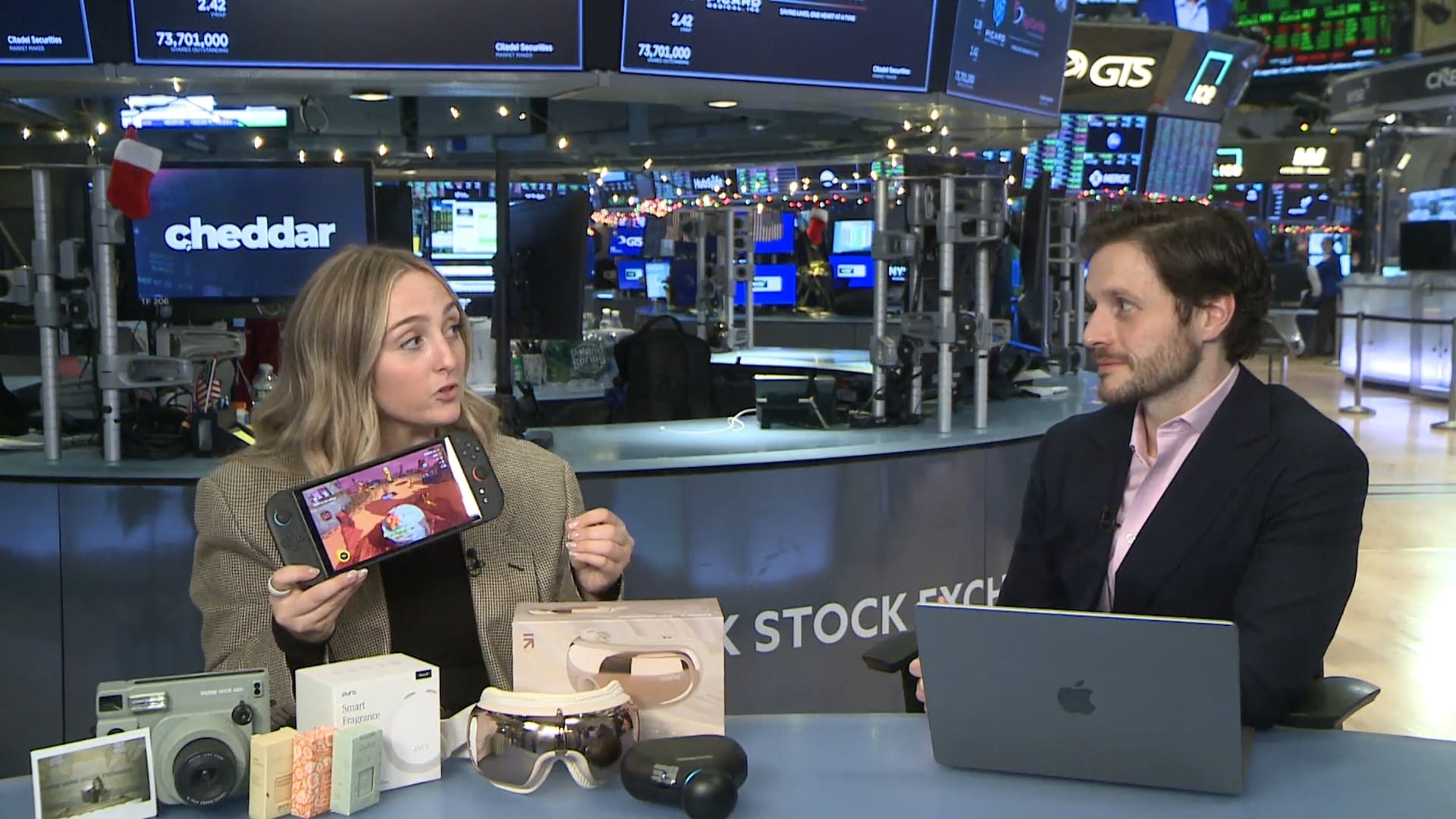
Tom’s Guide Editor-in-Chief Mark Spoonauer breaks down Apple & Amazon's latest product drops—what's hot, what's hype, and what really matters for users.
InnerPlant CEO Shely Aronov reveals how engineered crops like soybeans and corn emit signals when stressed—offering farmers early warnings to boost yields.