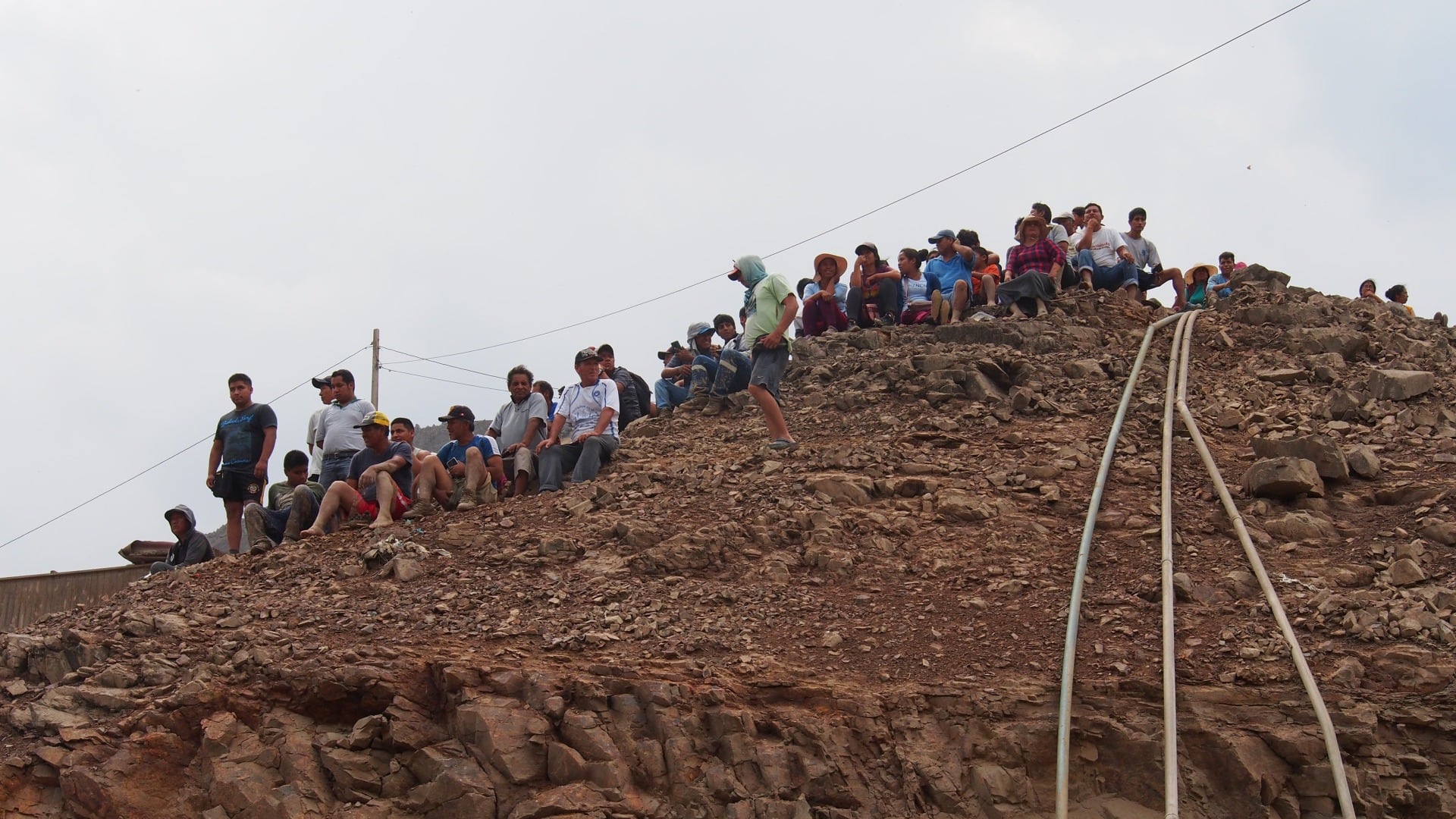
A new study on loneliness is showing it may not only affect mental health, but it may also be bad for the bones. However, the study found it impacts one group in particular: men. Amid concerns about the rising epidemic of loneliness, researchers wanted to take a closer look at its effects.
Those working on the study exposed adult mice to social isolation and found that there were significant reductions in bone quality and mineral density, but only in the male mice, not the females. One doctor involved in this research did note that "future research is needed to understand how these findings translate to human populations."
HUMANS TILT EARTH
From 1993 to 2010, humans pumped over 2,000 gigatons of groundwater from reservoirs in the Earth's crust, and it changed the tilt of the earth's axis by 31 inches. According to the authors of a new study by the American Geophysical Union, the Earth's axis changes often, and the melting of the polar ice caps or rise in sea levels makes an impact on earth's rotation.
However, this shows that groundwater use also has an impact. By the way, if you've ever wondered how the planet came to be covered in H2O, a new theory published last week in the journal Nature suggests that 4.5 billion years ago, as Earth formed, it sucked up icy particles from space in a "vacuum effect."
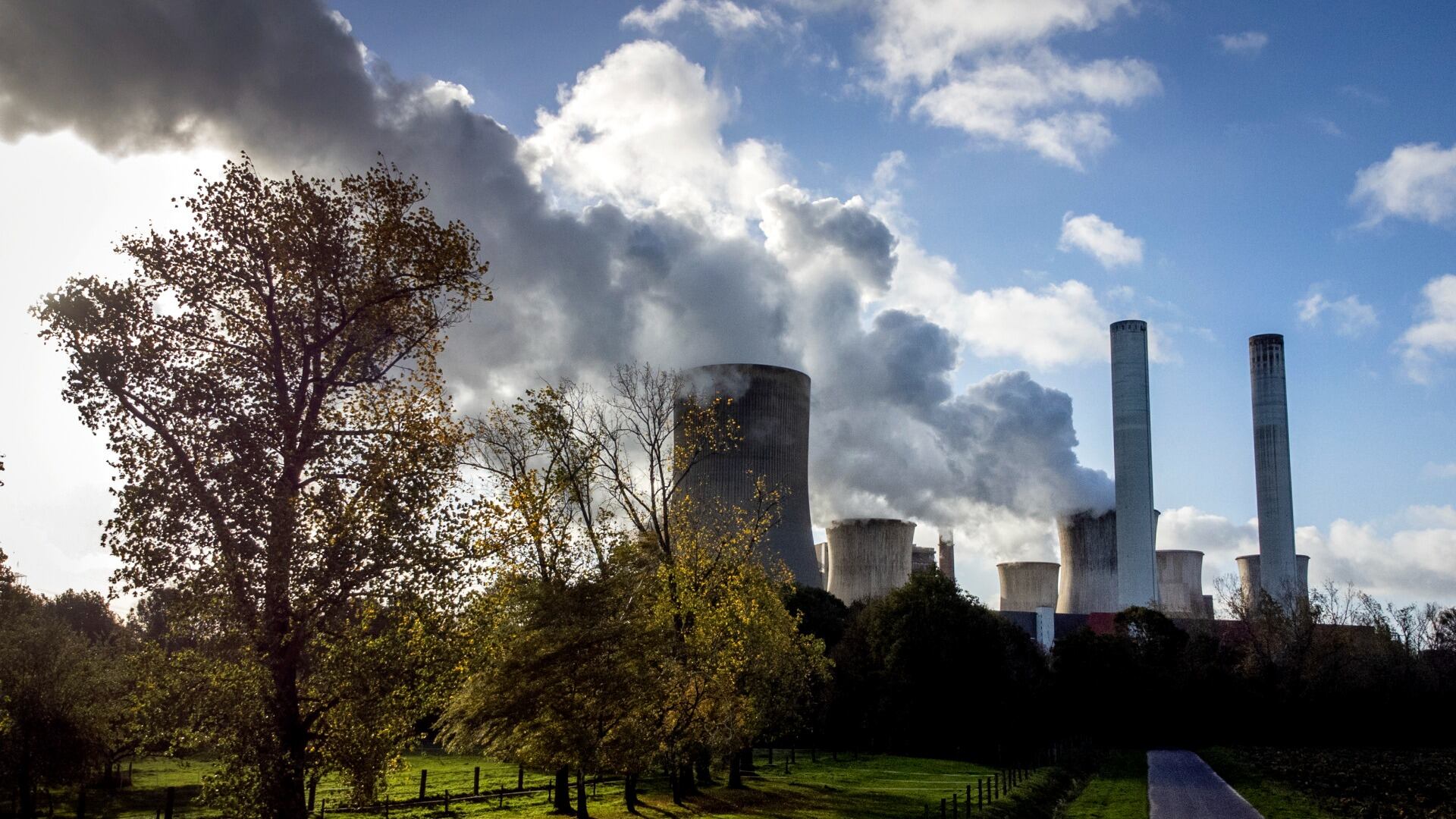
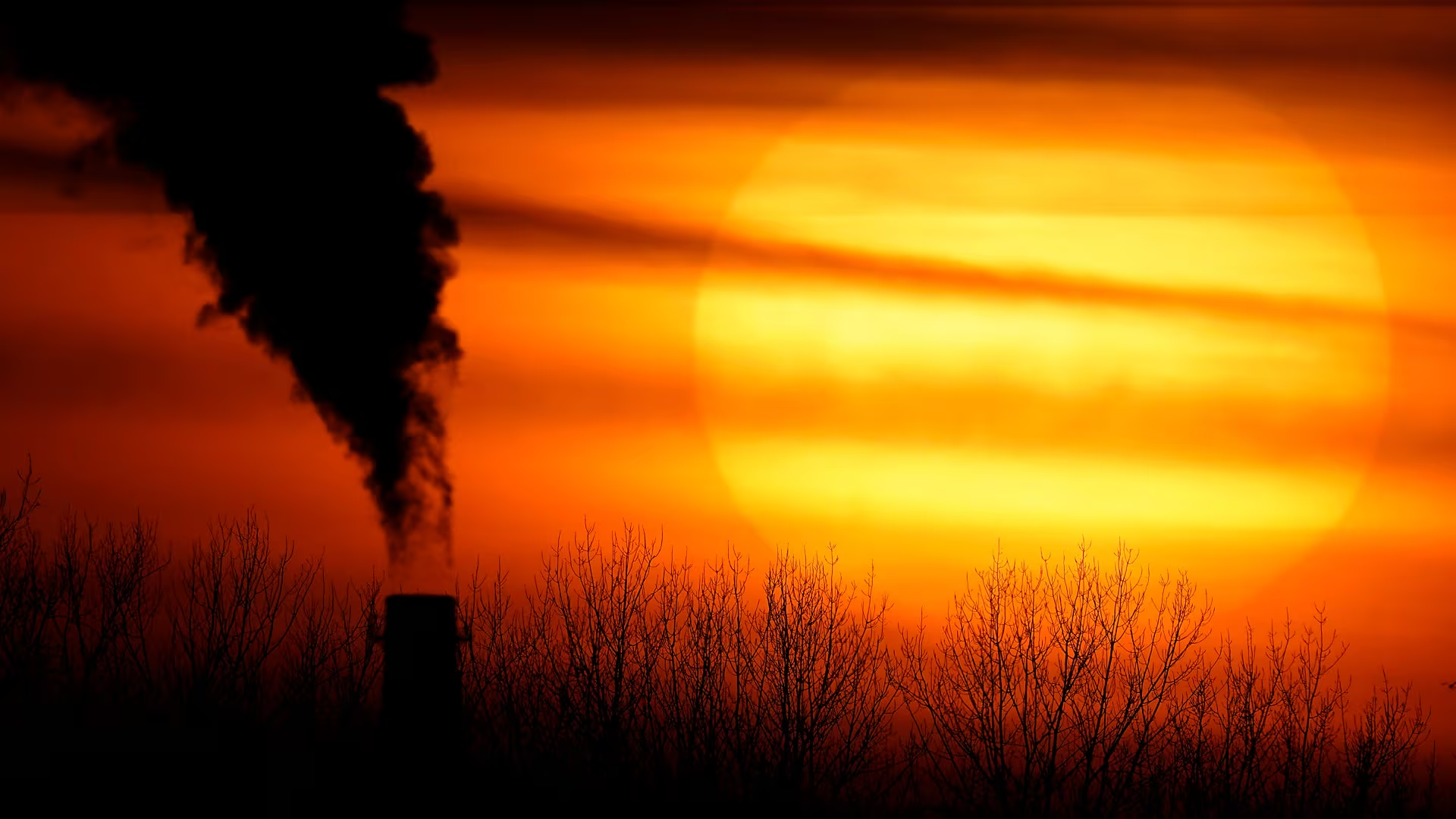
The capacity to burn coal for power went up in 2022 despite global promises to phase down the fuel that’s the biggest source of planet-warming gases in the atmosphere, a report Wednesday found.
Dr. Sandra Lee (aka Dr. Pimple Popper) visited Cheddar News to give viewers a sneak peak of season nine of her TV show, which features the dermatologist popping — you guessed it — pimples.
According to a Washington Post article, 82 percent of people get their weather updates on their phones, and there are more than 10,000 weather apps to choose from. The article breaks down the pros and cons of each app.
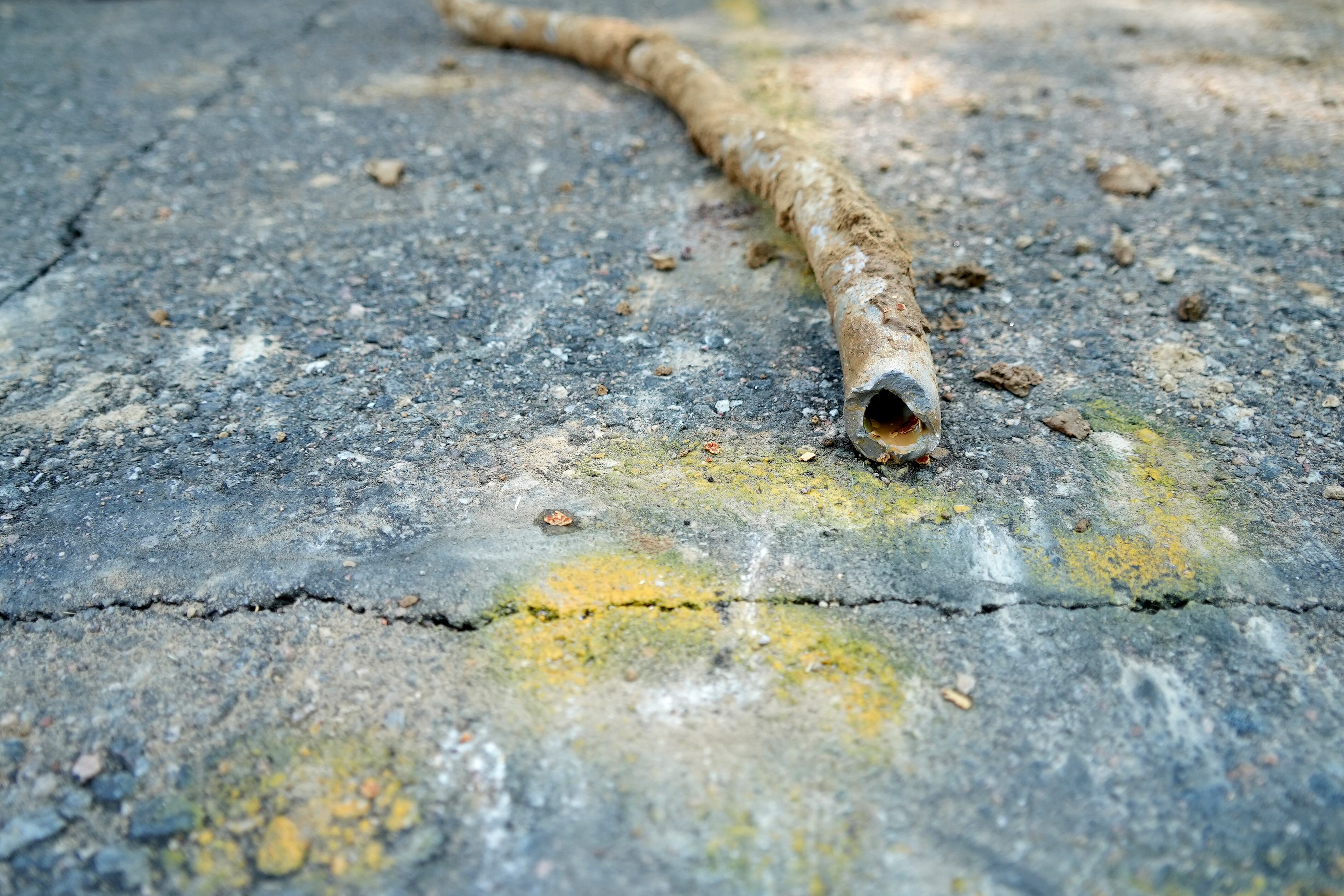
Some 9.2 million lead pipes carry water into homes across the U.S., with more in Florida than any other state, according to a new Environmental Protection Agency survey that will dictate how billions of dollars to find and replace those pipes are spent.