A new study published yesterday in Jama found that a test used to diagnose patients with lung cancer had a built-in racial bias. The algorithm in the software used to diagnose patients assumed that Black people had naturally weaker lung capacity, raising the threshold for recommending care and making it less likely that they would be prescribed medication. According to the study, up to 40 percent more Black men would have been diagnosed with breathing problems if the bias had been corrected. The study also pointed out that this specific test isn't the only place where racial bias affects medicine. Prejudices and assumptions about racial differences affect patients looking for heart and kidney care as well.
WARNING ABOUT PAYMENT APPS
There's a new warning for people who store money in payment apps like Paypal, Venmo, and Cash App. The Consumer Financial Protection Bureau (CFPC) said that the funds may not be secure in the case of a crisis, because while traditional bank accounts are secured up to $250,000, money held in a payment app doesn't have the same protections. So if one of these companies ever had a funding issue or was forced to close, customers could lose their money.
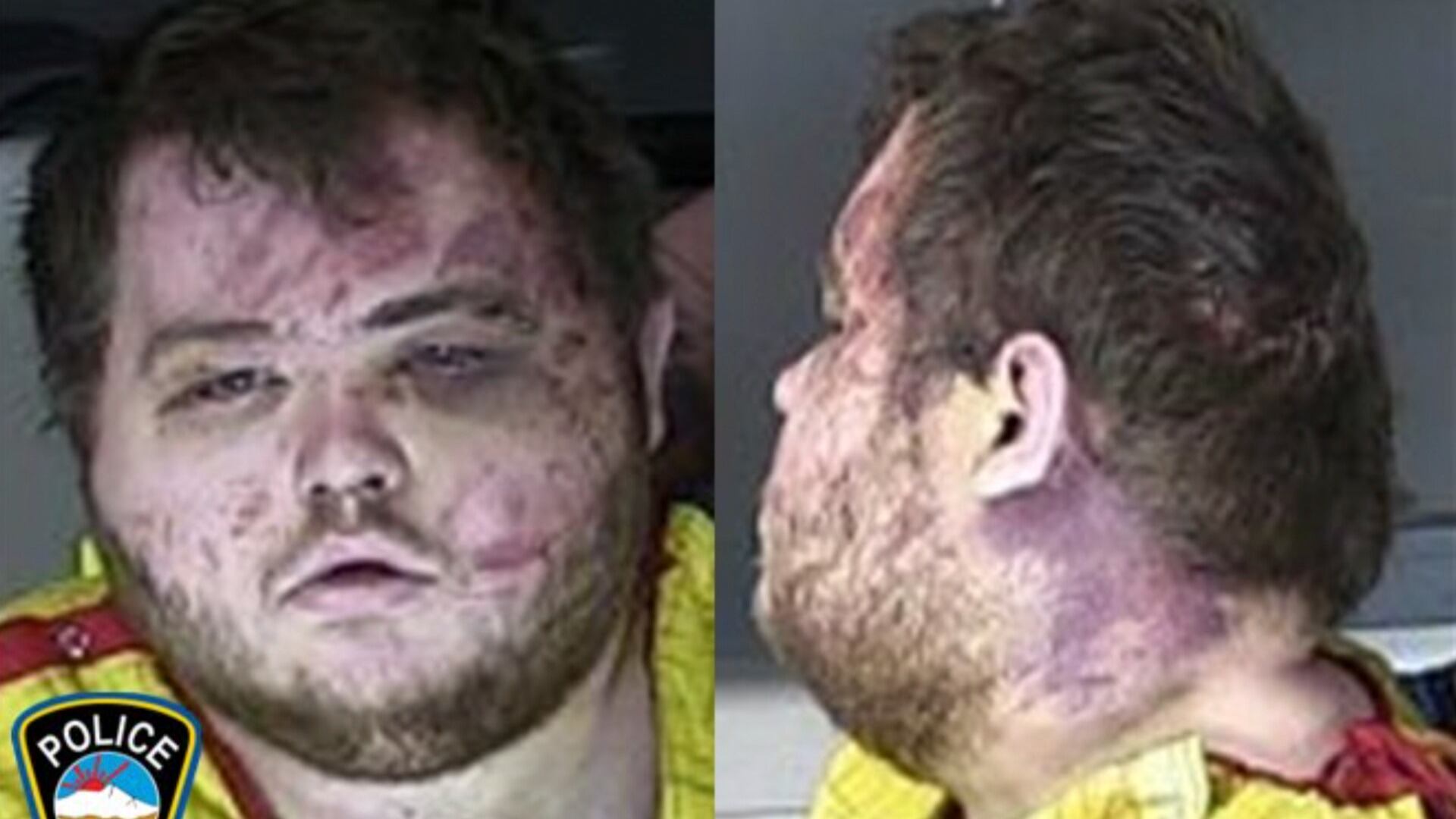
Victims called the Colorado Springs mass shooter a “monster” who hunted down LGBTQ+ patrons in a calculated attack last year that killed five people, as the suspect faced life in prison after pleading guilty Monday to murder and other charges.
Cleanup continues after a train carrying hot asphalt and molten sulfur crashed into the Yellowstone River in Montana after a bridge collapsed while one was confirmed dead in a boat crash in Miami.
The U.S. Coast Guard said Sunday it is leading an investigation into the loss of the Titan submersible that was carrying five people to the Titanic, to determine what caused it to implode.
In the past, government agencies have typically taken on the cost of such searches, even when rich people pay thousands of dollars for questionable activities.
To many observers, the efforts to roll back two policies that disproportionately help Black students and other students of color reflect a backlash to racial progress in higher education.