A new study published yesterday in Jama found that a test used to diagnose patients with lung cancer had a built-in racial bias. The algorithm in the software used to diagnose patients assumed that Black people had naturally weaker lung capacity, raising the threshold for recommending care and making it less likely that they would be prescribed medication. According to the study, up to 40 percent more Black men would have been diagnosed with breathing problems if the bias had been corrected. The study also pointed out that this specific test isn't the only place where racial bias affects medicine. Prejudices and assumptions about racial differences affect patients looking for heart and kidney care as well.
WARNING ABOUT PAYMENT APPS
There's a new warning for people who store money in payment apps like Paypal, Venmo, and Cash App. The Consumer Financial Protection Bureau (CFPC) said that the funds may not be secure in the case of a crisis, because while traditional bank accounts are secured up to $250,000, money held in a payment app doesn't have the same protections. So if one of these companies ever had a funding issue or was forced to close, customers could lose their money.
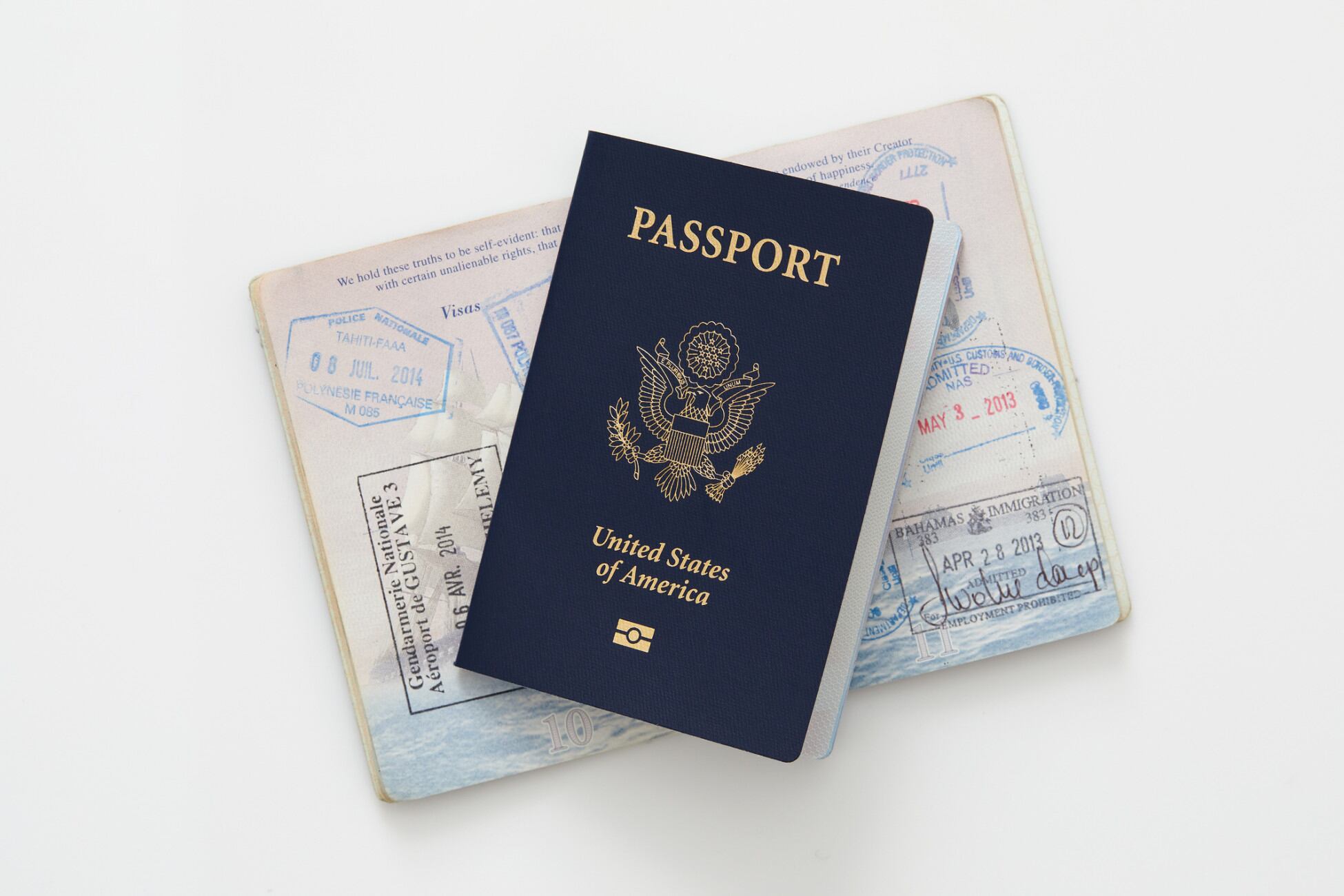
Have you been hearing about all the passport delays that are currently affecting travelers around the U.S? If you're in a rush to get your passport, it could cost you hundreds of dollars. So to protect your dollar, we brought in travel expert Francesca Page to give some tips on how to avoid extra fees for expedited passports down the line.
While it's already July, there's still time to plan those last minute summer vacations. and we've got expert tips that can help you save. Consumer Reporter Janice Lieberman has more.
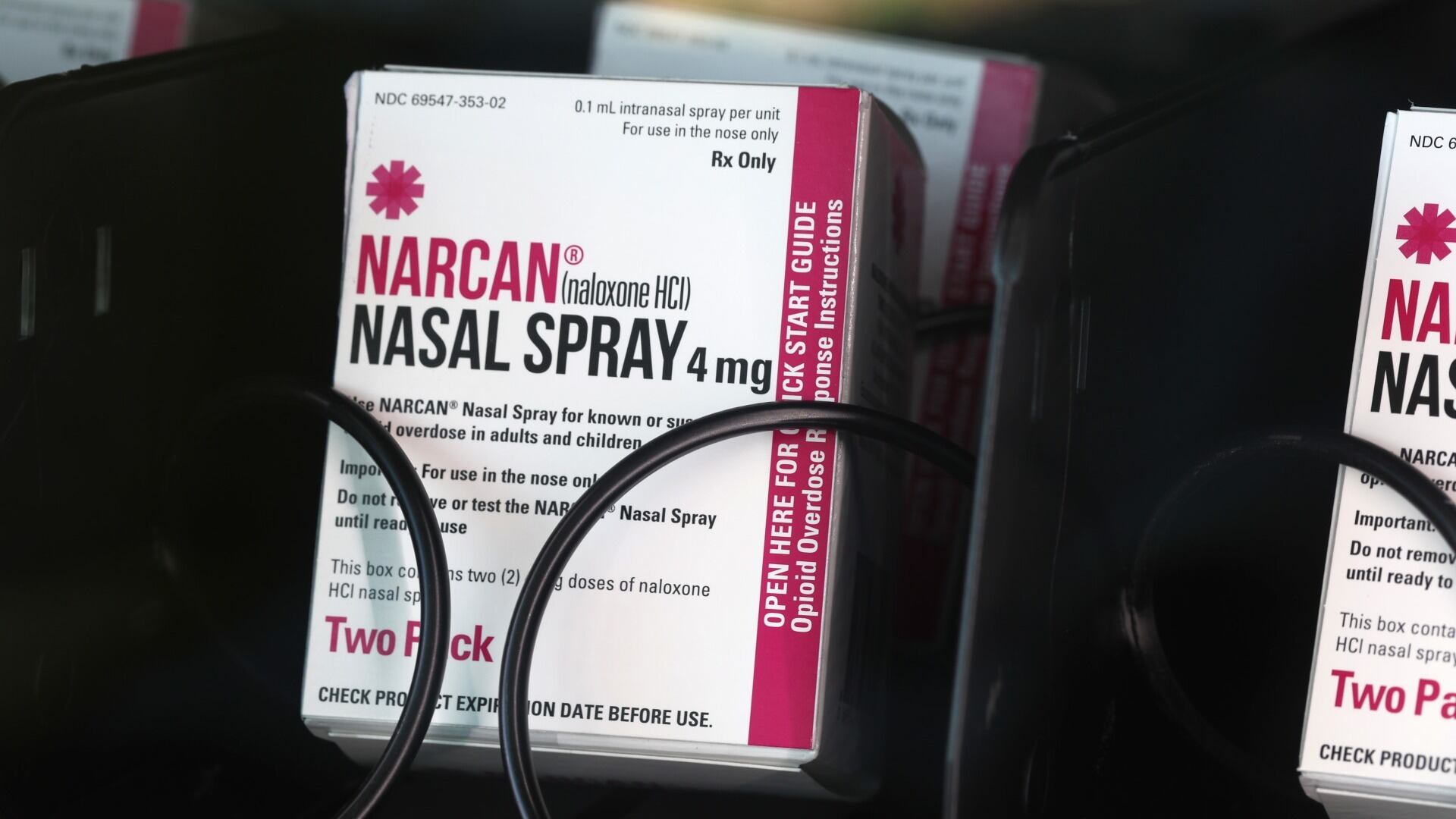
New York City has debuted its first vending machine for drug overdose treatment Narcan, but for some reason, not everyone is on board with this progressive community offering. Cheddar's own Ashley Mastronardi explored this complex issue.
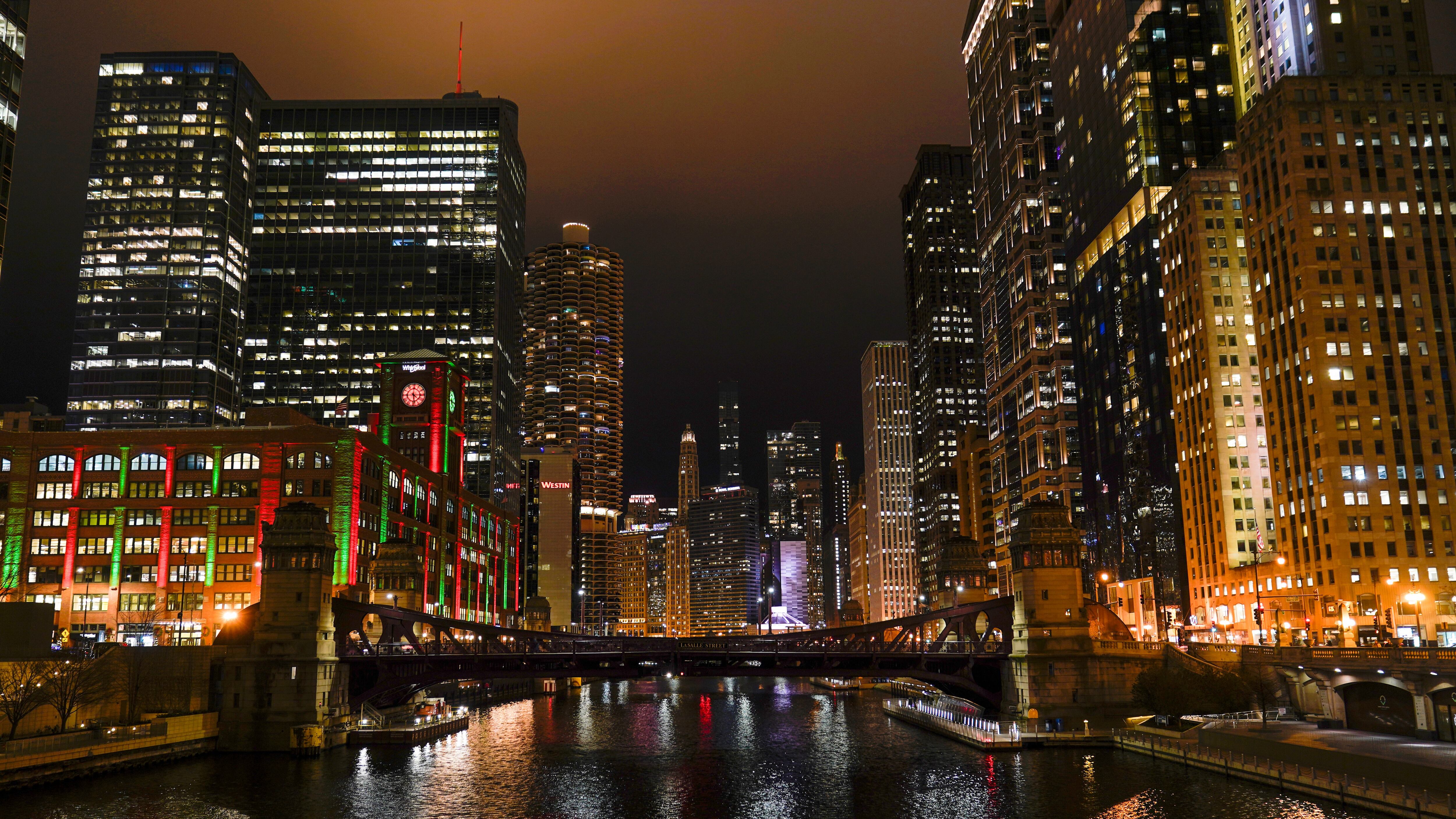
A new study shows that there could be an unexpected side effect of climate change happening right under your feet. Researchers at Northwestern University used temperature sensors underground across Chicago and found that the city's concrete structures (think parking garages, basements, or train tunnels) are absorbing heat from rising temperatures, and it's causing the city to slowly sink.