YouTube has updated the requirements to join their partner program, making it easier for creators to qualify for options that can earn them money such as paid chat, channel memberships, and more. Previously, creators had to reach one thousand subscribers to qualify, but now it only takes 500, or 3,000 watch hours or 3 million short views. Several features, including ad revenue sharing, will still be reserved for larger channels. YouTube is following other platforms, like TikTok, in opening these options for smaller micro-influencers.
MORE FLIGHT TURBULENCE
Researchers at Redding University in the United Kingdom looked at data from 1979 to 2020 and found that "clear air turbulence," caused by unexpected changes in the jet stream, increased by 55 percent. The study cited changes in wind speeds caused by warming air. Clear air turbulence can't be detected by radar, which makes it harder for pilots to avoid. In addition to being uncomfortable for passengers, it can damage aircraft and waste fuel. The most affected routes were in the U.S. and the North Atlantic, followed by Europe, the Middle East, and South Atlantic.
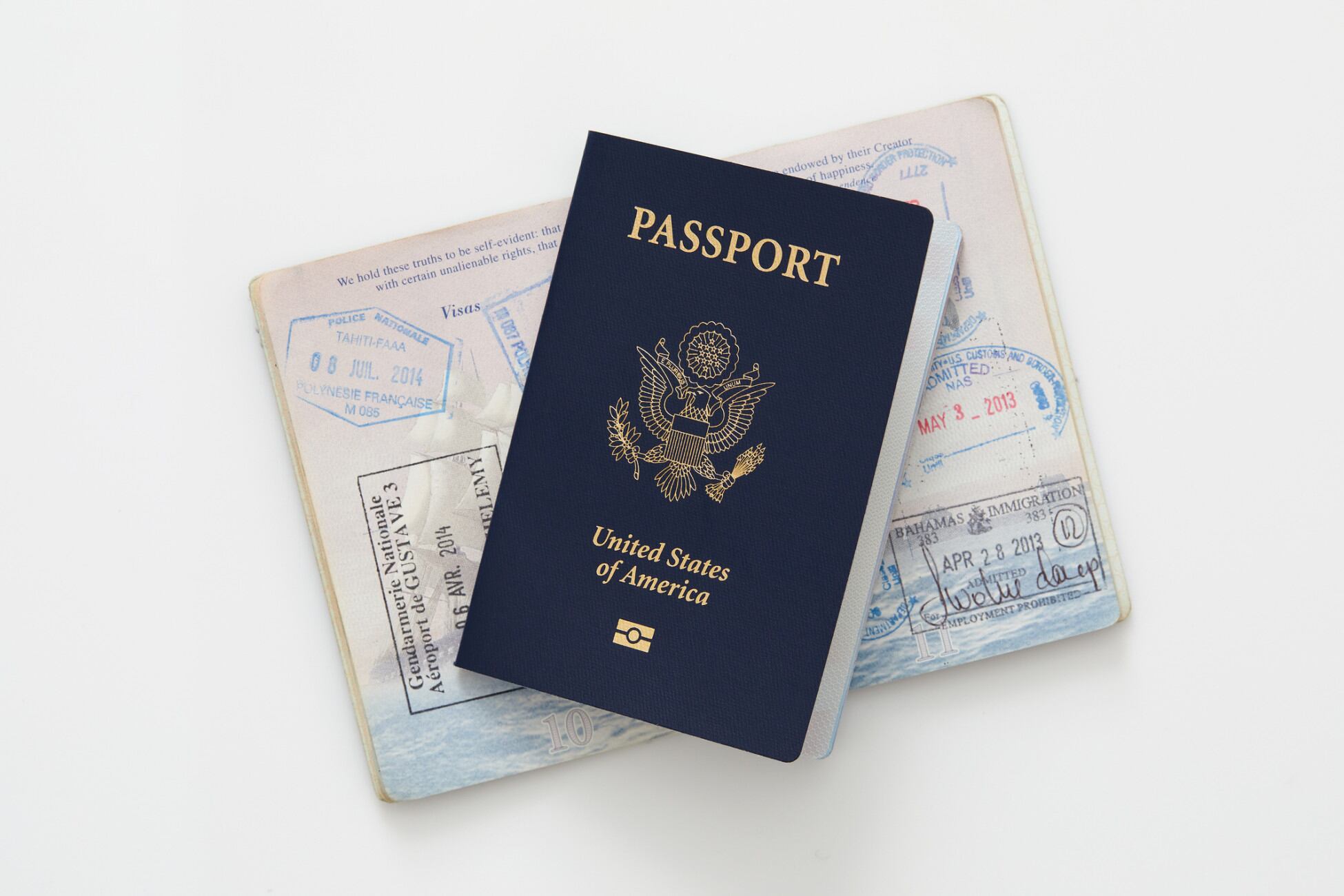
Have you been hearing about all the passport delays that are currently affecting travelers around the U.S? If you're in a rush to get your passport, it could cost you hundreds of dollars. So to protect your dollar, we brought in travel expert Francesca Page to give some tips on how to avoid extra fees for expedited passports down the line.
While it's already July, there's still time to plan those last minute summer vacations. and we've got expert tips that can help you save. Consumer Reporter Janice Lieberman has more.
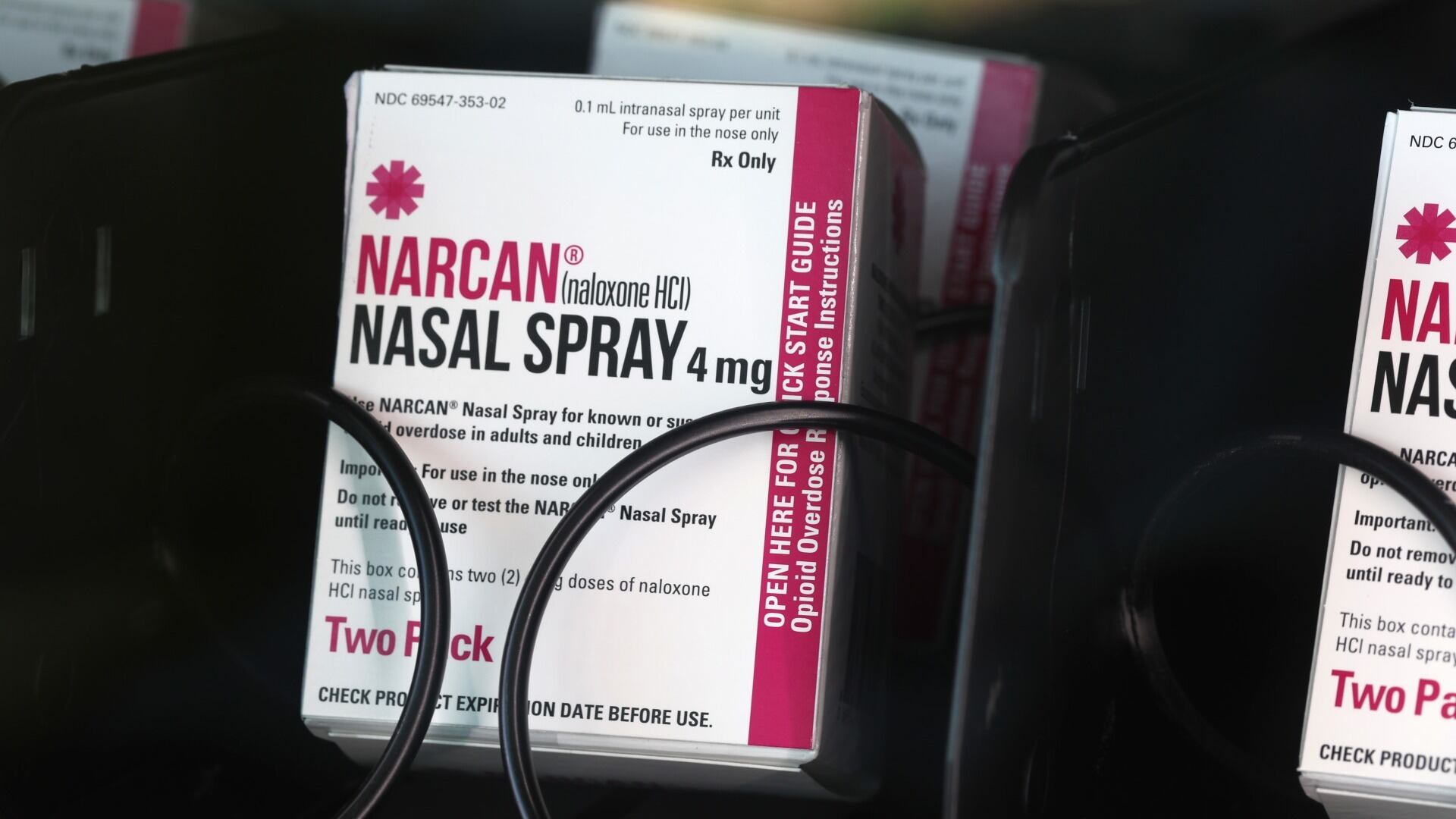
New York City has debuted its first vending machine for drug overdose treatment Narcan, but for some reason, not everyone is on board with this progressive community offering. Cheddar's own Ashley Mastronardi explored this complex issue.
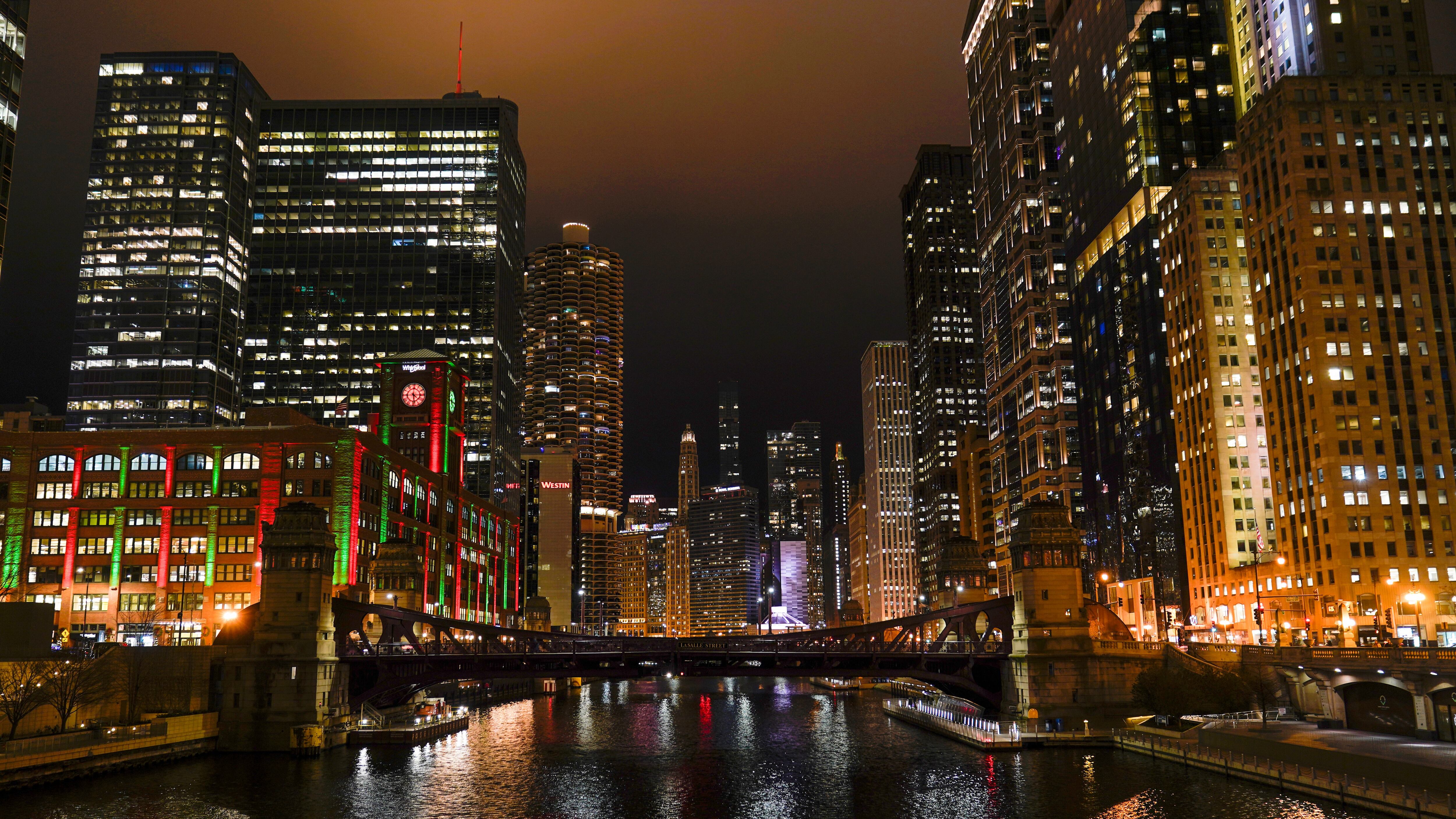
A new study shows that there could be an unexpected side effect of climate change happening right under your feet. Researchers at Northwestern University used temperature sensors underground across Chicago and found that the city's concrete structures (think parking garages, basements, or train tunnels) are absorbing heat from rising temperatures, and it's causing the city to slowly sink.