With concerns about misinformation spreading online, European Union officials want to more closely regulate artificial intelligence, and they're asking the world's biggest tech companies for help. In mid-May, the EU passed a law that would regulate how companies create and train their artificial intelligence tools, but those laws won't go into effect for years. In the meantime, officials are asking companies like Apple, Google, Meta, and Microsoft to immediately begin labeling all AI-generated content, and for services that already incorporate AI, like Google's Bard, to safeguard against "malicious actors" who could attempt to spread harmful or false information.
MICROSOFT OUTAGES
Thousands of users on Monday reported not being able to access their emails through Microsoft Outlook on both the web and Outlook app. Other Microsoft 365 services, such as Teams, SharePoint, and One Drive, were also affected. By mid-afternoon on the East Coast, Microsoft confirmed on its customer service Twitter account that the issue should be resolved. The company did not explain what was behind the outage.
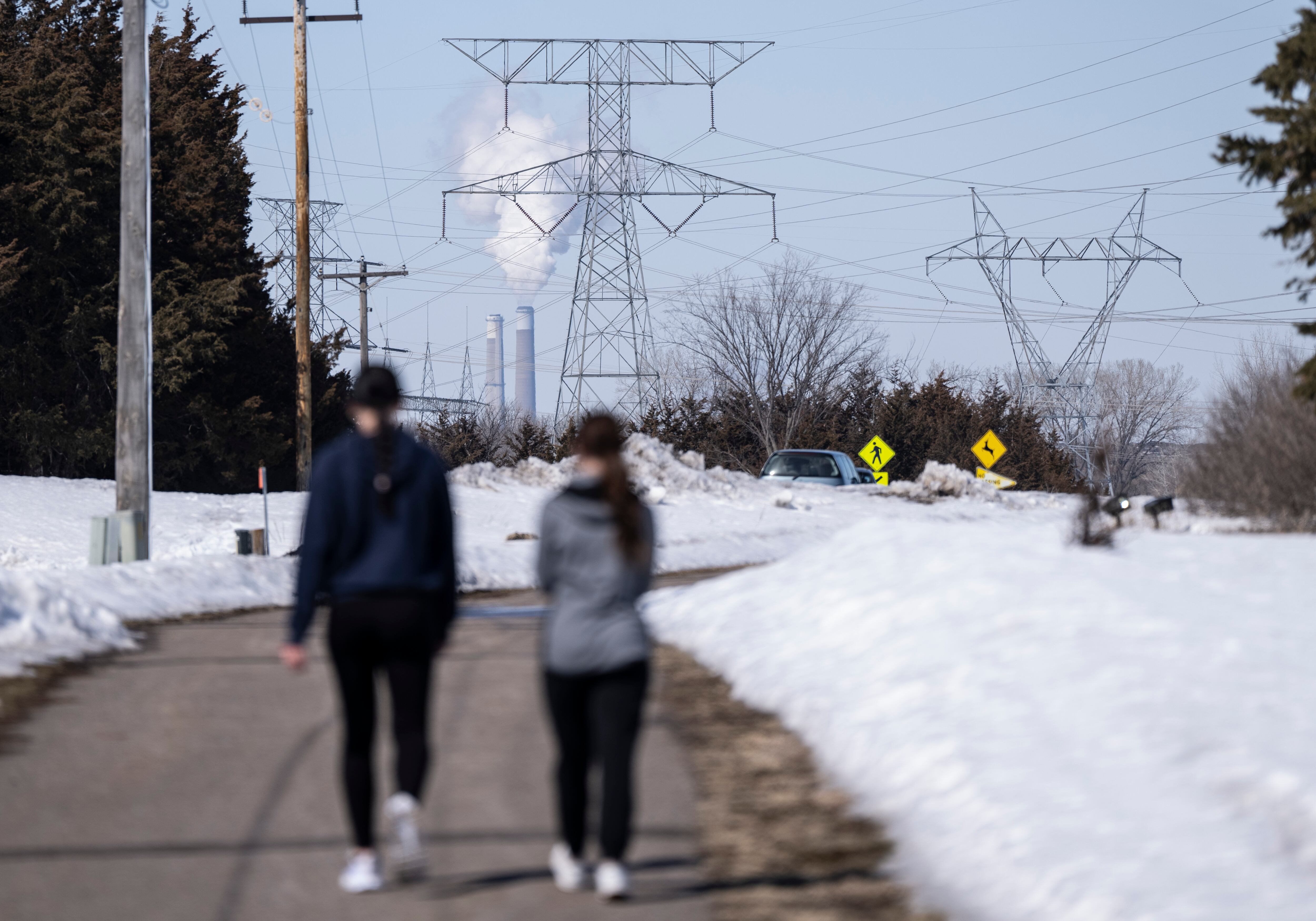
A Minnesota utility began shutting down a nuclear power plant near Minneapolis on Friday after discovering water containing a low level of radioactive material was leaking from a pipe for the second time. While the utility and health officials say it is not dangerous, the issue has prompted concerns among nearby residents and raised questions about aging pipelines.
Some parts of Twitter's source code — the fundamental computer code on which the social network runs — were leaked online, the social media company said in a legal filing that was first reported by The New York Times.
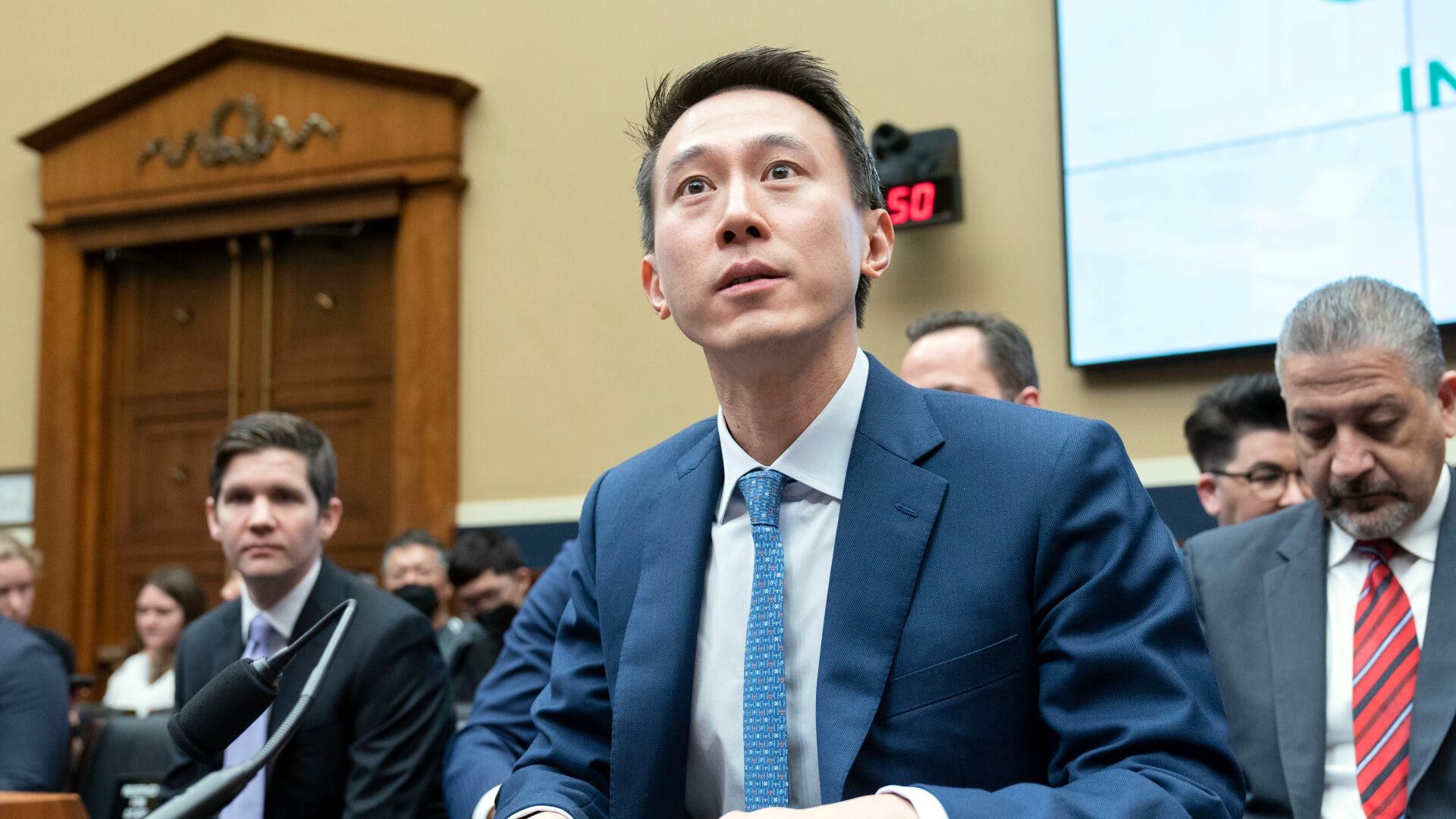
While data privacy still remains one of TikTok's biggest challenges, it may face a larger problem in order to stay in the United States: content moderation.
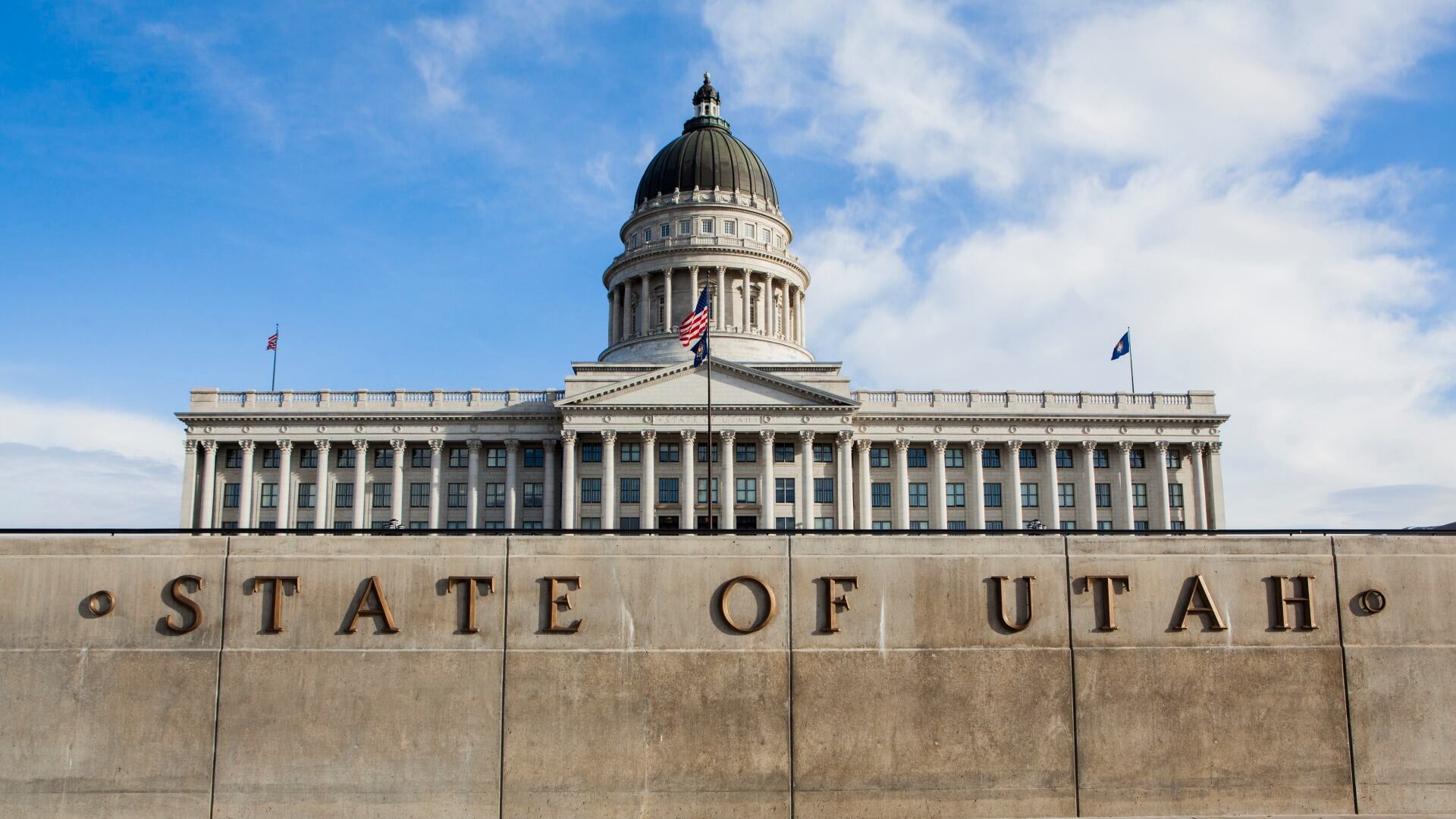
Governor Spencer Cox signed two measures restricting how easily children in the state can access platforms like TikTok and Twitter, setting the precedent in the U.S.