Goldman Sachs CEO Lloyd Blankfein Weighs in on Market Volatility, Crypto, and Trump
Kristen Scholer sat down with Lloyd Blankfein, the CEO and Chairman of Goldman Sachs, to discuss the economy, his relationship with President Trump, and where the company stands on cryptocurrencies.
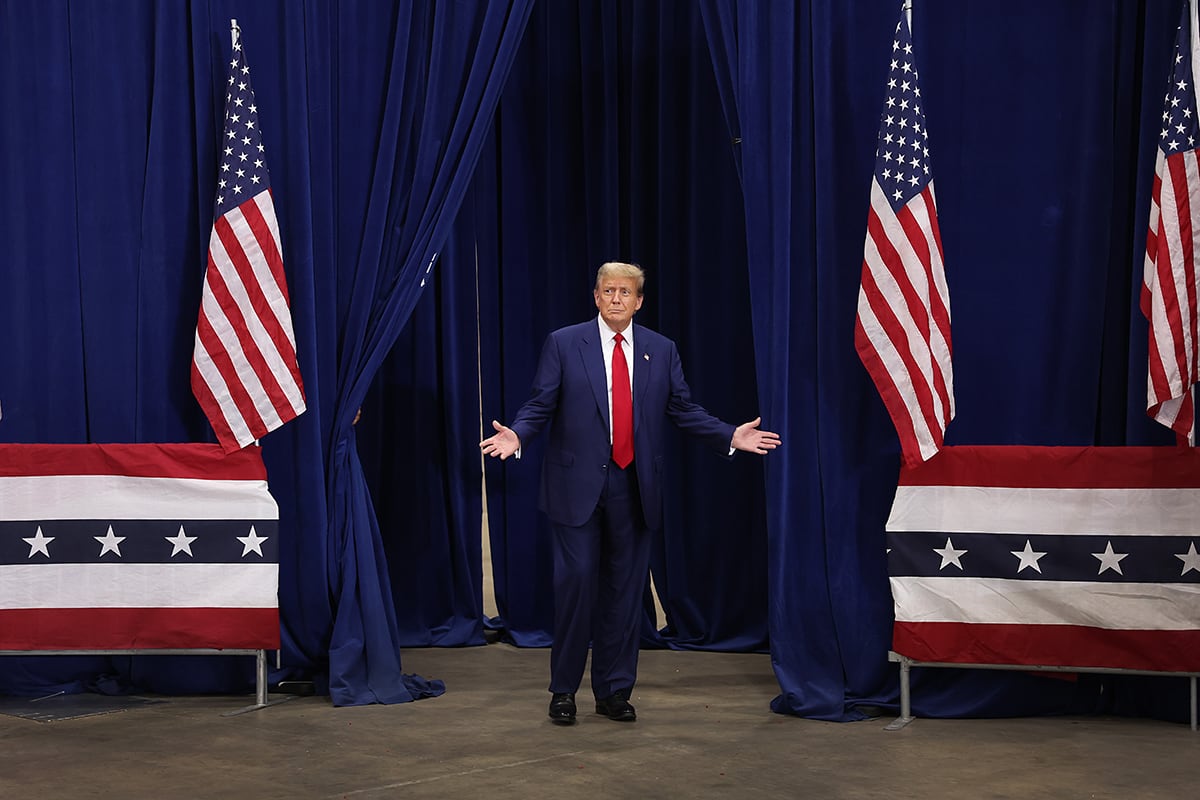
Blankfein most recently saw President Trump in Davos and admitted that, even though he wasn't a supporter during the election, he agrees with Trump's message that promoting America's interests doesn't mean withdrawing from the world. Blankfein knows it may not be a popular opinion, but he says President Trump is good for small businesses and America's economy.
Plus, Blankfein comments on Gary Cohn's place in The White House. He believes that Cohn, who previously served as Goldman's Chief Operating Officer, has accomplished everything he set out to do under the Trump administration.
And don't expect Goldman to jump into the crypto craze anytime soon. Blankfein shot down rumors that the company will open a trading desk, saying that it will clear futures contracts for customers. He says there's a lot of "hype" over the digital assets and that he doesn't "love" the concept.
Goldman is also focused more on digital distribution and turning around revenue numbers for its trading division. Blankfein discusses the company's "Marcus" division, which has issued $2 billion in consumer loans in the year after its launch in October 2016.
Full Glass Wine Co., the company behind Bright Cellars, Wine Insiders, and Winc, knows you fell in love with home delivery during the pandemic – and it’s investing millions into making it even better.
It might sound counterintuitive, but the Fed cutting interest rates three times this year could cause inflation to spike and actually be worse for markets and the economy as a whole.
Imagine a world with just a handful of mediocre beer options. Terrible, right? That was the U.S. before the explosion of craft breweries, the Samuel Adams founder says.
March was a blockbuster month for jobs, with 303,000 new positions – and paired with slower wage growth, an economist and a portfolio manager agree this could be the ‘best of both worlds.’