Global coronavirus cases have surpassed 200,000 Wednesday morning and more than 8,200 have lost their lives since a novel virus appeared in the Hubei province of China late last year.
According to a tally kept by Johns Hopkins University, more than 82,000 people have recovered from the virus.
As of 9 a.m. Wednesday, China tops the list with 81,102 cases, Italy has the second-highest number of cases with 31,506 and Iran comes next with 17,361.
All 50 states in the U.S. are now linked to the virus, with nearly 6,500 confirmed cases around the nation. West Virginia was the last state to report a coronavirus case Tuesday afternoon.
At least 100 people have died in the U.S., linked to the virus’s outbreak. Thirty of those individuals are linked to the Life Care Center in Kirkland, Wash., one of the first hotspots of community spread in the nation.
As test production ramps up around the nation, those numbers are expected to rise.
A new study finds an experimental skin patch shows promise to treat toddlers who are highly allergic to peanuts.
Britain's fertility regulator on Wednesday confirmed the births of the U.K.'s first babies created using an experimental technique combining DNA from three people, an effort to prevent the children from inheriting rare genetic diseases.
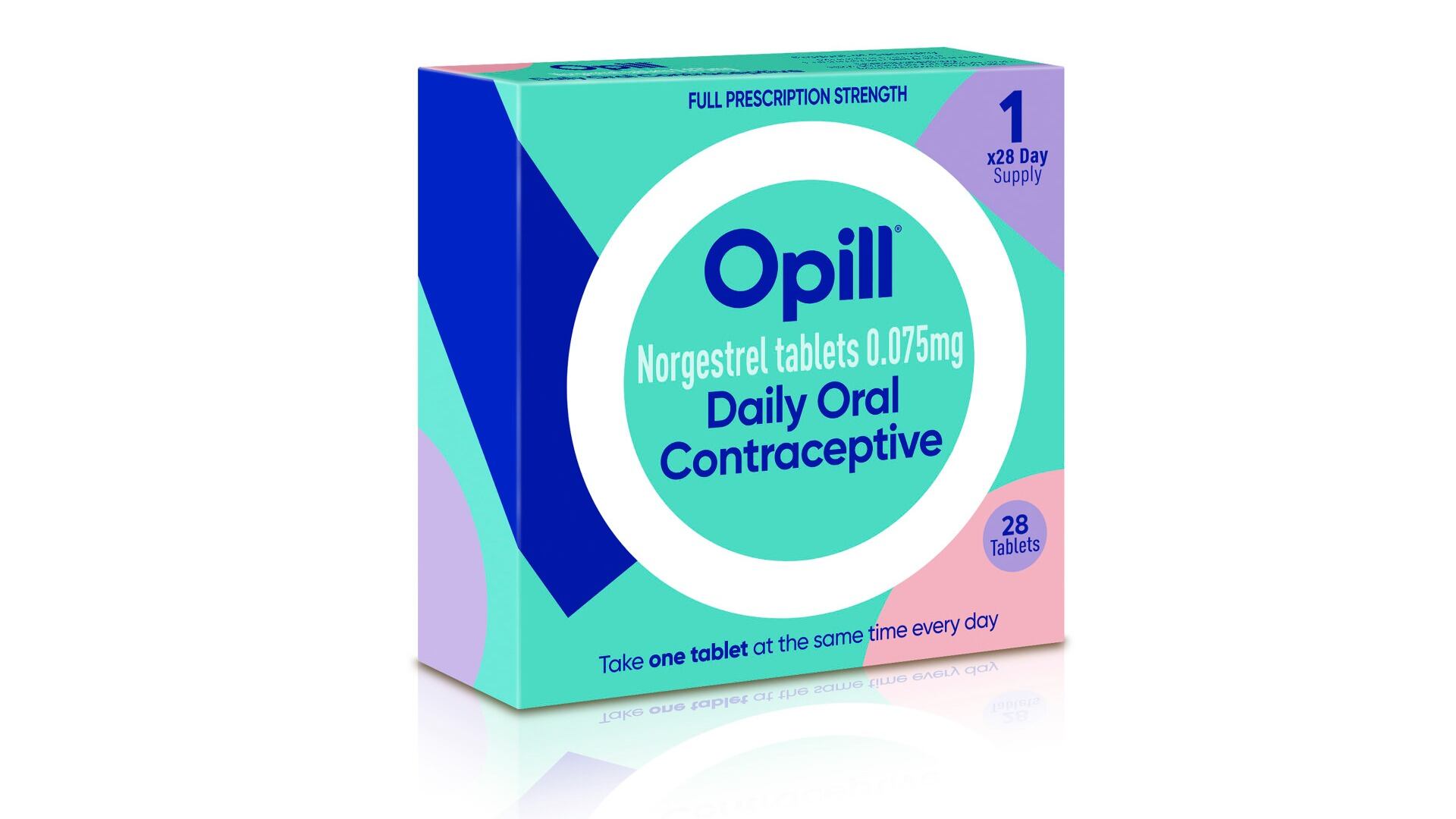
Federal health advisers said Wednesday that a decades-old birth control pill should be sold without a prescription, paving the way for a likely U.S. approval of the first over-the-counter contraceptive medication.
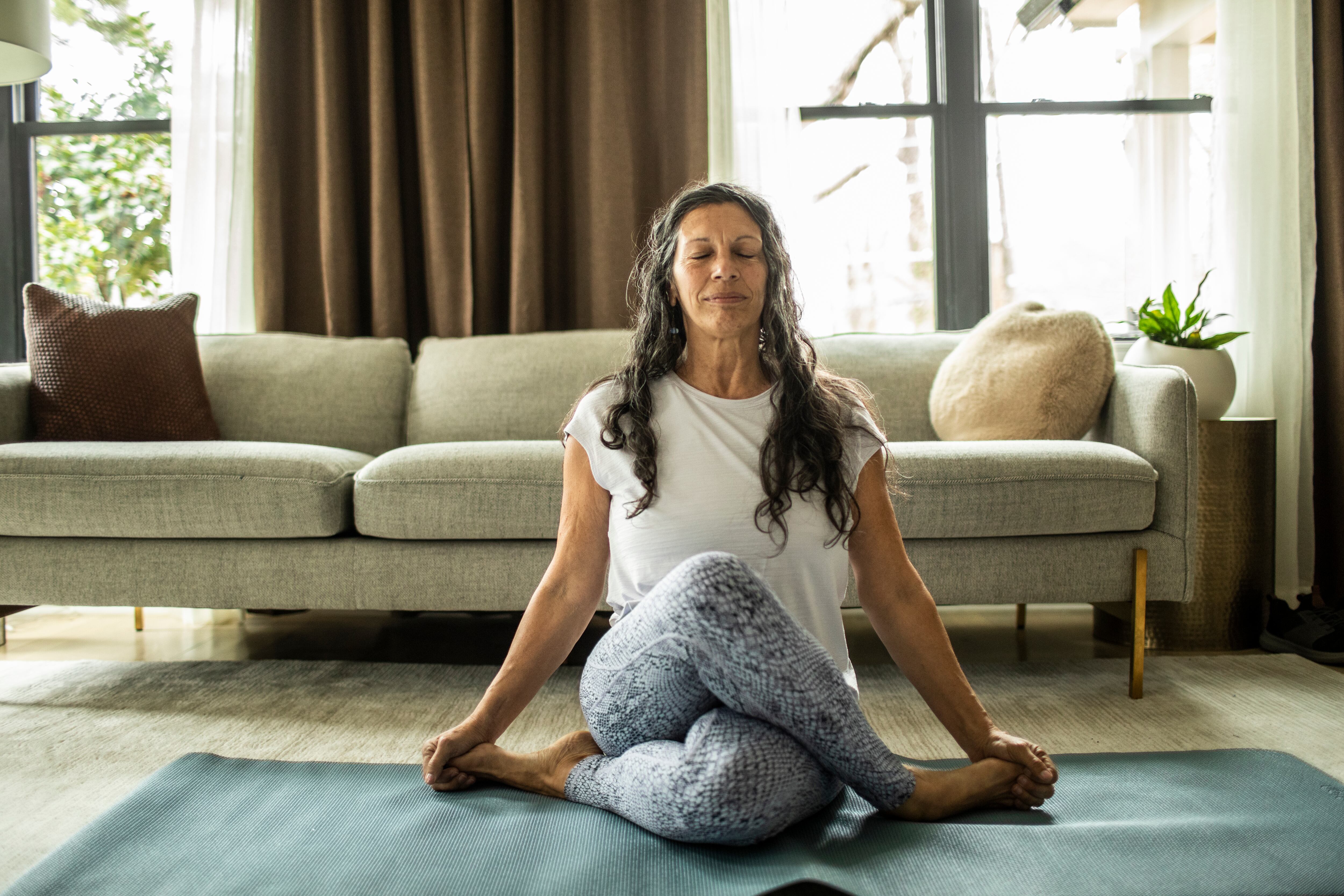
Colette Morales, instructor at Core 95, joined Cheddar News to teach a few basic yoga poses aimed at strengthening multiple areas of the body simultaneously.
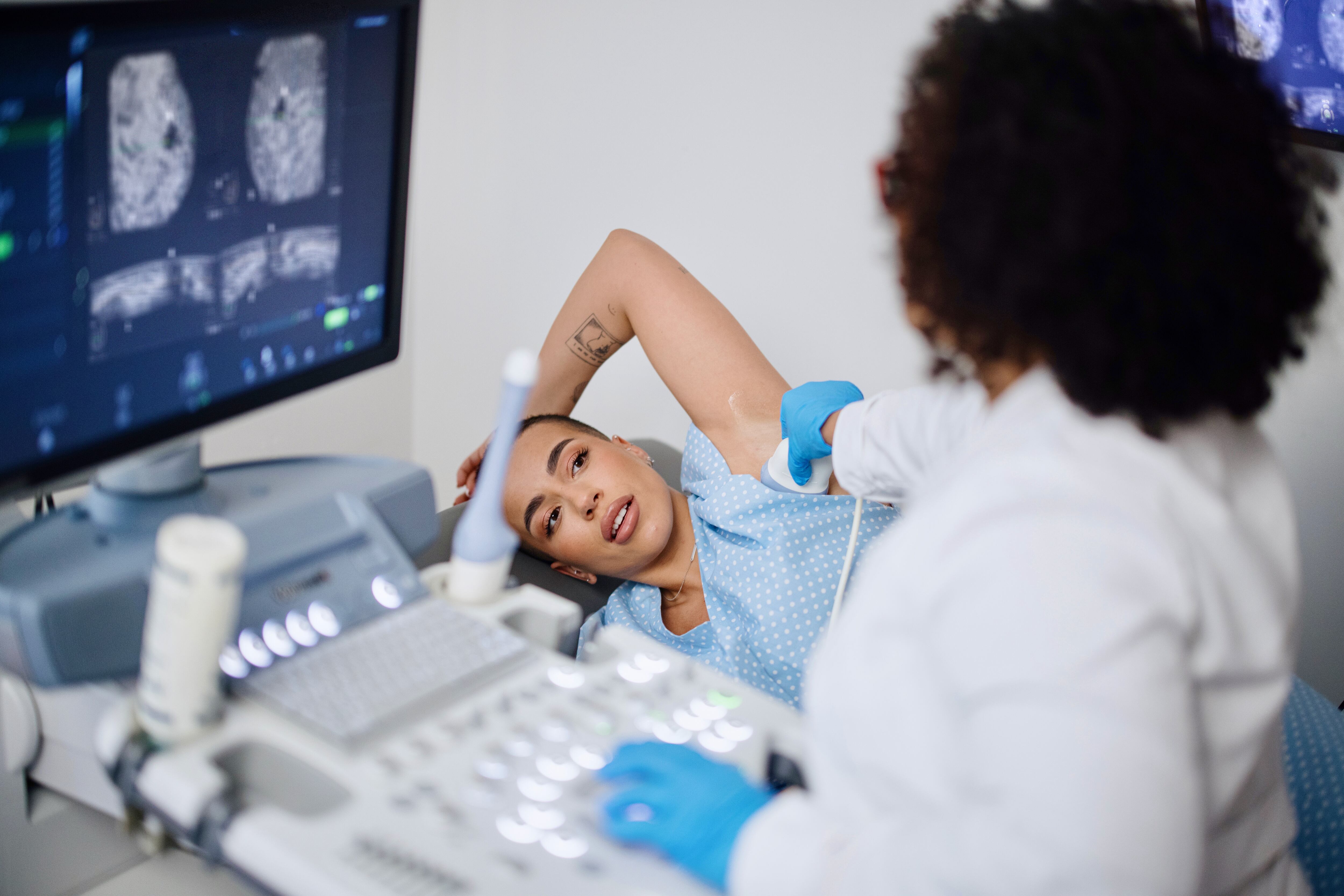
A group of nationally-recognized medical experts are suggesting women start getting breast cancer screening at 40 years old.
The Food and Drug Administration is kicking off a two-day meeting to consider whether to let people get birth control pills without a prescription, with a decision expected by the summer.
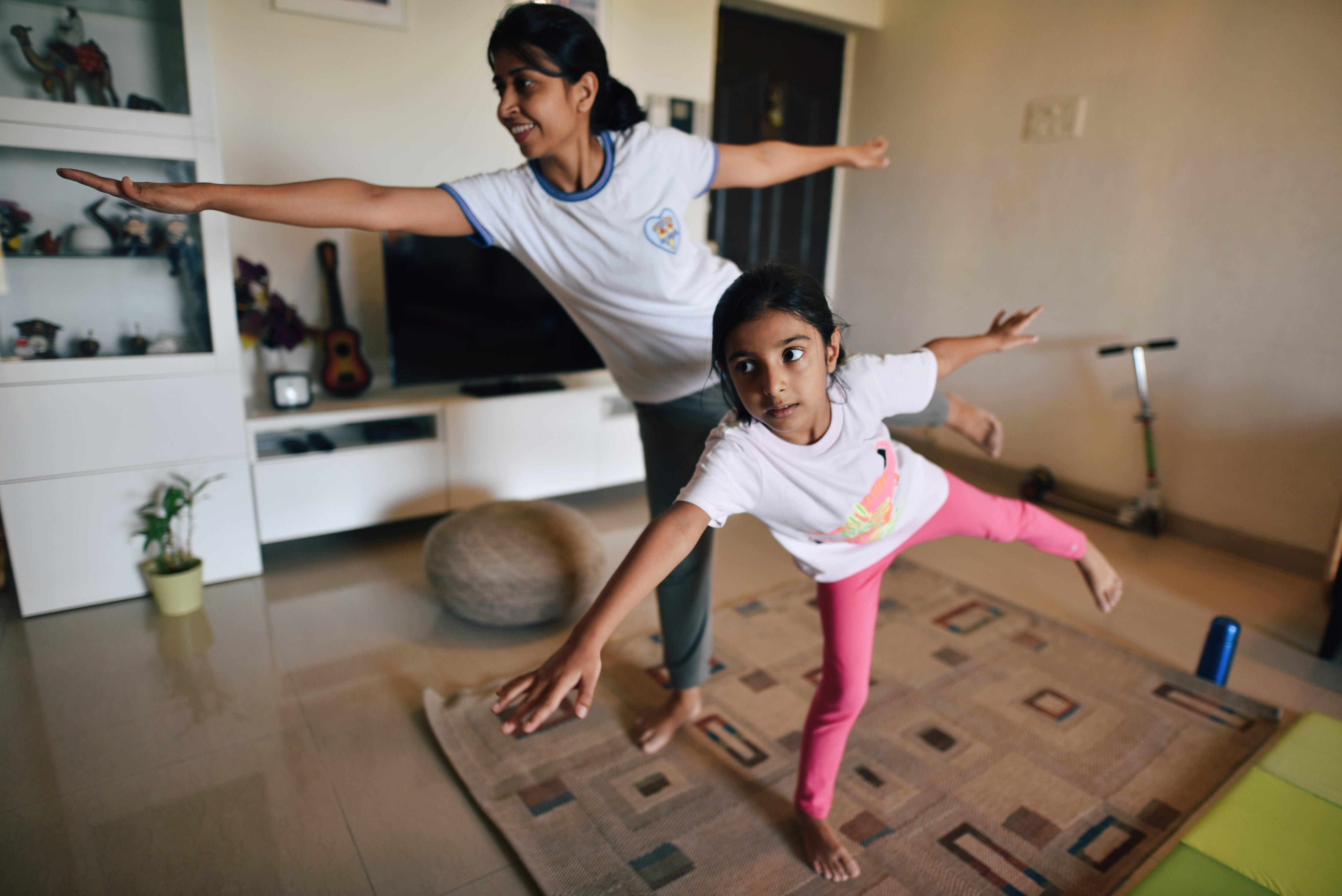
Be Well: How Yoga Can Benefit Children
Be Well: Understanding Strokes and How Doctors Work to Reverse Their Effects
Be Well: Destigmatizing Conversations Around Sexual Health and Organs
Be Well: How to Diversify Your Water Consumption