Global coronavirus cases have surpassed 200,000 Wednesday morning and more than 8,200 have lost their lives since a novel virus appeared in the Hubei province of China late last year.
According to a tally kept by Johns Hopkins University, more than 82,000 people have recovered from the virus.
As of 9 a.m. Wednesday, China tops the list with 81,102 cases, Italy has the second-highest number of cases with 31,506 and Iran comes next with 17,361.
All 50 states in the U.S. are now linked to the virus, with nearly 6,500 confirmed cases around the nation. West Virginia was the last state to report a coronavirus case Tuesday afternoon.
At least 100 people have died in the U.S., linked to the virus’s outbreak. Thirty of those individuals are linked to the Life Care Center in Kirkland, Wash., one of the first hotspots of community spread in the nation.
As test production ramps up around the nation, those numbers are expected to rise.
U.S. health regulators on Monday approved a new easy-to-use version of a medication to reverse overdoses caused by fentanyl and other opioids driving the nation’s drug crisis.
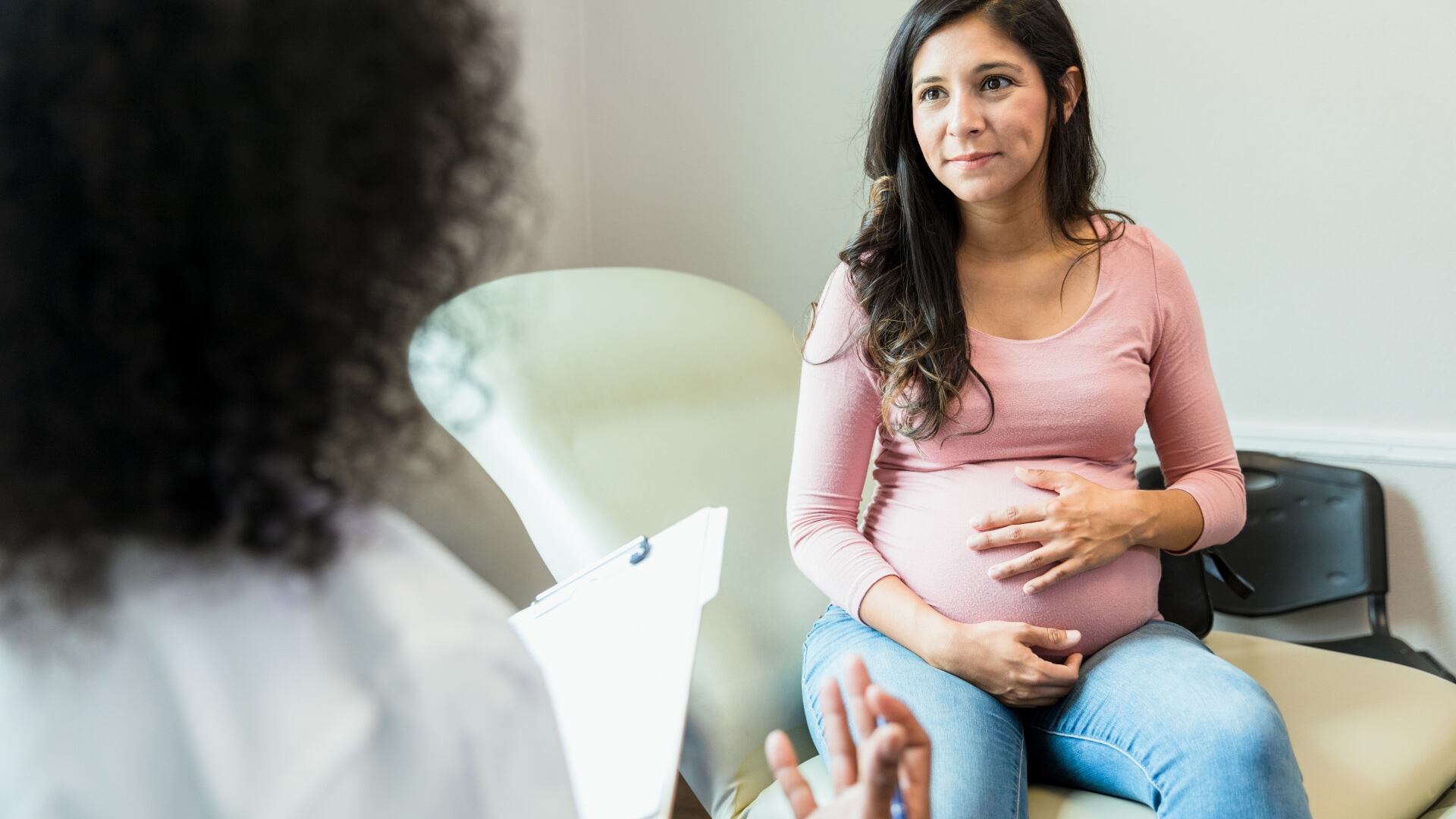
Millions of Americans are impacted by mental health issues and a growing number of them are teenagers, causing concerns for parents across the country. Psychiatrist Dr. Liat Jarkon spoke with Cheddar News about how parents can have open and honest conversations with their kids.
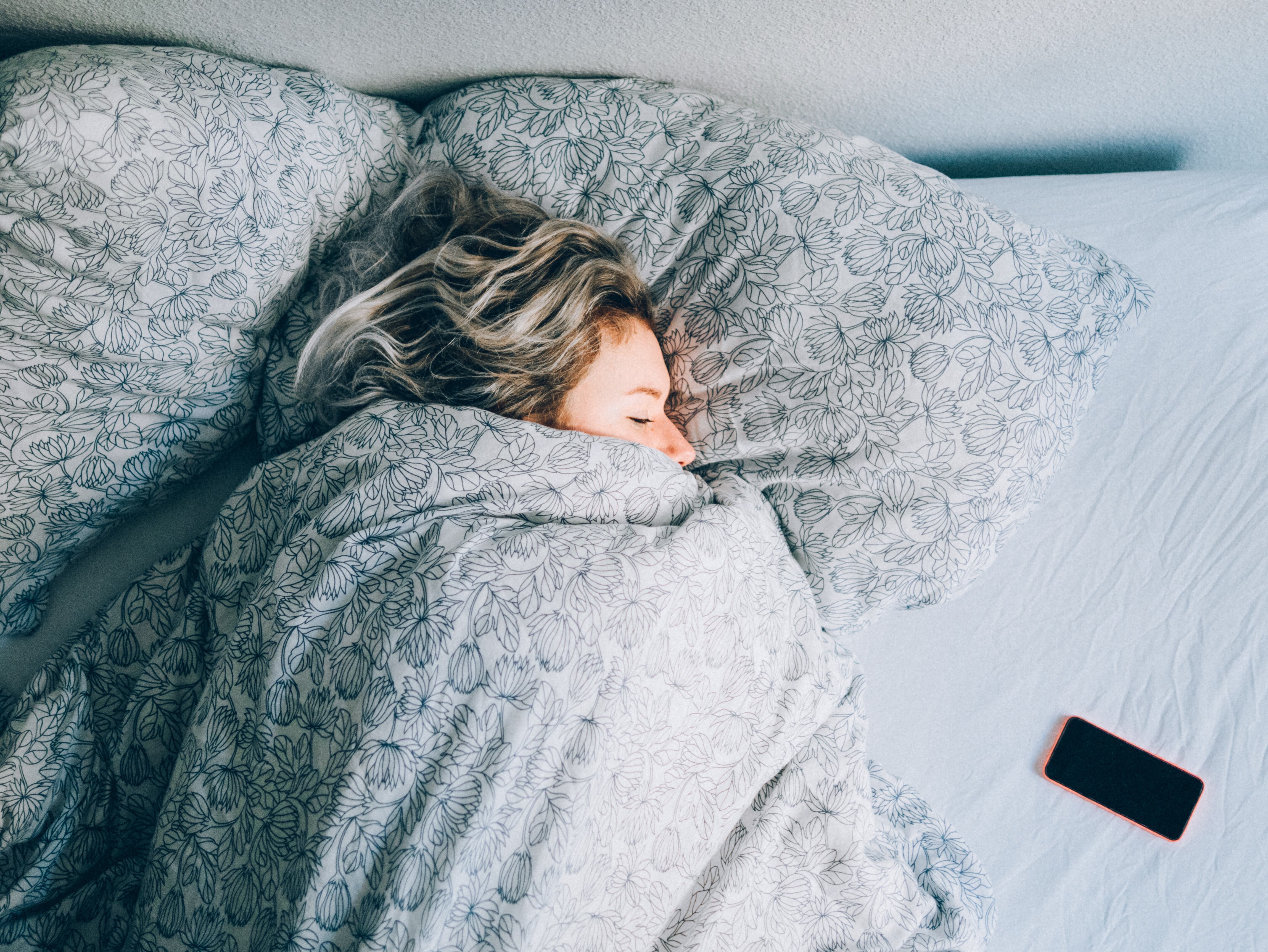
A new study shows that climate change is making it harder to fall asleep. The study, published in Cell Press over the weekend, shows that millions of people are already sleeping less because of higher overnight temperatures.
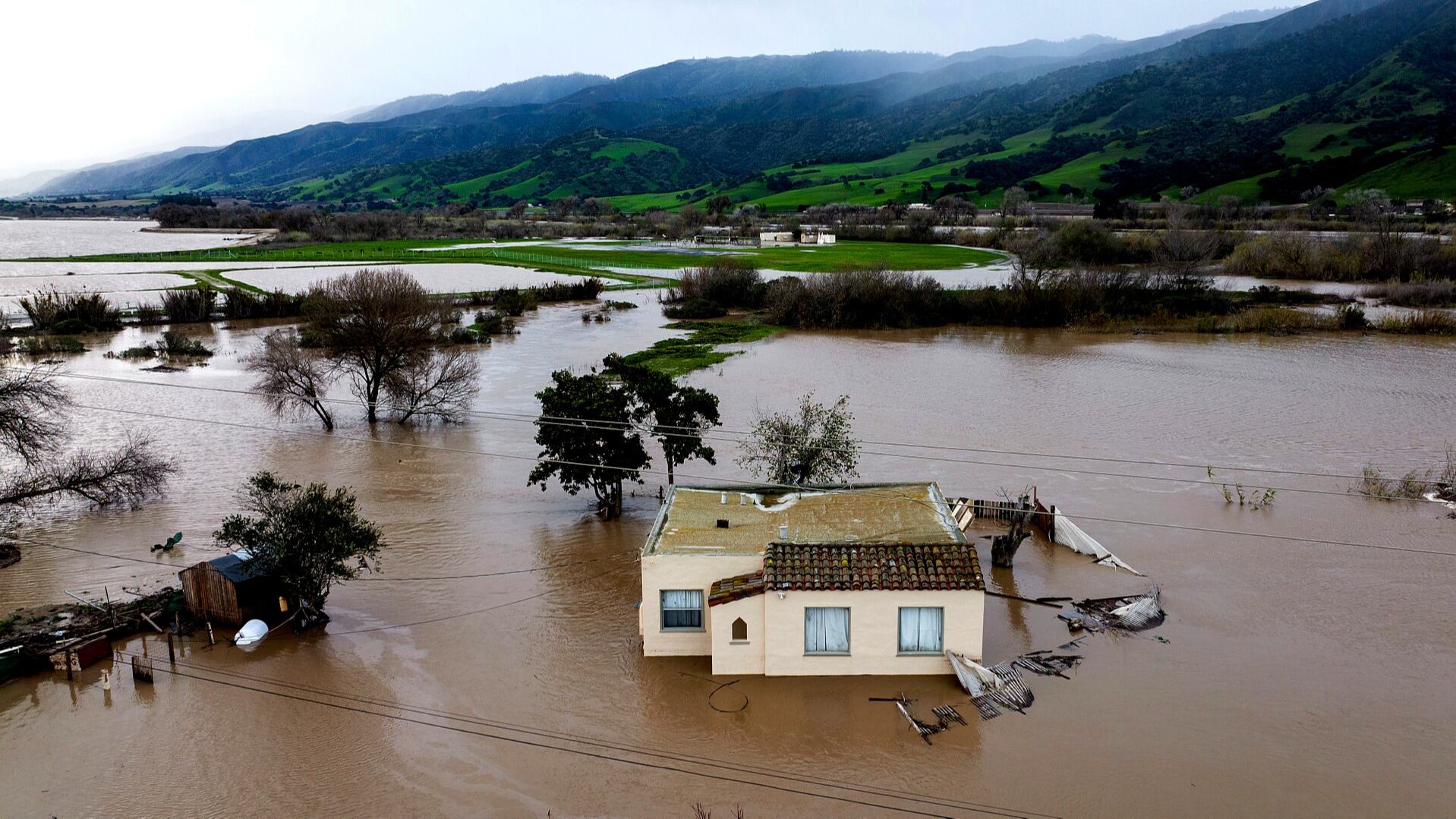
The natural burst of El Nino warming that changes weather worldwide is far costlier with longer-lasting expenses than experts had thought, averaging trillions of dollars in damage, a new study found.