The world has lost 68 percent of wildlife species since 1970, according to the World Wildlife Fund, a global nonprofit. This represents a staggering loss of what scientists call biodiversity, a crucial metric of environmental health.
"If you begin to reduce or remove animals and plants from any ecosystem, the way it functions begins to unravel, and that's what's happening now," Rebecca Shaw, global chief scientist for World Wildlife Fund, told Cheddar. "Biodiversity then is under threat primarily from habitat destruction and over-harvest."
This steep reduction in biodiversity has serious implications not just for the animal kingdom but for humans as well.
"All of the species in an ecosystem play a role in delivering benefits to humans," she said. "We call them ecosystem services, because they're services that come from the ecosystem like clean air or clean water. So when we reduce populations of animal or plant species, we reduce the capacity of an ecosystem to deliver those services."
She pointed to one study showing that three billion birds are missing from North American skies, which has implications for crucial environmental processes such as pollination and seed dispersal for plants. Similar depopulations are taking place in marine ecosystems as well.
"Globally, hundreds of millions of people depend on their local fisheries for income and nutrition — I know my community does — and the decline of fish species leads to less productive fishery systems and undermines the health and welfare of those people that are dependent on those oceans," Shaw said.
There have been global efforts to counter this decline, but they've met with limited success in reversing the downward trends.
In 2010, the United Nations Convention on Biological Diversity gathered in Japan to establish the Aichi Biodiversity Targets, setting specific goals to halt or reduce the destruction of wildlife.
Shaw said the UN agency started evaluating the success of those targets this year.
"It doesn't look at all," she said. "While we came close to protecting 17 percent of the world's forests, which was a target, we failed miserably to protect the world's oceans and fisheries in the world's oceans."
The UN is set to meet again to establish goals for the next 10 years, but the date of this meeting has been delayed until the first quarter of 2021 due to the coronavirus pandemic.
In the meantime, Shaw said it is crucial that governments work with the food industry in particular to fight the loss of biodiversity.
"Production and consumption of food is the major driver of habitat destruction and over-harvesting on the planet," she said. "So the policy actions include working with companies that produce and sell food to make sure that the production of their products is biodiversity friendly."
As for the average consumer, a change in diet could help as well, including eating less red meat. "We need to eat smarter and reduce food waste," she added.
A subvariant of the omicron COVID-19 variant called BA.2 is causing an outbreak overseas. Now, some health experts worry it could also lead to an increase in COVID-19 cases in the U.S. Dr. Amesh Adalja, infectious disease specialist and senior scholar at Johns Hopkins Center for Health Security, joins Cheddar News to discuss.
Dr. Alan Kaplin, Chief Scientific Officer of MyMD, joins Cheddar Innovates to discuss how the MYMD-1 is on track to be the first FDA-approved drug to treat aging and age-related diseases.
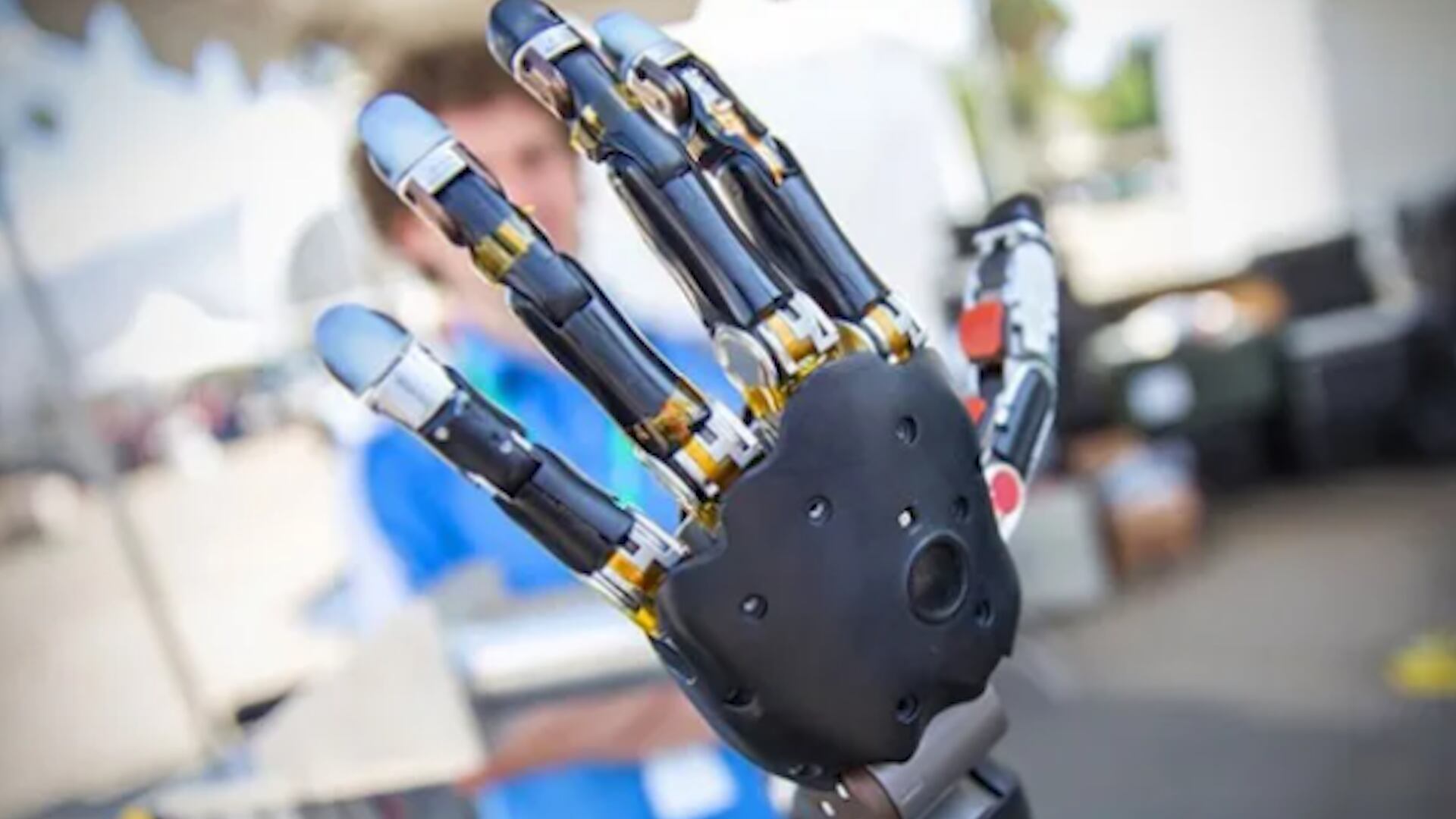
Tyler Hayes, CEO of Atom Limbs, joins Cheddar Innovates to discuss how the Atom Touch prosthetic is different from other prosthetics on the market, and how the Atom Limbs team of former Apple and Tesla leaders are bringing innovation into this industry.
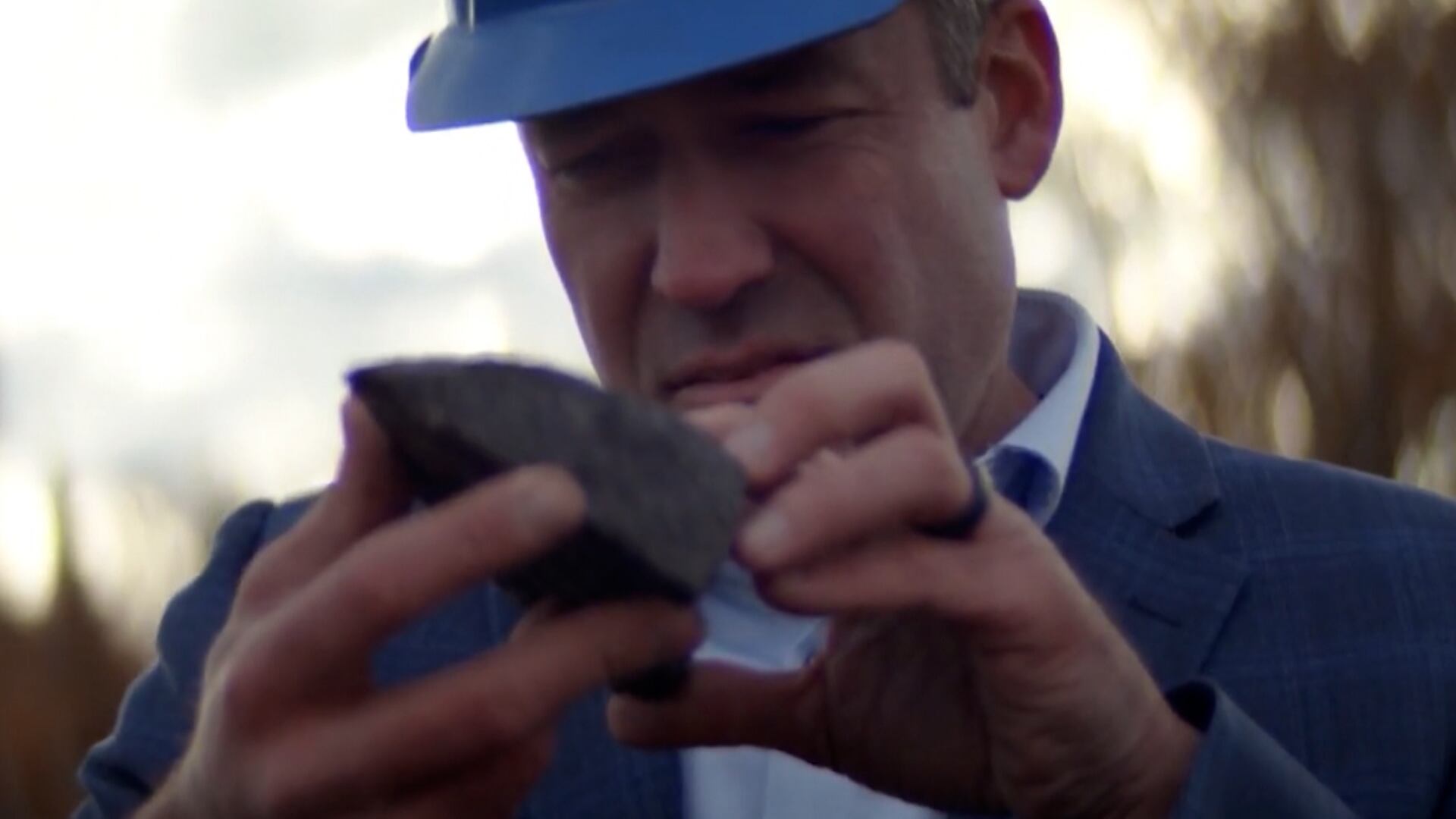
Nouveau Monde Graphite says it wants to power the sustainable energy revolution. The Canadian company is developing carbon-neutral battery materials to serve the growing EV and cleantech markets and is doing so via a mining and manufacturing operation in Quebec. Eric Desaulniers, founder, president & CEO of Nouveau Monde Graphite, joins Cheddar News' Closing Bell to discuss.
Health experts are warning an even more contagious subvariant of Omicron, known as BA.2, could soon lead to another surge in Covid cases here in the U.S. The variant has already driven cases to skyrocket in China and Europe, which has historically served as a preview to the pattern the U.S. has seen throughout the pandemic. This comes at a time when protection from booster shots is waning for most people who got them. Dr. Jen Caudle, Family Physician & Associate Professor at Rowan University, explains what we can do to protect ourselves against the new variant and how we should act as warnings of another surge rise.
Catching you up on what you need to know Mar 24, 2022, with NATO meeting updates, Ukraine retaking suburbs around Kyiv, the spread of omicron subvariant BA.2 in China, Google Pay launching a third-party billing option, and a 16-year-old is suspected of being the Lapsus$ mastermind behind hacks of Microsoft and others.
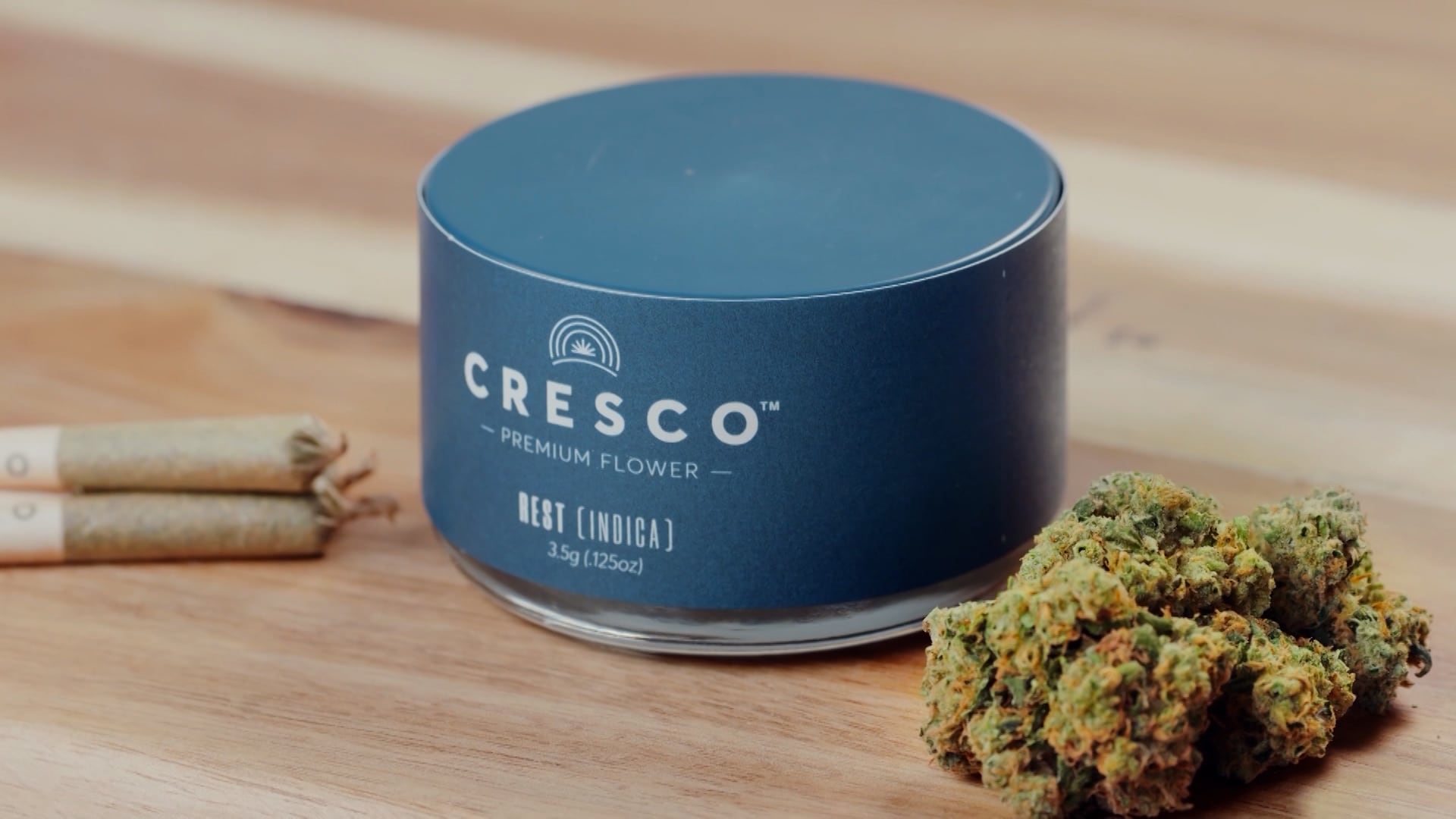
Cannabis producer Cresco Labs is acquiring rival Columbia Care in a $2 billion all-stock deal, creating the largest U.S. cannabis company by sales. The deal, which is expected to close in the fourth quarter of 2022, is one of the biggest in the industry's history and would make Cresco the dominant player in a market projected to reach $46 billion in revenue by 2026. Charlie Bachtell, CEO of Cresco Labs, joins Cheddar News' Closing Bell to discuss.
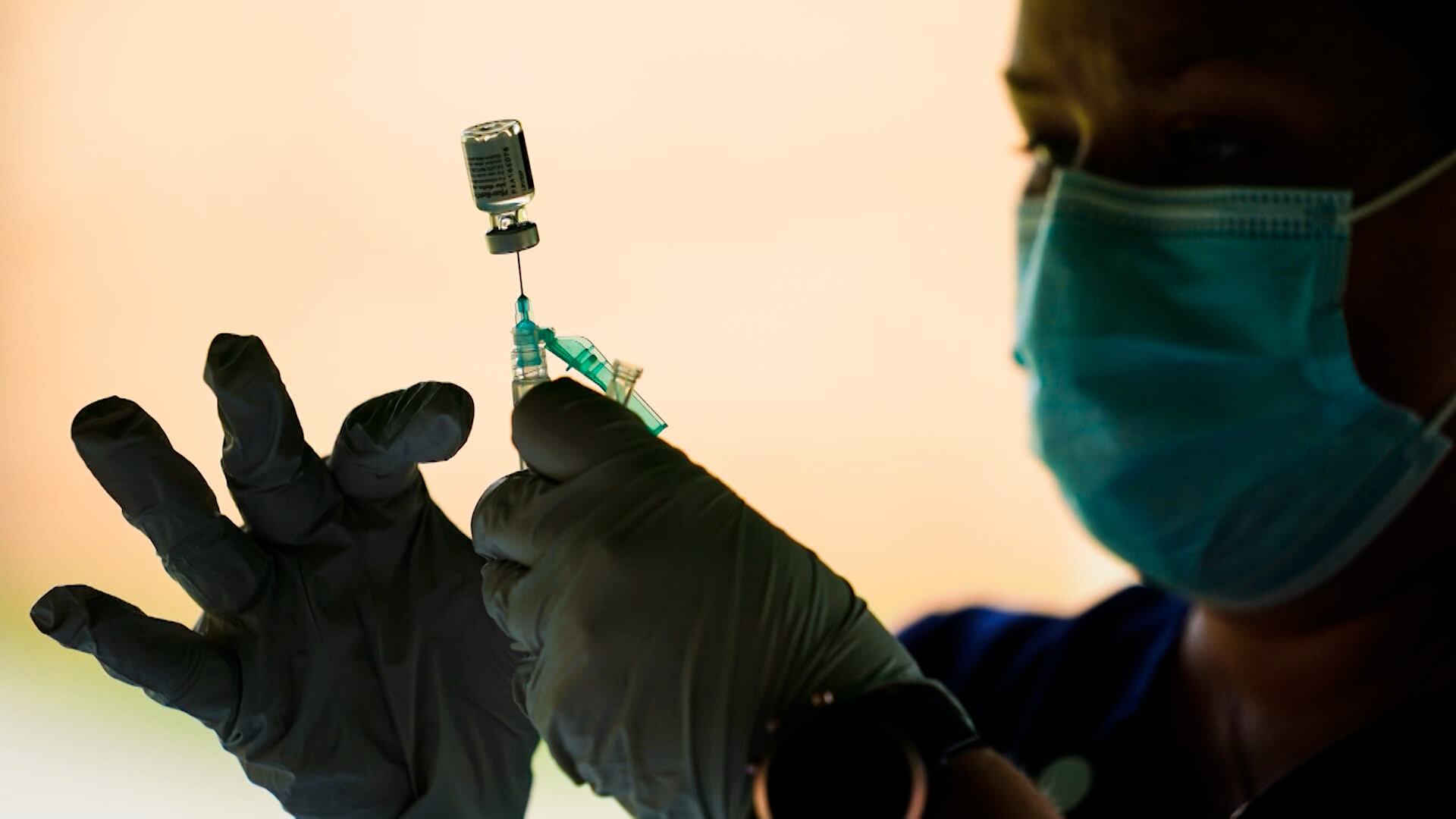
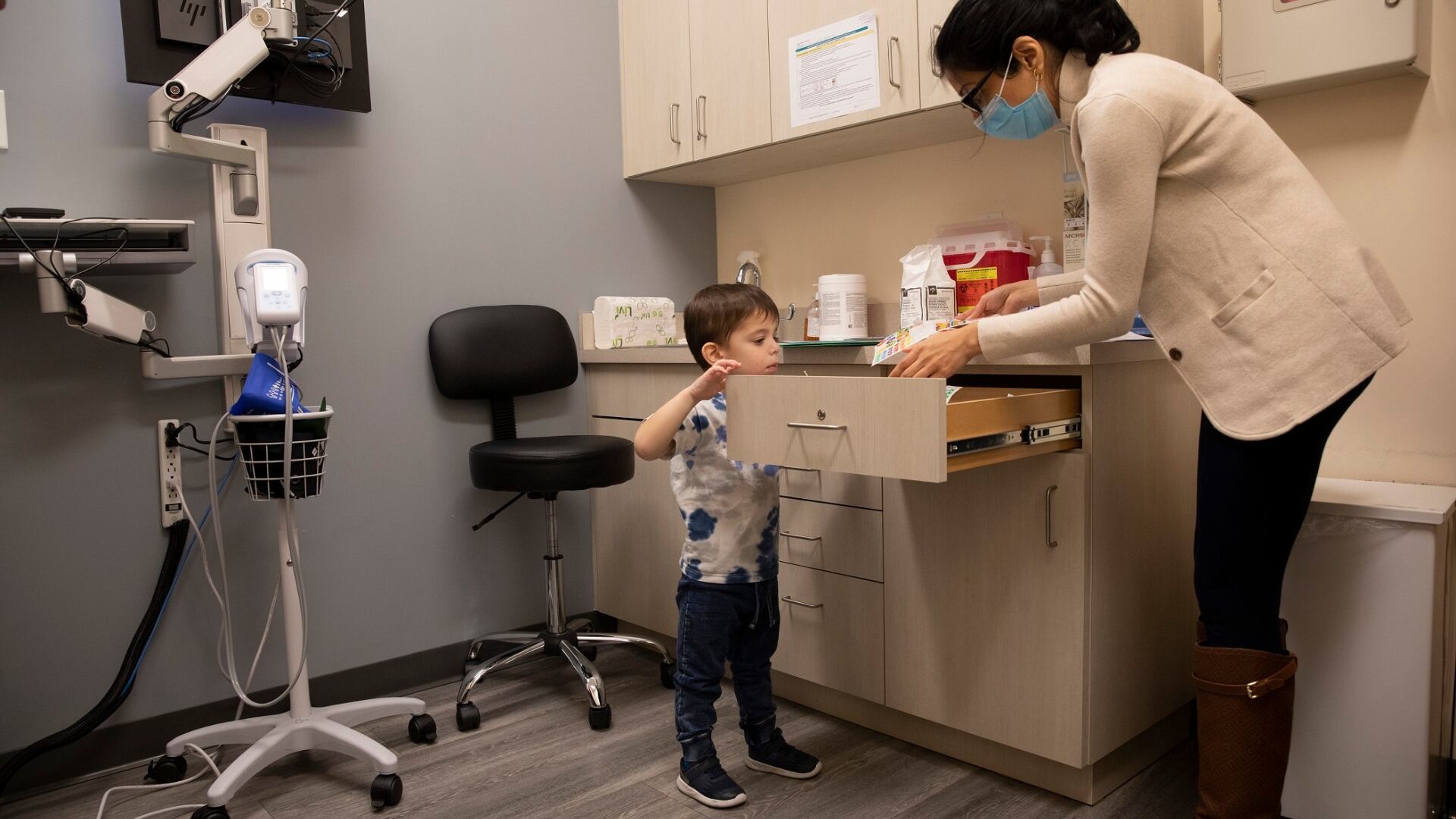
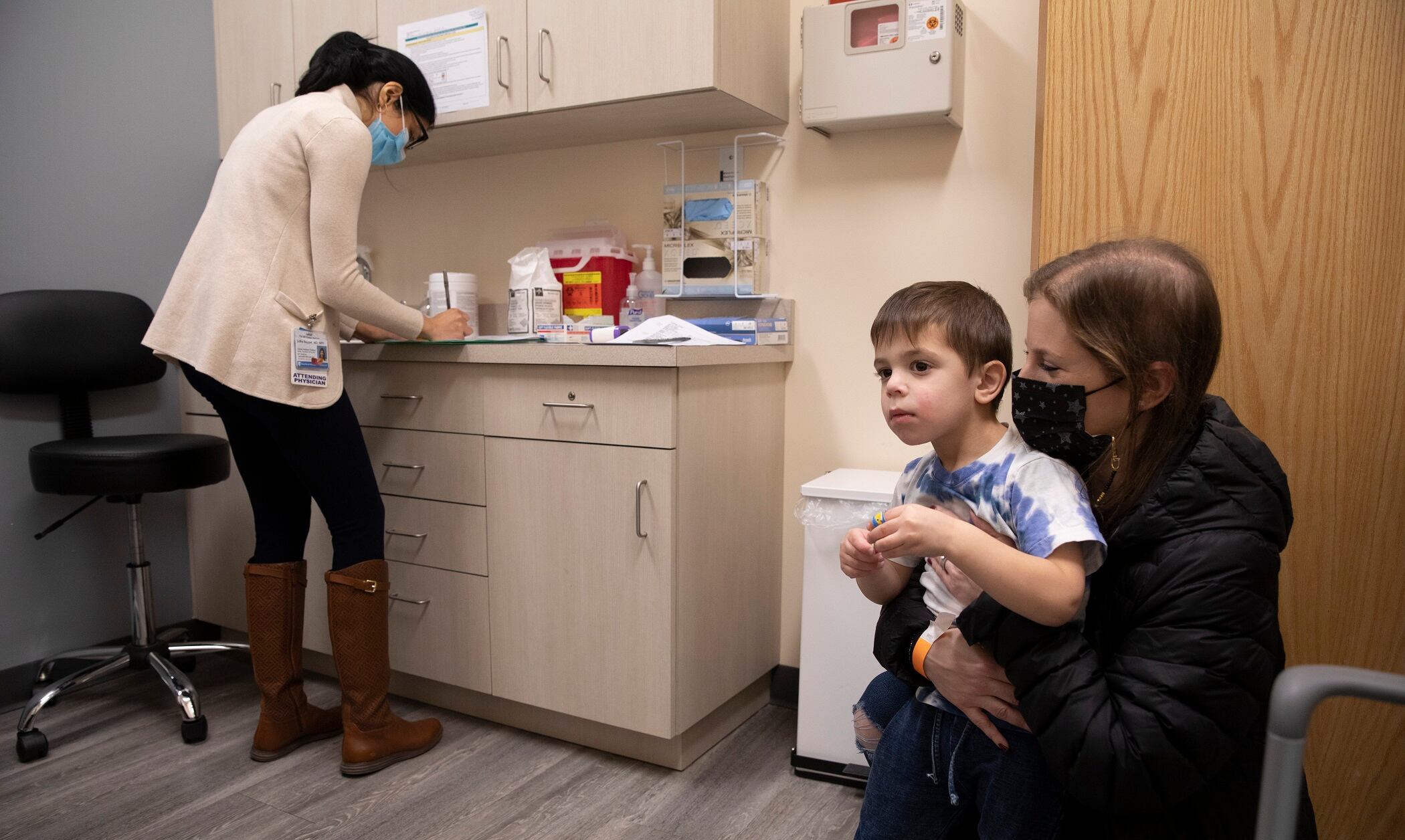
Moderna announced it's seeking emergency use approval for its COVID-19 vaccine from the FDA for children under 6 years old. A former FDA associate commissioner and the president and co-founder of the Center for Medicine in the Public Interest (CMPI) Peter Pitts joined Cheddar News to talk about the timeline, benefits, and risks that come with the approval of the vaccine. "We want to protect their parents and their grandparents and their caregivers and their daycare providers, so it's all about protecting not just the kids but all around the people that are surrounding those kids," he said.
Moderna says its COVID-19 vaccine works in babies, toddlers and preschoolers. The company announced early findings Wednesday from a study of children younger than 6.
Catching you up on what you Need to Know on Mar 23, 2022, as NATO meets in Brussels to discuss Ukraine, mortgage rates rise, Justin Trudeau is set to lead Canada until 2025, tornadoes sweep through Louisiana, California may do away with SATs, and a Starbucks in Seattle unionizes.