The world has lost 68 percent of wildlife species since 1970, according to the World Wildlife Fund, a global nonprofit. This represents a staggering loss of what scientists call biodiversity, a crucial metric of environmental health.
"If you begin to reduce or remove animals and plants from any ecosystem, the way it functions begins to unravel, and that's what's happening now," Rebecca Shaw, global chief scientist for World Wildlife Fund, told Cheddar. "Biodiversity then is under threat primarily from habitat destruction and over-harvest."
This steep reduction in biodiversity has serious implications not just for the animal kingdom but for humans as well.
"All of the species in an ecosystem play a role in delivering benefits to humans," she said. "We call them ecosystem services, because they're services that come from the ecosystem like clean air or clean water. So when we reduce populations of animal or plant species, we reduce the capacity of an ecosystem to deliver those services."
She pointed to one study showing that three billion birds are missing from North American skies, which has implications for crucial environmental processes such as pollination and seed dispersal for plants. Similar depopulations are taking place in marine ecosystems as well.
"Globally, hundreds of millions of people depend on their local fisheries for income and nutrition — I know my community does — and the decline of fish species leads to less productive fishery systems and undermines the health and welfare of those people that are dependent on those oceans," Shaw said.
There have been global efforts to counter this decline, but they've met with limited success in reversing the downward trends.
In 2010, the United Nations Convention on Biological Diversity gathered in Japan to establish the Aichi Biodiversity Targets, setting specific goals to halt or reduce the destruction of wildlife.
Shaw said the UN agency started evaluating the success of those targets this year.
"It doesn't look at all," she said. "While we came close to protecting 17 percent of the world's forests, which was a target, we failed miserably to protect the world's oceans and fisheries in the world's oceans."
The UN is set to meet again to establish goals for the next 10 years, but the date of this meeting has been delayed until the first quarter of 2021 due to the coronavirus pandemic.
In the meantime, Shaw said it is crucial that governments work with the food industry in particular to fight the loss of biodiversity.
"Production and consumption of food is the major driver of habitat destruction and over-harvesting on the planet," she said. "So the policy actions include working with companies that produce and sell food to make sure that the production of their products is biodiversity friendly."
As for the average consumer, a change in diet could help as well, including eating less red meat. "We need to eat smarter and reduce food waste," she added.
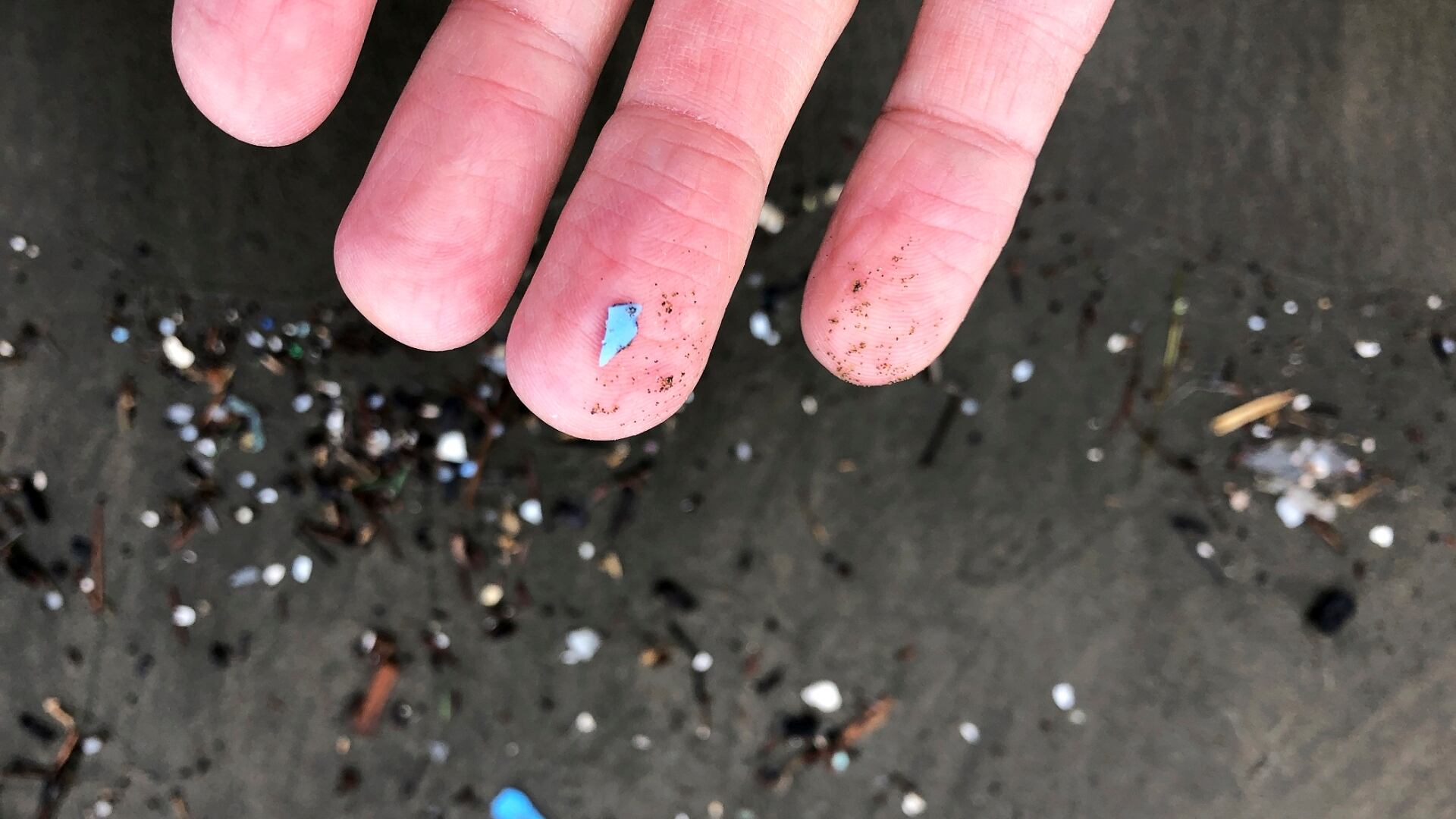
For the first time microplastics have been found deep in the lungs of living humans. The trace materials potentially came from everyday items such as plastic bottles and bags. Dr. Jessica Shepherd, the chief medical officer at Verywell Health, joined Cheddar News to talk about the report's findings and to discuss the possible risks people might face. "The study’s most important part is we need to decrease our pollution, and we need to think about different ways to consume outside of plastic," she said.
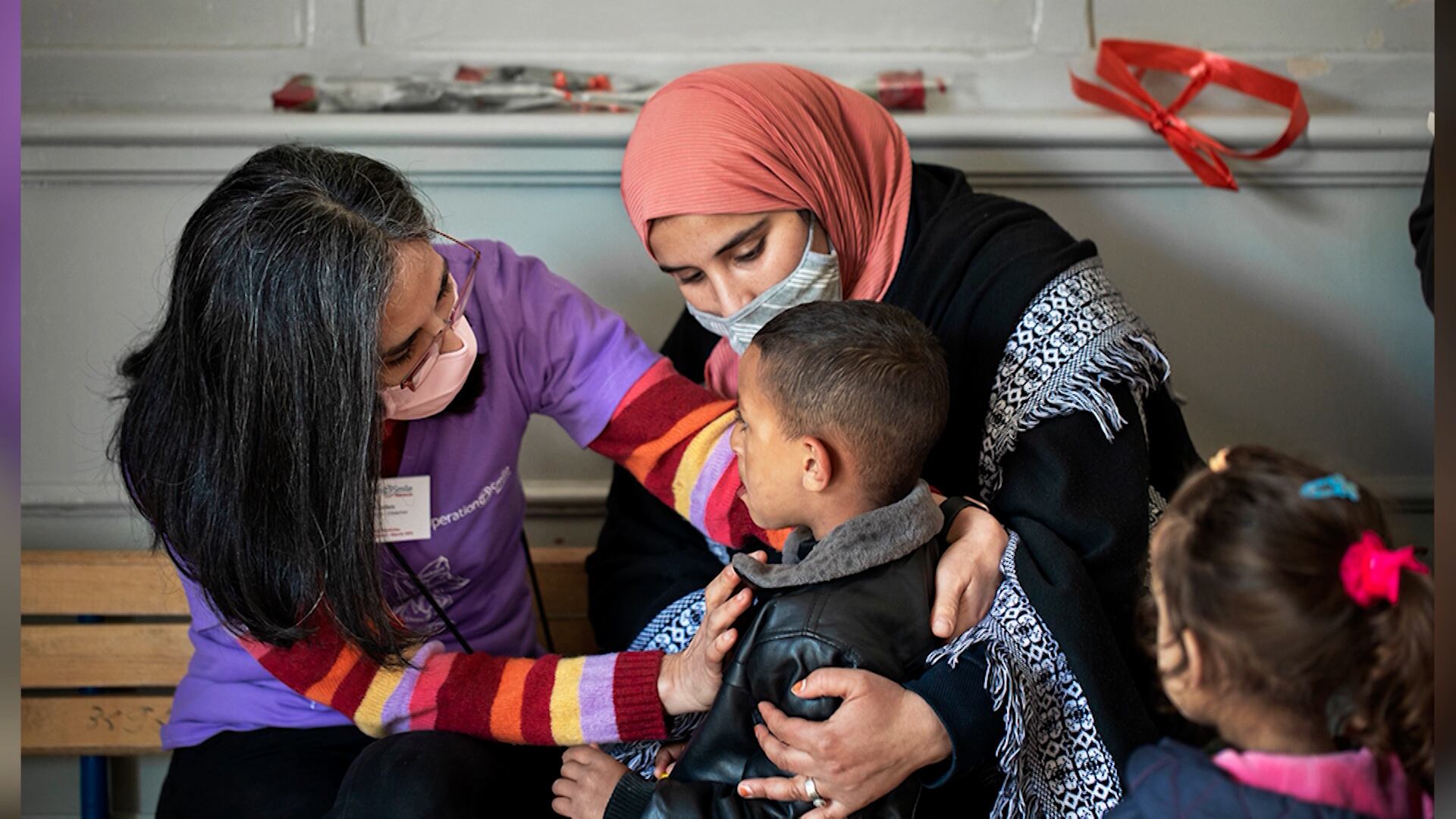
An estimated five billion people lack access to affordable and safe surgical care around the world. For World Health Day, Cheddar News spoke with Kristie Magee Porcaro of Operation Smile, a nonprofit organization assisting with cleft lip and palate surgeries, about how they work to better it around the globe.
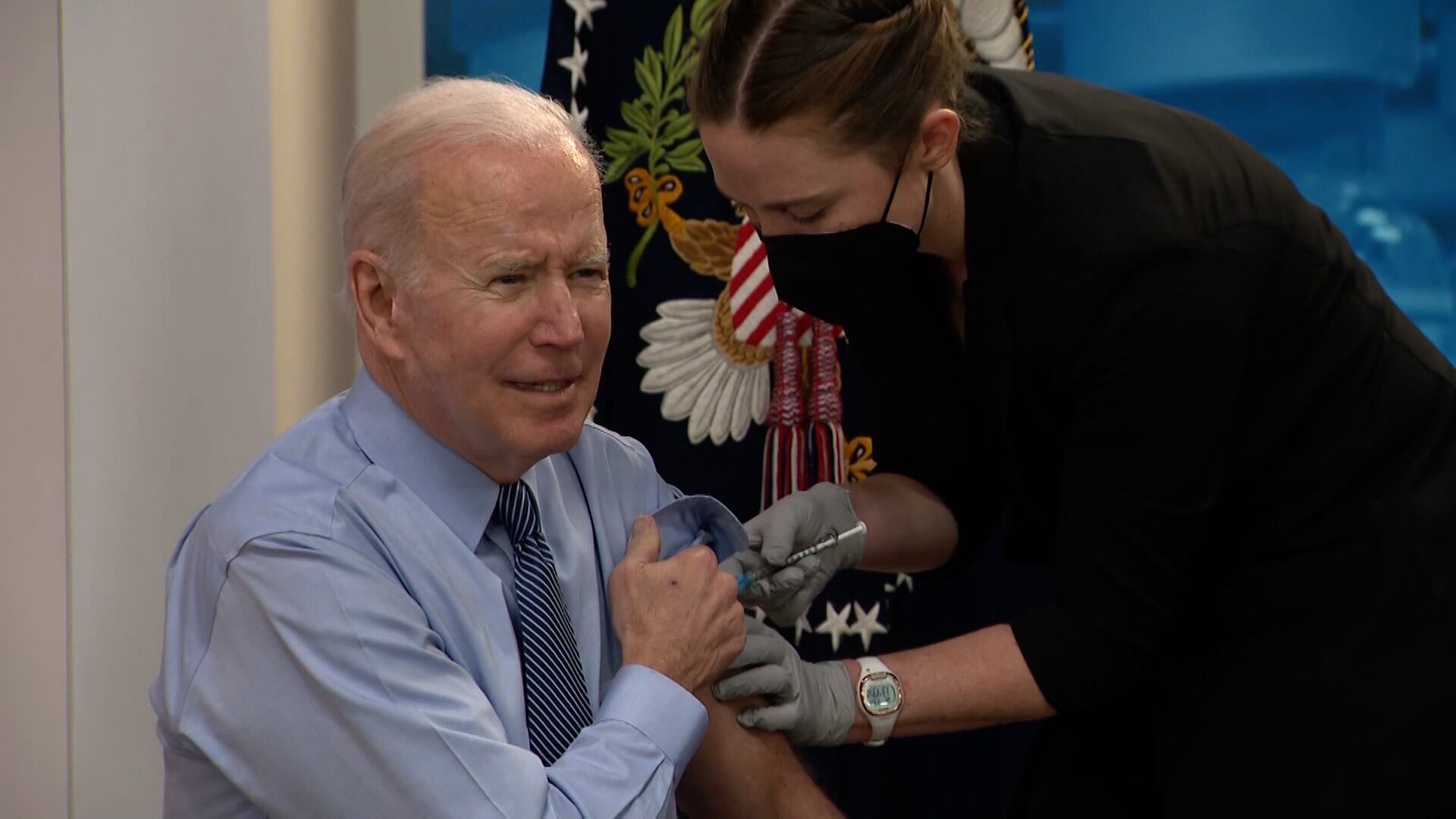
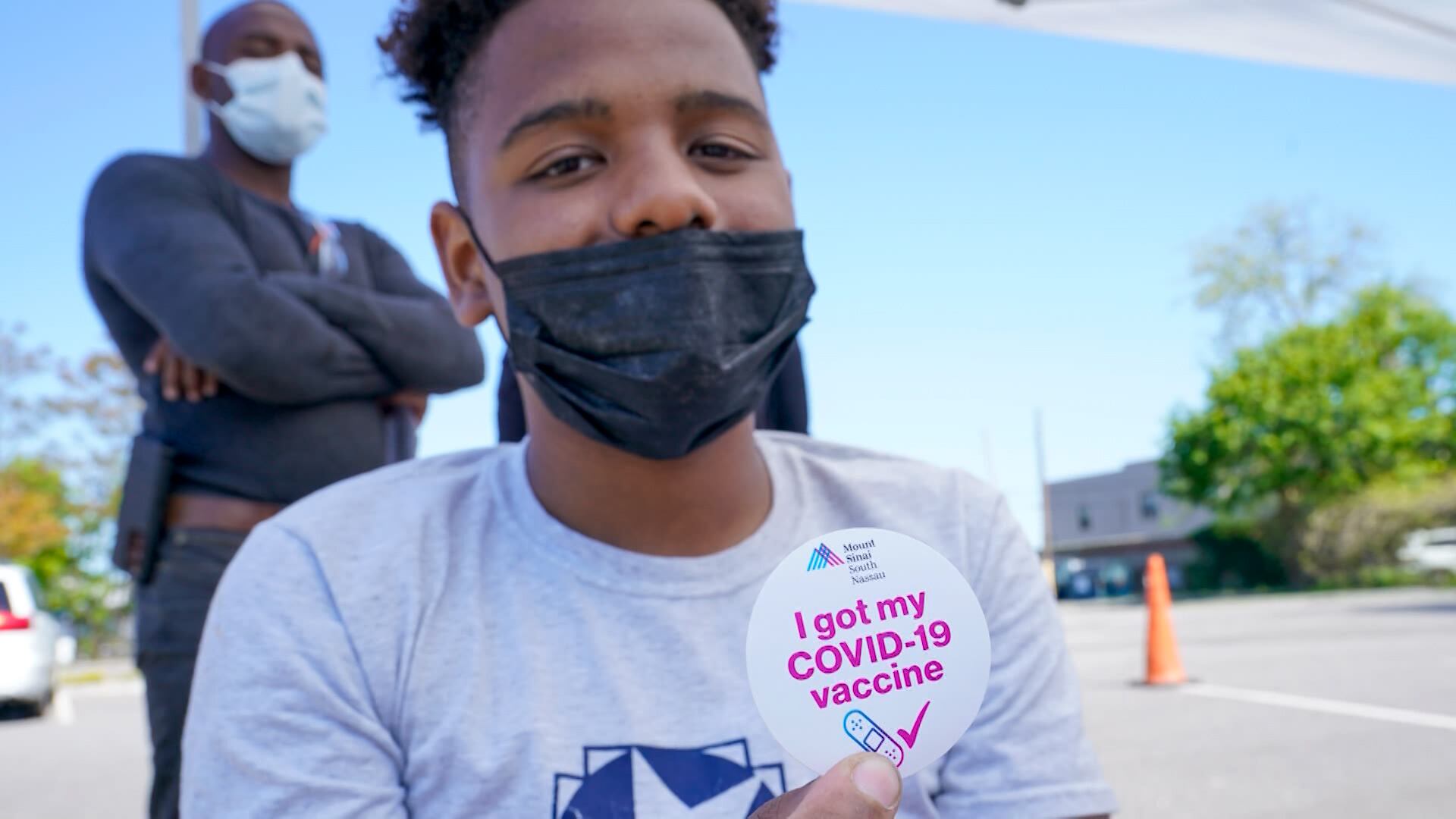
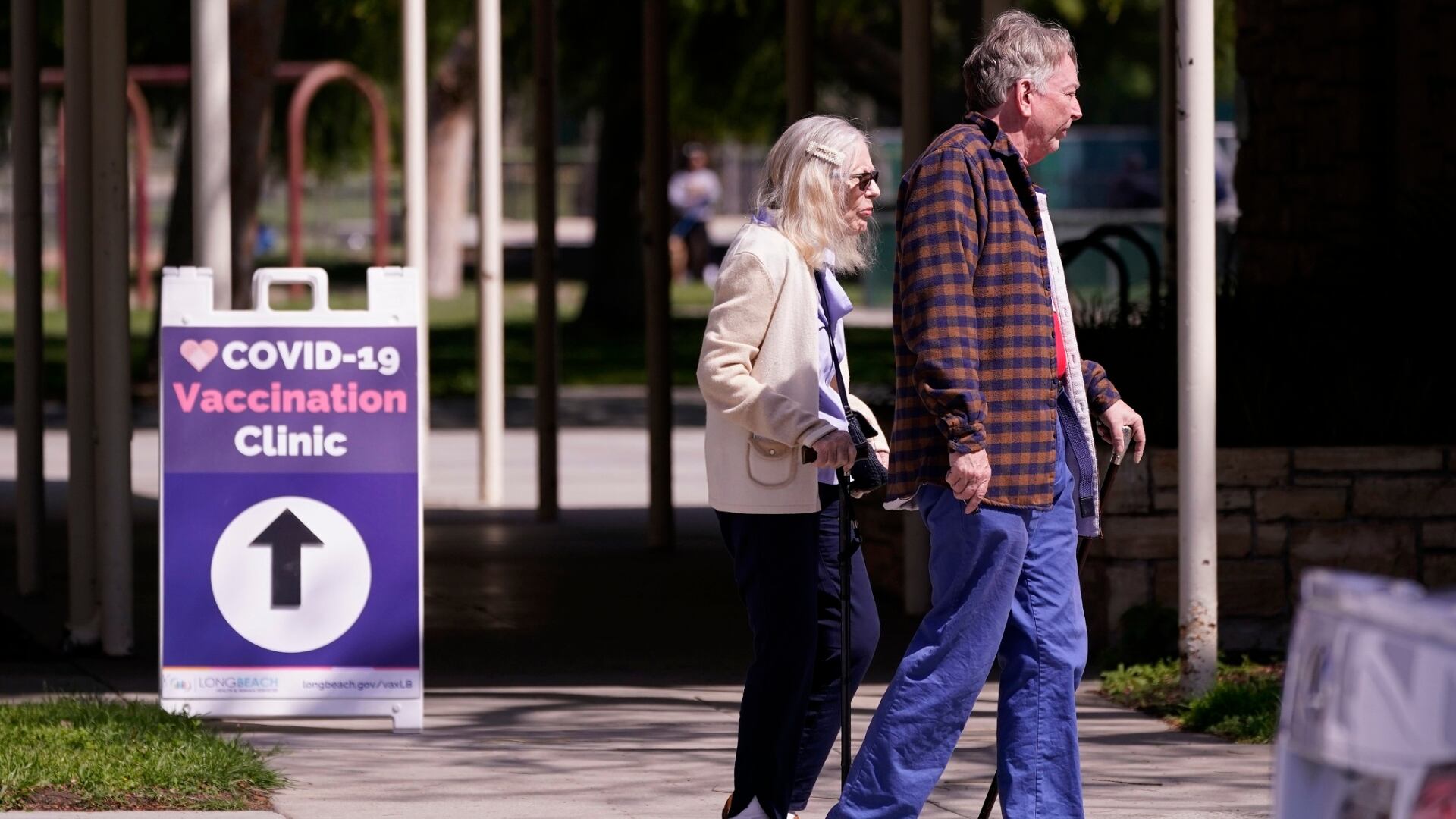
There has been notable disagreement in the medical community about a fourth COVID-19 vaccine dose. The FDA last week authorized a second booster dose for older and immunocompromised individuals, as some agency officials did not support the idea. The FDA made the decision without meeting with its advisory committee, as it had ahead of its recommendations on the previous COVID-19 vaccine doses.
The CDC followed in the footsteps of the FDA and authorized a fourth dose as well. Reports say the agency also did not discuss the move with its own advisory team of vaccine experts. Now, a growing number of doctors are speaking out against the decisions - leaving people confused about whether they should get another vaccine dose. Dr. Julie Morita, a member of the CDC's advisory committee to the director, and the executive vice president of the Robert Wood Johnson Foundation, joins Cheddar News' Closing Bell to discuss.
Talmon Marco, CEO of H2Pro, joins Cheddar Innovates to discuss how to bring environmentally friendly hydrogen to scale, and what this means for hydrogen's many use cases.
Catching you up on what you need to know on April 7, 2022, with updates on Ukraine urging NATO for military aid for their war with Russia, the SEC investigating Amazon, microplastics being found deep inside human lungs for the first time, and more.
Patients who have grown frustrated with lingering COVID-19 symptoms and unanswered questions are now not only the subjects of "long covid" research, but also partners in pushing this research forward. Harlan Krumholz, professor of medicine at Yale University, joins Cheddar News to discuss.
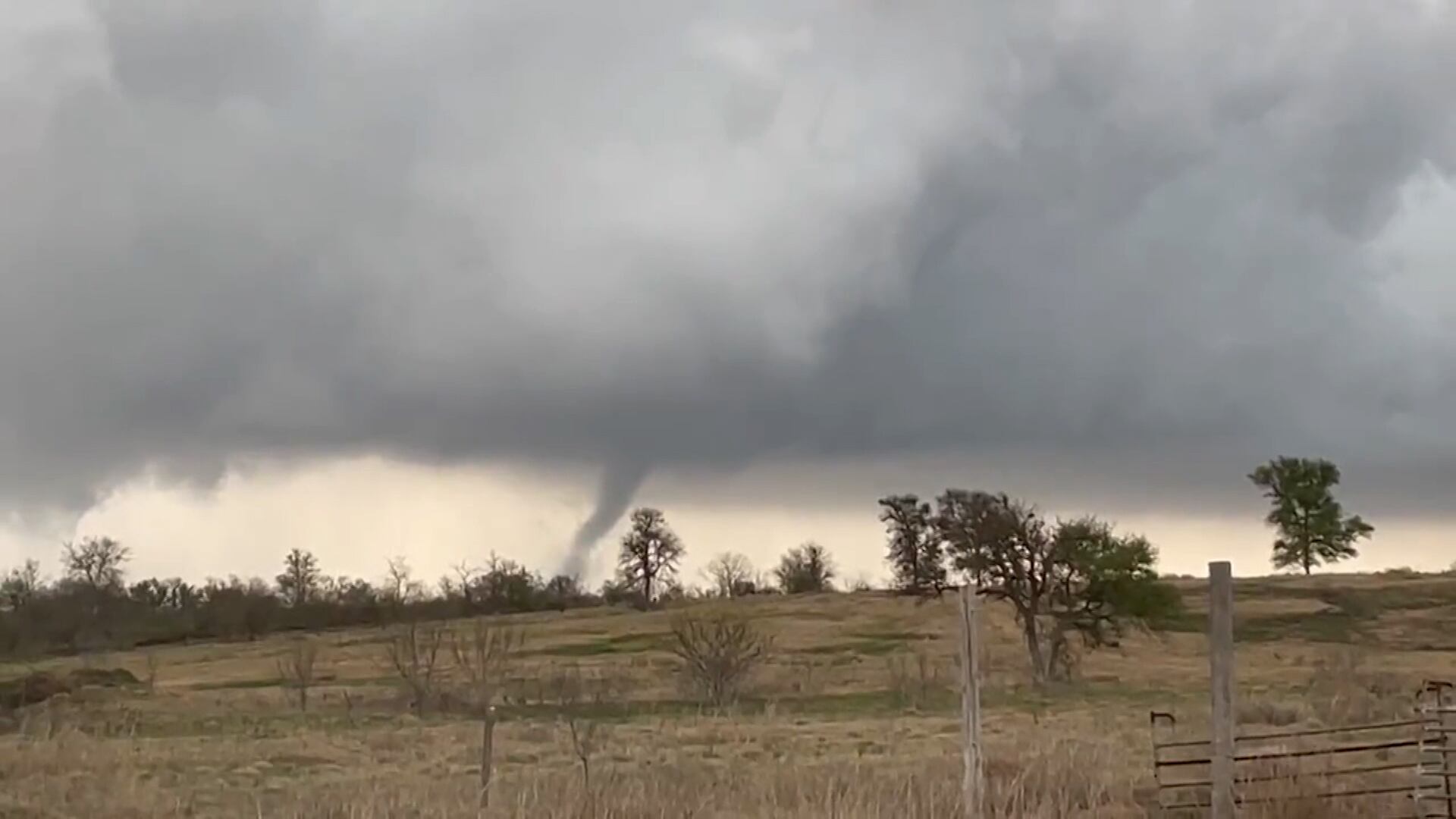
A record number of tornadoes were observed in March, topping the previous record set last year. Cheddar News speaks with NOAA’s Harold Brooks about what the implications are of an early tornado season.
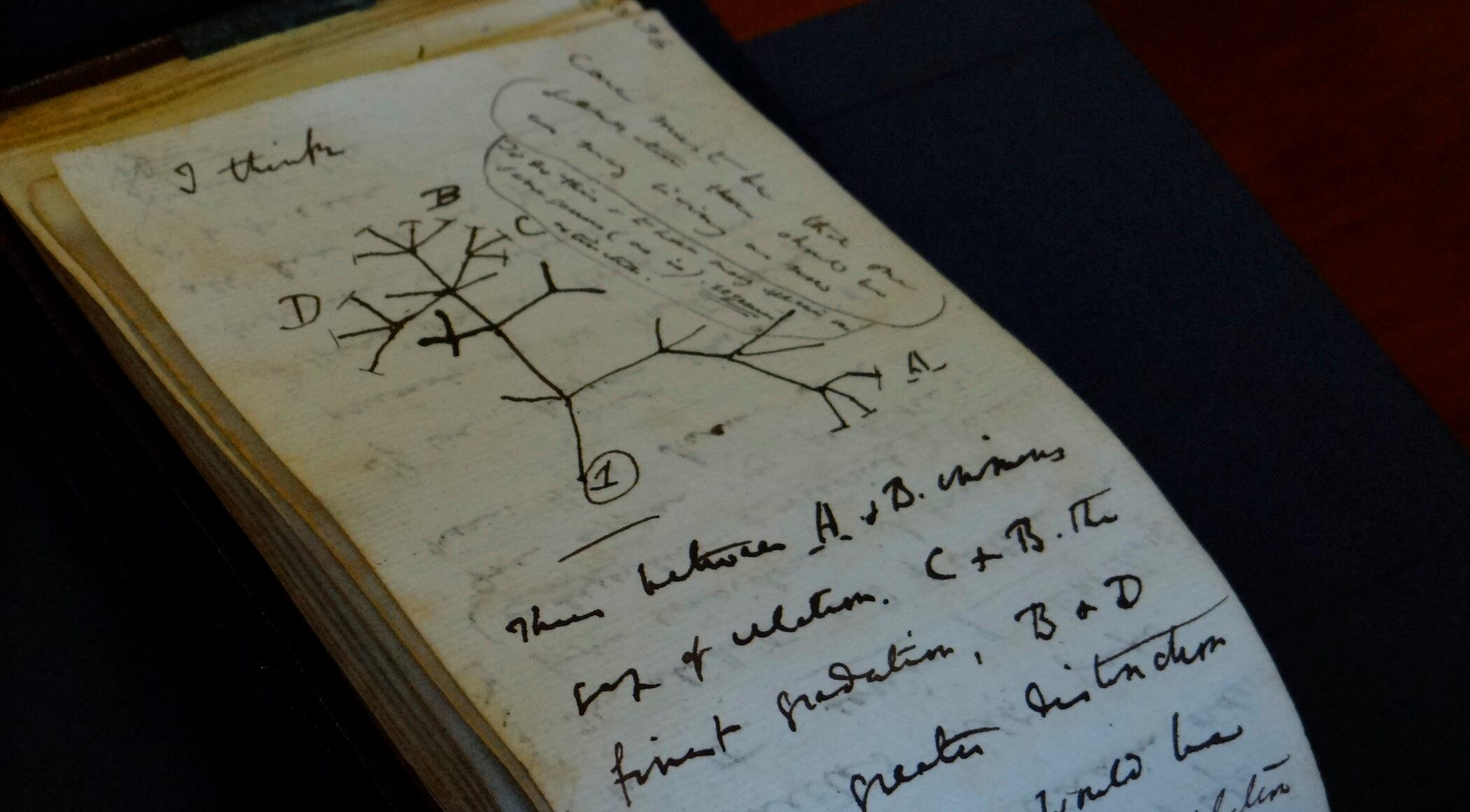
Catching you up on what you need to know on April 6, 2022, with updates on the FDA’s meeting to discuss a second COVID booster shot, more on the war in Ukraine, tornadoes on the Gulf coast, a third suspect arrested in connection to the mass shooting in California, Darwin’s lost notebooks mysteriously returned, and more.
Two of naturalist Charles Darwin’s notebooks that were reported stolen from Cambridge University have been returned, two decades after they disappeared.