The world has lost 68 percent of wildlife species since 1970, according to the World Wildlife Fund, a global nonprofit. This represents a staggering loss of what scientists call biodiversity, a crucial metric of environmental health.
"If you begin to reduce or remove animals and plants from any ecosystem, the way it functions begins to unravel, and that's what's happening now," Rebecca Shaw, global chief scientist for World Wildlife Fund, told Cheddar. "Biodiversity then is under threat primarily from habitat destruction and over-harvest."
This steep reduction in biodiversity has serious implications not just for the animal kingdom but for humans as well.
"All of the species in an ecosystem play a role in delivering benefits to humans," she said. "We call them ecosystem services, because they're services that come from the ecosystem like clean air or clean water. So when we reduce populations of animal or plant species, we reduce the capacity of an ecosystem to deliver those services."
She pointed to one study showing that three billion birds are missing from North American skies, which has implications for crucial environmental processes such as pollination and seed dispersal for plants. Similar depopulations are taking place in marine ecosystems as well.
"Globally, hundreds of millions of people depend on their local fisheries for income and nutrition — I know my community does — and the decline of fish species leads to less productive fishery systems and undermines the health and welfare of those people that are dependent on those oceans," Shaw said.
There have been global efforts to counter this decline, but they've met with limited success in reversing the downward trends.
In 2010, the United Nations Convention on Biological Diversity gathered in Japan to establish the Aichi Biodiversity Targets, setting specific goals to halt or reduce the destruction of wildlife.
Shaw said the UN agency started evaluating the success of those targets this year.
"It doesn't look at all," she said. "While we came close to protecting 17 percent of the world's forests, which was a target, we failed miserably to protect the world's oceans and fisheries in the world's oceans."
The UN is set to meet again to establish goals for the next 10 years, but the date of this meeting has been delayed until the first quarter of 2021 due to the coronavirus pandemic.
In the meantime, Shaw said it is crucial that governments work with the food industry in particular to fight the loss of biodiversity.
"Production and consumption of food is the major driver of habitat destruction and over-harvesting on the planet," she said. "So the policy actions include working with companies that produce and sell food to make sure that the production of their products is biodiversity friendly."
As for the average consumer, a change in diet could help as well, including eating less red meat. "We need to eat smarter and reduce food waste," she added.
The 2022 County Health Rankings largely found that the pandemic worsened the burdens faced by women, people of color, and in low income brackets. Cheddar News speaks with Sheri Johnson, co-director of County Health Rankings and Roadmaps who breaks down the details.
With National Infertility Awareness Week underway, the fertility and family-building benefits provider for employers, Kindbody, is looking to make a full suite of treatments and care accessible — including for LGBTQ+ patients. Founder and chairwoman Gina Bartasi joined Cheddar's Opening Bell to talk about the importance of infertility awareness, what role employers play in offering benefits, and how to remove the stigma around the fertility conversation. "We have to talk about the patient holistically, not just fertility services, but what can we do from a mental health standpoint to support patients," she said. "Most patients talk about fertility being more stressful than divorce, infertility being more prevalent than cancer or diabetes. So it is our mission, remains our mission, to elevate awareness around infertility, not just [during] National Infertility Awareness Week."
New York City’s geography makes it particularly at risk to the impacts of climate change - like rising seas and subsequent flooding. The city has already experienced the effects of increasingly severe weather. In response, the city is building a plan to protect itself, from flood walls, to levees, to redesigning its coast.
With mask mandates lifted across various parts of the country, healthy indoor air quality in public spaces is more crucial than ever before. According to the CDC, proper ventilation, in addition to other preventative measures, is instrumental to preventing the rapid spread of covid-19 indoors. As the push for higher air quality ramps up, AtmosAir is providing a high-tech solution for cleaner, greener air indoors. Steve Levine, CEO, AtmosAir, joined Cheddar’s Opening Bell to discuss.
Catching you up on what you need to know on April 27, 2022, with Tesla stocks absorbing an initial hit following Elon Musk's purchase of Twitter, Russia pausing its natural gas supplies to Poland and Bulgaria, NASA's SpaceX Crew-4 mission taking off, and more.
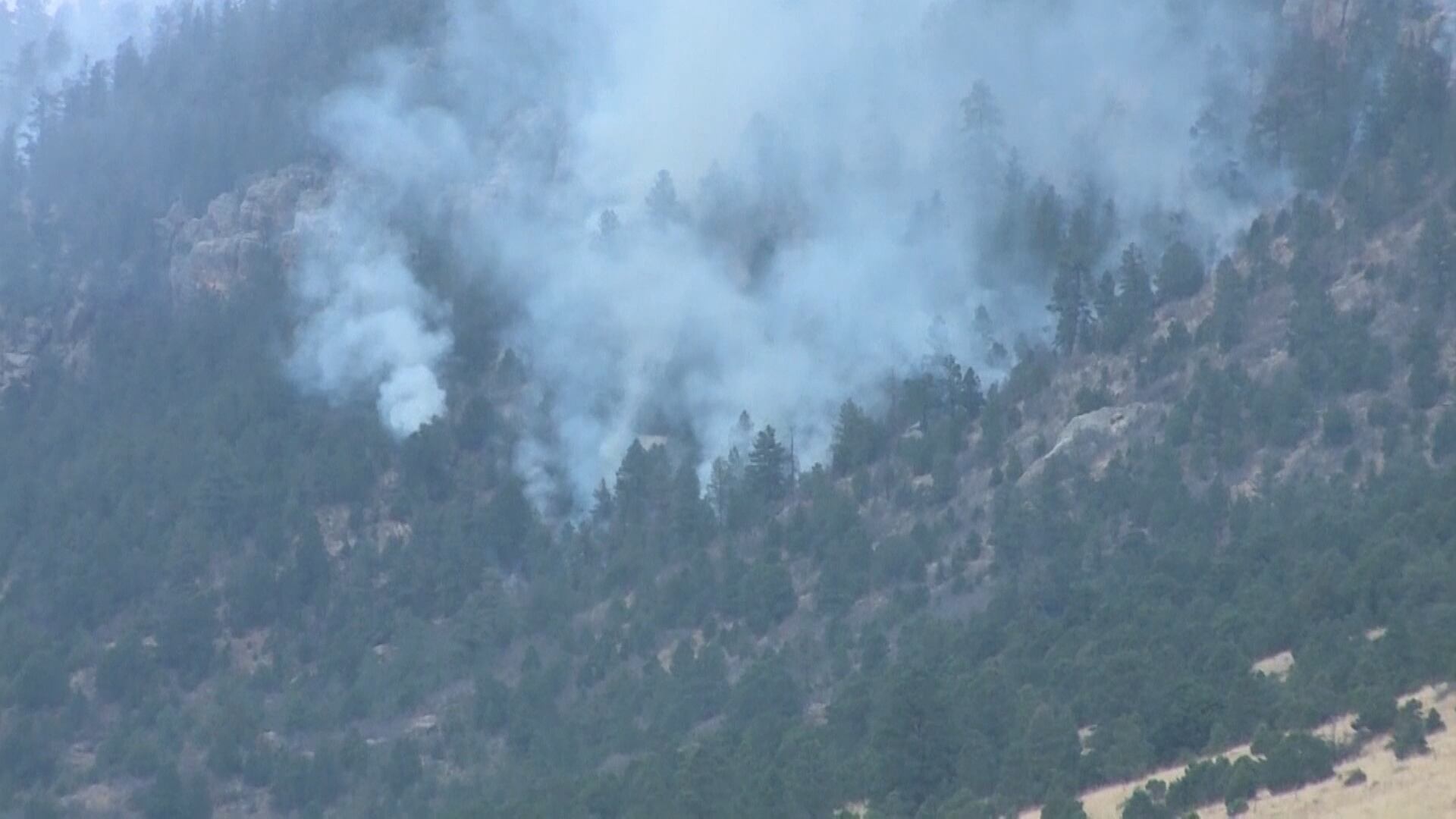
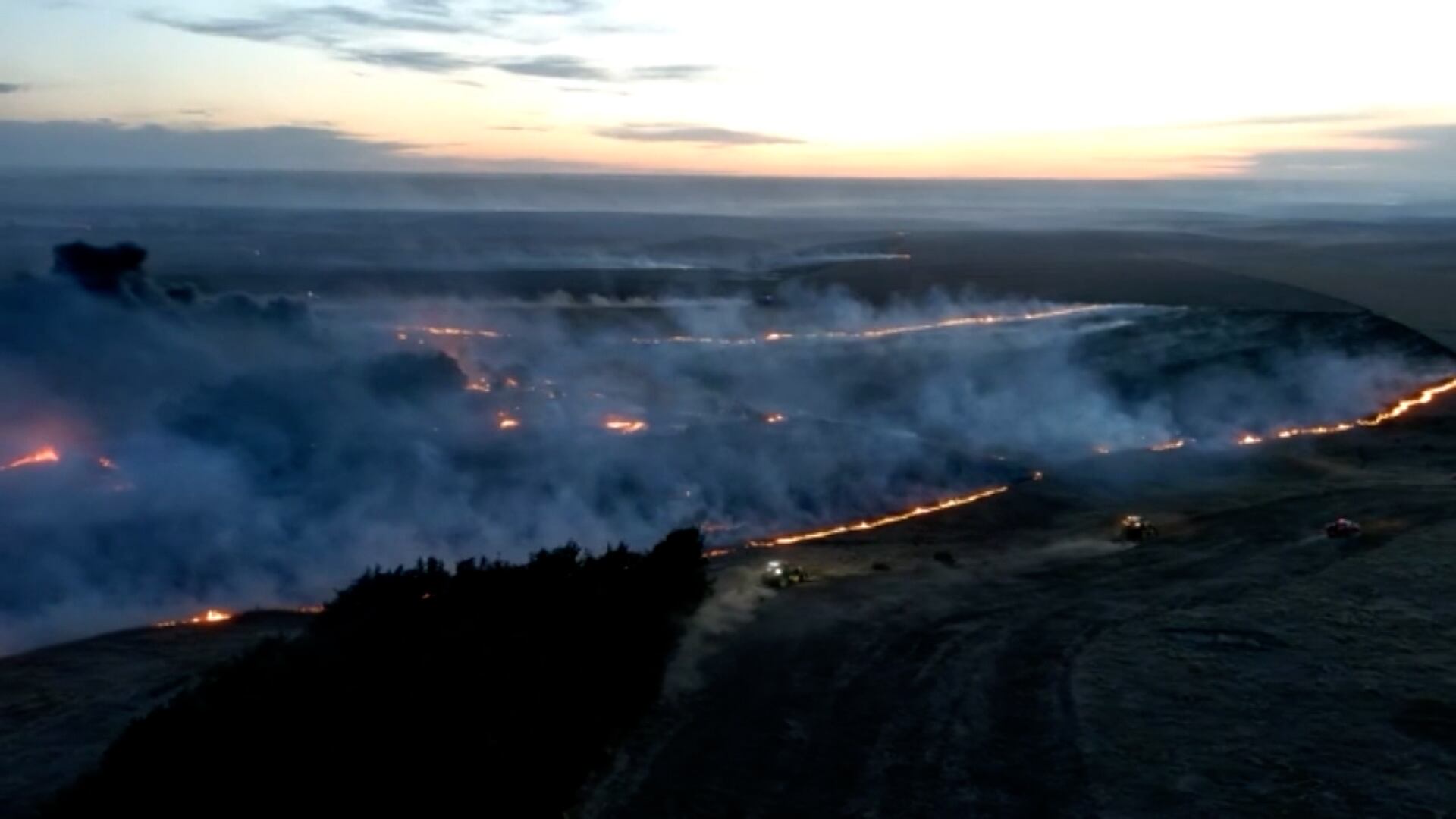
New Mexico is under a state of emergency after flames scorched across 84 square miles. Strong winds fueled 20 wildfires, destroying hundreds of buildings in the state this weekend. New Mexico is just one of several states across the southwest facing severe wildfires. James McMullen, retired California state fire marshal and forensic fire expert, joins Cheddar News to discuss.
SpoonTEK is an eating utensil that uses new technology to enhance flavors. Co-founders Ken and Cameron Davidov join Cheddar News to explain how the high-tech silverware can not only boost taste but also the health of its user.
Tim Brown, research professor at Desert Research Institute and director at the Western Regional Climate Center, joins Cheddar News to discuss the environmental impact of recent wildfires.
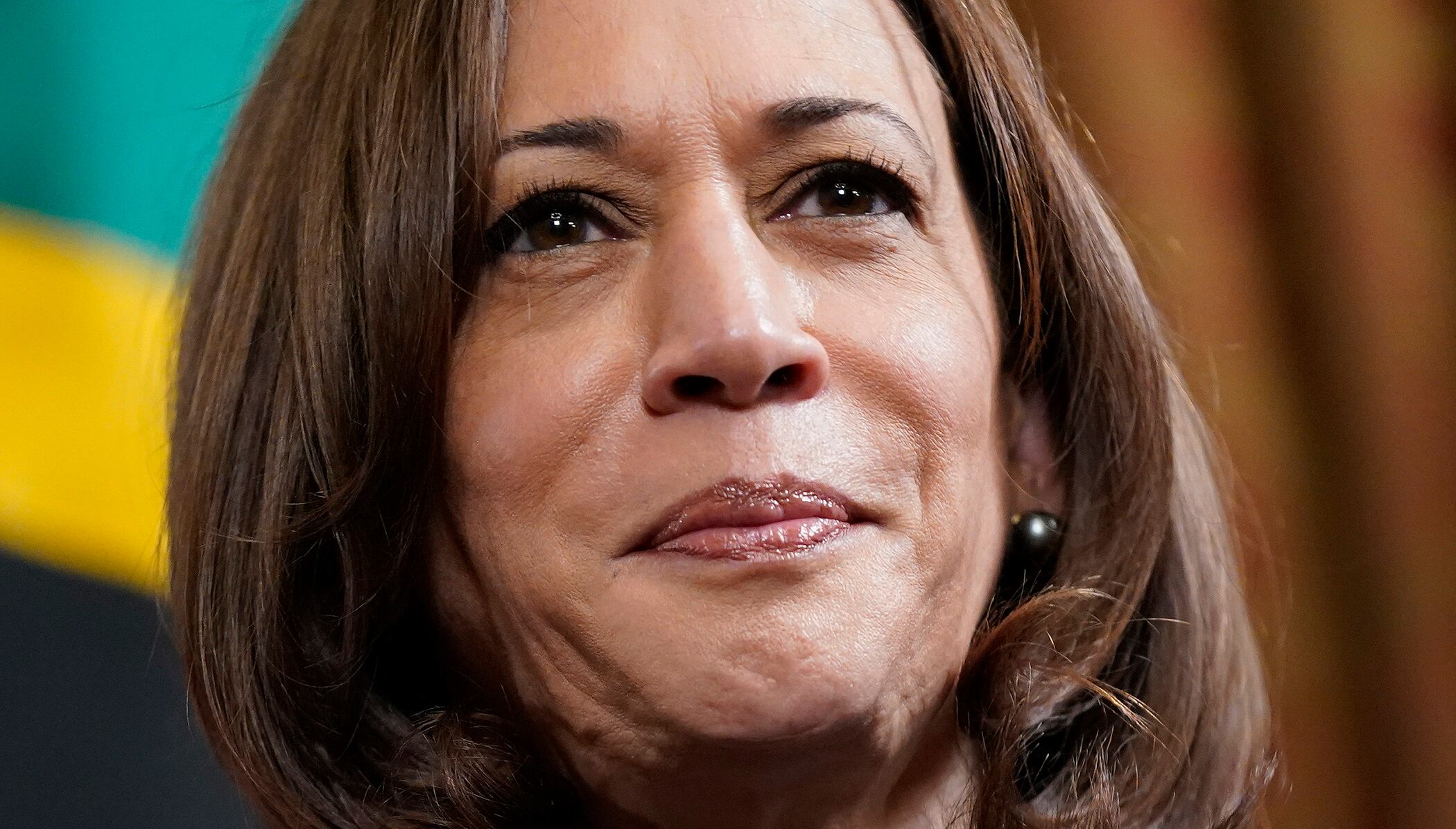
Vice President Kamala Harris tested positive for COVID-19 on Tuesday, the White House announced. That's underscoring the persistence of the highly contagious virus even as the U.S. eases restrictions in a bid to revert to pre-pandemic normalcy.