The world has lost 68 percent of wildlife species since 1970, according to the World Wildlife Fund, a global nonprofit. This represents a staggering loss of what scientists call biodiversity, a crucial metric of environmental health.
"If you begin to reduce or remove animals and plants from any ecosystem, the way it functions begins to unravel, and that's what's happening now," Rebecca Shaw, global chief scientist for World Wildlife Fund, told Cheddar. "Biodiversity then is under threat primarily from habitat destruction and over-harvest."
This steep reduction in biodiversity has serious implications not just for the animal kingdom but for humans as well.
"All of the species in an ecosystem play a role in delivering benefits to humans," she said. "We call them ecosystem services, because they're services that come from the ecosystem like clean air or clean water. So when we reduce populations of animal or plant species, we reduce the capacity of an ecosystem to deliver those services."
She pointed to one study showing that three billion birds are missing from North American skies, which has implications for crucial environmental processes such as pollination and seed dispersal for plants. Similar depopulations are taking place in marine ecosystems as well.
"Globally, hundreds of millions of people depend on their local fisheries for income and nutrition — I know my community does — and the decline of fish species leads to less productive fishery systems and undermines the health and welfare of those people that are dependent on those oceans," Shaw said.
There have been global efforts to counter this decline, but they've met with limited success in reversing the downward trends.
In 2010, the United Nations Convention on Biological Diversity gathered in Japan to establish the Aichi Biodiversity Targets, setting specific goals to halt or reduce the destruction of wildlife.
Shaw said the UN agency started evaluating the success of those targets this year.
"It doesn't look at all," she said. "While we came close to protecting 17 percent of the world's forests, which was a target, we failed miserably to protect the world's oceans and fisheries in the world's oceans."
The UN is set to meet again to establish goals for the next 10 years, but the date of this meeting has been delayed until the first quarter of 2021 due to the coronavirus pandemic.
In the meantime, Shaw said it is crucial that governments work with the food industry in particular to fight the loss of biodiversity.
"Production and consumption of food is the major driver of habitat destruction and over-harvesting on the planet," she said. "So the policy actions include working with companies that produce and sell food to make sure that the production of their products is biodiversity friendly."
As for the average consumer, a change in diet could help as well, including eating less red meat. "We need to eat smarter and reduce food waste," she added.
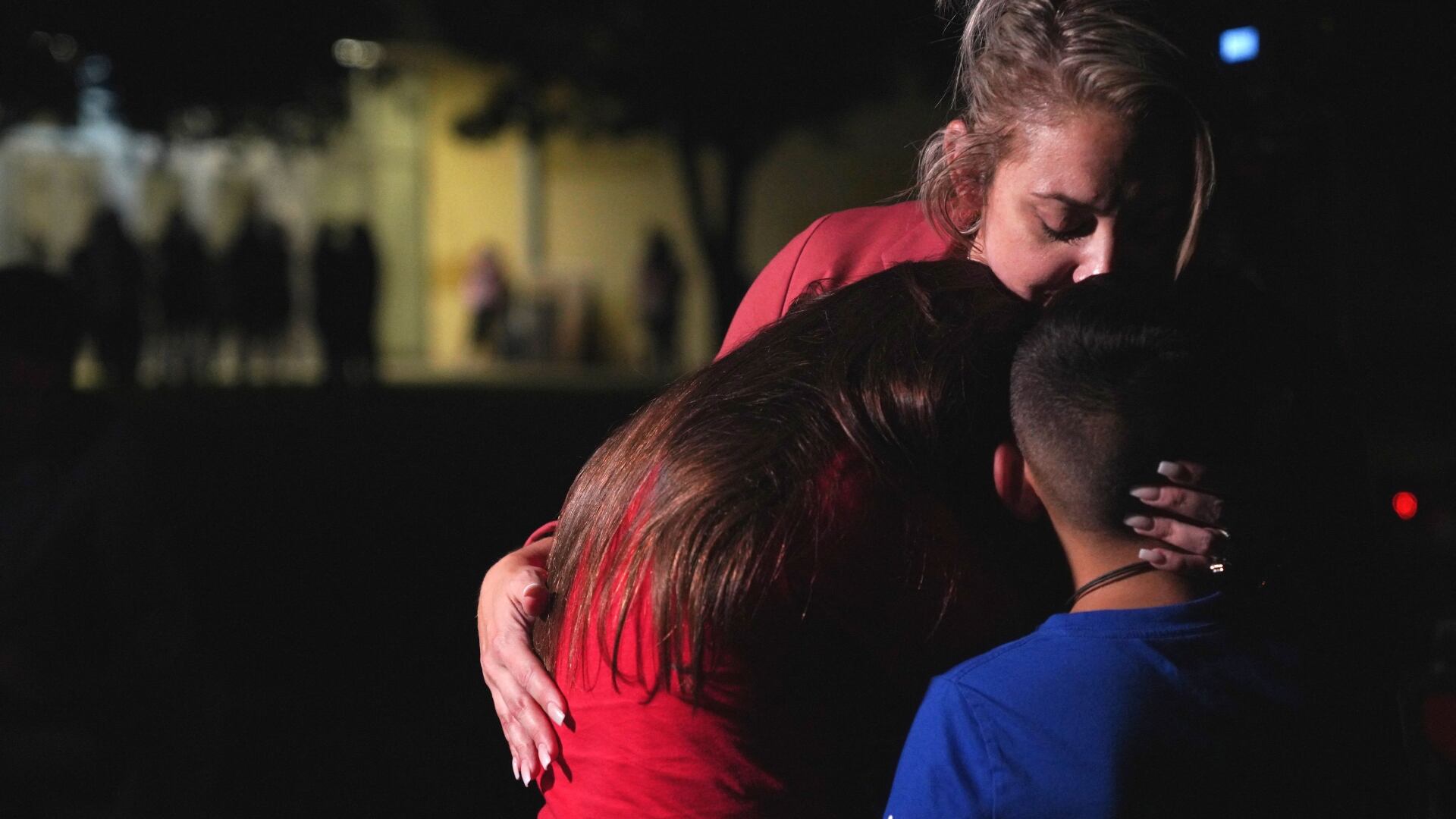
After the latest school shooting in Uvalde, Texas, it wouldn't be a surprise if the traumatic event takes a toll on your mental health — or that of your children. Amy Morin, the editor-in-chief of Verywell Mind and licensed psychotherapist, joined Cheddar News to share coping skills and offer advice about how to talk to your children about these increasingly common tragic events. “I think its important for parents to know what the school’s plan is, what the teacher's plan is, and then we can have our own plans with kids too," she noted. "It's so important for us to talk to kids about how they're feeling — guaranteed they've heard something about it, so ask them what they know already, use age-appropriate language, and rather than just dismissing their fears by saying don't worry about it or I'm sure you'll be safe, talk to them about their feelings."
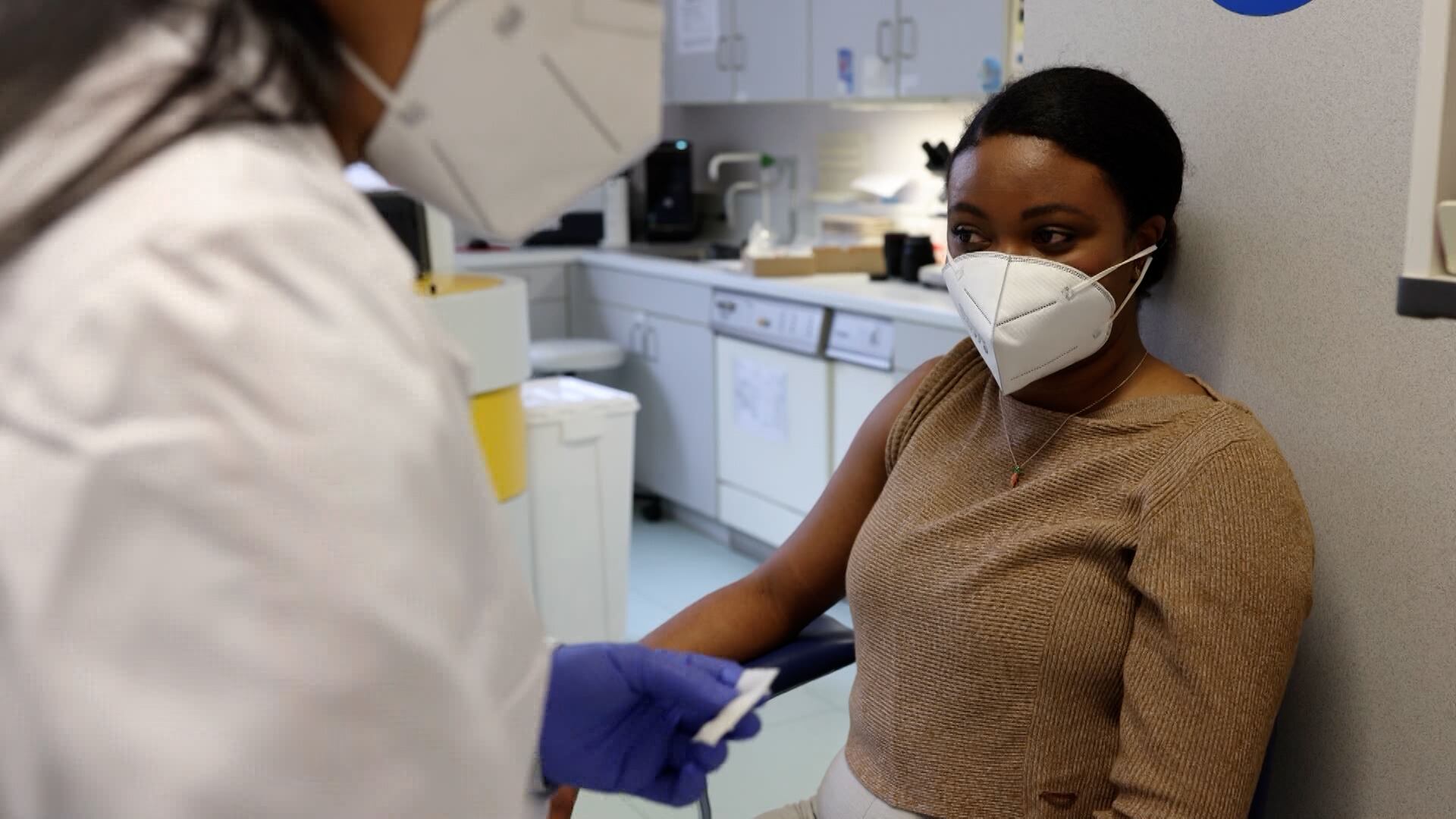
An recently conducted AP-NORC poll found that majorities of the Black and Hispanic populations in the U.S. still find themselves either somewhat worried or extremely worried over the pandemic, while more than half of white Americans responded with either being not too worried or not worried at all. Dr. Chris Pernell, the chief strategic integration and health equity officer at University Hospital, joined Cheddar News to talk about how perceptions of COVID-19 differ between groups of Americans. "We’re still seeing people get infected, and because of the toll of the disproportionate impact, we have concerns among the Black and brown community about whether or not they have an increased risk of exposure because of where they work, because of the use of public transportation, because they live in homes that they may not be able to safely quarantine and or isolate in, and because they have at baseline chronic health conditions that may make coronavirus more severe in those persons," she said.
Judith Enck, a former regional administrator for the EPA and the president of Beyond Plastics, joined Cheddar News to talk about the role of plastics in the climate crisis and California's investigation of ExxonMobil and other oil companies for misleading the public on the ability to recycle plastics. "The reason why petrochemical companies like Exxon have gotten away with selling more and more plastic is that they've lied to the public and told us don't worry about all those negative upstream impacts and downstream impacts of plastics. Just be sure to recycle it. Well, guess what? Plastics largely are not recycled," Enck said.
Catching you up on what you need to know on April 29, 2022, with President Biden asking Congress for a $33 billion aid package for Ukraine, a shrinking GDP potentially leading to a recession, Beijing banning weddings and funerals while closings schools amid COVID, and more.
Virtual care and digital medicine provider Biofourmis recently raised $300 million in a Series D round led by General Atlantic and with participation from CVS Health. Biofourmis offers at-home care and digital therapies backed by artificial intelligence, which can remotely monitor patients while they are at home. The company says it hopes its technology can improve patient outcomes while reducing the cost and burden of care. Kuldeep Signh Rajput, Founder and CEO of Biofourmis, joins Cheddar News' Closing Bell to discuss.
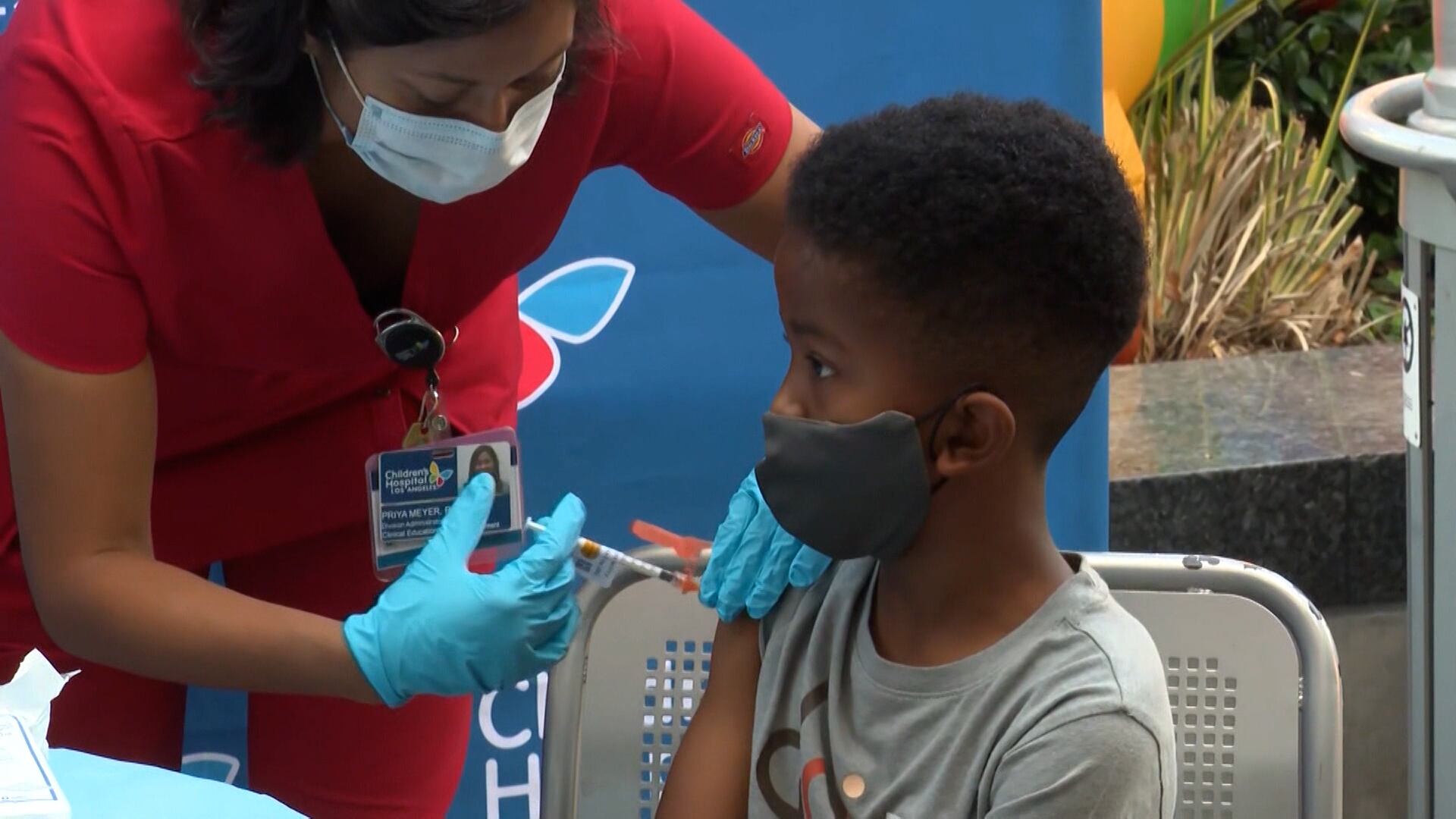
Moderna is asking the FDA to consider emergency use authorization for its COVID vaccine to be used with children under 6 years old. Dr. Christina Johns, a senior medical advisor at PM Pediatrics, joined Cheddar News to talk about the pharmaceutical company's research into the safety and efficacy of the vaccine for the very youngest of children. "This is very exciting news because children met that goal in their neutralizing antibody response in this age group — means that we really can extrapolate a lot from what we know about data in adults," she said. "I will say that there's a caveat that we have not seen yet the full dataset released, so I'm waiting for that and my fingers are crossed for next week."
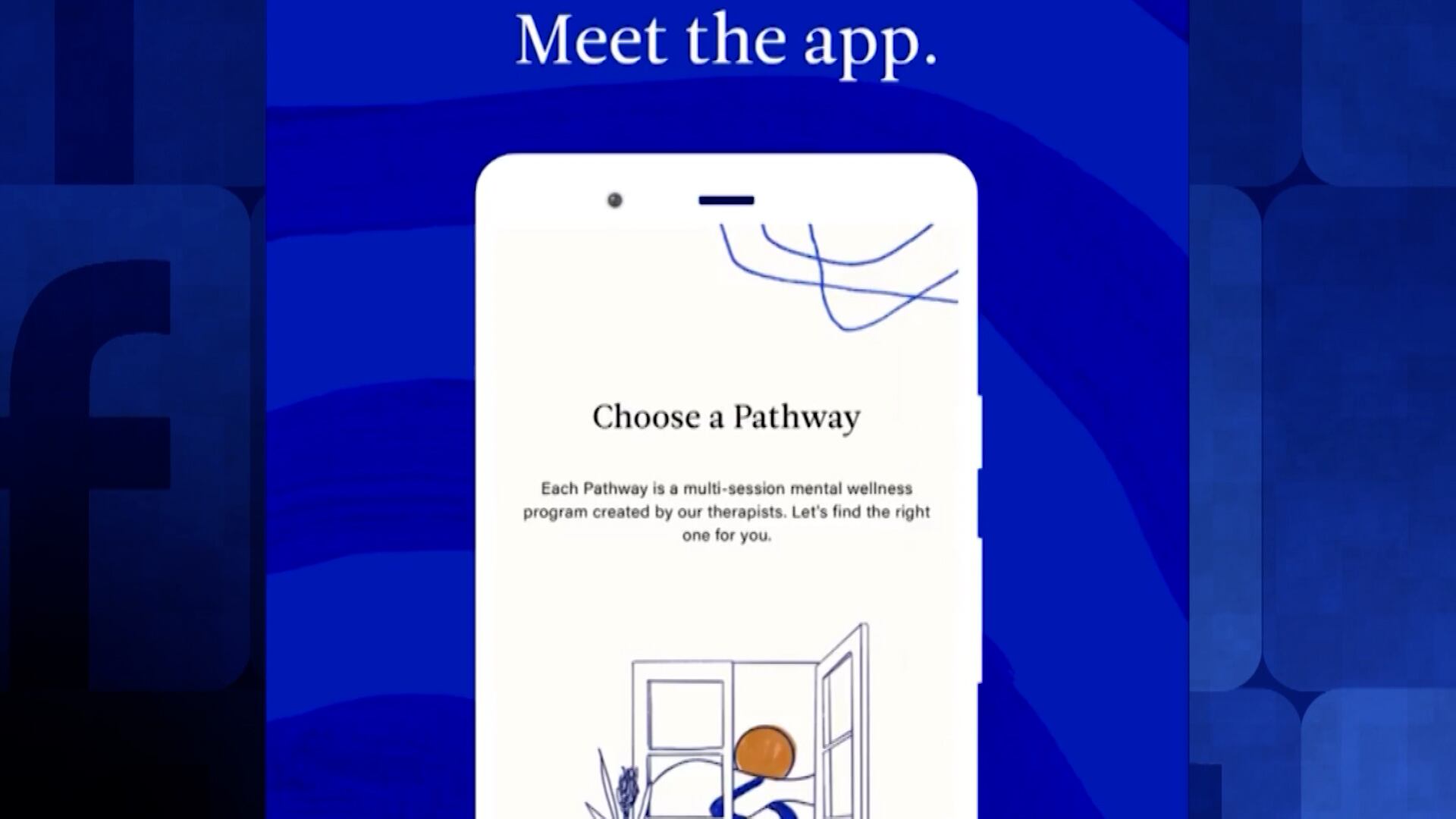
Mental health platform Real recently raised $37 million in a Series B round led by Owl Ventures. Through its mobile app, Real says it provides mental health care at a lower cost than traditional therapy and aims to make mental wellness a part of everyone's daily routine. The company also announced that U.S. soccer star Megan Rapinoe will serve as an adviser to the company. Ariela Safira, Founder & CEO of Real, joins Cheddar News' Closing Bell to discuss.
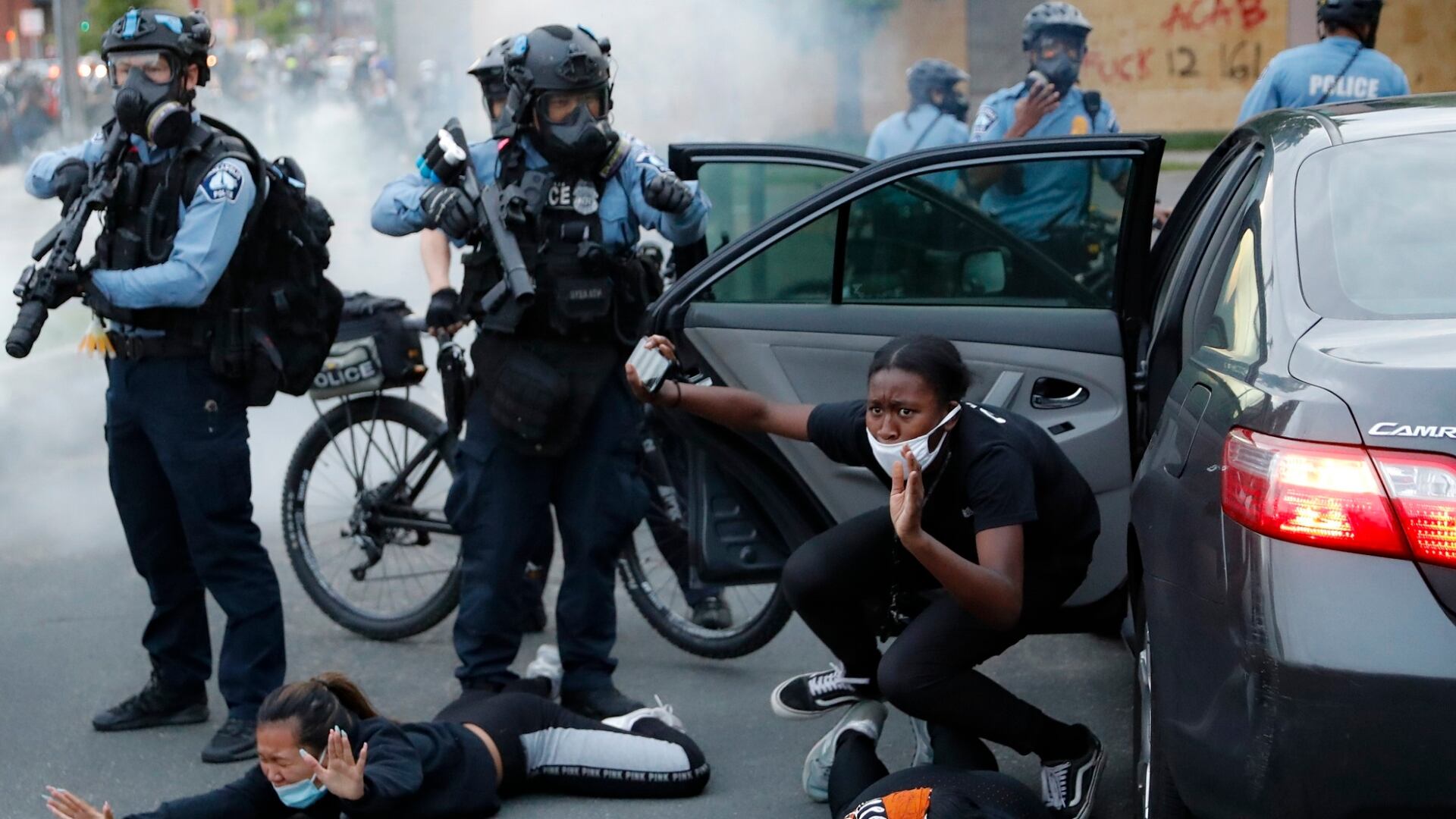
Catching you up on what you need to know on April 28, 2022, with Elon Musk mocking Twitter's top legal exec Vijaya Gadde on the platform itself, a probe in George Floyd's death finding discrimination within the Minneapolis police force, the latest California drought leading to new water restrictions, and more.