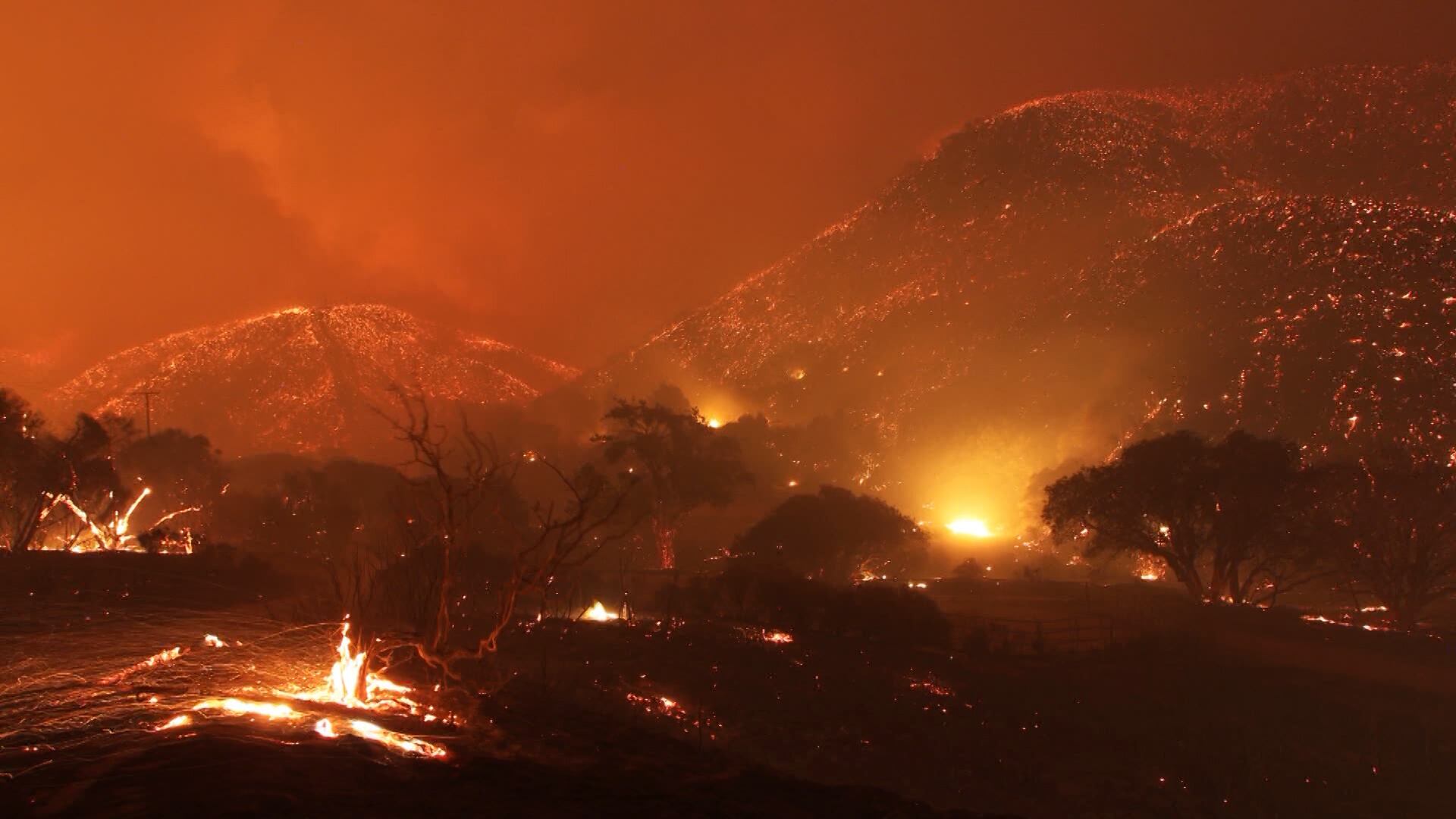
The world has lost 68 percent of wildlife species since 1970, according to the World Wildlife Fund, a global nonprofit. This represents a staggering loss of what scientists call biodiversity, a crucial metric of environmental health.  

"If you begin to reduce or remove animals and plants from any ecosystem, the way it functions begins to unravel, and that's what's happening now," Rebecca Shaw, global chief scientist for World Wildlife Fund, told Cheddar. "Biodiversity then is under threat primarily from habitat destruction and over-harvest." 

This steep reduction in biodiversity has serious implications not just for the animal kingdom but for humans as well. 

"All of the species in an ecosystem play a role in delivering benefits to humans," she said. "We call them ecosystem services, because they're services that come from the ecosystem like clean air or clean water. So when we reduce populations of animal or plant species, we reduce the capacity of an ecosystem to deliver those services."

She pointed to one study showing that three billion birds are missing from North American skies, which has implications for crucial environmental processes such as pollination and seed dispersal for plants. Similar depopulations are taking place in marine ecosystems as well.  

"Globally, hundreds of millions of people depend on their local fisheries for income and nutrition — I know my community does — and the decline of fish species leads to less productive fishery systems and undermines the health and welfare of those people that are dependent on those oceans," Shaw said.  

There have been global efforts to counter this decline, but they've met with limited success in reversing the downward trends.

In 2010, the United Nations Convention on Biological Diversity gathered in Japan to establish the Aichi Biodiversity Targets, setting specific goals to halt or reduce the destruction of wildlife. 

Shaw said the UN agency started evaluating the success of those targets this year. 

"It doesn't look at all," she said. "While we came close to protecting 17 percent of the world's forests, which was a target, we failed miserably to protect the world's oceans and fisheries in the world's oceans." 

The UN is set to meet again to establish goals for the next 10 years, but the date of this meeting has been delayed until the first quarter of 2021 due to the coronavirus pandemic. 

In the meantime, Shaw said it is crucial that governments work with the food industry in particular to fight the loss of biodiversity. 

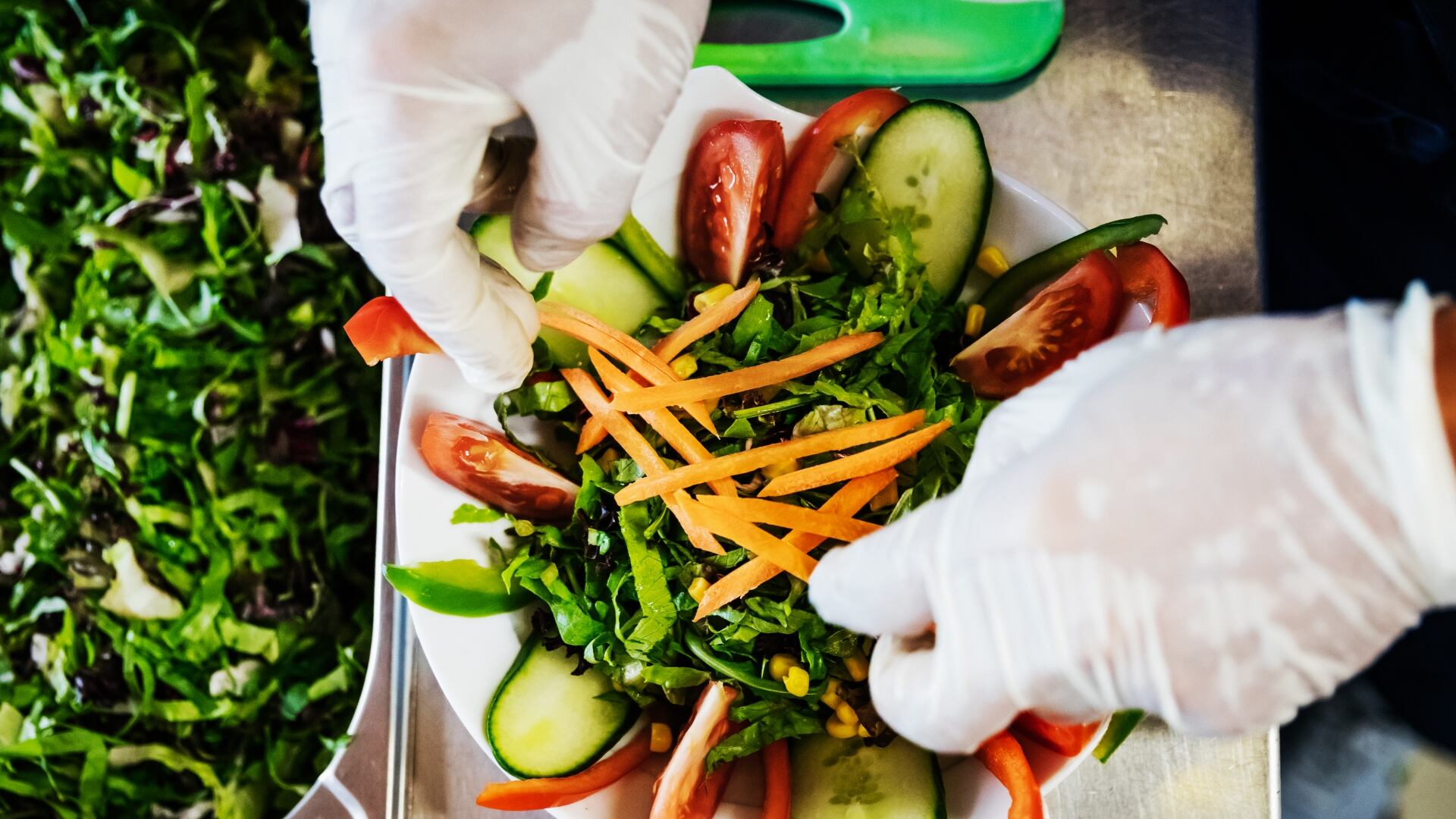
"Production and consumption of food is the major driver of habitat destruction and over-harvesting on the planet," she said. "So the policy actions include working with companies that produce and sell food to make sure that the production of their products is biodiversity friendly." 

As for the average consumer, a change in diet could help as well, including eating less red meat. "We need to eat smarter and reduce food waste," she added. 
Share:
More In Science
Election Day, Climate Pledges & Cautionary TV Tale
Carlo and Baker cover the big races to watch on this off-cycle Election Day, the concrete pledges starting to come out of COP26, Jeffrey Epstein keeps causing CEOs to lose their jobs, and Ryan Murphy's TV hit that wasn't.
Climate-Focused Investing in Focus at COP26
The UN climate change conference kicked off on Sunday with about 120 world leaders and delegates gathering in Glasgow, Scotland this week, as experts continue to warn about the harms of heightened emissions and the effects on climate change. The topic of ESG investing is expected to be a top priority at the summit. Jefferies global head of ESG and sustainability research Aniket Shah joined Cheddar News' Closing Bell to discuss.
The Search Engine Fighting the Climate Crisis
Christian Kroll, CEO of Ecosia, joins 'Fast Forward' to discuss how Ecosia uses its ad revenue to plant trees, and what the company plans to do after launching a $405 million venture capital fund focused on combating the climate crisis.
How the Climate Crisis is Affecting Global Health
Dr. Ashley McClure, co-founder of Climate Health Now, joins 'Fast Forward' to discuss why the climate crisis is the greatest threat to humanity and health, and measures we need to take to reverse course.
Medable Secures $304M in Series D Funding
Clinical research company Medable has secured $304 million in Series D funding, marking its fourth round since 2020, giving the firm a valuation of just over $2 billion. Dr. Michelle Longmire, CEO and Co-founder, Medable joined Cheddar's Opening Bell to discuss the future of the company.
Tropical Storm Names List Exhausted for Only Third Time in History
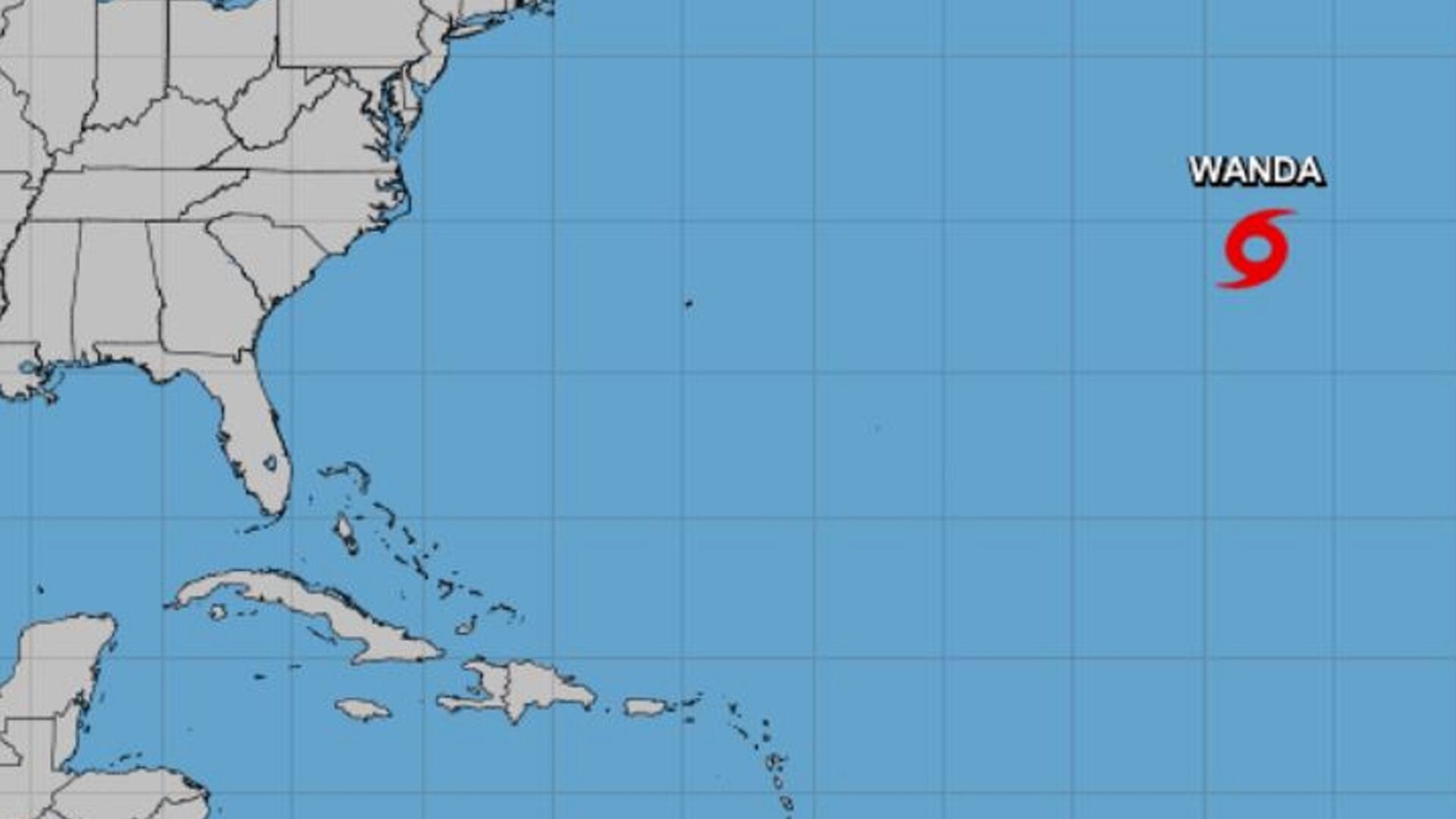
The National Hurricane Center announced that the list of storm names in 2021 has been exhausted as one of the most active hurricane seasons in history continues to stir in the Atlantic Ocean. Subtropical Storm Wanda marks only the third time in history (last year being the second) that all the names were used in a single season.
Astronomers Locate Potential Exoplanet 28 Million Light-Years Away
Astronomers at NASA have located what could be the first exoplanet not only outside of the solar system but outside of our own galaxy in the Messier 51 (or the Whirlpool Galaxy), 28 million light-years away. It could take astronomers up to 70 years to see if the planet passes in front of its star to verify the find.
Greenhouse Gas Levels Hit New Highs in 2020
Even with pandemic lockdowns, greenhouse gas levels reached new highs in 2020, according to the World Meteorological Organization. This report comes just a week ahead of the United Nations Climate Change Conference, otherwise known as Cop26. Shannon Osaka, climate policy and solutions reporter at Grist, joined Cheddar's Between Bells to discuss.
Food Left Off of COP26 Agenda
Oatly Chief Sustainability Officer, Ashley Allen joins Cheddar News to talk about food waste and hows its been left off the table in the upcoming COP26 agenda. Ashley will be on the ground at COP26 and advocating for this conversation to get the attention it deserves.
Climate Summit, Rittenhouse Trial & Traffic Deaths
Carlo's flying solo today, talking COP26 and climate change, another racially charged trial gets underway, SCOTUS takes on abortion and a stunning rise in traffic deaths points to a bigger societal breakdown sparked by the pandemic.
Load More