The world has lost 68 percent of wildlife species since 1970, according to the World Wildlife Fund, a global nonprofit. This represents a staggering loss of what scientists call biodiversity, a crucial metric of environmental health.
"If you begin to reduce or remove animals and plants from any ecosystem, the way it functions begins to unravel, and that's what's happening now," Rebecca Shaw, global chief scientist for World Wildlife Fund, told Cheddar. "Biodiversity then is under threat primarily from habitat destruction and over-harvest."
This steep reduction in biodiversity has serious implications not just for the animal kingdom but for humans as well.
"All of the species in an ecosystem play a role in delivering benefits to humans," she said. "We call them ecosystem services, because they're services that come from the ecosystem like clean air or clean water. So when we reduce populations of animal or plant species, we reduce the capacity of an ecosystem to deliver those services."
She pointed to one study showing that three billion birds are missing from North American skies, which has implications for crucial environmental processes such as pollination and seed dispersal for plants. Similar depopulations are taking place in marine ecosystems as well.
"Globally, hundreds of millions of people depend on their local fisheries for income and nutrition — I know my community does — and the decline of fish species leads to less productive fishery systems and undermines the health and welfare of those people that are dependent on those oceans," Shaw said.
There have been global efforts to counter this decline, but they've met with limited success in reversing the downward trends.
In 2010, the United Nations Convention on Biological Diversity gathered in Japan to establish the Aichi Biodiversity Targets, setting specific goals to halt or reduce the destruction of wildlife.
Shaw said the UN agency started evaluating the success of those targets this year.
"It doesn't look at all," she said. "While we came close to protecting 17 percent of the world's forests, which was a target, we failed miserably to protect the world's oceans and fisheries in the world's oceans."
The UN is set to meet again to establish goals for the next 10 years, but the date of this meeting has been delayed until the first quarter of 2021 due to the coronavirus pandemic.
In the meantime, Shaw said it is crucial that governments work with the food industry in particular to fight the loss of biodiversity.
"Production and consumption of food is the major driver of habitat destruction and over-harvesting on the planet," she said. "So the policy actions include working with companies that produce and sell food to make sure that the production of their products is biodiversity friendly."
As for the average consumer, a change in diet could help as well, including eating less red meat. "We need to eat smarter and reduce food waste," she added.
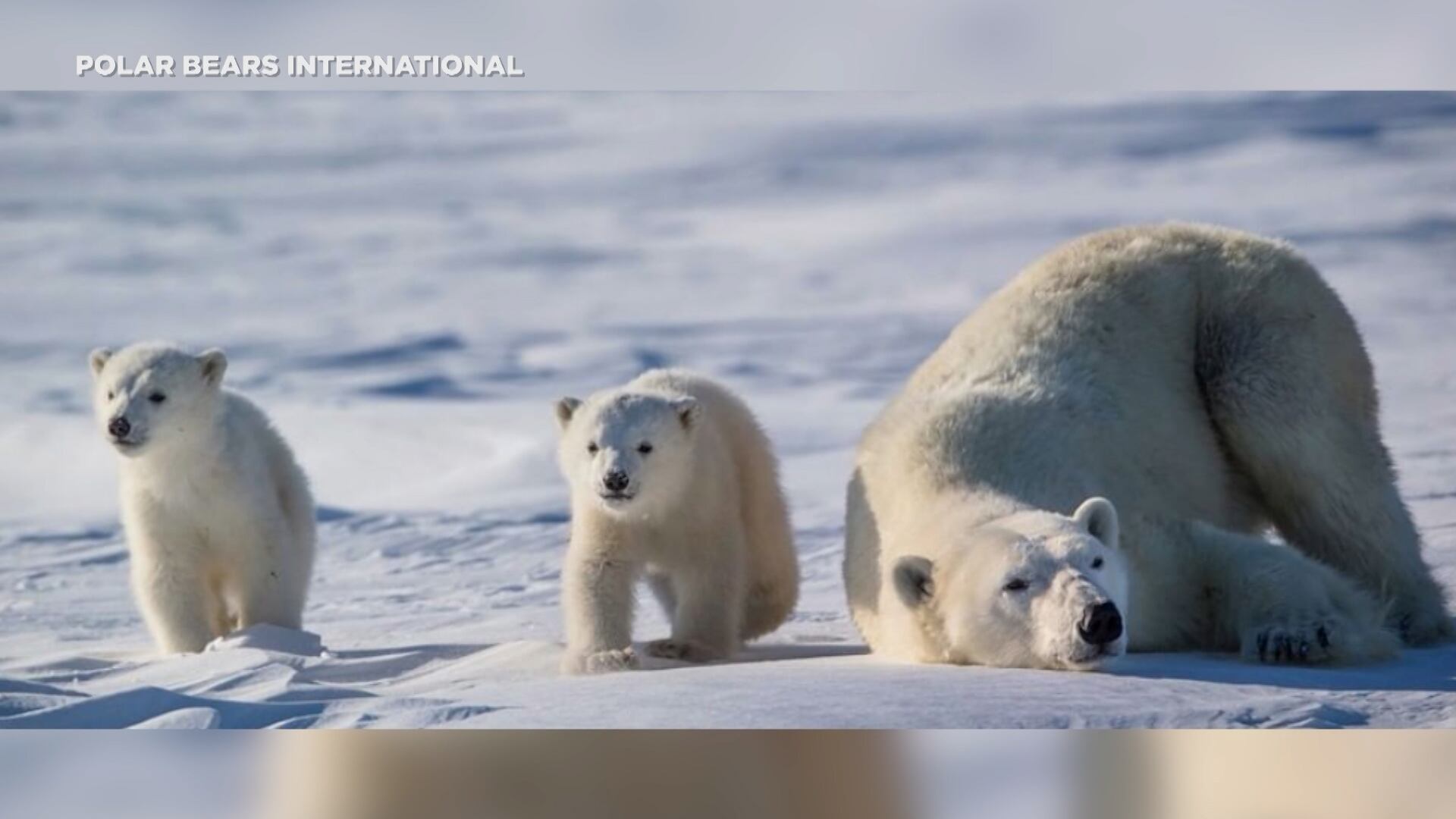
Alysa McCall, director of conservation outreach and staff scientist at Polar Bears International, joined Cheddar to discuss the ongoing fight to protect polar bears from extinction while world leaders gathered to discuss the climate crisis. McCall explained her organization's mission "to ensure the long term survival of polar bears by helping ensure their arctic sea ice habitat remains intact." McCall said she hopes actionable steps are taken after the UN climate summit to mitigate the crisis and not just more promises.
Moderna reported a massive miss on revenue in its Q3 earnings, taking in $5 billion versus the expected $6.21 billion despite sales of the COVID-19 vaccine. The pharmaceutical giant's stock dropped sharply on the news.
Carlo and Baker discuss the fallout from Tuesday's election and the flashing warning sign for Dems ahead of the midterms. Also, a big 2A case at the Supreme Court, Aaron Rodgers has Covid and is in big trouble, and a first for the MCU.
Carlo and Baker discuss the election results across the country, including a Republican comeback in Virginia -- and possibly NJ -- plus the CDC gives the go-ahead for child vaccinations, Atlanta wins the World Series and more.
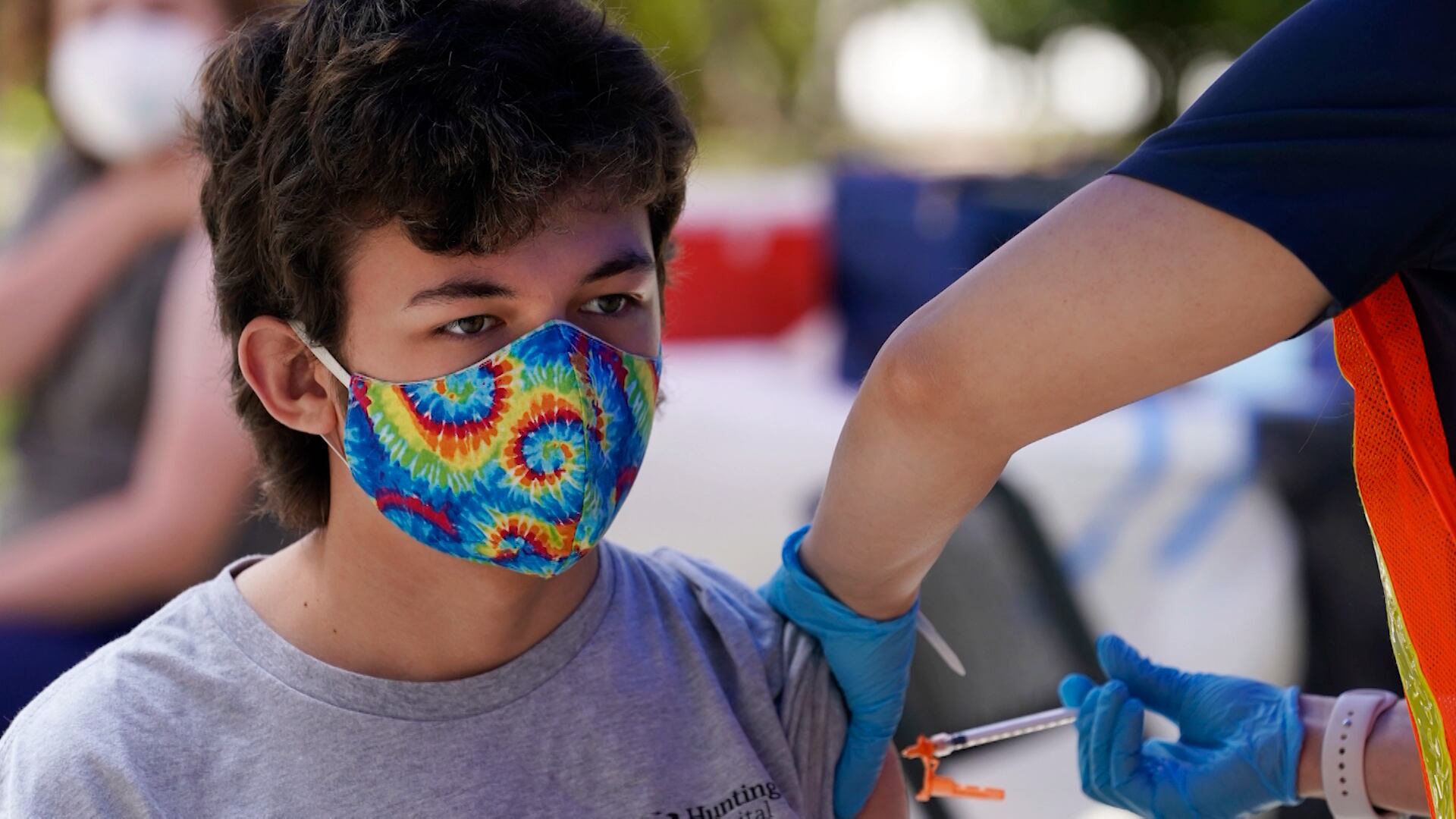
Dr. Julie Morita, executive vice president of Robert Wood Johnson Foundation, joined Cheddar to discuss the CDC advisory panel recommending the Pfizer vaccine for children ages 5-11. "We've seen many millions of children getting sick, many hospitalized, many dying because of COVID," Morita said. "And so now we have a new tool that we can use to keep our children safe." She also noted that hesitancy among parents about vaccinating their children will likely fade in time as the childhood vaccine program gets underway.
Matthew Oxenford, Analyst at the Economist Intelligence Unit, joins a special edition of Cheddar Climate, where he discusses the responsibilities big businesses across multiple sectors have when it comes to combating the effects of climate change around the world.
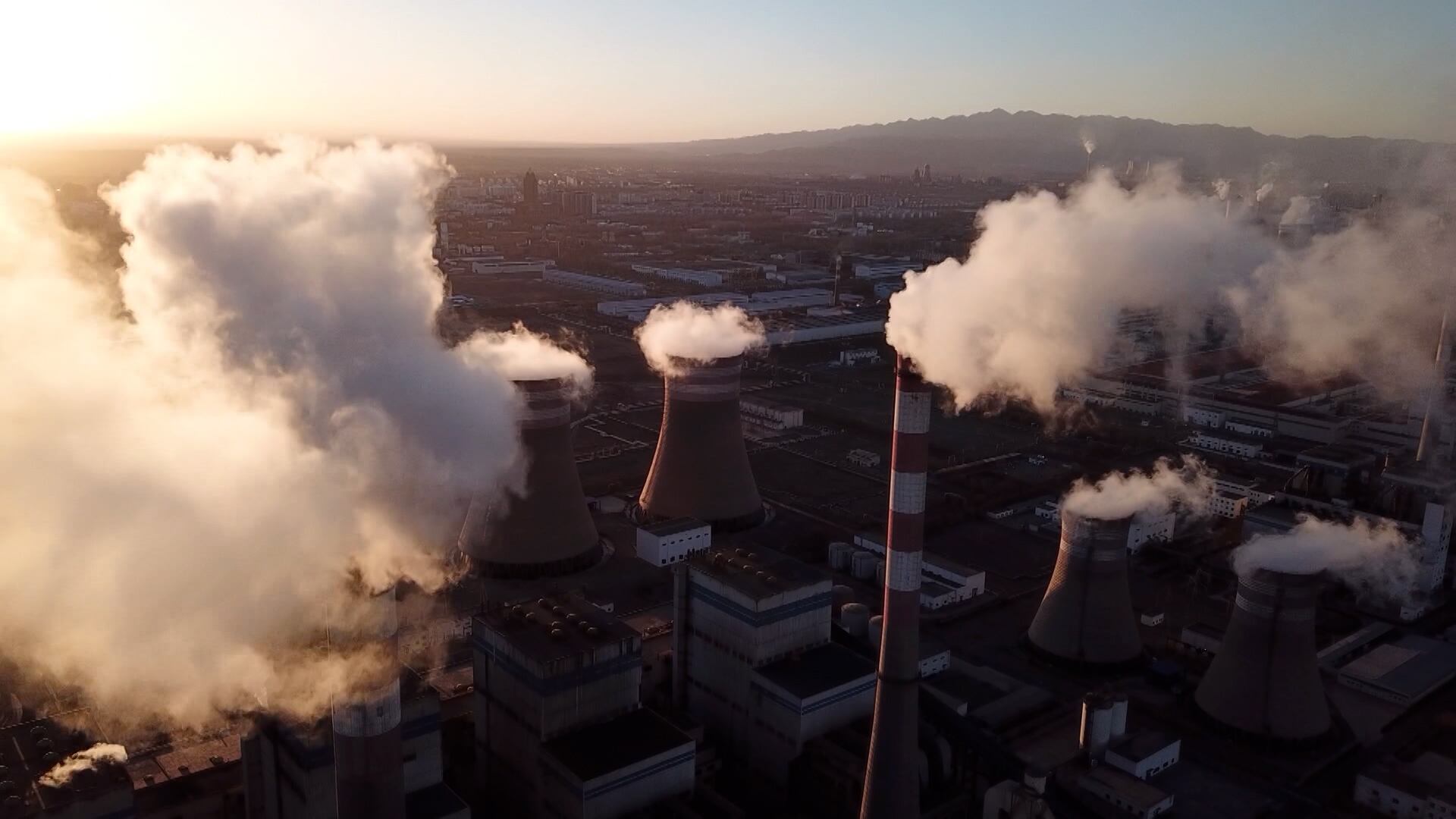
President Joe Biden introduced the Global Methane Pledge on the second day of the United Nations climate summit. The U.S. and the European Union will lead the way when it comes to methane emissions reductions, and close to 100 nations have also signed on. It's seen as the fastest way to slow down global warming and keep nations on track toward meeting the goal of keeping warming just 1.5 degrees Celsius above late 1800s atmospheric levels. Dr. Sweta Chakraborty, U.S. President of climate-focused startup 'We Don't Have Time' joins Cheddar Climate to discuss the importance of the Biden administration's methane regulations -- and the importance of U.S. leadership when it comes to climate issues.
John Paul Mejia, the national spokesperson for the Sunrise Movement, joined Cheddar to talk about what the youth activist group wants to see from President Joe Biden as he attends the COP26 climate summit. Mejia admonished the president for having little to deliver on his own climate agenda domestically while at the conference. "We need the president to follow through with his promises because, frankly, it's a matter of life or death not only for communities here in the United States but also those looking to us around the world," he said.
With COP26 kicking off, roughly 120 world leaders and delegates are in Glasgow, Scotland to hold climate talks this week. As experts continue to warn about the dangers of climate change, ESG investing is more important than ever.
Georges Archibald, Head of Apex Americas at Apex Group joined Cheddar's Opening Bell to discuss.
Roughly 20,000 heads of state, diplomats, and activists will gather in person starting Oct. 31 to address the threat of climate change. The summit, known as COP26, is seen as a crucial step in getting the crisis under control as scientists warn global warming is only getting worse. Carroll Muffett, President and CEO of the Center for International Environmental Law, joined Cheddar to explain the goals of COP26 and why it's so crucial for the world leaders to step up and make new, aggressive climate commitments.