The world has lost 68 percent of wildlife species since 1970, according to the World Wildlife Fund, a global nonprofit. This represents a staggering loss of what scientists call biodiversity, a crucial metric of environmental health.
"If you begin to reduce or remove animals and plants from any ecosystem, the way it functions begins to unravel, and that's what's happening now," Rebecca Shaw, global chief scientist for World Wildlife Fund, told Cheddar. "Biodiversity then is under threat primarily from habitat destruction and over-harvest."
This steep reduction in biodiversity has serious implications not just for the animal kingdom but for humans as well.
"All of the species in an ecosystem play a role in delivering benefits to humans," she said. "We call them ecosystem services, because they're services that come from the ecosystem like clean air or clean water. So when we reduce populations of animal or plant species, we reduce the capacity of an ecosystem to deliver those services."
She pointed to one study showing that three billion birds are missing from North American skies, which has implications for crucial environmental processes such as pollination and seed dispersal for plants. Similar depopulations are taking place in marine ecosystems as well.
"Globally, hundreds of millions of people depend on their local fisheries for income and nutrition — I know my community does — and the decline of fish species leads to less productive fishery systems and undermines the health and welfare of those people that are dependent on those oceans," Shaw said.
There have been global efforts to counter this decline, but they've met with limited success in reversing the downward trends.
In 2010, the United Nations Convention on Biological Diversity gathered in Japan to establish the Aichi Biodiversity Targets, setting specific goals to halt or reduce the destruction of wildlife.
Shaw said the UN agency started evaluating the success of those targets this year.
"It doesn't look at all," she said. "While we came close to protecting 17 percent of the world's forests, which was a target, we failed miserably to protect the world's oceans and fisheries in the world's oceans."
The UN is set to meet again to establish goals for the next 10 years, but the date of this meeting has been delayed until the first quarter of 2021 due to the coronavirus pandemic.
In the meantime, Shaw said it is crucial that governments work with the food industry in particular to fight the loss of biodiversity.
"Production and consumption of food is the major driver of habitat destruction and over-harvesting on the planet," she said. "So the policy actions include working with companies that produce and sell food to make sure that the production of their products is biodiversity friendly."
As for the average consumer, a change in diet could help as well, including eating less red meat. "We need to eat smarter and reduce food waste," she added.
On this episode of Cheddar Innovates: Founder of Unlimited Tomorrow breaks down how he is creating completely 3D printed prosthetics to make them more affordable, customizable, and accessible; Chief Technology Officer of Zebra Technologies explains what the future of collaboration between robots and humans may look like; A look at Curiosity Stream's 'Mystery of the Roman Skulls.'
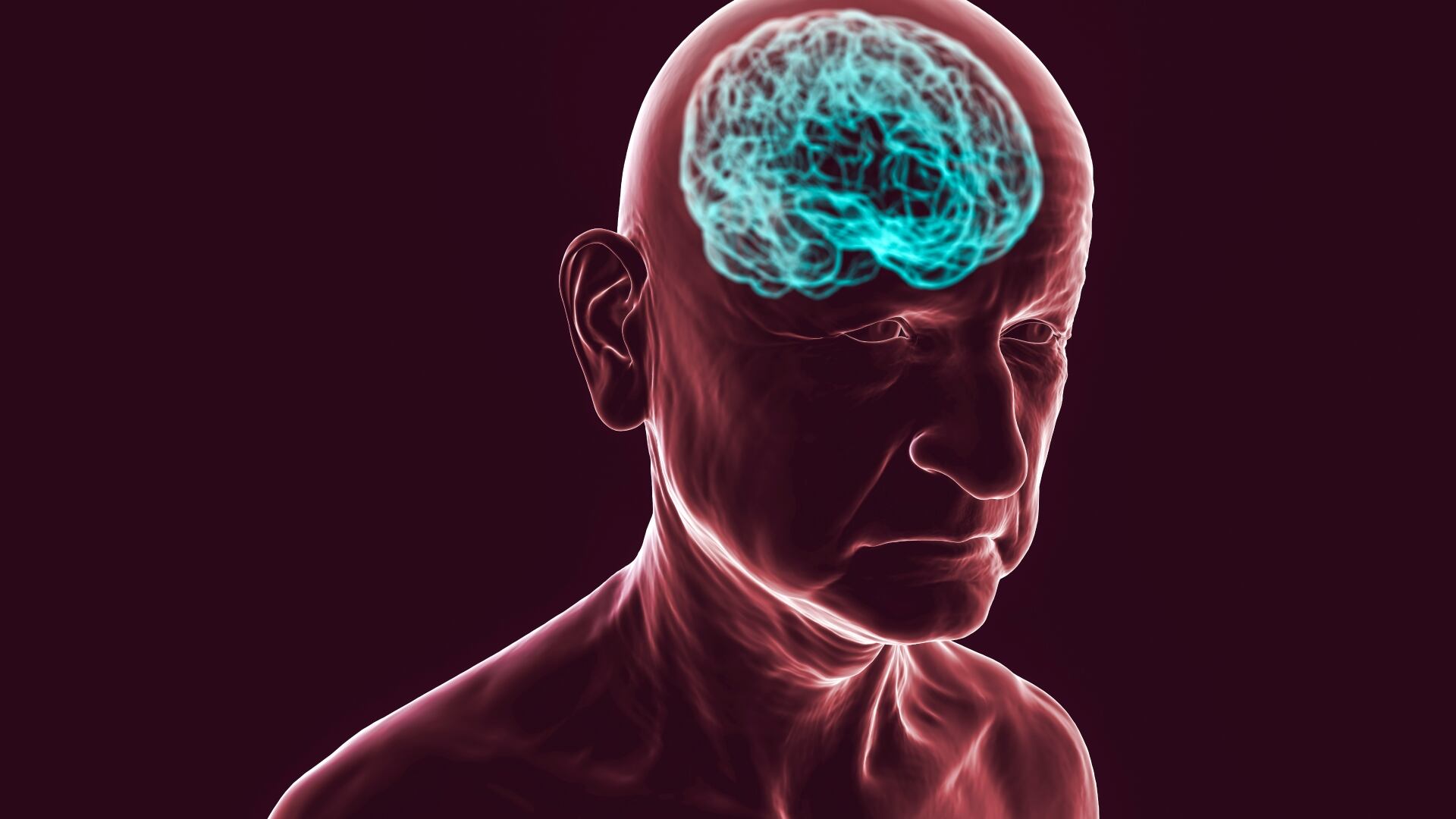
Each year about 5,000 people are diagnosed with ALS. This is such an important conversation. A disease that can weaken a patient's muscles and impact physical function. However, one research company says that could all change soon. Coya Therapeutics has developed a way to isolate a patient problematic T-cells in order to help ultimately slow the decline of not just ALS, but potentially Alzheimer's and other neurodegenerative diseases as well. Founder and Chief Executive Officer at Coya Therapeutics, Dr. Howard Berman, joined Cheddar to discuss more.
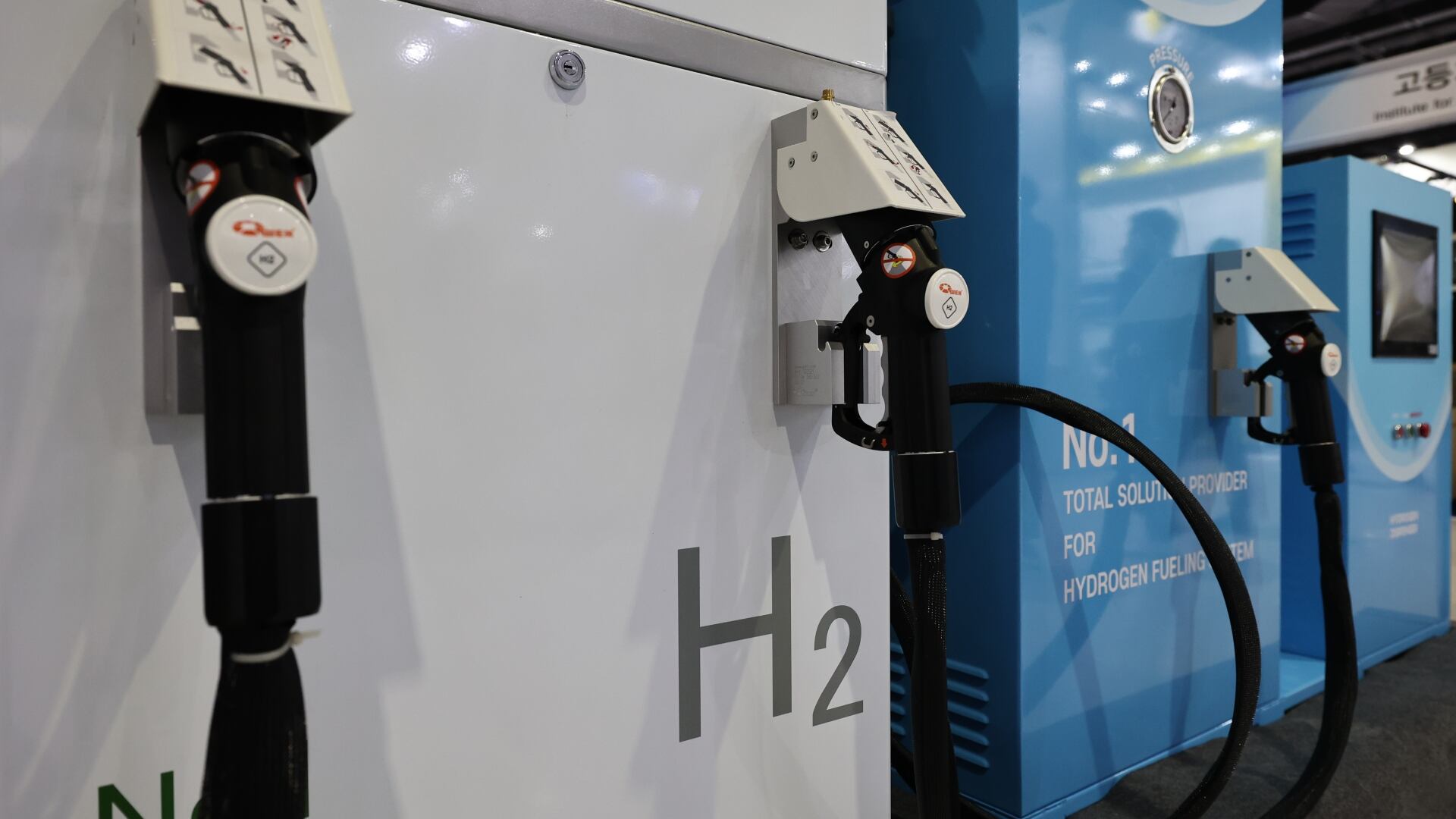
In the fight against climate change, much of the conversation revolves around reducing greenhouse gases like carbon dioxide or methane - and attempting to raise oxygen levels. But there's another gas - hydrogen - that could play a big role in the fight for the climate. Marco Alvera, CEO of Italian energy infrastructure company Snam and author of the book, 'The Hydrogen Revolution,' joined Cheddar Climate to explain the role hydrogen plays in helping achieve a net-zero future.
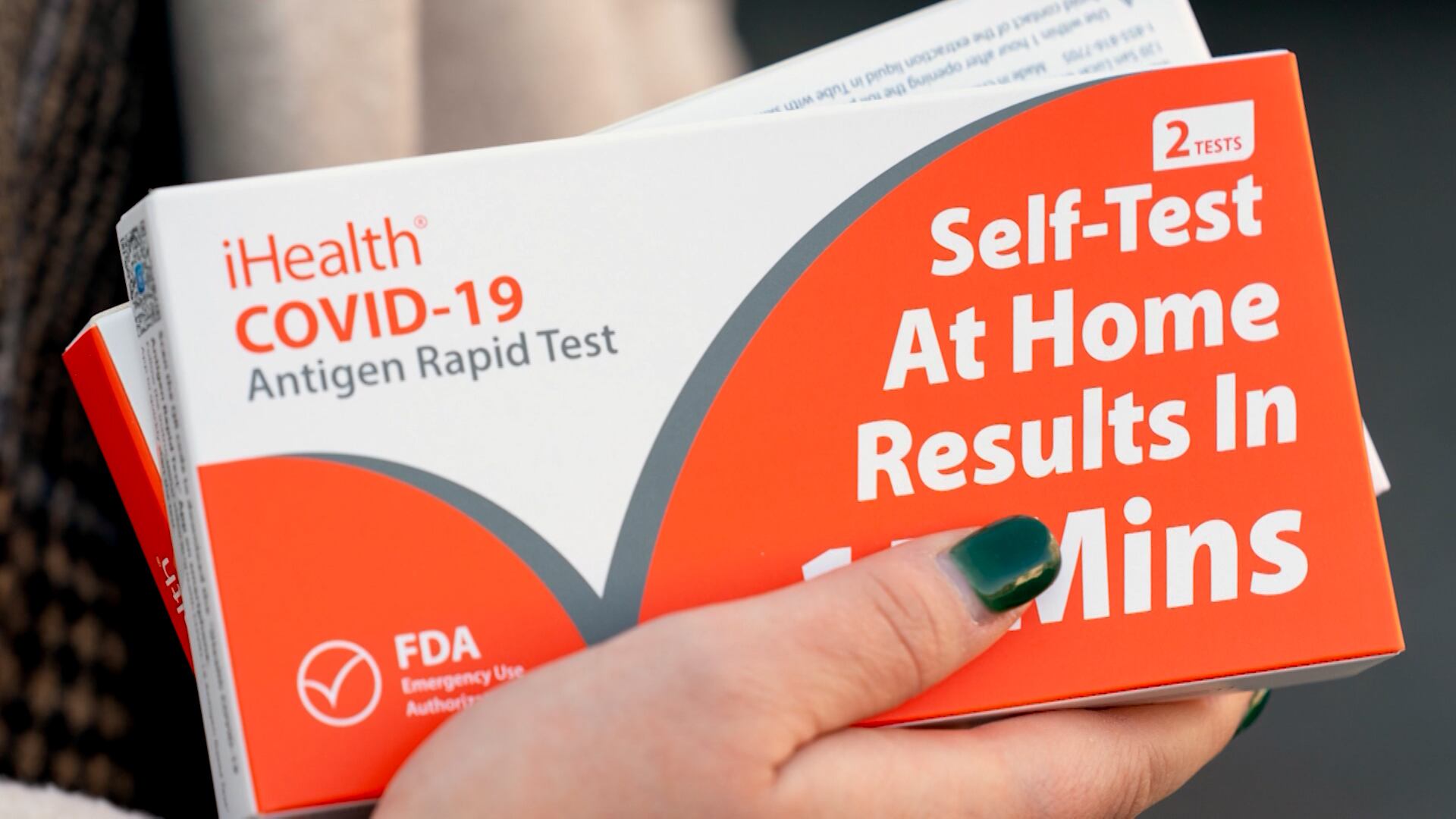
Americans looking to purchase at-home COVID-19 tests will now have to shell out a bit more money after an agreement expired between the White House and companies to sell the tests at cost. The price of Abbot's BinaxNow test kit from October to December was $14 apiece; on Tuesday, Walmart's website listed the test for $19.88, and Kroger listed the tests for $23.99. Carbon Health Regional Clinical Director Dr. Bayo Curry-Winchell joined Cheddar News' Closing Bell to discuss the impact higher prices will have as the nation experiences another surge in cases.
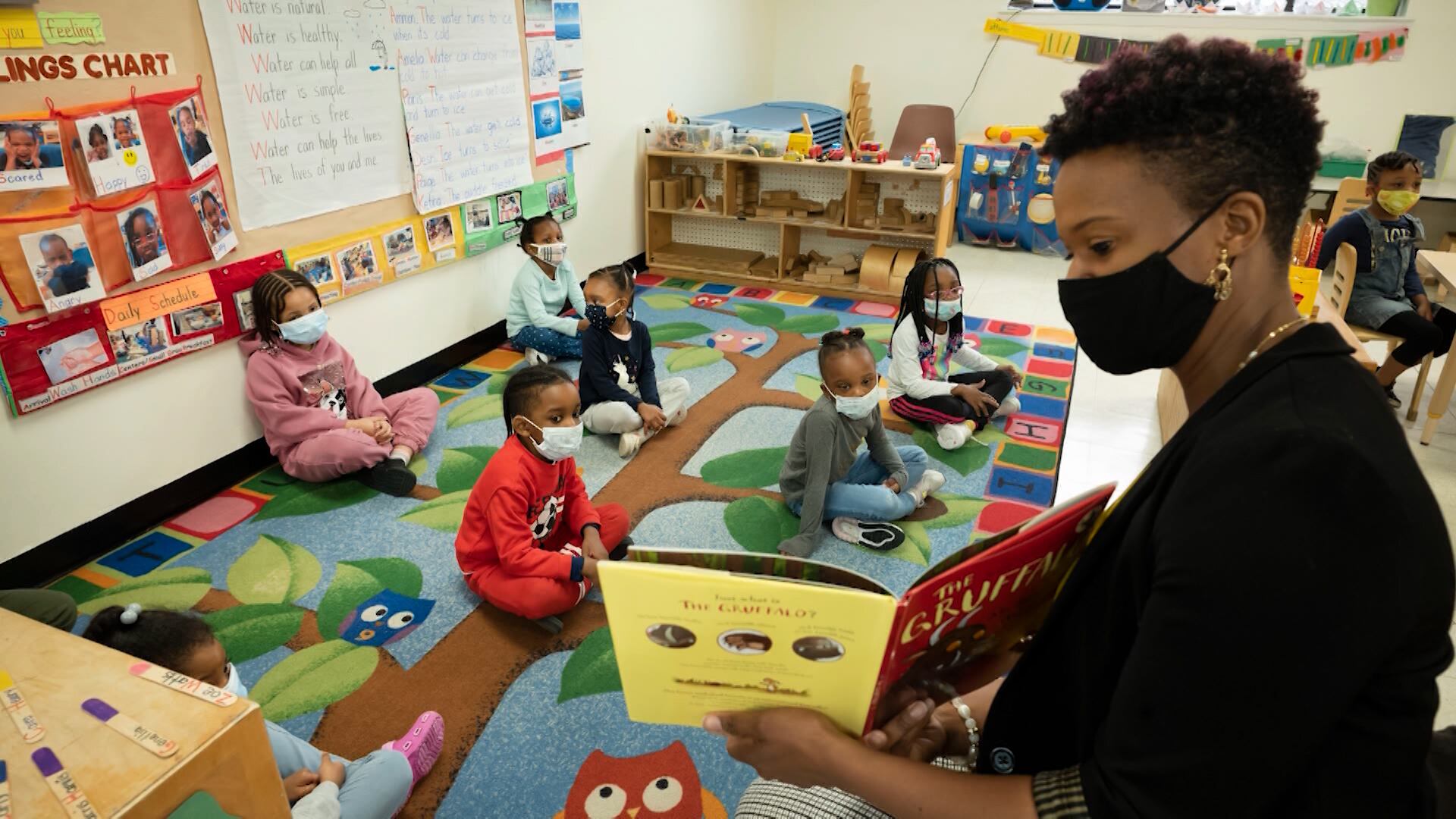
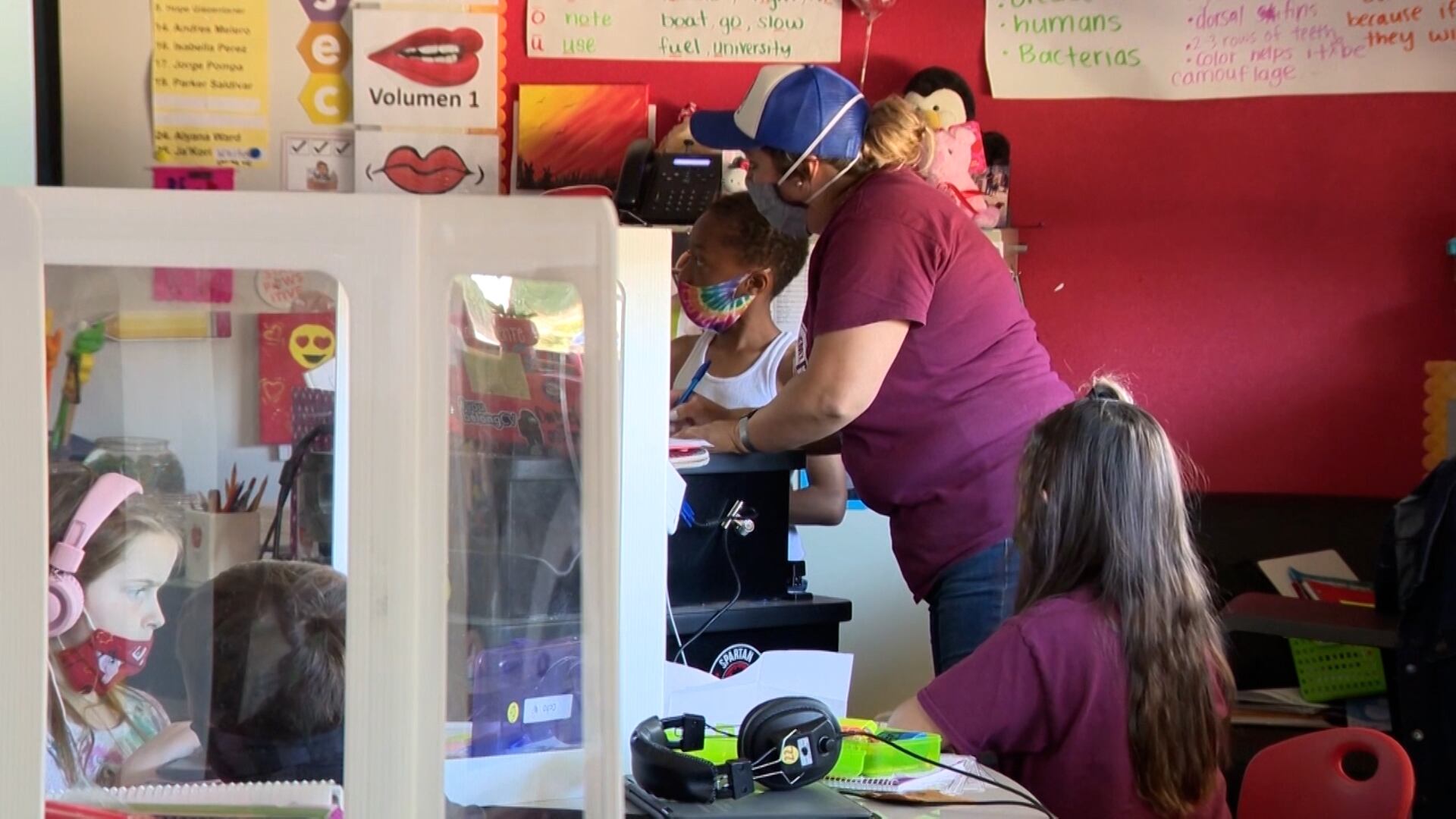
As millions of kids go back to school, districts across the country are determined to keep class in person, despite a surge in COVID cases. In New York City, Mayor Eric Adams has vowed to keep the nation's largest school system open amid Omicron, citing the disastrous effect of remote learning on students. Oswald Feliz, NYC council member who sits on the health and education committee, joined Cheddar to discuss the city's plan to combat the recent surge and keep kids in school.
Schools across the country are determined to keep class in session, despite the rapidly-spreading Omicron variant. While many parents prefer in-person learning, they also worry whether the current public health guidelines will be enough to protect their kids. Erin Richards, national education reporter for USA Today, joined Cheddar to discuss how are schools are preparing for the surge to avoid another round of remote learning.
With the annual CES convention underway amid COVID, HP unveiled rolled out a number of new products virtually this year, including new gaming PCs and 4K display monitors. But as industries look toward a greener future, HP is working with the climate crisis in mind. James McCall, chief sustainability officer at HP, joined Cheddar's Kristen Scholer to discuss the company's climate goals, which includes reducing its carbon footprint to net-zero by 2040. He admitted that reaching the ambitious goal will be difficult because much of the company's emissions totals come from third parties. "A large part of our footprint is outside of HP's direct control. A lot of it comes either from our incoming supply chain, the materials, our manufacturing process, or about 30 to 40 percent of it comes from our consumer-use base," McCall told Cheddar.
Pfizer and BioNTech are working to develop an mRNA-based shingles vaccine following the success of the COVID-19 shot. This latest collaboration will mark the third time the pharmaceutical companies have worked together on a vaccine.
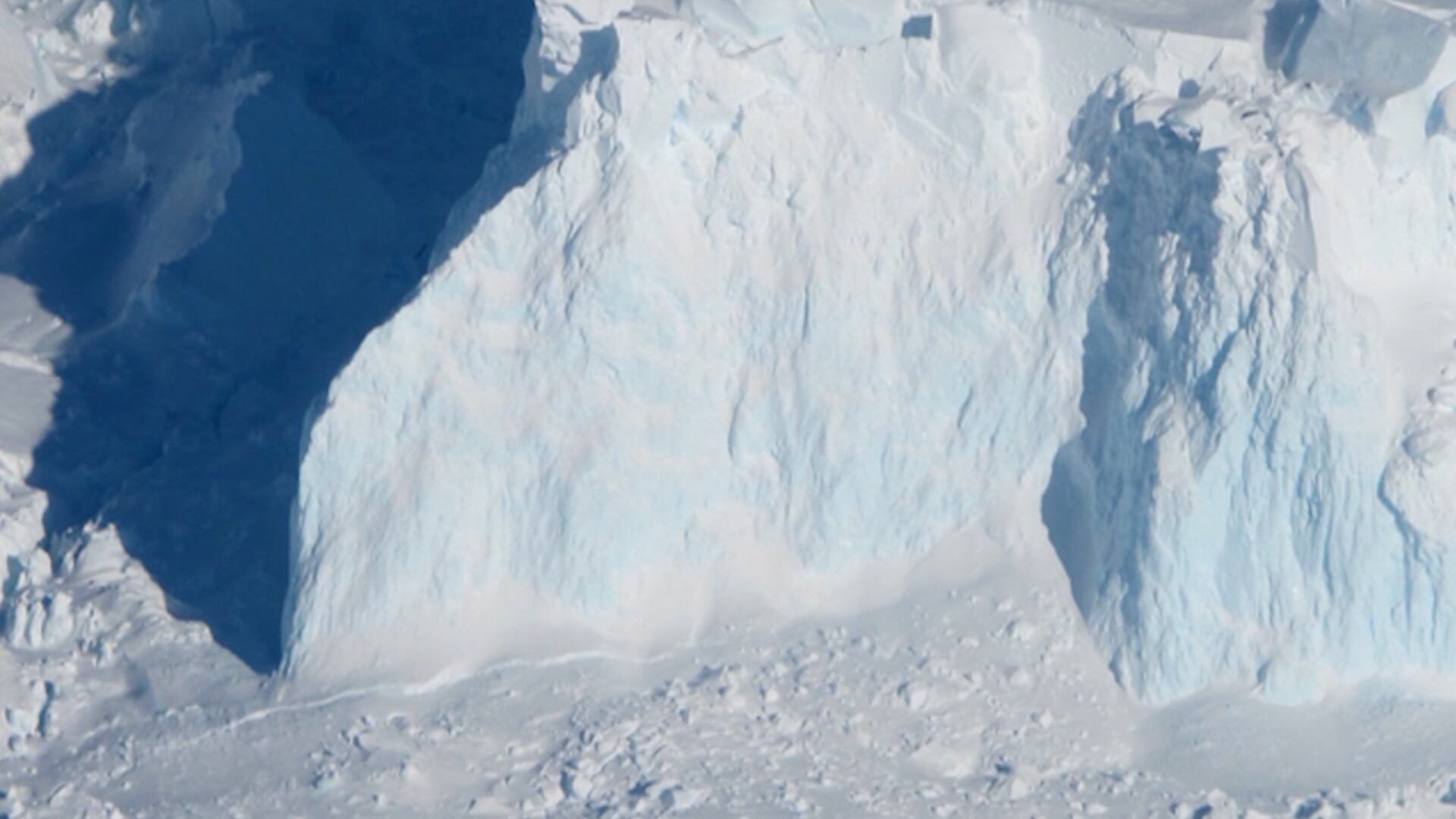
The potential collapse of the Thwaites glacier in Antarctica has been deemed a potential "doomsday event" — researchers and scientists say its melting and collapse could raise global sea levels by at least two feet, enough to destroy coastal communities around the world. One team of scientists is traveling to the Thwaites glacier to drill below in order to gauge current ocean temperatures and attempt to model possible outcomes. David Holland, professor at NYU and Principal Investigator for the International Thwaites Glacier Collaboration, joins Cheddar Climate to discuss the glacier's potential collapse, his team's research plan, and more.
As winter break wraps up and COVID-19 cases hit record levels, the majority of school districts are returning to in-person classes. While some public schools in large cities have shifted to remote learning for the beginning of the year, the schools that are reopening campuses are determined to avoid the academic, social, and logistical challenges that come with a virtual classroom. Cheddar News is joined by Keith Powers, NYC Council Member, to discuss.