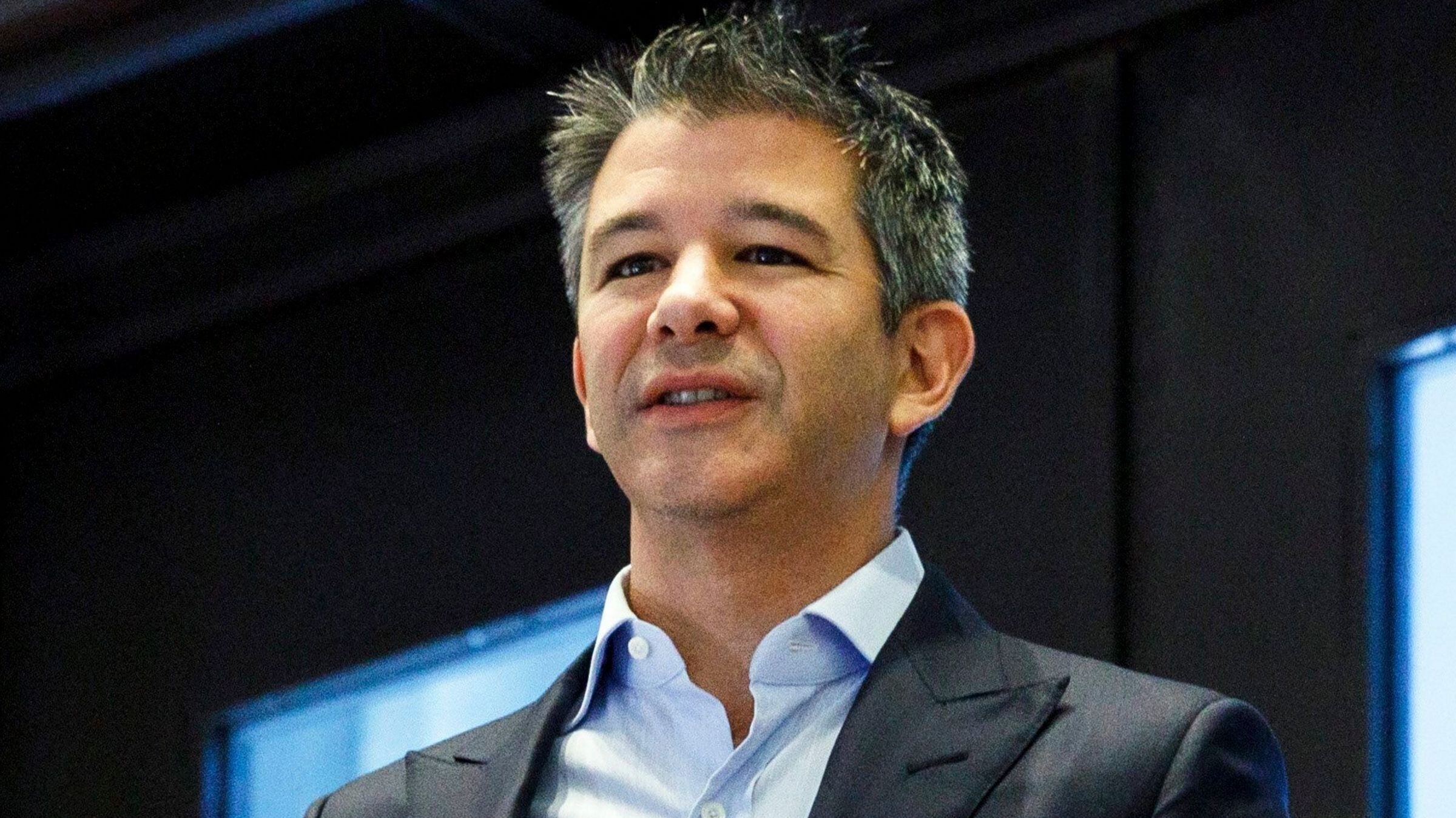
Former Uber CEO Travis Kalanick will resign from the board next week, effectively severing ties with the ride-hailing company he co-founded a decade ago.
Uber turbocharged the gig economy and since 2010 has logged 15 billion trips. Kalanick was ousted as CEO in the summer of 2017 with the company mired in numerous lawsuits.
The departure did not come as a surprise. Kalanick recently sold more than $2.5 billion worth of shares in the company, more than 90 percent of his holdings.
“Uber has been a part of my life for the past 10 years. At the close of the decade, and with the company now public, it seems like the right moment for me to focus on my current business and philanthropic pursuits," Kalanick said in a prepared statement Tuesday. "I’m proud of all that Uber has achieved, and I will continue to cheer for its future from the sidelines."
Uber under Kalanick grew with incredible speed, but like a number of other tech startups, the company ran into trouble with a corporate culture that appeared at times to be reeling out of control.
A former Uber engineer, Susan Fowler, discloses sexual harassment and sexism claims in a blog post about her year at Uber. Fowler says her boss propositioned her and higher-ups ignored her complaints. Kalanick calls Fowler's accusations "abhorrent" and hires former U.S. Attorney General Eric Holder to investigate.
Days later, Waymo, a self-driving car company spun off from Google, sues Uber. Waymo alleges that Anthony Levandowski — a former top manager for Google's self-driving car project — stole pivotal technology from Google before leaving to run Uber's self-driving car division.
Then, The New York Times reveals that Uber used a phony version of its app to thwart authorities in cities where it was operating illegally. Uber's so-called Greyball software identified regulators who were posing as riders and blocked access to them. The U.S. Justice Department is investigating Uber's use of the Greyball software.
If you have a flexible spending account, here's some short information for you so you don't leave money on the table.
With high healthcare costs, bills can quickly add up. In some cases, it is possible to negotiate your medical bills. Barak Richman, law professor at George Washington University, joined Cheddar News to discuss the easiest way to talk to medical debt companies about what's owed.
Millions of people have selected insurance plans for 2024 but sometimes navigating them can be tricky time consuming and expensive. Paula Pant, host of 'Afford Anything' podcast, joined Cheddar News to break down what's needed to know about their insurance plans.
The European Union is investigating Elon Musk's X over alleged illicit content and disinformation on its platform. Cheddar News breaks it all down and discusses what it could mean for users.
Adobe and Figma called off their $20 million merger, Southwest Airlines gets fined, Nippon Steel is buying U.S. Steel and oil and gas prices surge after a pause in shipments.
With more employees being called back to the office, many workers are suddenly protesting by being in the office for as little time as possible. As the term suggests, coffee-badging means coming in for just enough time to have a cup of coffee, show your face, and swipe your badge.
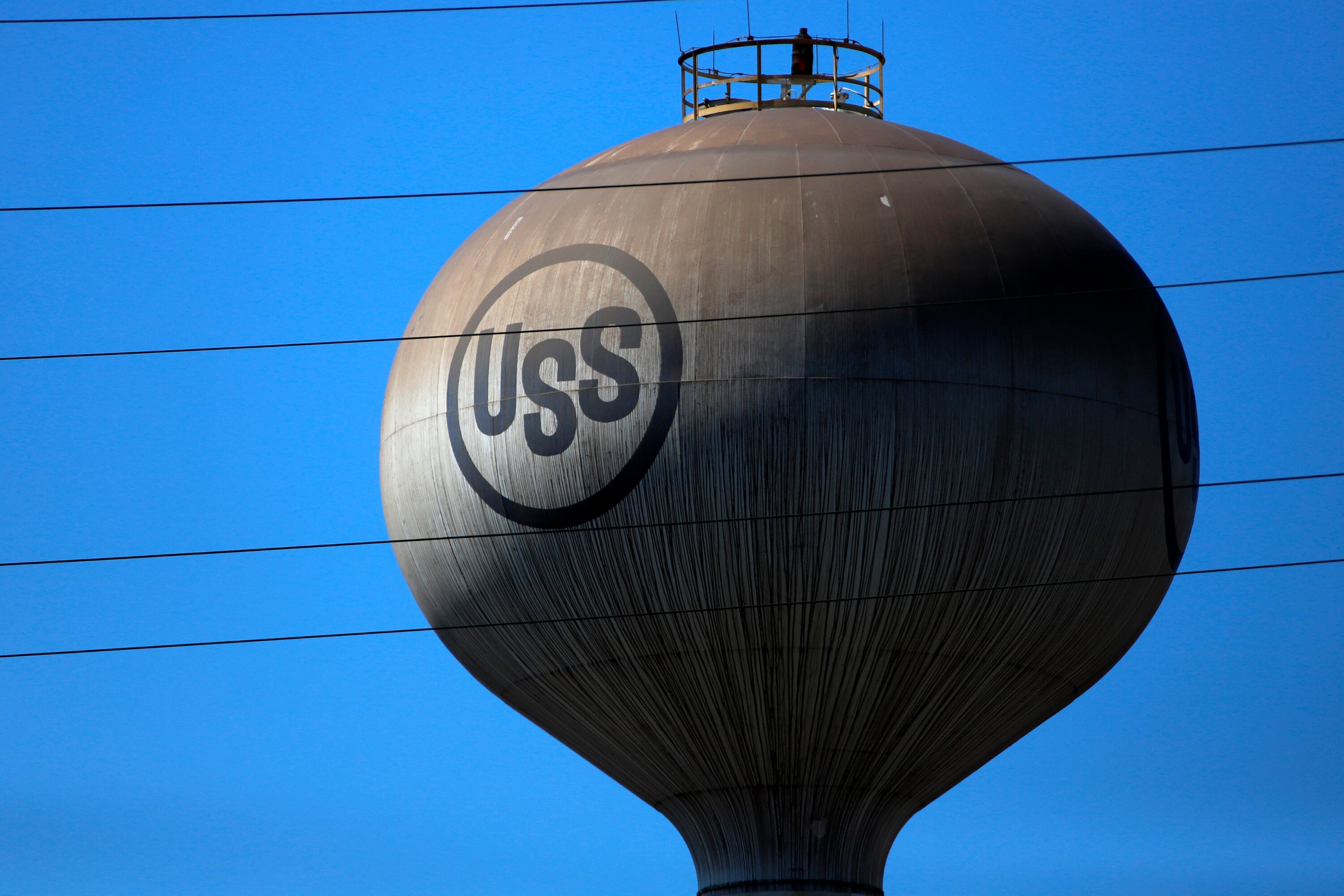
Japan's Nippon steel is buying U.S. Steel for $14.9 billion.
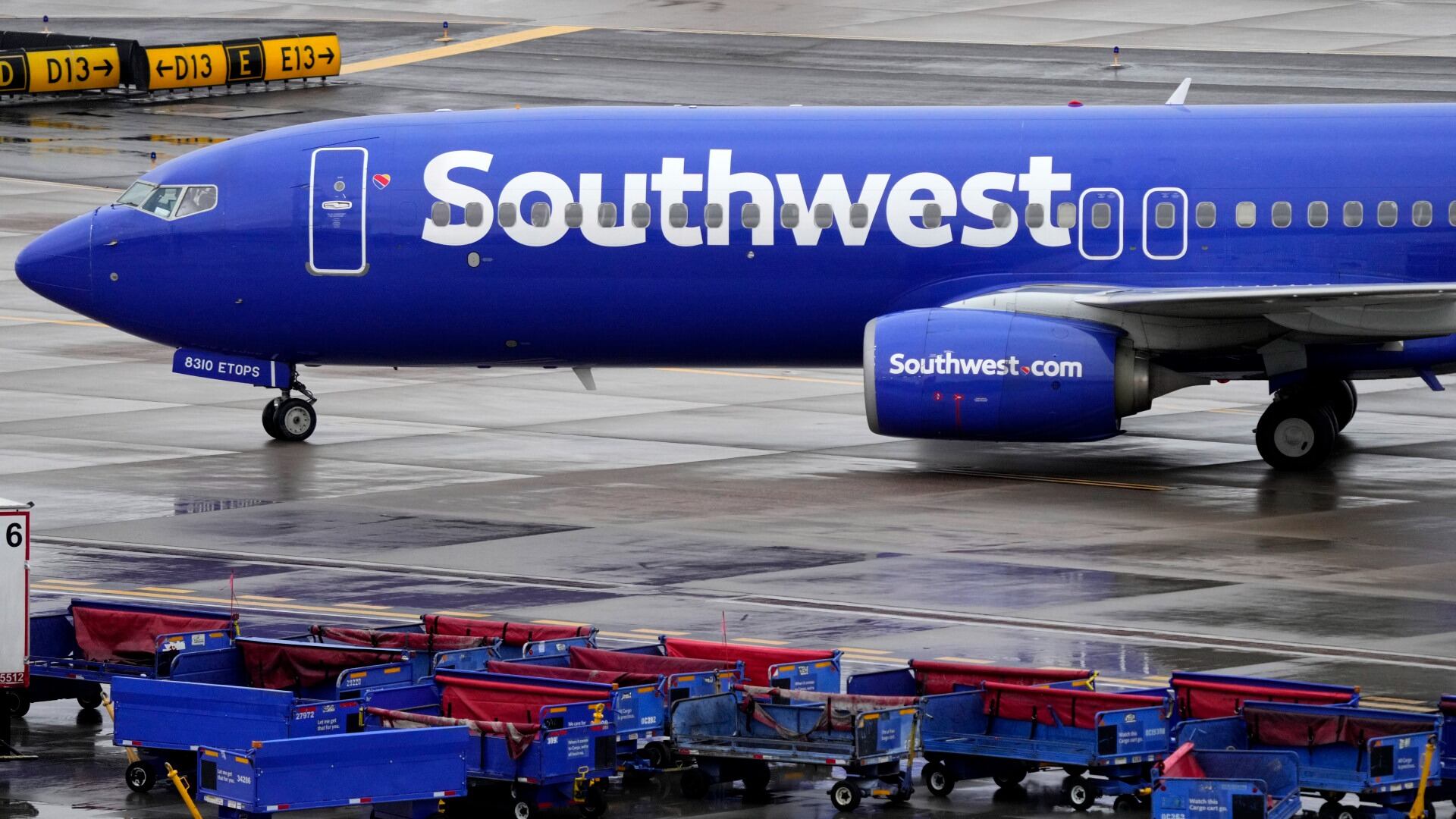
Southwest Airlines will pay a $35 million fine as part of a settlement over a 2022 holiday season disaster that saw the airline cancel thousands of flights and leave millions of people stranded.
Cheddar News' Need2Know is brought to you by Securitize, which helps unlock broader access to alternative investments in private businesses, funds, and other alternative assets. The private credit boom is here and the Hamilton Lane Senior Credit Opportunities Fund has tripled in assets under management in just six months from November 2022 through April this year. Visit Securitize.io to learn more.
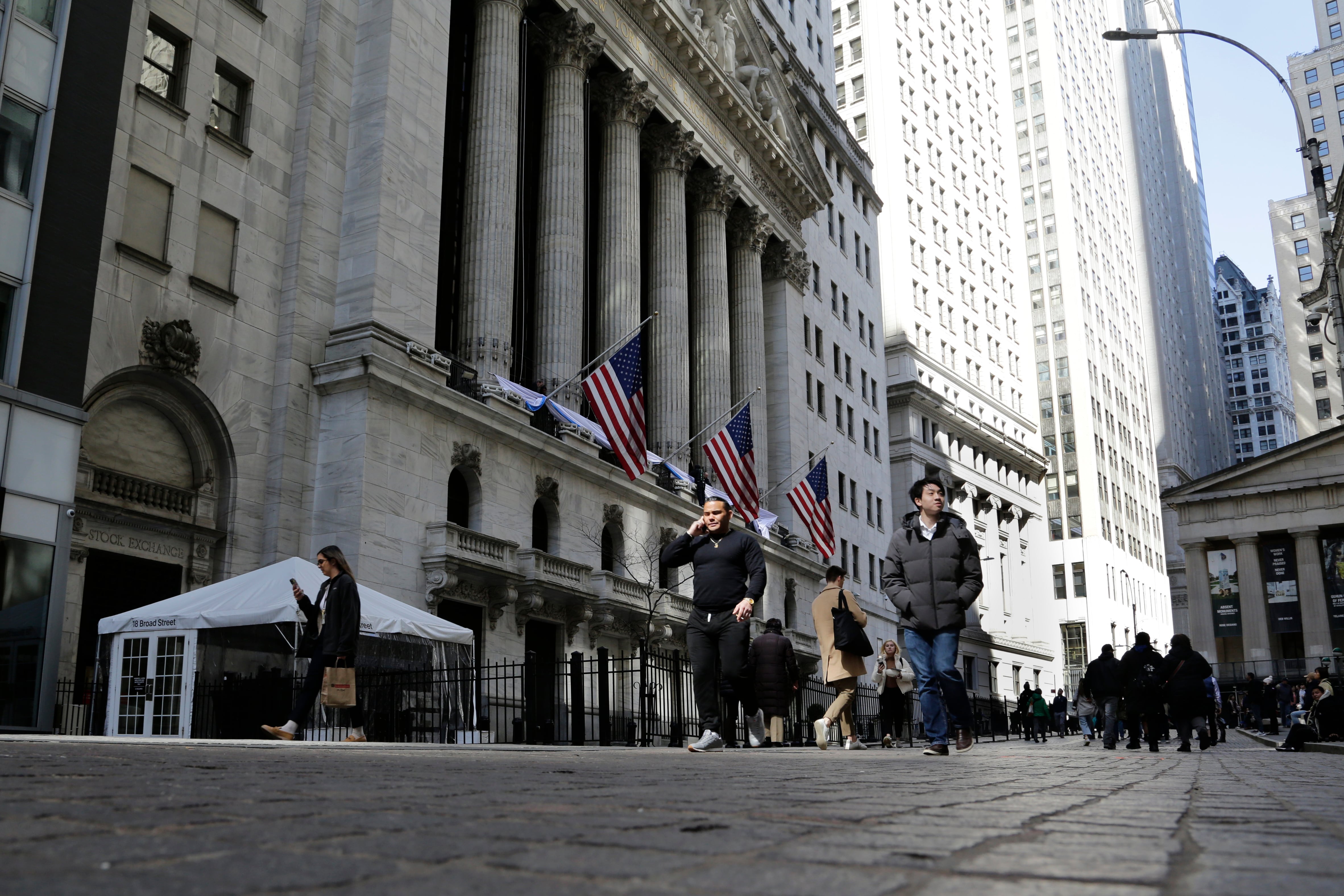
Stocks opened slightly higher after Monday's opening bell after several weeks of gains as the year closes out.