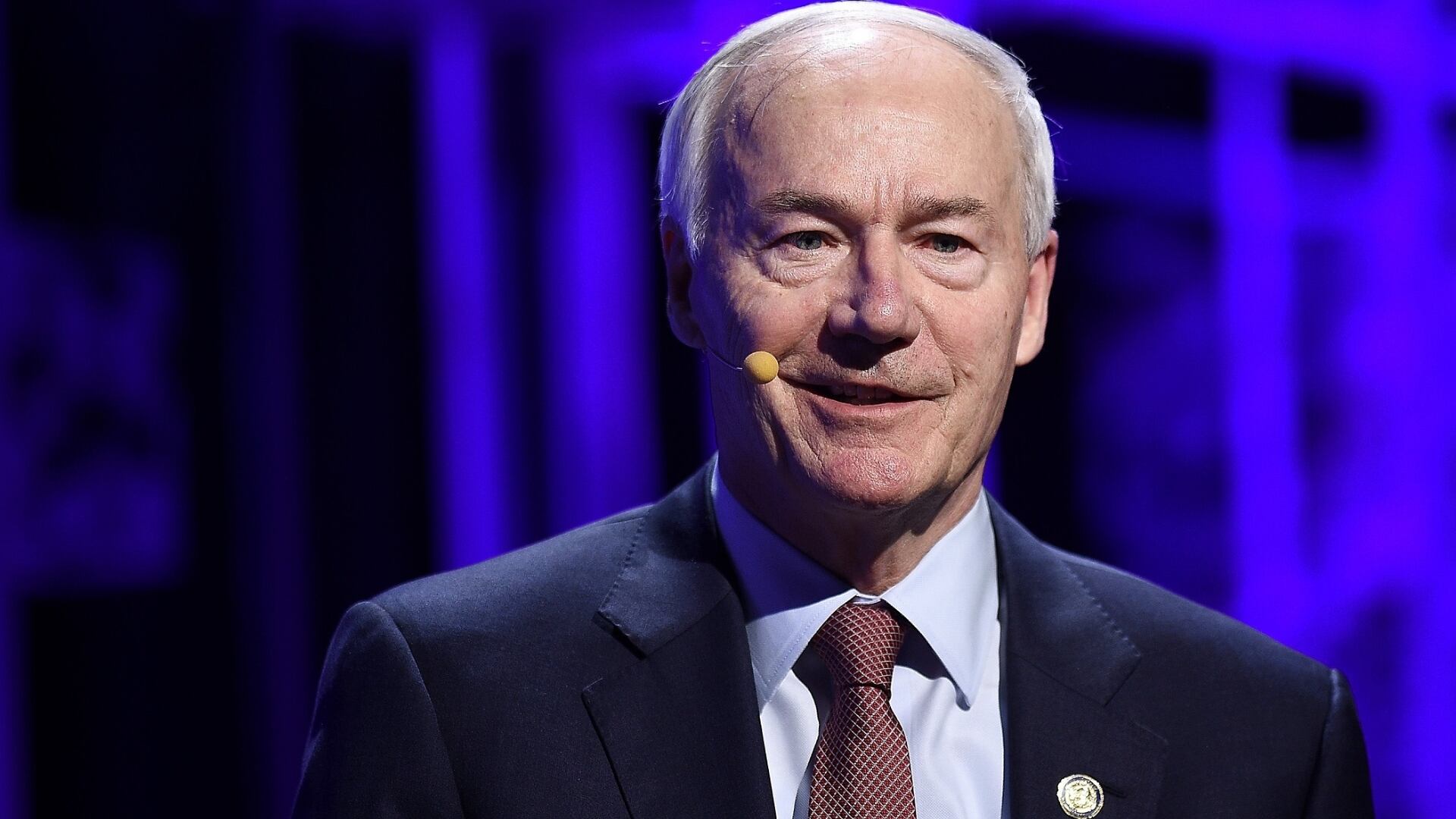
*By Carlo Versano* Colin Kroll [appeared](https://cheddar.com/videos/are-you-smarter-than-a-game-show-app) on Cheddar in October of 2017 with something to promote: a new app he helped create, HQ Trivia, and Kroll and his partners knew they had tapped into something in the zeitgeist. The live game-show-style trivia game, which turned the bite-sized, on-demand world of mobile video into a live viewing experience à la primetime television, was putting up impressive numbers for something that was just two months old; the night before the Cheddar appearance, nearly 14,000 people had signed on at 9 p.m. EST for a chance to win more than $1,000. From there, the popularity of HQ skyrocketed. By early January, the app reached a milestone ー 1 million people participating in its live game. That number would regularly hit 2 million for games with the biggest prizes ーwhich reached up to $400,000 ーand HQ spent the first part of 2018 lording over the app store rankings. Intermedia Labs, the company founded by Kroll and Rus Yusupov that produced the game, banked $15 million in venture funding at a valuation of over $100 million. HQ Trivia was called the future of [mobile gaming](https://www.theverge.com/2017/10/29/16554488/hq-trivia-viral-mobile-game-future-of-tv-live-streaming), the future of [game shows](https://www.hollywoodreporter.com/news/is-app-future-game-shows-1053450), even the future of [TV](https://www.newstatesman.com/culture/tv-radio/2018/04/hq-trivia-not-netflix-real-future-television-and-you-are-star). For Kroll, Yusupov, and the charismatic host of the show, Scott Rogowsky, there seemed nowhere to go but up. Then on Sunday, Kroll was found dead in his New York City apartment of a suspected drug overdose. He was 34. Kroll's death was met with an outpouring of support both online and from Silicon Valley. “I will forever remember him for his kind soul and big heart,” Yusupov said. “He made the world and internet a better place. Rest in peace, brother.” On Sunday night's show, Rogowsky remembered Kroll as a "true visionary who changed the game twice" with HQ and his previous app, Vine. "The game that you love so much would not exist without him," Rogowsky said to the 70,000 viewers. The night's game was canceled; instead, the $25,000 pot was donated to the Humane Society in Kroll's honor. Kroll's father Alan [told The New York Times](https://www.nytimes.com/2018/12/16/nyregion/hq-trivia-overdose-colin-kroll.html) after learning of his son's death: “He had so much talent and had accomplished so much at such a young age. It truly is a waste. At 34, imagine the things he’d done and the skills he had. It would have been really fun to watch him at 50.” Before HQ Trivia, Kroll co-founded Vine, the now-defunct app that looped six-second videos and gained a cult following before it was bought by Twitter ($TWTR) and then unceremoniously shuttered. In its early days, Vine became a touchstone for a weird internet subculture that used its six-second rule as a challenge to see what kind of content could be produced in such a small amount of time. Turns out, [a lot](https://www.youtube.com/channel/UCB8UA8YCUv9DseHrLHg6wKw). Vine was particularly instrumental in black social media culture ー driving memes, catchphrases, and even launching artist careers. But its complicated interface, extreme time constraints, and unfriendliness to traditional advertising left it on the chopping block for new parent Twitter, where Kroll was working after the sale. Kroll was eventually fired from Twitter for "poor management" and while at HQ was accused in a complaint of inappropriate and unprofessional workplace behavior. An internal investigation did not yield any concerns, [the company said](https://www.recode.net/2017/12/18/16752796/hq-trivia-founders-fundraising-bad-reputation-creepy-behavior-twitter-vine), and the board appointed Kroll as the sole CEO after a power struggle with Yusupov. Kroll was a computer engineer said to be the technical brains behind both Vine and HQ. But he understood that, at their core, his experiments in mobile video were media ventures. He said in a 2017 interview that HQ was based in New York rather than Silicon Valley because it conceived of itself as having more in common with media than tech ー a position anathema to many of the Valley's darlings who only [begrudgingly or in secret](https://www.theguardian.com/technology/2018/jul/02/facebook-mark-zuckerberg-platform-publisher-lawsuit) admit to being media platforms. The glow from HQ's viral success has dimmed over the past year. It shed users ー though still commands tens of thousands a game ー and dropped precipitously in the [app rankings](https://twitter.com/JoshConstine/status/1029441684478644224). Kroll and his team were said to be working on a new "Wheel of Fortune"-type game before he died. It was unclear who would lead the company in the wake of Kroll's death. In a statement to Cheddar, Intermedia Labs said: "We learned today of the passing of our friend and founder, Colin Kroll, and it's with deep sadness that we say goodbye. Our thoughts go out to his family, friends and loved ones during this incredibly difficult time."