By Anne M. Peterson
FIFA President Gianni Infantino could make no guarantee Wednesday that the member federations will distribute the $30,000 payments promised to every player at the Women's World Cup.
He said at a news conference ahead of the tournament opener that he's engaging with member federations on the issue. The payments are made the national federations, which are expected to pay the players.
But there is no mechanism to directly pay the players the money, which could be life-changing for some.
“We are moving of course in the right direction, we have been consulting with associations, with players, to try to go in the right path,” Infantino said. “We have issued these recommendations, but we have an association of associations. So whatever payments we do, we will go through the associations and then the associations will, of course, make the relevant payments to their own players. We are in touch with all the associations.”
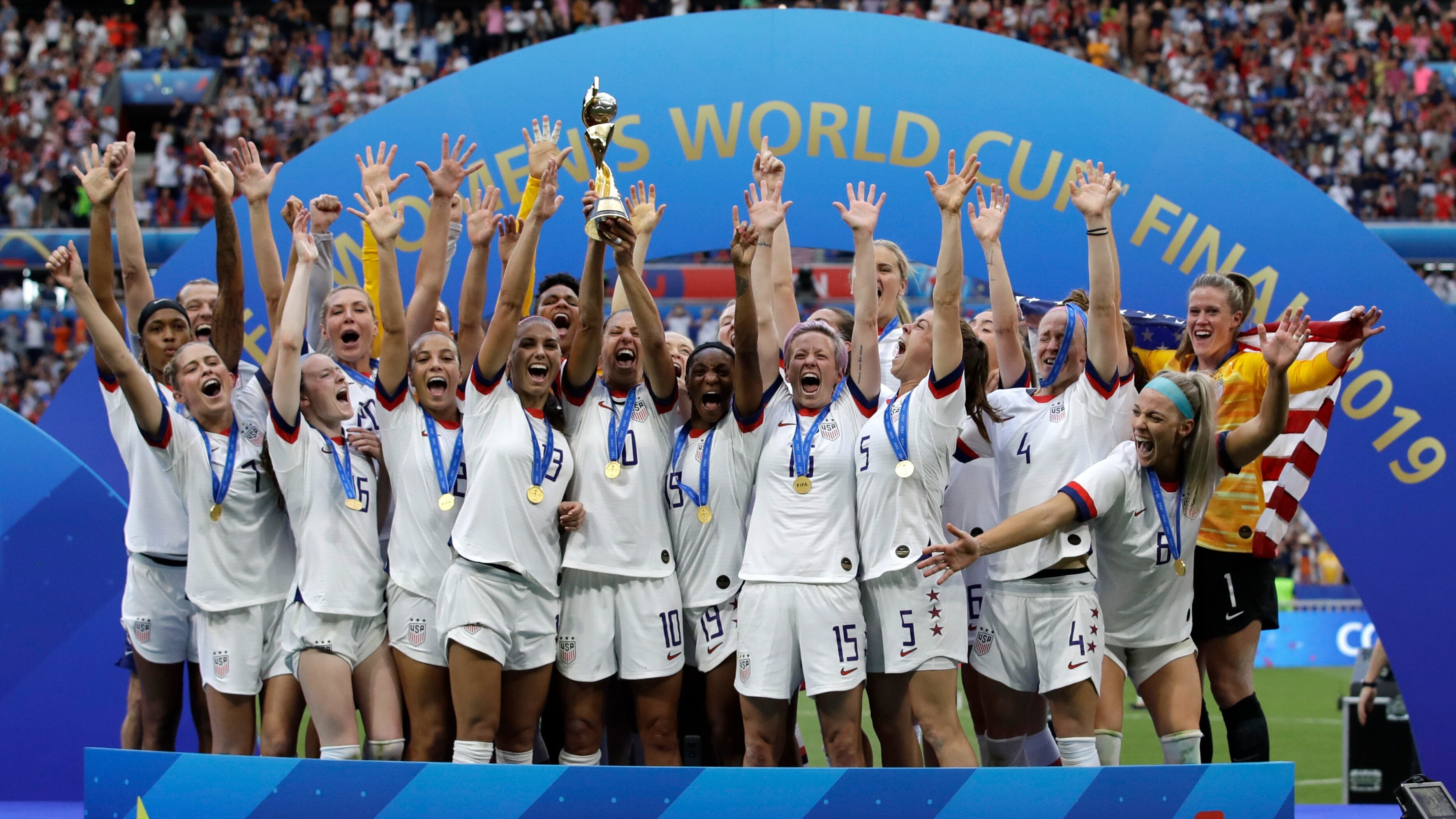
FIFA had previously confirmed that the 732 players participating in the World Cup will be paid at least $30,000 each. The paycheck rises if teams do well, with each player for the winning team earning $270,000.
Infantino said there are complications including residency and taxation that are best handled by federations.
The payment is significant for many players: the average annual salary worldwide for women who play professionally is $14,000.
FIFA’s agreement means that half of the total World Cup prize money fund of $110 million will be paid to the players in the 32 teams. The prize pool is more than three times the $30 million prize fund FIFA paid out at the 2019 Women’s World Cup in France.
The global players’ union, known as FIFPRO, helped push FIFA to dedicate a percentage of the prize money to the players themselves. The union sent a letter to FIFA in October on behalf of players from 25 national teams calling for more equitable conditions and prize money.
However, the prize money fund is still far below the $440 million paid to the men who played in the World Cup last year in Qatar. Infantino said the goal is to equalize the prize money by the 2026 men's World Cup and the 2027 women's edition.
Infantino said the Women's World Cup is expected to generate a half-billion dollars in revenue and the organization will break even. For the first time, the commercial rights for the Women's World Cup were sold separately from the men's tournament.
The tournament opens Thursday with both co-hosts involved. New Zealand will play Norway in Auckland, and Australia will take on Ireland in Sydney.