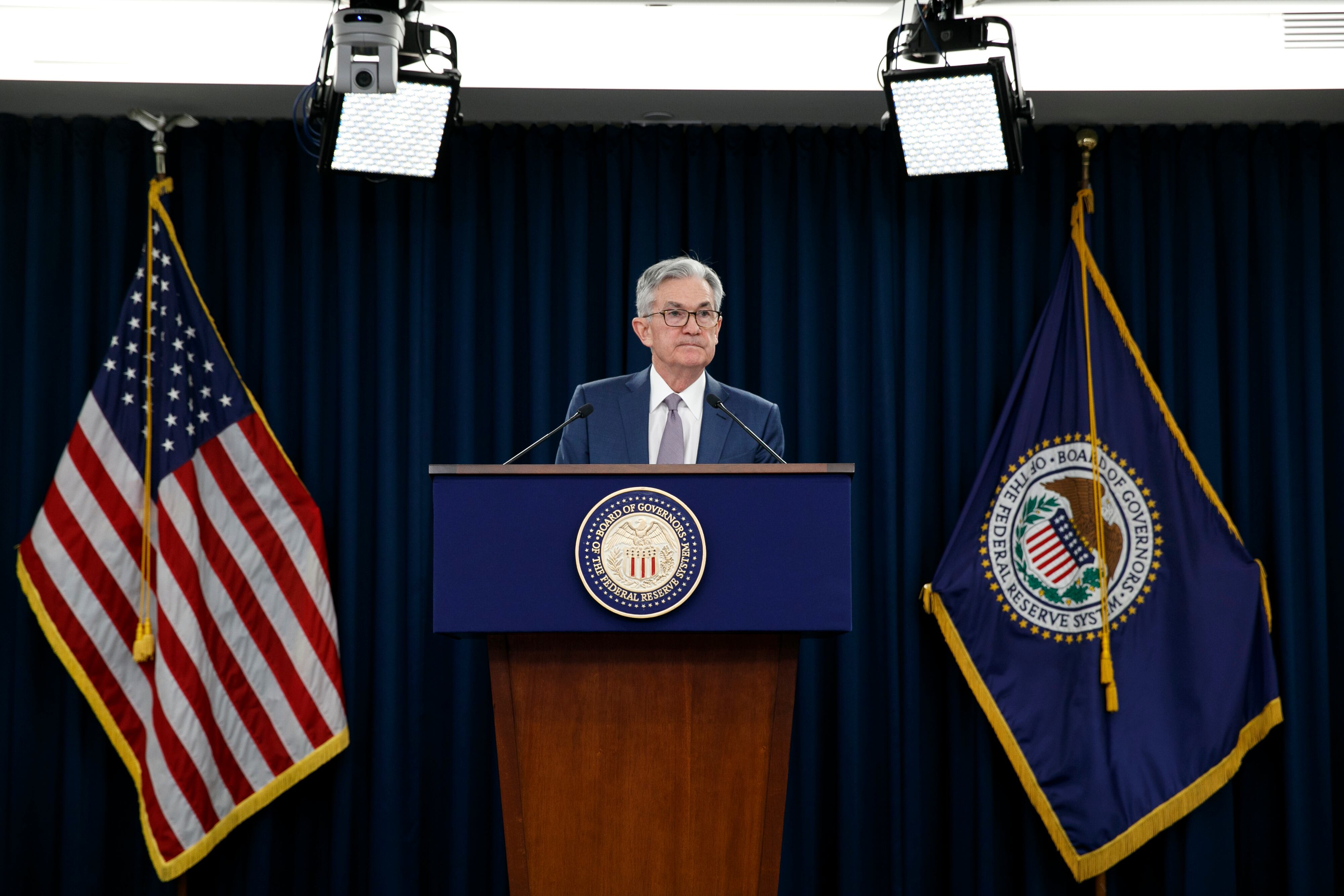
Federal Reserve Chair Jerome Powell speaks during a news conference, Tuesday, March 3, 2020. (AP Photo/Jacquelyn Martin)
By Martin Crutsinger
The Federal Reserve is taking additional steps to provide up to $2.3 trillion in loans to support the economy. The money will target American households and businesses, as well as local governments besieged by the coronavirus outbreak.
The Fed said Thursday that it is activating a Main Street Business Lending Program authorized by the CARES Act, the largest economic relief package ever passed by Congress.
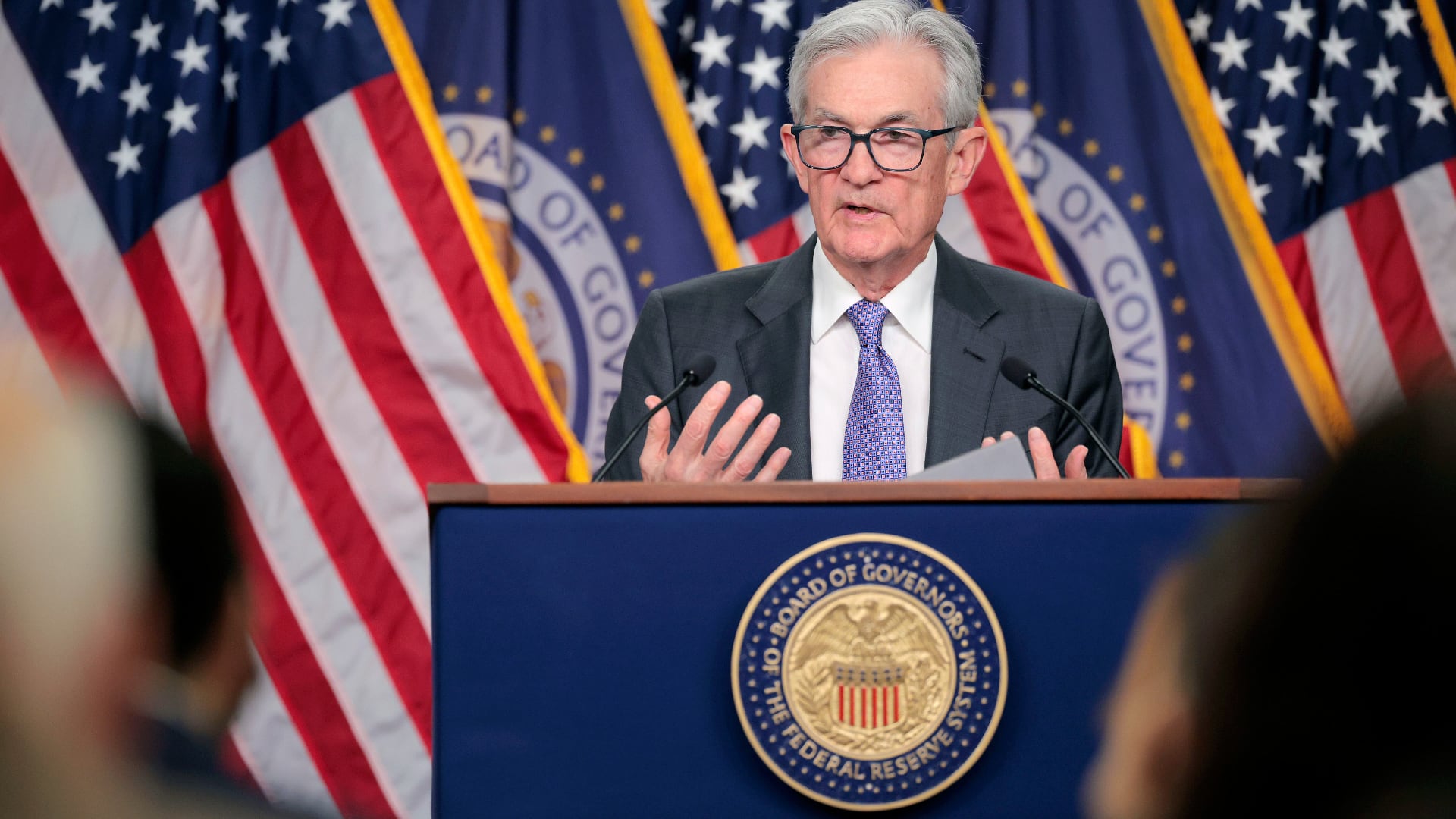
Federal Reserve Chairman Jerome Powell said the Fed's role was to “provide as much relief and stability as we can during this period of constrained economic activity.”
In addition, the Fed activated a loan program for municipal governments, as well as additional support for the Paycheck Protection Program, which the Small Business Administration rolled out last week. The program provides loans to businesses with fewer than 500 employees.
The Main Street lending program “will make a significant difference for the 40,000 medium-sized business that employ 35 million Americans," Treasury Secretary Steven Mnuchin said.
The government's pay protection plan for small businesses is off to a rocky start. They have had difficulty getting banks to provide the loans. The banks have said that the government has not made clear how they should process such loans, even what forms are required.
The Fed announced the new infusion of cash on the same day the U.S. reported applications for unemployment benefits last week reached a staggering 6.6 million. That means more than one in 10 workers have lost their jobs in just the past three weeks to the coronavirus outbreak.
Bambu Ventures's Kyle Pretsch dives into Lemonaid’s $10M buyout, down from 23andMe’s $400M price tag, and what’s next after Chrome Co.’s dramatic pivot.
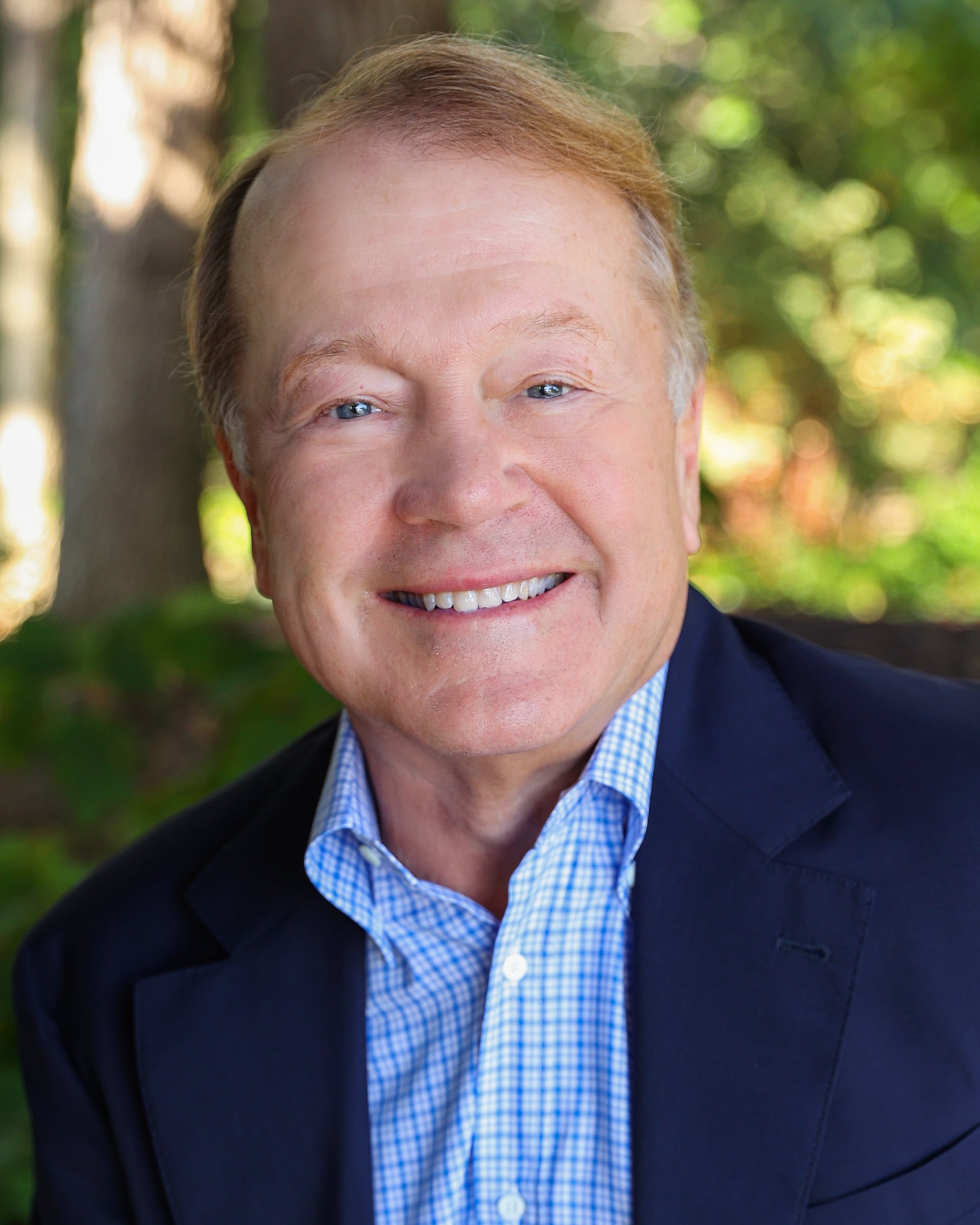
Former Cisco Systems CEO John Chambers learned all about technology’s volatile highs and lows as a veteran of the internet’s early boom days during the late 1990s and the ensuing meltdown that followed the mania. And now he is seeing potential signs of the cycle repeating with another transformative technology in artificial intelligence. Chambers is trying take some of the lessons he learned while riding a wave that turned Cisco into the world's most valuable company in 2000 before a crash hammered its stock price and apply them as an investor in AI startups. He recently discussed AI's promise and perils during an interview with The Associated Press.
Grove Collaborative’s CEO shares how the company is reinventing everyday goods with sustainability at the core and working toward a plastic-free future.
Atlanta Mayor Andre Dickens shares plans for affordable housing, community-led growth, and why private and public grocery stores could be key to food equity.
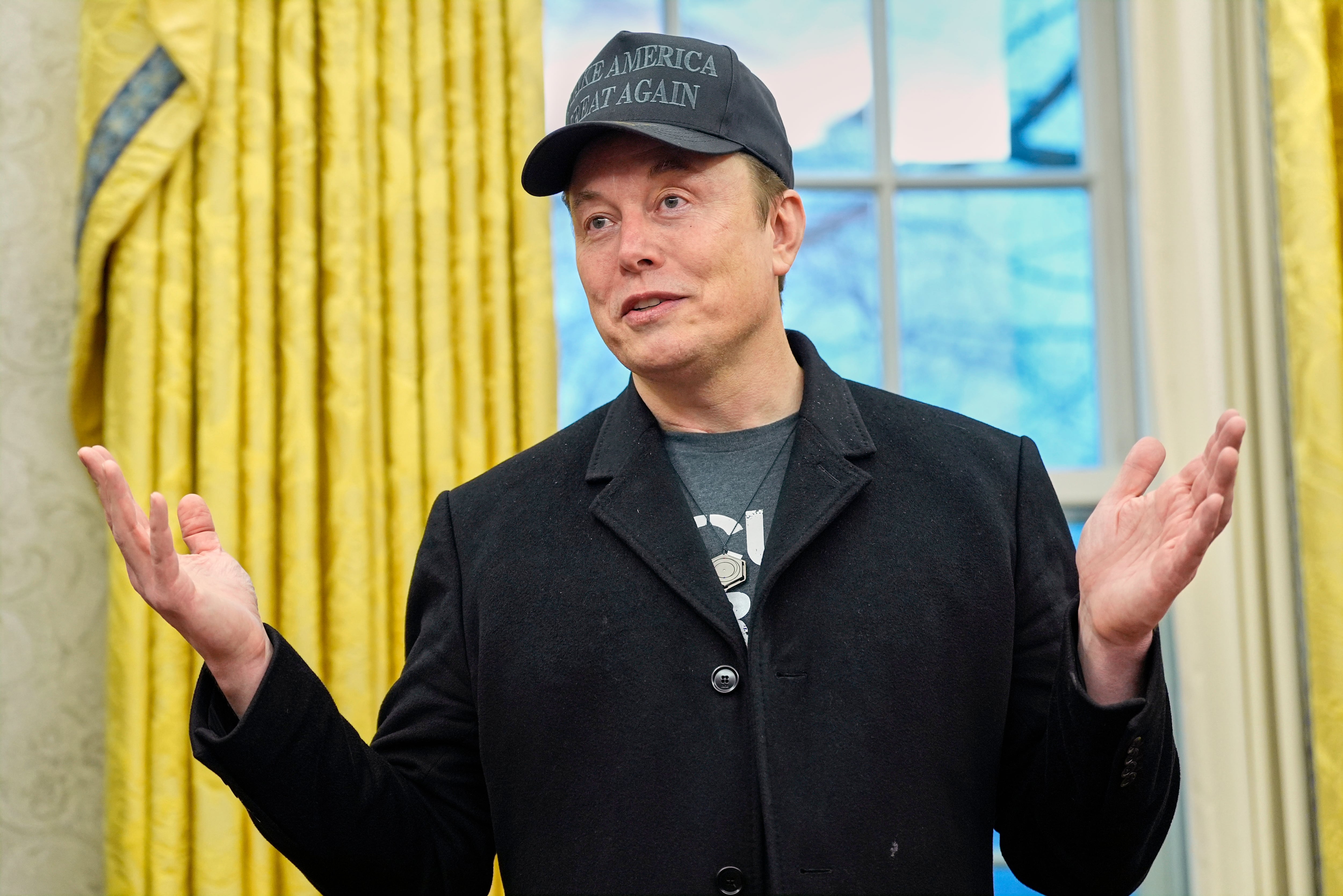
Tesla reported a surprise increase in sales in the third quarter as the electric car maker likely benefited from a rush by consumers to take advantage of a $7,500 credit before it expired on Sept. 30. The company reported Thursday that sales in the three months through September rose 7% compared to the same period a year ago. The gain follows two quarters of steep declines as people turned off by CEO Elon Musk’s foray into right-wing politics avoided buying his company’s cars and even protested at some dealerships. Sales rose to 497,099 vehicles, compared with 462,890 in the same period last year.
Tom’s Guide Editor-in-Chief Mark Spoonauer breaks down Apple & Amazon's latest product drops—what's hot, what's hype, and what really matters for users.