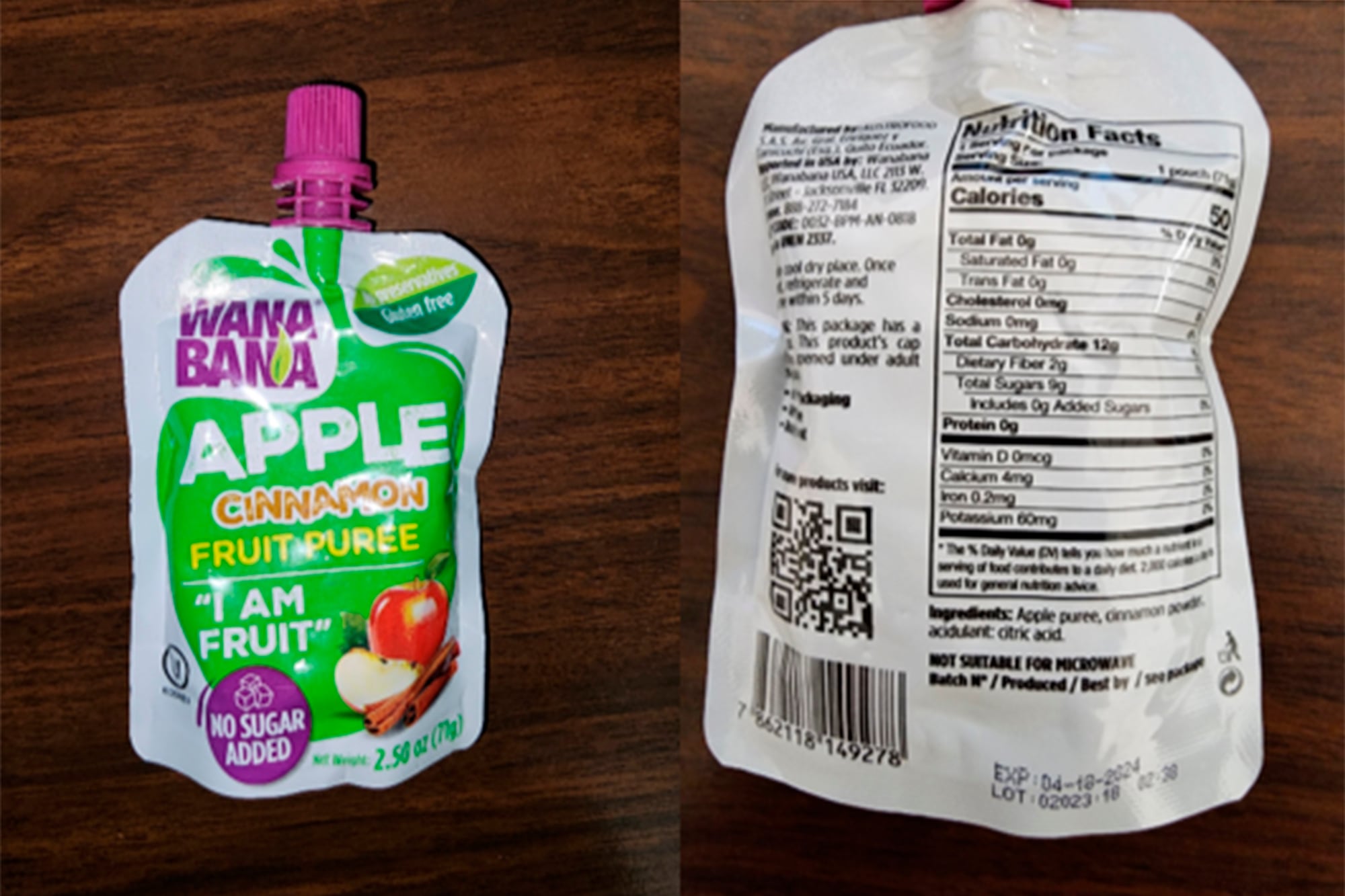
This photo provided by the U.S. Food and Drug Administration on Oct. 28, 2023, shows a WanaBana apple cinnamon fruit puree pouch. The FDA is warning parents and caregivers not to buy or serve certain pureed fruit pouches marketed to toddlers and young children because the food might contain dangerous levels of lead. Children who have eaten WanaBana apple cinnamon fruit puree pouches should be tested for possible lead poisoning, the agency said. (FDA via aP)
By Jonel Aleccia
The U.S. Food and Drug Administration is warning parents and caregivers not to buy or serve certain pureed fruit pouches marketed to toddlers and young children because the food might contain dangerous levels of lead.
Children who have eaten WanaBana apple cinnamon fruit puree pouches should be tested for possible lead poisoning, the agency said.
Four children in North Carolina were found to have high levels of lead in their blood linked to the puree products, health officials said. State health officials analyzed multiple lots of the product and detected “extremely high” concentrations of lead. The FDA confirmed the results and said they could lead to “acute toxicity.”
WanaBana, which is based in Coral Gables, Florida, has recalled all lot codes and expiration dates of the snack products, which are sold nationally, including at Sam's Club and Dollar Tree and on Amazon.
Lead is toxic to people of all ages, but can be especially harmful to children. Most children have no obvious symptoms, so it's important that kids who are exposed get tested to check levels of lead in their blood. Short-term exposure to lead can result in symptoms that include headache, abdominal pain, vomiting and anemia, the FDA said.
Heavy metals like lead can get into food products from soil, air, water or industrial processes, according to the American Academy of Pediatrics. Lead exposure can seriously harm children's health, causing damage to the brain and nervous system and slowed growth and development. There is no known safe level of lead exposure, the AAP said.
Wealthfront’s CFO Alan Iberman talks the $2.05B IPO and the major moment for robo banking as the company bets on AI, automation, and “self-driving money."
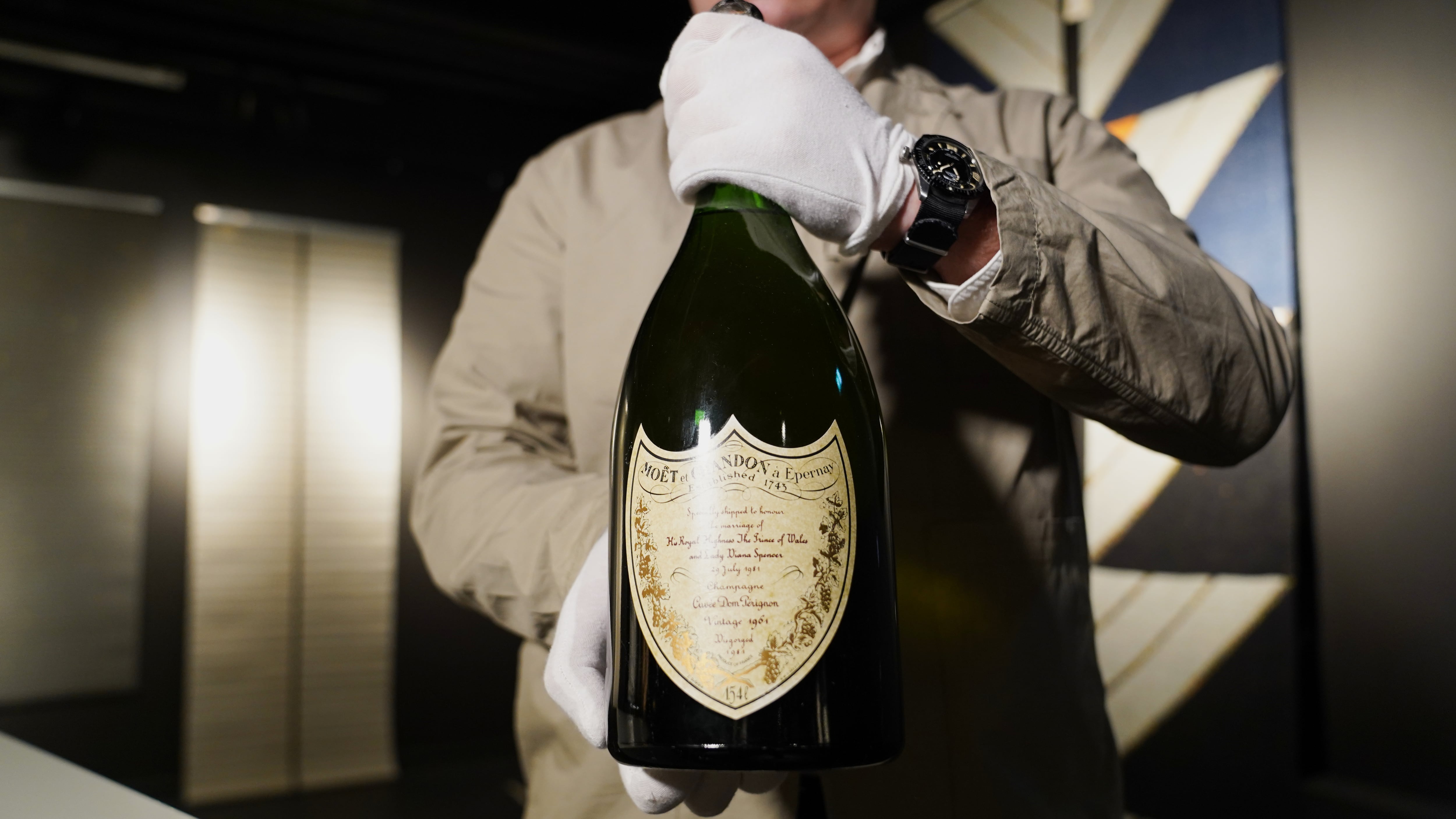
A rare magnum of Dom Pérignon Vintage 1961 champagne that was specially produced for the 1981 wedding of Prince Charles and Lady Diana has failed to sell during an auction. Danish auction house Bruun Rasmussen handled the bidding Thursday. The auction's house website lists the bottle as not sold. It was expected to fetch up to around $93,000. It is one of 12 bottles made to celebrate the royal wedding. Little was revealed about the seller. The auction house says the bids did not receive the desired minimum price.
The New York Times and President Donald Trump are fighting again. The news outlet said Wednesday it won't be deterred by Trump's “false and inflammatory language” from writing about the 79-year-old president's health. The Times has done a handful of stories on that topic recently, including an opinion column that said Trump is “starting to give President Joe Biden vibes.” In a Truth Social post, Trump said it might be treasonous for outlets like the Times to do “FAKE” reports about his health and "we should do something about it.” The Republican president already has a pending lawsuit against the newspaper for its past reports on his finances.
OpenAI has appointed Slack CEO Denise Dresser as its first chief of revenue. Dresser will oversee global revenue strategy and help businesses integrate AI into daily operations. OpenAI CEO Sam Altman recently emphasized improving ChatGPT, which now has over 800 million weekly users. Despite its success, OpenAI faces competition from companies like Google and concerns about profitability. The company earns money from premium ChatGPT subscriptions but hasn't ventured into advertising. Altman had recently announced delays in developing new products like AI agents and a personal assistant.
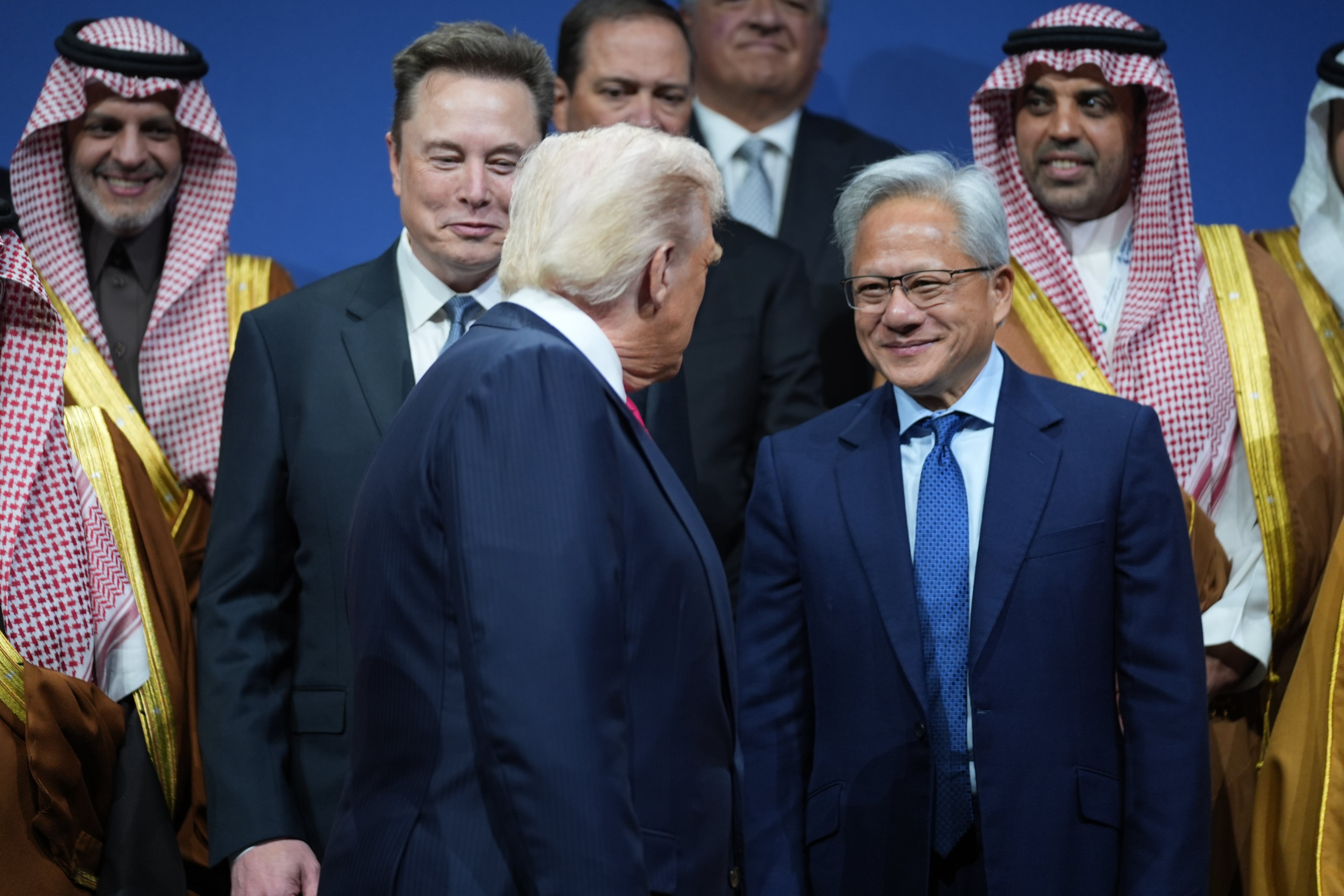
President Donald Trump says he will allow Nvidia to sell its H200 computer chip used in the development of artificial intelligence to “approved customers” in China. Trump said Monday on his social media site that he had informed China’s leader Xi Jinping and “President Xi responded positively!” There had been concerns about allowing advanced computer chips into China as it could help them to compete against the U.S. in building out AI capabilities. But there has also been a desire to develop the AI ecosystem with American companies such as chipmaker Nvidia.