Experts Warn of a Growing Number of Children Experiencing Climate Anxiety
Medical experts are sounding the alarm about the rise of "climate anxiety" in children and teens around the globe.
"We see that a lot of young people are saying, 'I think my life will be worse than my parents' lives,'" a psychology professor at Suffolk University in Boston told CBS News.
Data from a study published in The Lancet Planetary Health in December 2021 found that young people are extremely concerned about the state of the climate crisis.
"Climate anxiety and dissatisfaction with government responses are widespread in children and young people in countries across the world and impact their daily functioning," the report stated. "A perceived failure by governments to respond to the climate crisis is associated with increased distress."
A large number of young people in the study reported that they feel a sense of hopelessness and worry that the human race will go extinct. Most also agreed that governments are not doing enough to address the issue and even noted feeling betrayed by them.
"Children are now turning to legal action based on government failure to protect ecosystems, young citizens and their futures. Failure of governments to protect them from harm from climate change could be argued to be a failure of human rights and a failure of ethical responsibility to care, leading to moral injury," according to the journal.
The non-profit Child Mind Institute suggests that parents allow children to express their concerns and fear of climate change but to also encourage them to be brave. The organization also advises that parents helping them manage their feelings and adopting ways to change their own habits can help mitigate the worry.
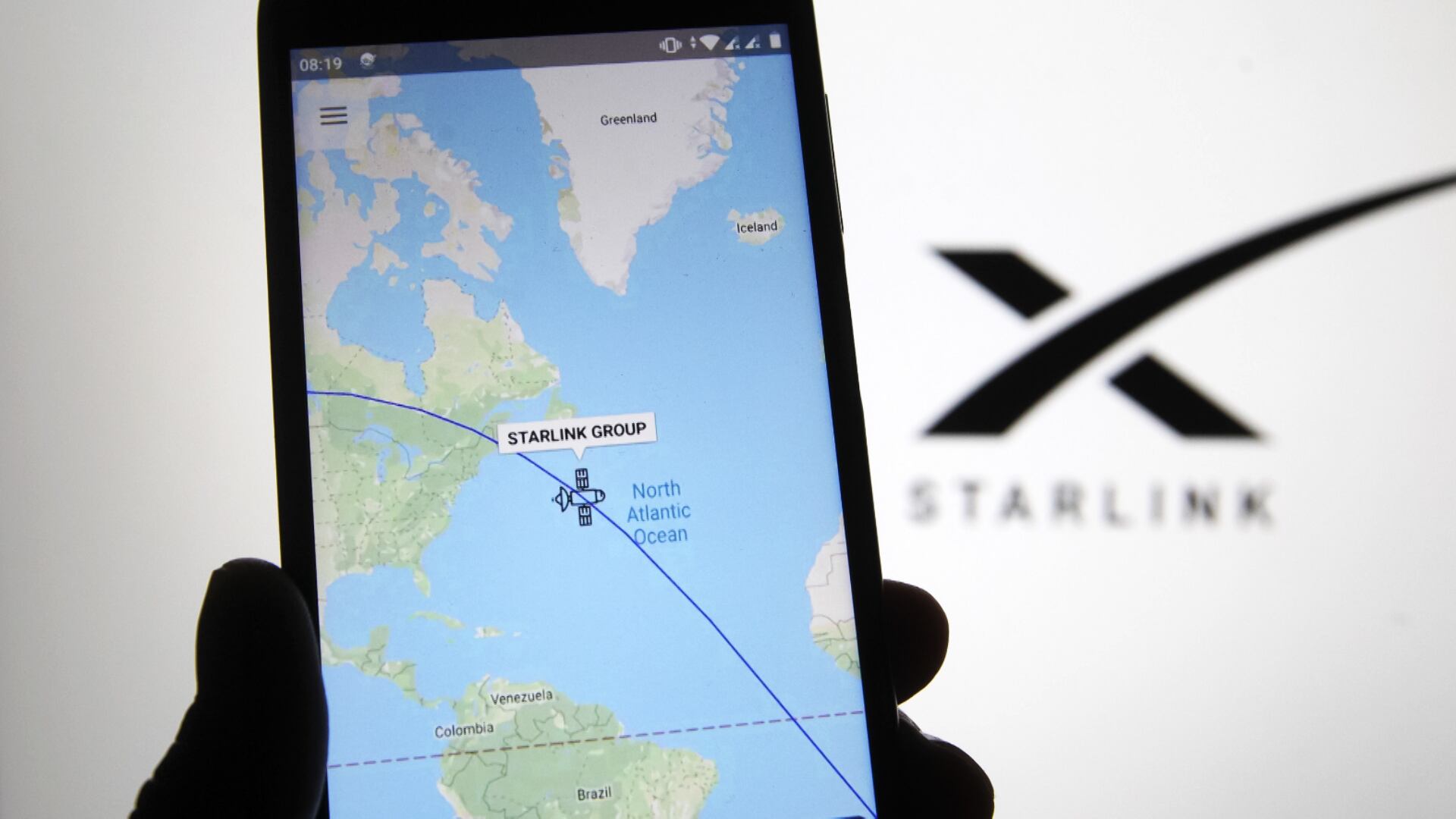
Amazon plans to launch its first prototype satellites for Project Kuiper, an internet-from-space venture, in 2022. It's the first major step in the e-commerce giant's plan to rival SpaceX by building a network of satellites in space, providing internet to rural, underserved communities around the world. Loren Grush, senior science reporter for the Verge, discusses the project and how it could transform internet access moving forward.
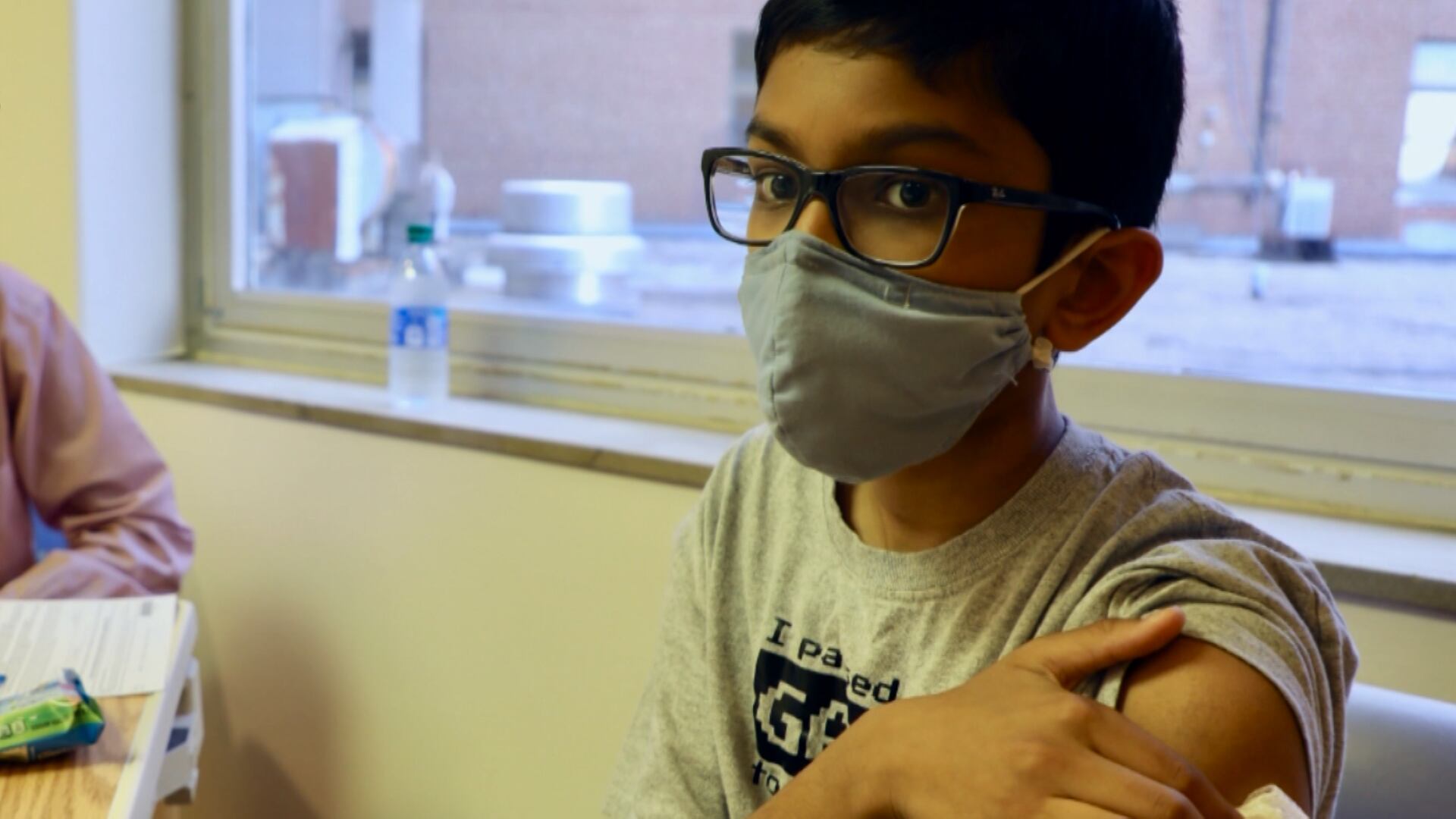
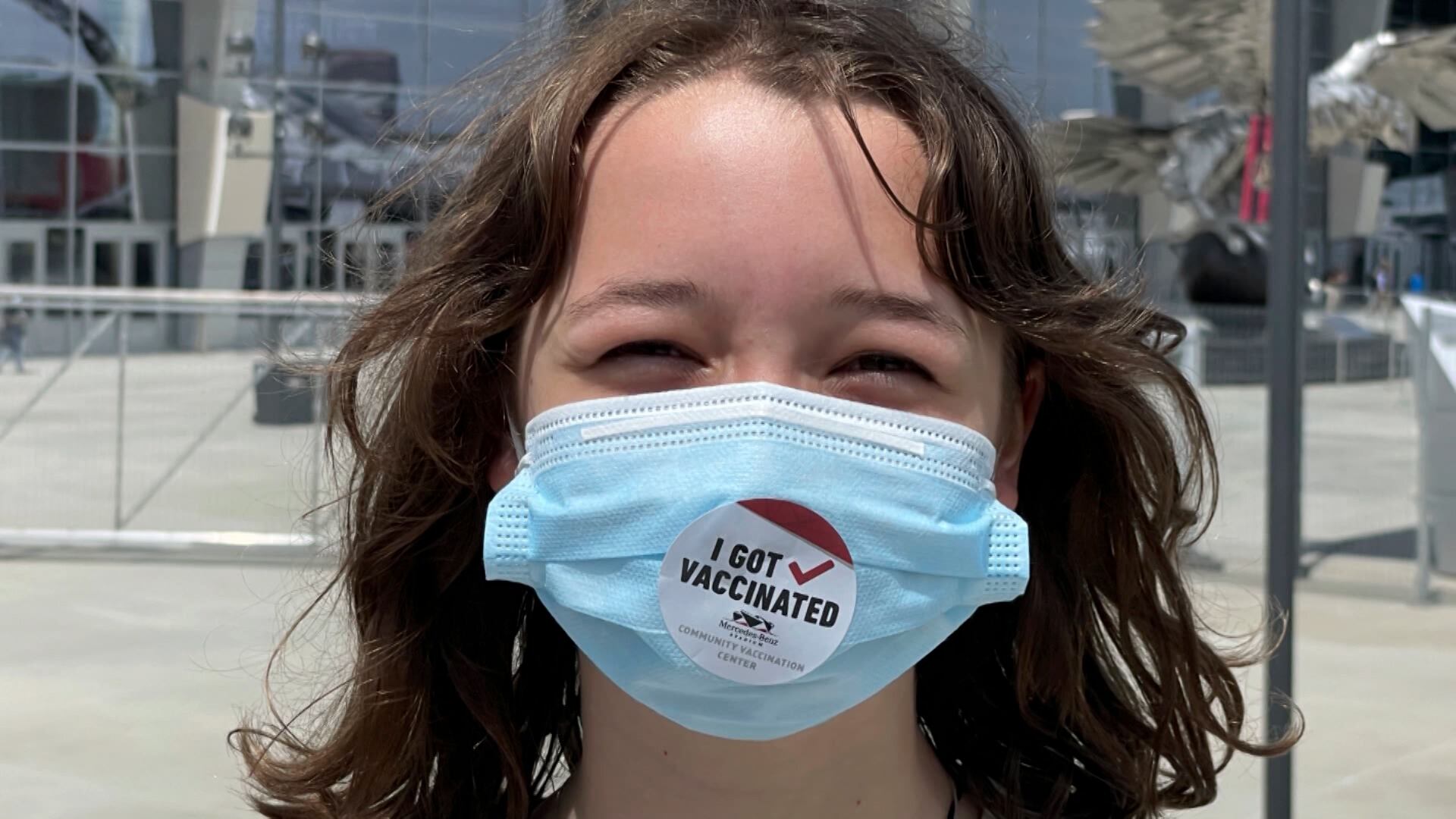
The FDA is assessing whether the Moderna vaccine can cause heart problems in adolescents. Professor Peter Pitts, founder of the Center for Medicine in the Public Interest and former FDA Associate Commissioner, discusses what the FDA is looking into and what it means for the millions of kids yet to be vaccinated.
Pfizer posted an earnings beat in its third quarter, with revenue soaring over 134% thanks to solid Covid-19 vaccine sales. Pfizer also raised its outlook for the full-year, expecting revenue to surpass $80 billion. Peter Andersen, CEO & founder of Andersen Capital Management, joined Cheddar Movers to discuss.
Cheddar gets a look at Curiosity Stream's 'Ancient Oceans'; Deep-sea biologist Heather Bracken-Grissom sheds light on some of the monsters that we can and cannot explain lurking in the darkness of the ocean's depths; Tim Janssen, CEO of Sofar Ocean, discusses Sofar Ocean's latest round of Series B funding, and how Sofar Ocean is helping connect all five oceans to help everything from climate change to the global shipping industry.
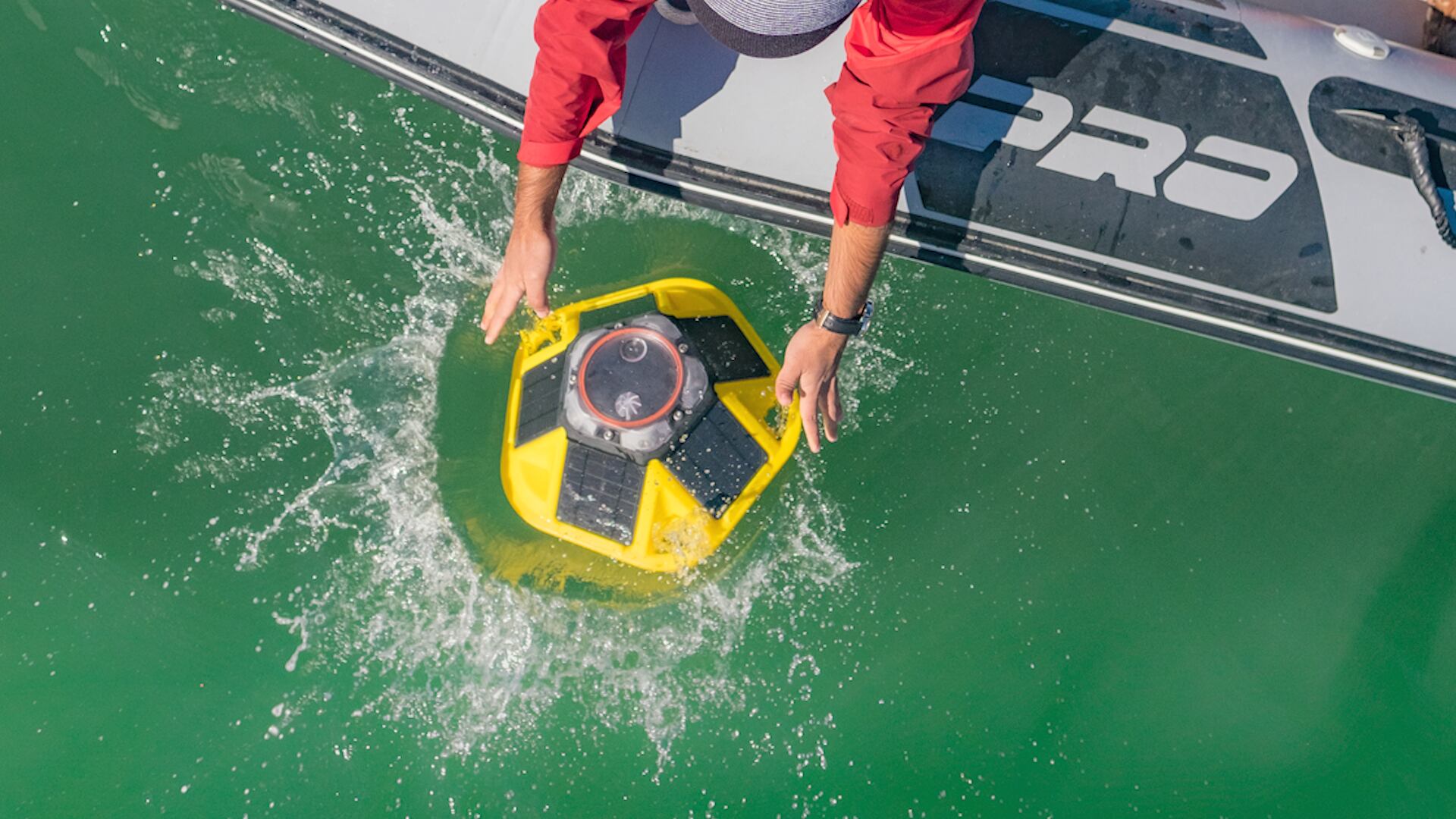
Tim Janssen, CEO of Sofar Ocean, joins 'Cheddar Reveals' to discuss Sofar Ocean's latest round of Series B funding, and how Sofar Ocean is helping connect all five oceans to help everything from climate change to the global shipping industry.
Deep-sea biologist Heather Bracken-Grissom joins 'Cheddar Reveals' to shed light on some of the monsters that we can and cannot explain lurking in the darkness of the ocean's depths.
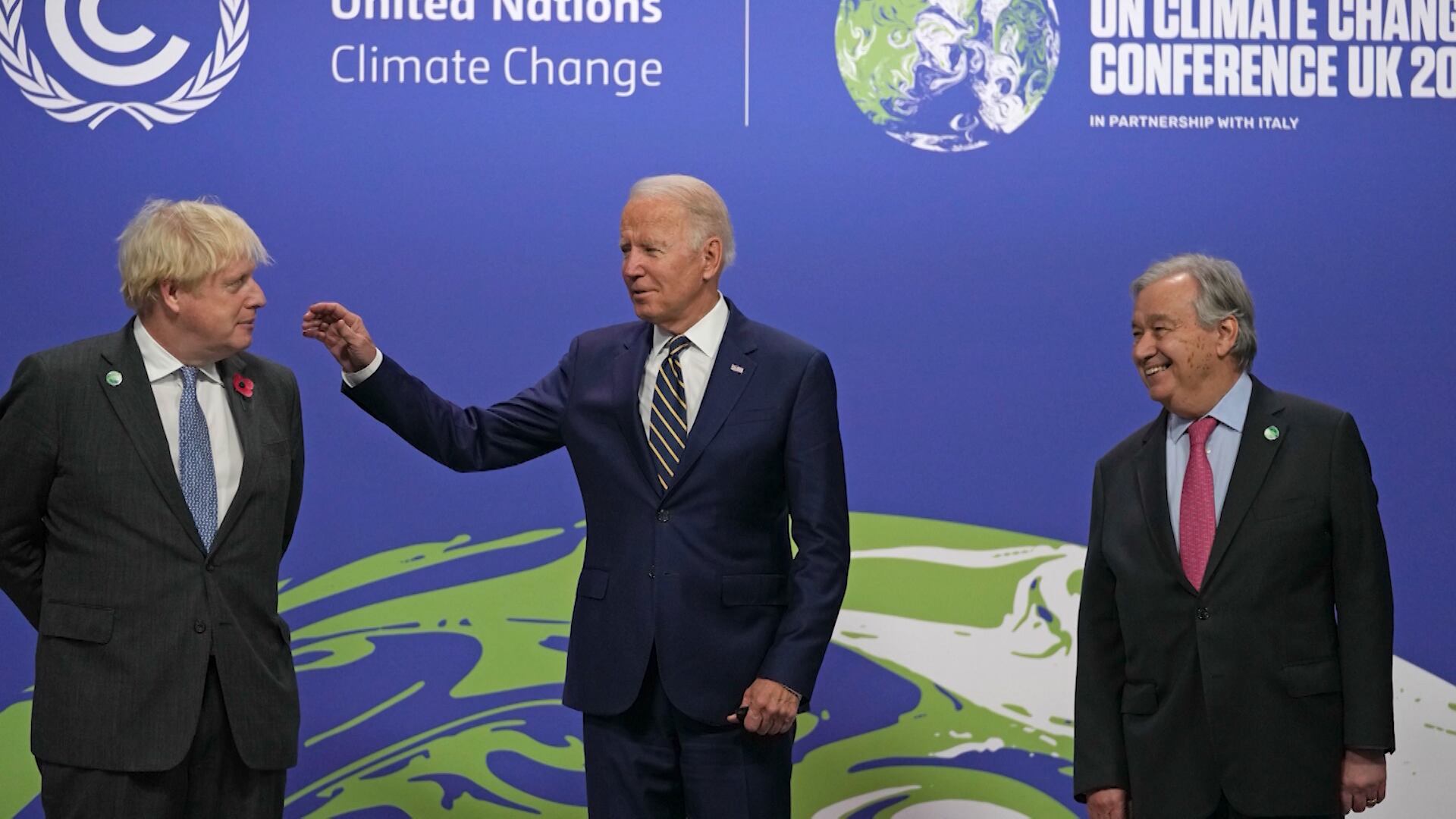
Leaders around the world have come together to discuss plans to bring action towards the Paris Agreement along with solutions on how to solve the evolving climate change crisis at the COP26 Summit. President and CEO of Center for International Environmental Law Carroll Muffett, joined Cheddar to discuss more.
Rachel Cleetus, the policy director and lead economist of the climate and energy program for the Union of Concerned Scientists, joined Cheddar to break down some of the key goals from the COP26 summit and why leaders must focus on the science of climate change instead of getting bogged down by petty politics and the fossil fuel industry. "The main thing they have to do, make sure we're cutting our emissions sharply within this decade because the science shows that we have to cut global emissions in half by 2030 if we're going to meet our goals of averting some of the most catastrophic impacts of climate change," she said.
Coastal cities around the world are grappling with sea level rise. And building a seawall? Not so fast. While a sea wall can be effective in certain scenarios, it can make the effects of sea level rise worse. That’s why municipalities are looking into creative alternatives.