It's a new era for the Ford Motor Company. For the first time in 55 years, the automaker expanded its lineup of the iconic Mustang model with an all-electric version — and the line's first SUV.
"It's time to transition to electrification," Joe Hinrichs, Ford president of automotive, told Cheddar Monday.
Hinrichs says Mustang has traditionally focused on "fast, fun, and affordable," and he believes the Mach-E will stand up to that test. It reaches 0 to 60 miles per hour in about 3 seconds.
The Mach-E also has a range of at least 260 miles which keeps the model in line with Ford's environmental sustainability commitments. Drivers making the switch from gas to electric will have access to some 12,000 charging stations through the FordPass Charging Network, the largest public charging system in North America. Ford will also offer multiple home charging solutions as it puts more than $11 billion into a global transition to electric vehicles.
At price points ranging from about $44,00 to $60,000, the Mach-E costs about $10,000 more than a combustible engine Mustang but is competitive with Tesla, the leading electric car brand. Hinrichs predicts all manufactured Ford vehicles will be electric at some point "in our lifetime." He says the company already has 40 all-electric or hybrid cars in development.
Ford's technology teams aren't solely focused on electric. The company is carefully working on its autonomous technology and Henrichs says it will wait until self-driving cars are safer than those driven by humans. "The requirements are greater than [for] a human driver, and they should be," says Hinrichs "We tolerate a lot of human driver behavior that we won't tolerate in an autonomous vehicle."
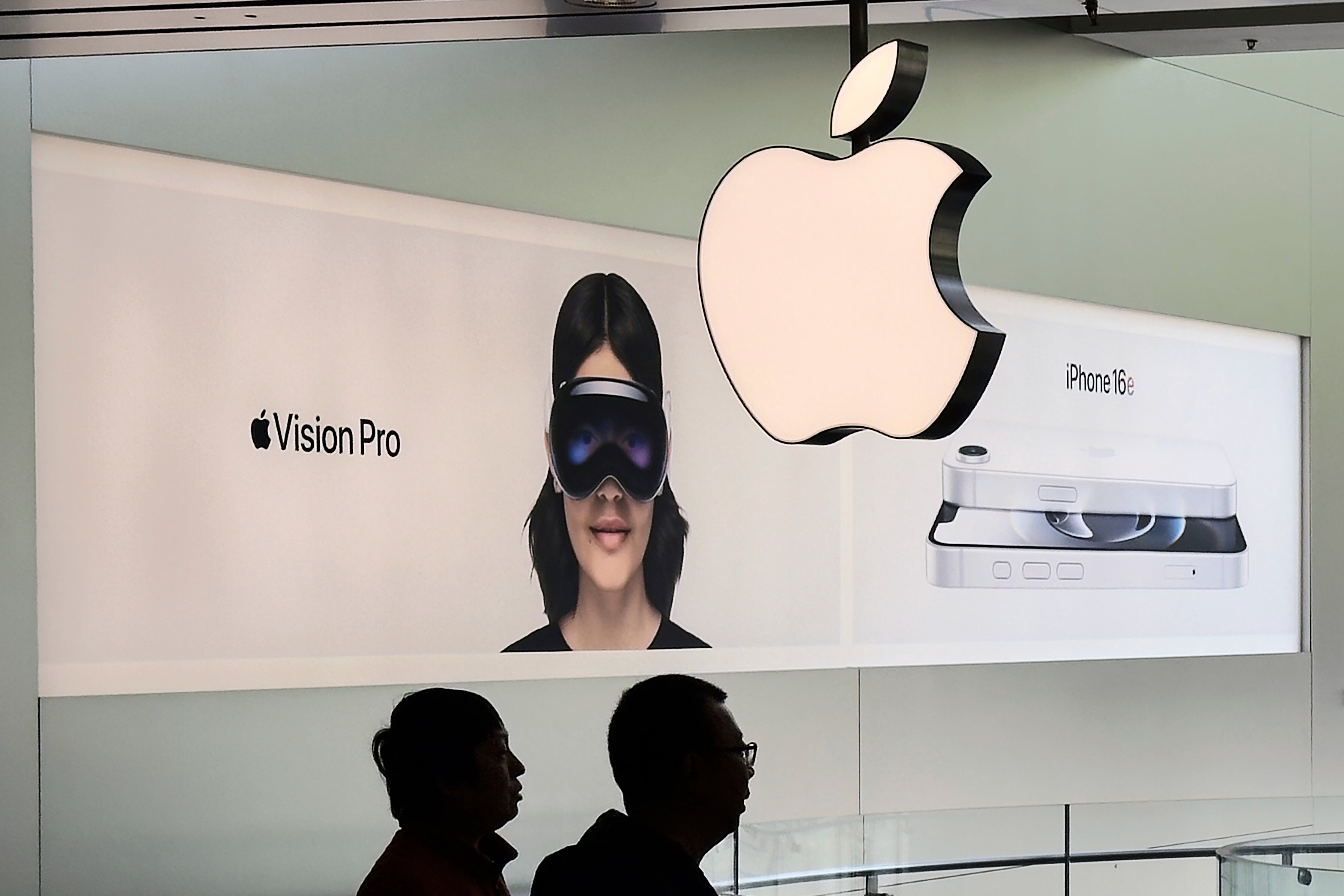
Apple CEO Tim Cook said Thursday that the majority of iPhones sold in the U.S. in the current fiscal quarter will be sourced from India, while iPads and other devices will come from Vietnam as the company works to avoid the impact of President Trump’s tariffs on its business. Apple’s earnings for the first three months of the year topped Wall Street’s expectations thanks to high demand for its iPhones, and the company said tariffs had a limited effect on the fiscal second quarter’s results. Cook added that for the current quarter, assuming things don’t change, Apple expects to see $900 million added to its costs as a result of the tariffs.
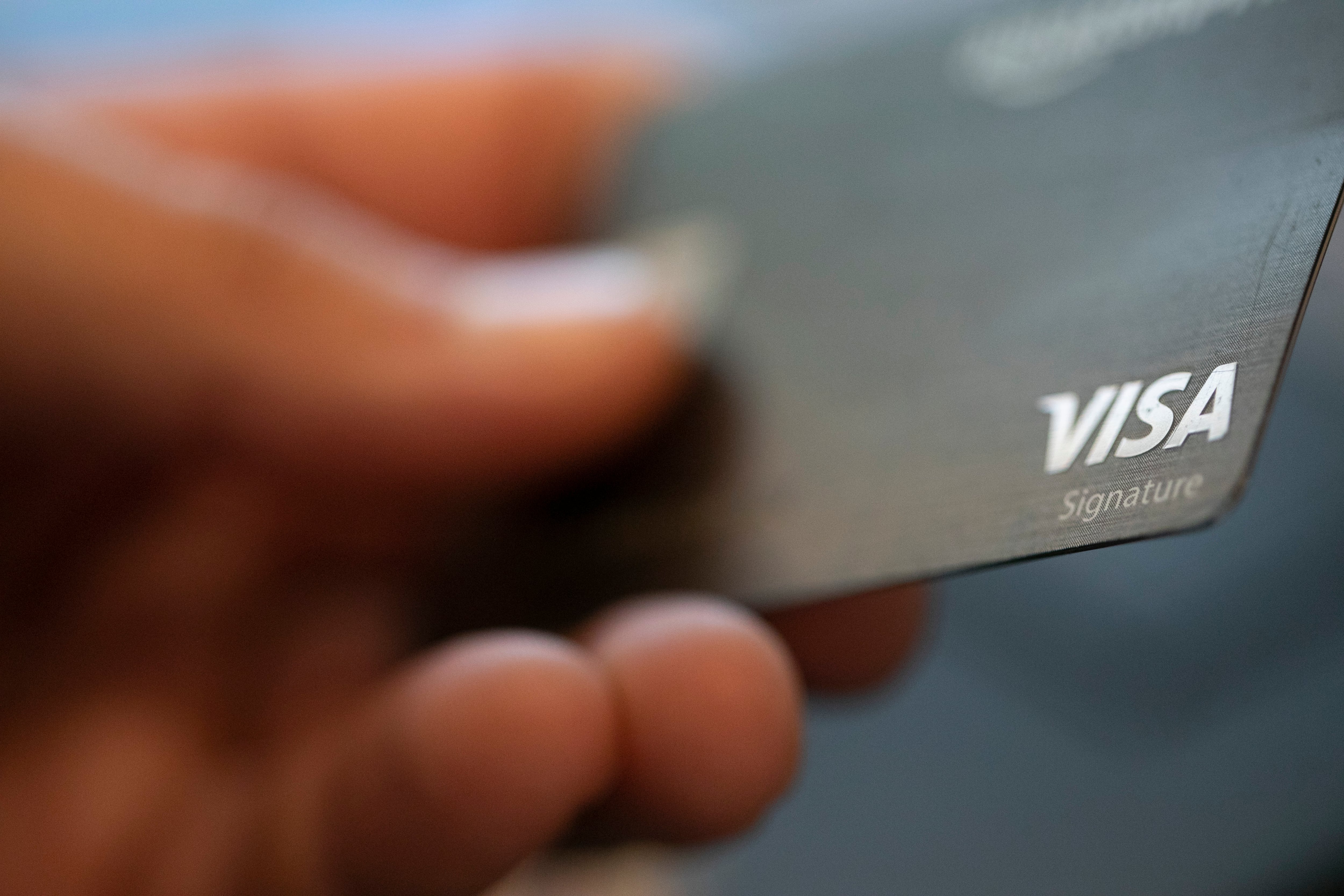
Visa is hoping to hand your credit card to an artificial intelligence “agent” that can find and buy clothes, groceries, airplane tickets and other items on your behalf.
Skift Editor-In-Chief Sarah Kopit discusses how summer travel plans remain uncertain for most as many international travelers are leery to travel abroad. Watch!
Seth Schachner, Managing Director at Strat Americas, on Hollywood's latest blockbusters utilizing content creation. Plus, the future of YouTube and TikTok.
Ashley Gold, Axios' Tech/Policy reporter, discusses what the future of Google and search engines will look like after the tech giant faces an antitrust trial.