You know ESPN the sports media giant. Now brace yourself for ESPN Bet, a rebranding of an existing sports-betting app owned by Penn Entertainment, which is paying $1.5 billion plus other considerations for exclusive rights to the ESPN name.
The deal, announced Tuesday, could take Walt Disney Co.-owned ESPN into uncharted waters. Disney is fiercely protective of its family-friendly image, not typically associated with the world of sports gambling.
Penn will operate ESPN Bet, which ESPN has agreed to promote across its online and broadcast platforms in order to generate “maximum fan awareness” of the app. ESPN Bet will also have unspecified “access” to ESPN talent, the companies said.
Penn's rights to the ESPN brand will initially run for a decade and can be extended for another decade by mutual agreement. In addition to the $1.5 billion licensing deal, which will be paid out over a decade, Penn will also grant ESPN rights worth about $500 million to purchase shares in Penn.
“Penn Entertainment is the perfect partner to build an unmatched user experience for sports betting with ESPN Bet,” ESPN chairman Jimmy Pitaro said in a statement.
Disney has wrestled with the issue of adult-oriented entertainment in the past. Until about 15 years ago, its Walt Disney World park in Orlando, Florida, featured a gated late-night area known as Pleasure Island — actually a reference to the 1940 film “Pinocchio,” whose characters visited a den of iniquity by that name. Pleasure Island featured bars, music venues and nightclubs in addition to restaurants, shopping and a nightly countdown to “New Year's Eve” complete with fireworks.
When attendance waned, Disney closed down the Pleasure Island nightclubs in 2008 and redeveloped the site as a restaurant and shopping district now known as The Landing at Disney Springs.
ESPN added that it will use its platforms “to educate sports fans on responsible gaming” — for instance by continuing to cover the sports betting industry with “journalistic integrity,” creating a “responsible gaming” committee within the company and developing marketing guidelines that “safeguard” fans.
Penn also announced that it sold Barstool Sports, an irreverent sports media site, back to its founder Dave Portnoy. Penn took a 36% stake of Barstool Sports in February 2020 for about $163 million and subsequently acquired the remainder of the company for about $388 million in February 2023. Neither Penn nor Portnoy disclosed terms of the divestment deal.
In a video posted on X, the site formerly known as Twitter, Portnoy radiated excitement over the site's regained independence. The regulated gambling industry, he said, “was probably not the best place for Barstool Sports and the kind of content we make.” Portnoy added that he will “never” sell the company. As part of the divestment deal, Penn would be owed 50% of the gross proceeds from any future sale or “monetization” of Barstool.
Heather Smith, Founder and Chief Strategist at theHAUTEbar, discusses how the ski and resort industry is bouncing back after the pandemic; Mark Ellwood, Host of "Travel Genius" Podcast, breaks down the best travel destinations for winter sports before the 2022 Winter Olympics kick off; Cheddar gets a look at Curiosity Stream's 'Jeremy Jones' Higher.'
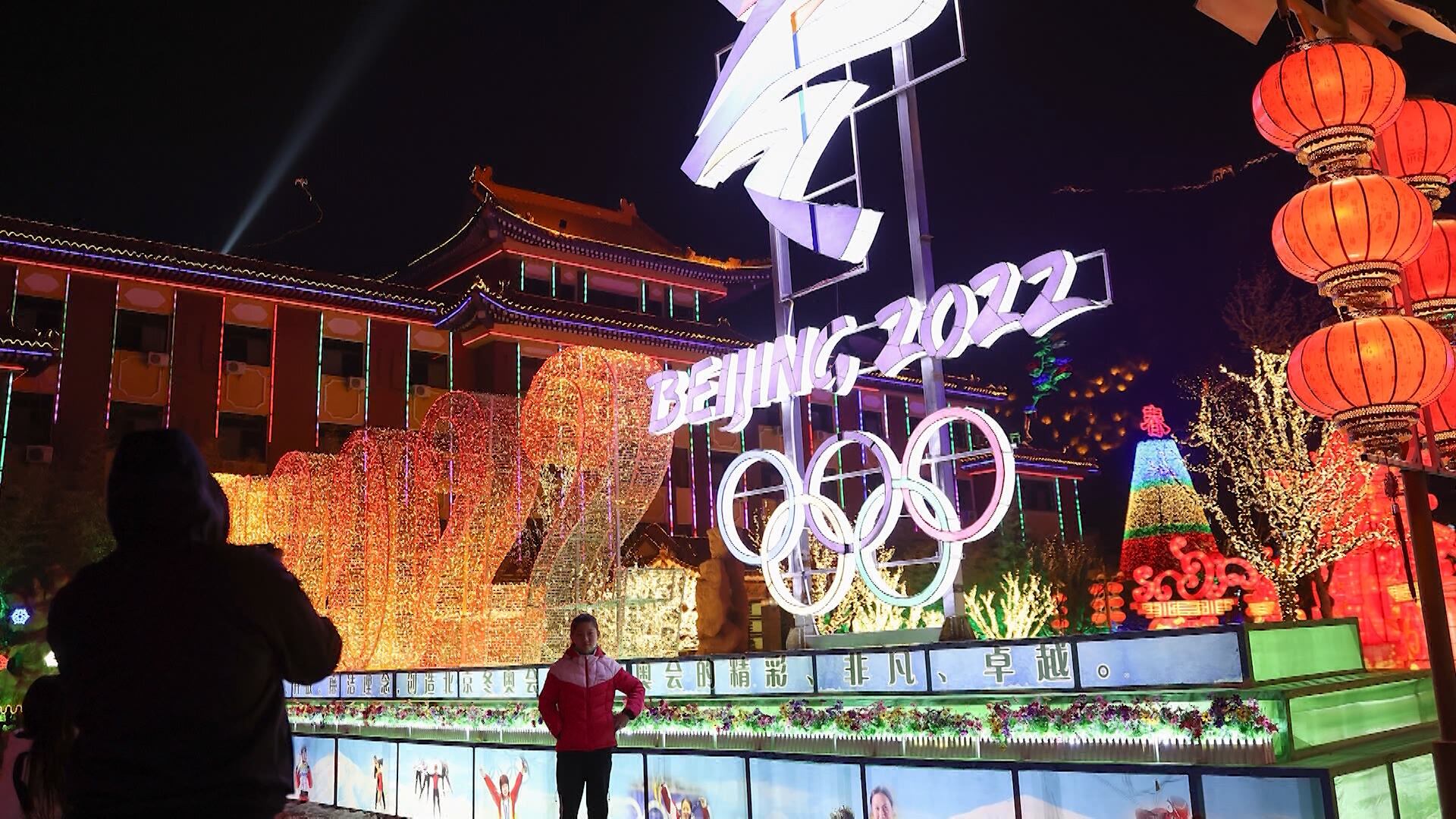
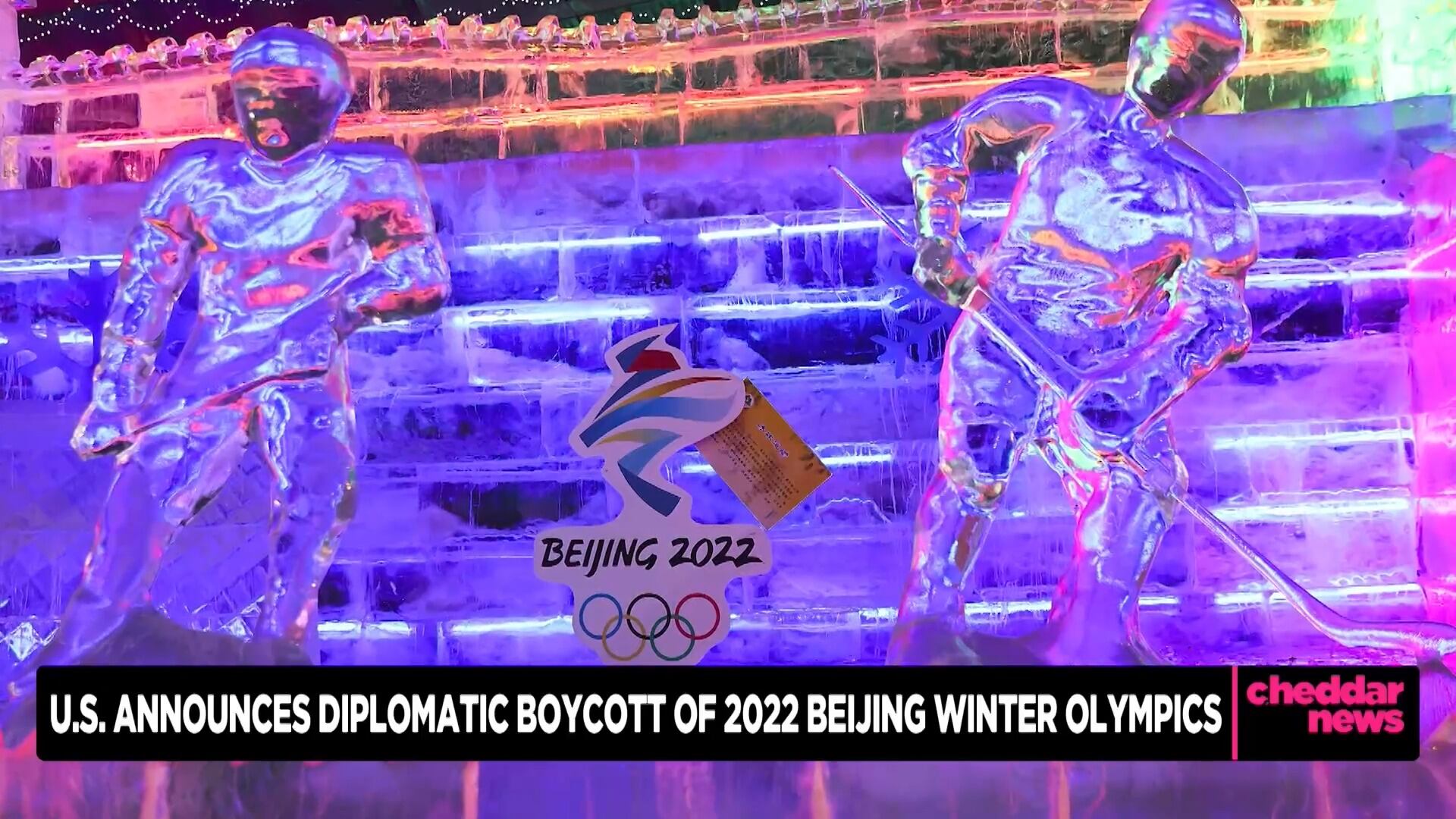
Joan Greve, a politics reporter at The Guardian US, joined Wake Up With Cheddar to break down the implications of the Biden administration announcing a diplomatic boycott of the 2022 Beijing games in response to allegations of human rights abuses against Uyghur Muslims. She noted the significance of the move, assessing the already frayed relationship between the U.S. and China. "The Chinese have said that a boycott would be politically manipulative, and now they are actually threatening countermeasures," she said. "And that will certainly have an impact on the spirit of the games at the very least."
The U.S. announced it will not send any official representation to the upcoming Beijing winter Olympics. Cheddar's Hena Doba speaks with East Asia expert Michael Swaine about the reasons behind the diplomatic move.
Carlo and Baker discuss the sweeping new vaccine mandate in NYC that will target all private businesses. Plus, Trump's media venture gets its CEO and more.
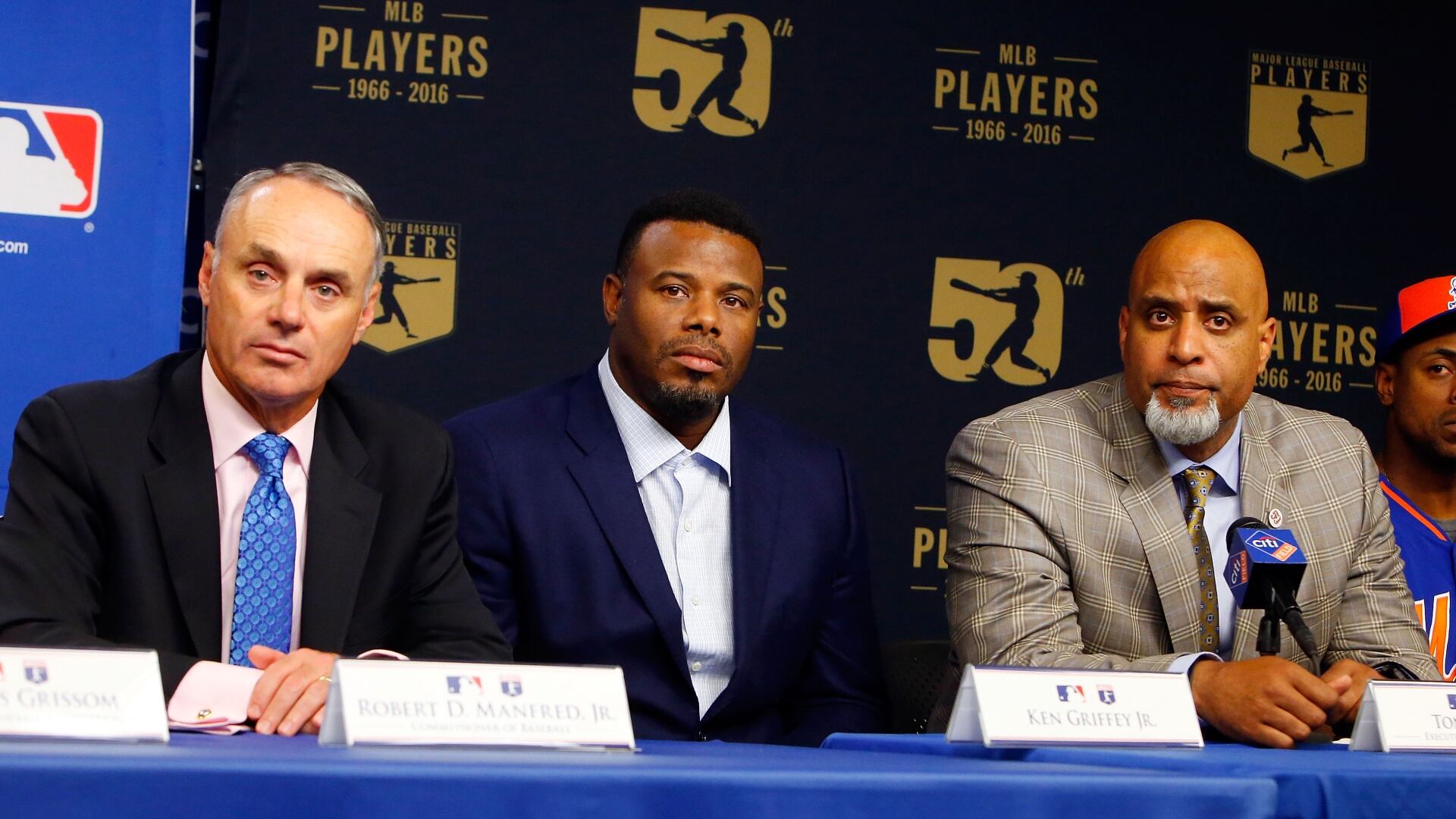
A lockout is now in place for Major League Baseball. The collective bargaining agreement between the league and players association expired at 11:59 p.m. Wednesday night.
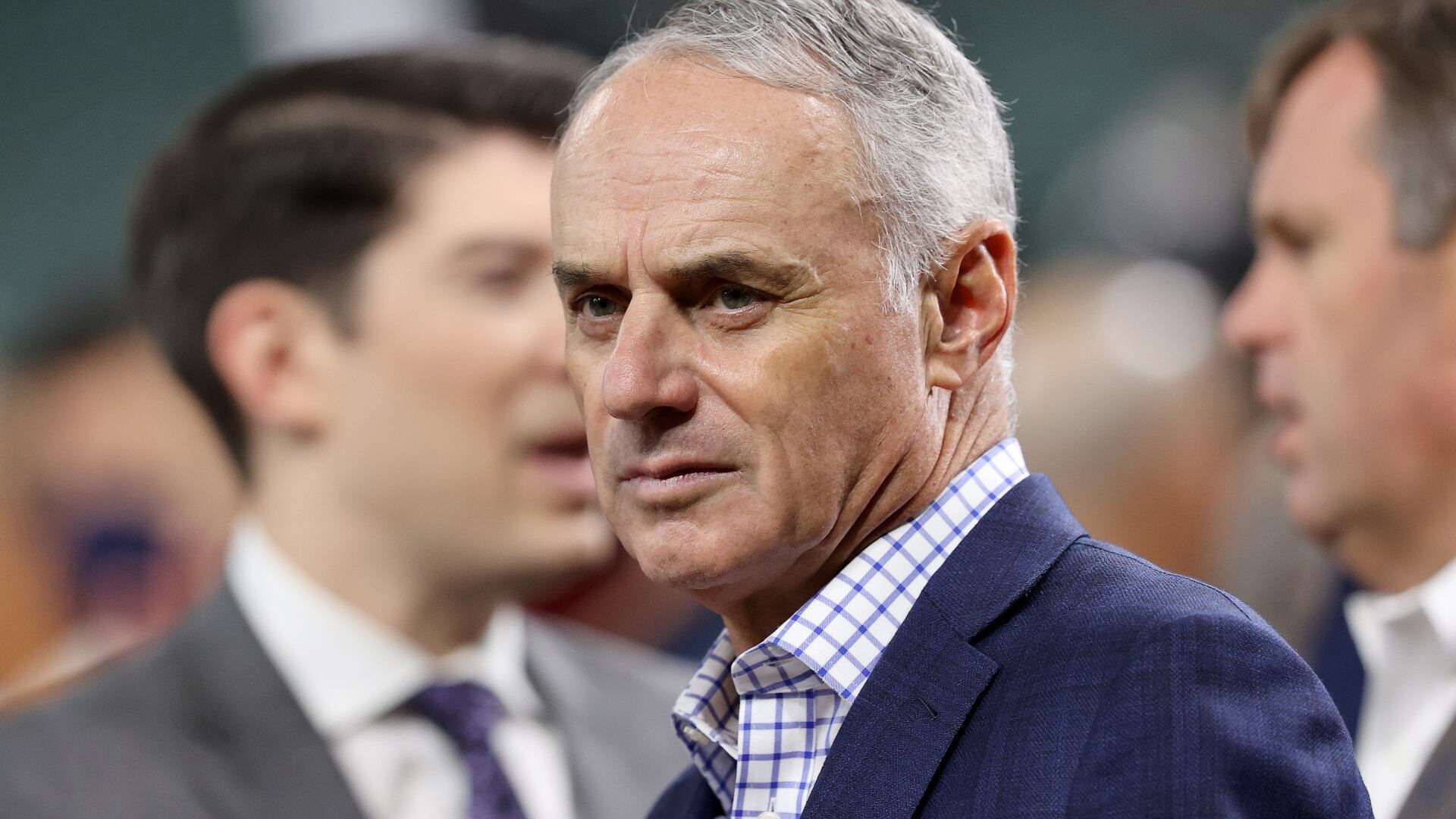
MLB commissioner Rob Manfred said both sides were unable to negotiate a new contract by that time, so the league locked out the players on Thursday at 12:01 a.m. The lockout also means trades and free agency deals have to stop for now. Dodgers Nation lead editor Clint Pasillas joined Cheddar News' Closing Bell to discuss.
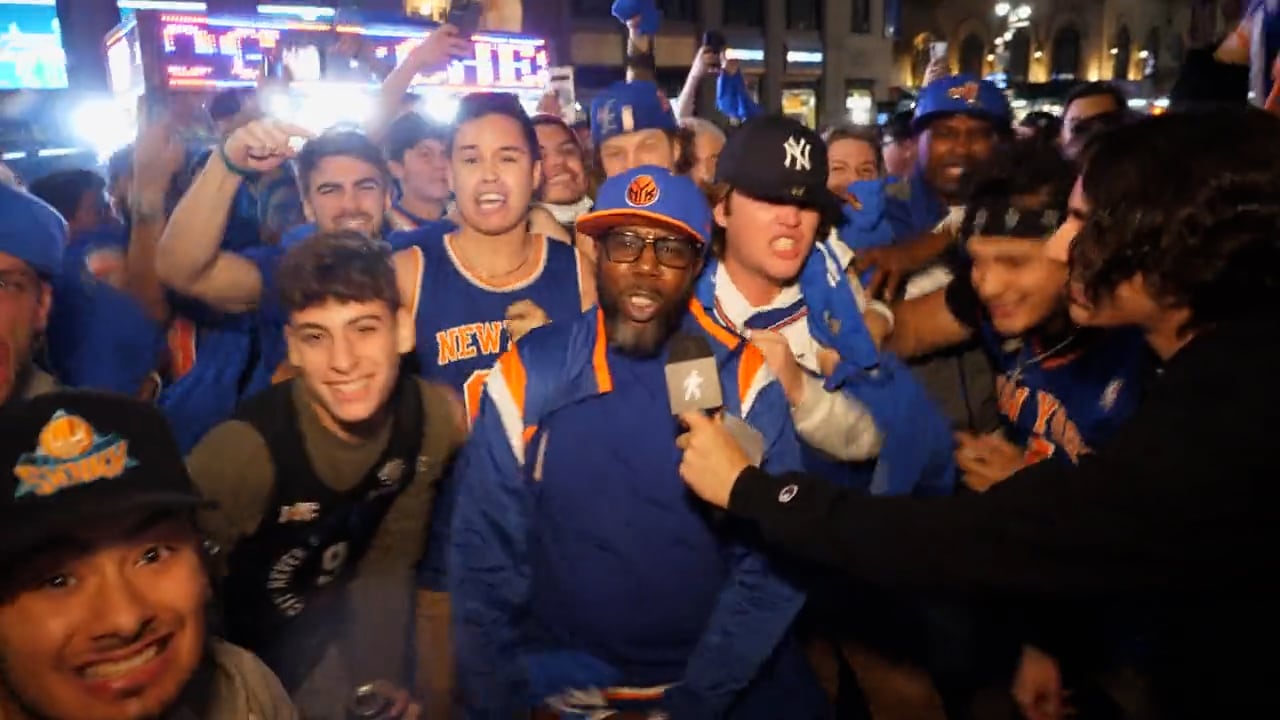
'Bing Bong!' has become a rallying cry for Knicks fans and New Yorkers. Cheddar's None Of The Above dives into the origin of the sound in this edition of Tik Talk.
A Business Insider study is revealing MLB used two different balls throughout the 2021 season without alerting teams or players of that fact. One was roughly two to three grams lighter than the other. While that doesn't sound like a lot, if you ask the players, the difference was obvious. Bradford Davis, an investigative reporter at Insider, joins Cheddar News to discuss more.
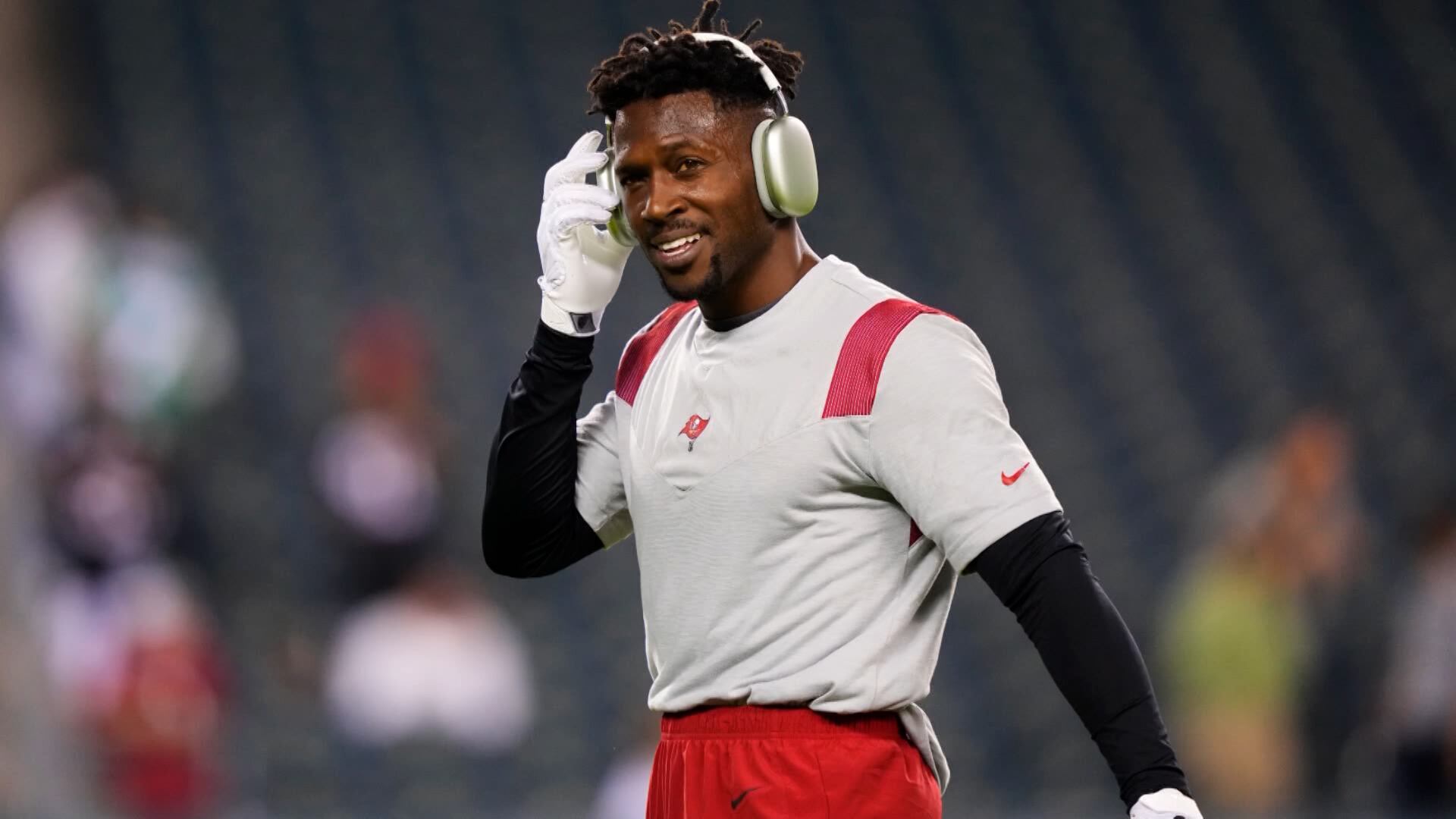
The Tampa Bay Buccaneers have moved to suspend wide receiver Antonio Brown, along with two other players, who lied about their COVID-19 vaccination status. The three-day suspensions come just days after a former live-in chef accused the NFL star of submitting a fake vaccine card and the league fined Green Bay Packers quarterback Aaron Rodgers for a similar offense. Anthony Tall, sports agent and president of Miracle Sports Agency, joined Cheddar's "Closing Bell" to talk about the fallout from Brown's suspension and whether or not it was warranted.
It's Friday at long last. Jill and Carlo cover the latest on Omicron, including a possible superspreader event in NYC. Plus, previewing the November jobs report, a new Zoom feature no one asked for, and when it's no longer a good idea to eat Thanksgiving leftovers.