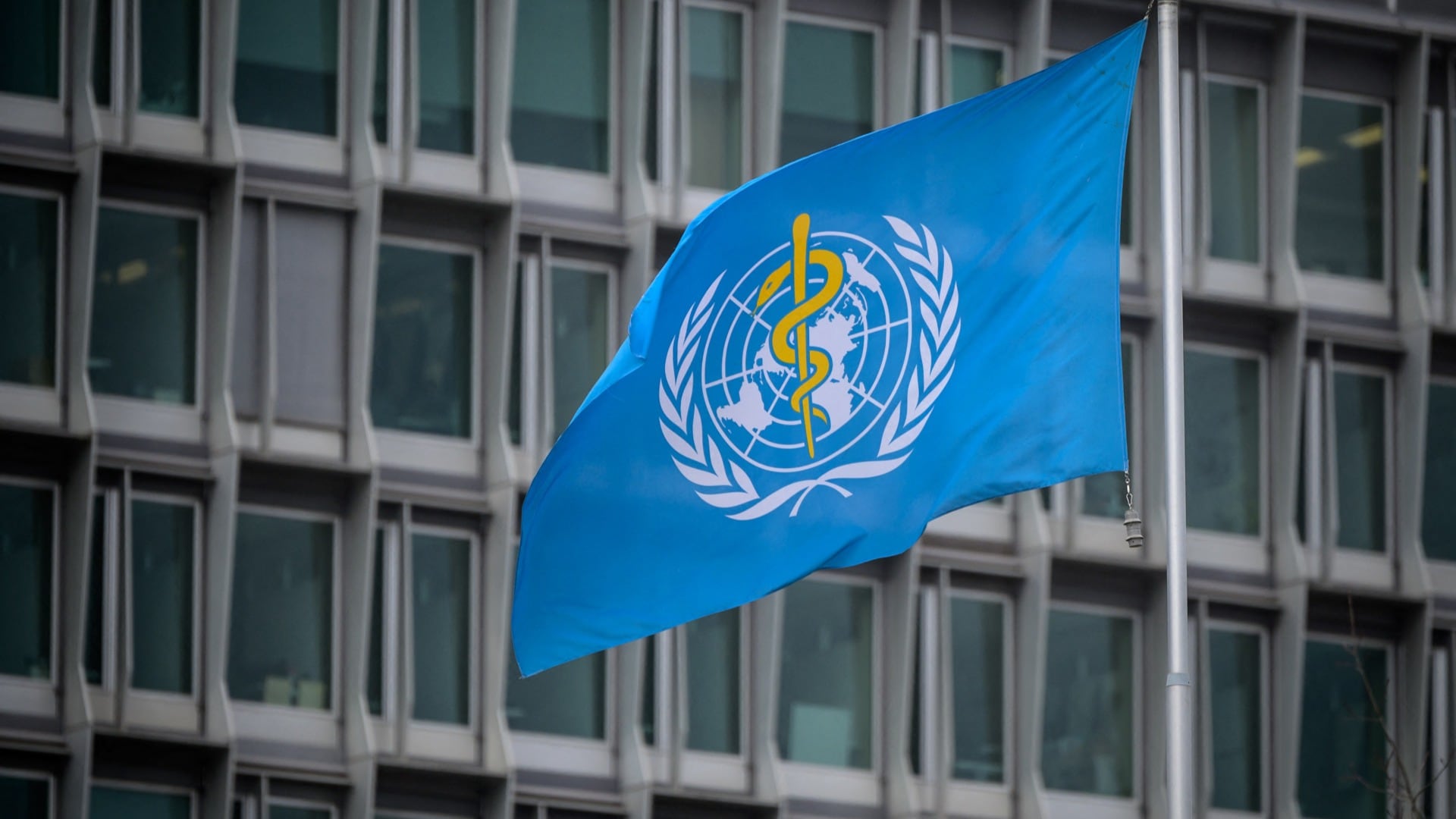
This photograph taken on March 5, 2021 shows the flag of the World Health Organization (WHO) at their headquarters in Geneva amid the Covid-19 coronavirus outbreak. (Photo by Fabrice COFFRINI / AFP) (Photo by FABRICE COFFRINI/AFP via Getty Images)
A report from the Department of Energy on the origins of COVID-19 has agencies divided about its findings.
A classified intelligence report from the Energy Department alleges, with low confidence, that the virus likely leaked from a lab in China — a theory that was raised during the early days of the pandemic. How the agency went about drawing that conclusion has not been revealed to the public but is reportedly based on new information.
Meanwhile, a World Health Organization's investigation is ongoing, but the organization said that as more time passes, coupled with complications in completing studies in China, that it will be more difficult to pinpoint the exact origin of the virus.
In light of the report, the White House national security adviser, Jake Sullivan, told CNN that the Department of Energy's findings offer "no definitive answer" about the origins of COVID.
"There is a variety of views in the intelligence community. Some elements in the intelligence community have reached conclusions on one side, some on the other. A number of them have just said they don't have enough information to be sure," he said.
China's foreign ministry spokesperson Mao Ning has dismissed the allegations altogether and said, "The origins tracing of SARS-CoV-2 is about science and should not be politicized."
"Certain parties should stop rehashing the 'lab leak' narrative, stop smearing China and stop politicizing origins-tracing," Ning added.
The FBI drew a similar conclusion in 2021, but the CIA is among the U.S. intelligence agencies that have not reached a conclusion.
New research shows that exposure to polyfluoroalkyl substances (PFAS), also known as "forever chemicals" can hamper growth and development in children by "altering hormonal and metabolic pathways."
The Centers for Disease Control and Prevention (CDC) on Monday warned that a deadly fungus called Candida auris (C. auris) is spreading at an "alarming rate" in the U.S. healthcare facilities.
Karuna Therapeutics' top-experimental schizophrenia drug significantly reduced symptoms in a late-stage trial but there were concerns that it could cause hypertension in patients.
One of television's most successful writers made a big donation to the Cedars Sinai Medical Center in Los Angeles to help underserved community members gain the skills to become health care professionals.
The UN Intergovernmental Panel on Climate Change (IPCC) has released a new report providing multiple options for how the world can survive and adapt to climate change.
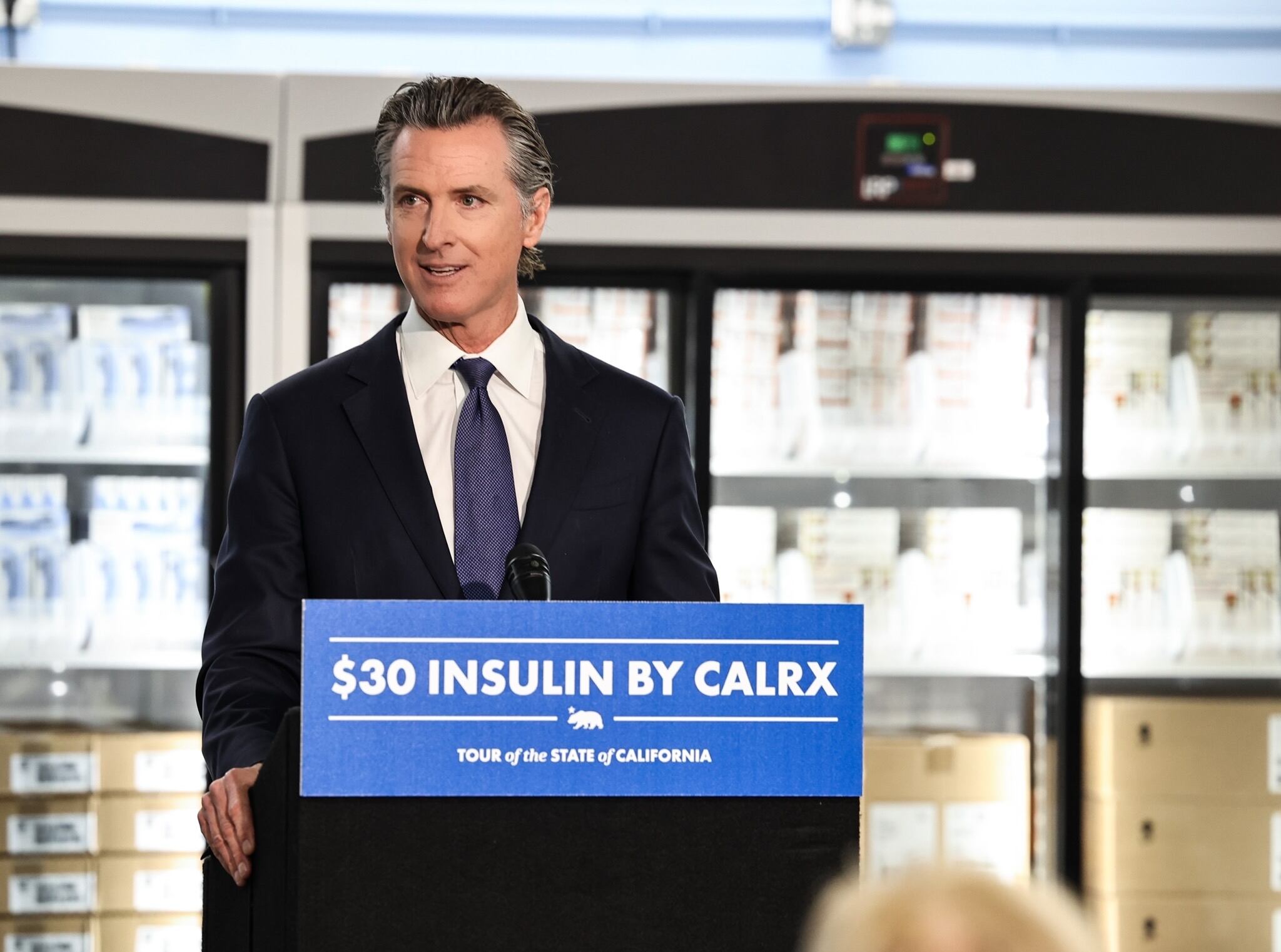
California Gov. Gavin Newsom over the weekend announced that the state has secured a contract with CIVCA to make $30 insulin available to all who need it. He also announced that the state will start manufacturing Naloxone, an emergency medication used to rapidly reverse the effects of an opioid overdose.
The global bottled water industry is booming, and it's coming at a steep environmental cost, according to the United Nations University Institute for Water, Environment and Health.