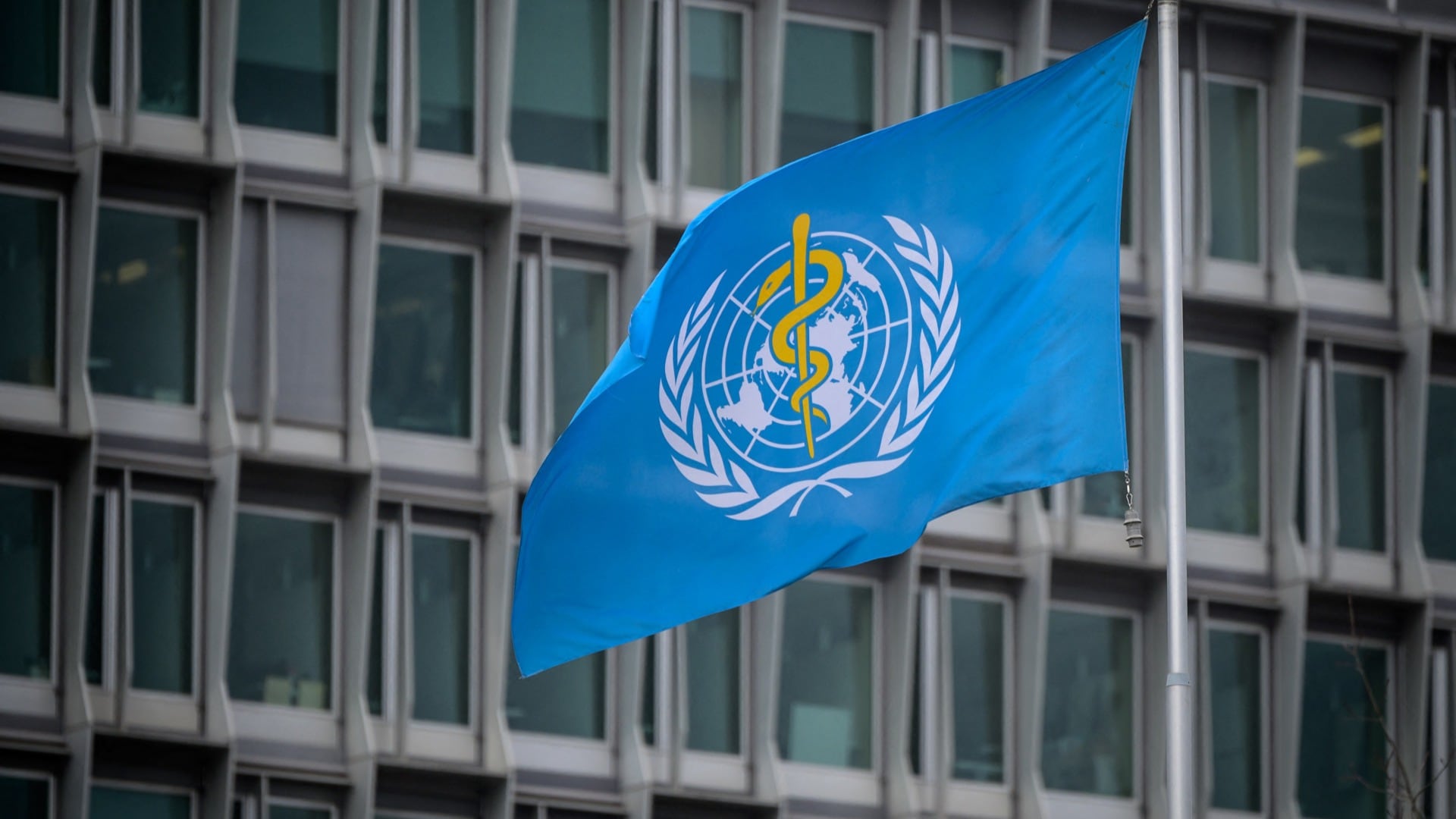
This photograph taken on March 5, 2021 shows the flag of the World Health Organization (WHO) at their headquarters in Geneva amid the Covid-19 coronavirus outbreak. (Photo by Fabrice COFFRINI / AFP) (Photo by FABRICE COFFRINI/AFP via Getty Images)
A report from the Department of Energy on the origins of COVID-19 has agencies divided about its findings.
A classified intelligence report from the Energy Department alleges, with low confidence, that the virus likely leaked from a lab in China — a theory that was raised during the early days of the pandemic. How the agency went about drawing that conclusion has not been revealed to the public but is reportedly based on new information.
Meanwhile, a World Health Organization's investigation is ongoing, but the organization said that as more time passes, coupled with complications in completing studies in China, that it will be more difficult to pinpoint the exact origin of the virus.
In light of the report, the White House national security adviser, Jake Sullivan, told CNN that the Department of Energy's findings offer "no definitive answer" about the origins of COVID.
"There is a variety of views in the intelligence community. Some elements in the intelligence community have reached conclusions on one side, some on the other. A number of them have just said they don't have enough information to be sure," he said.
China's foreign ministry spokesperson Mao Ning has dismissed the allegations altogether and said, "The origins tracing of SARS-CoV-2 is about science and should not be politicized."
"Certain parties should stop rehashing the 'lab leak' narrative, stop smearing China and stop politicizing origins-tracing," Ning added.
The FBI drew a similar conclusion in 2021, but the CIA is among the U.S. intelligence agencies that have not reached a conclusion.
In a nearly 3,700 page UN report, climate scientists outline the imminent dangers caused by climate change, saying fossil fuels are 'choking humanity.' The report calls some of the impacts of global warming 'irreversible,' warning of extreme consequences in the near future. Kristie L. Ebi, Professor of Global Health and Environmental and Occupational Health Sciences, University of Washington joined Cheddar's Opening Bell to discuss.
World leaders are currently dealing with a handful of pressing issues, including Russia's invasion of Ukraine, inflation, and not to mention the COVID-19 pandemic; but it could be argued that the most pressing issue is one that has experienced its fair share of neglect in the past -- climate change. As tensions escalate between Russia and Ukraine, there is fear the focus on climate will once again be pushed aside. However, the White House appears to be making some effort to prevent that from happening. The White House Office of Science and Technology held a first-of-its-kind roundtable discussion with some of the nation's leading climate scientists on Thursday. Michael Mann, Director of the Earth System Science Center at Pennsylvania State University, and author of the book 'The New Climate War' joins Cheddar News' Closing Bell to discuss his experience as one of the climate scientists at the White House event.
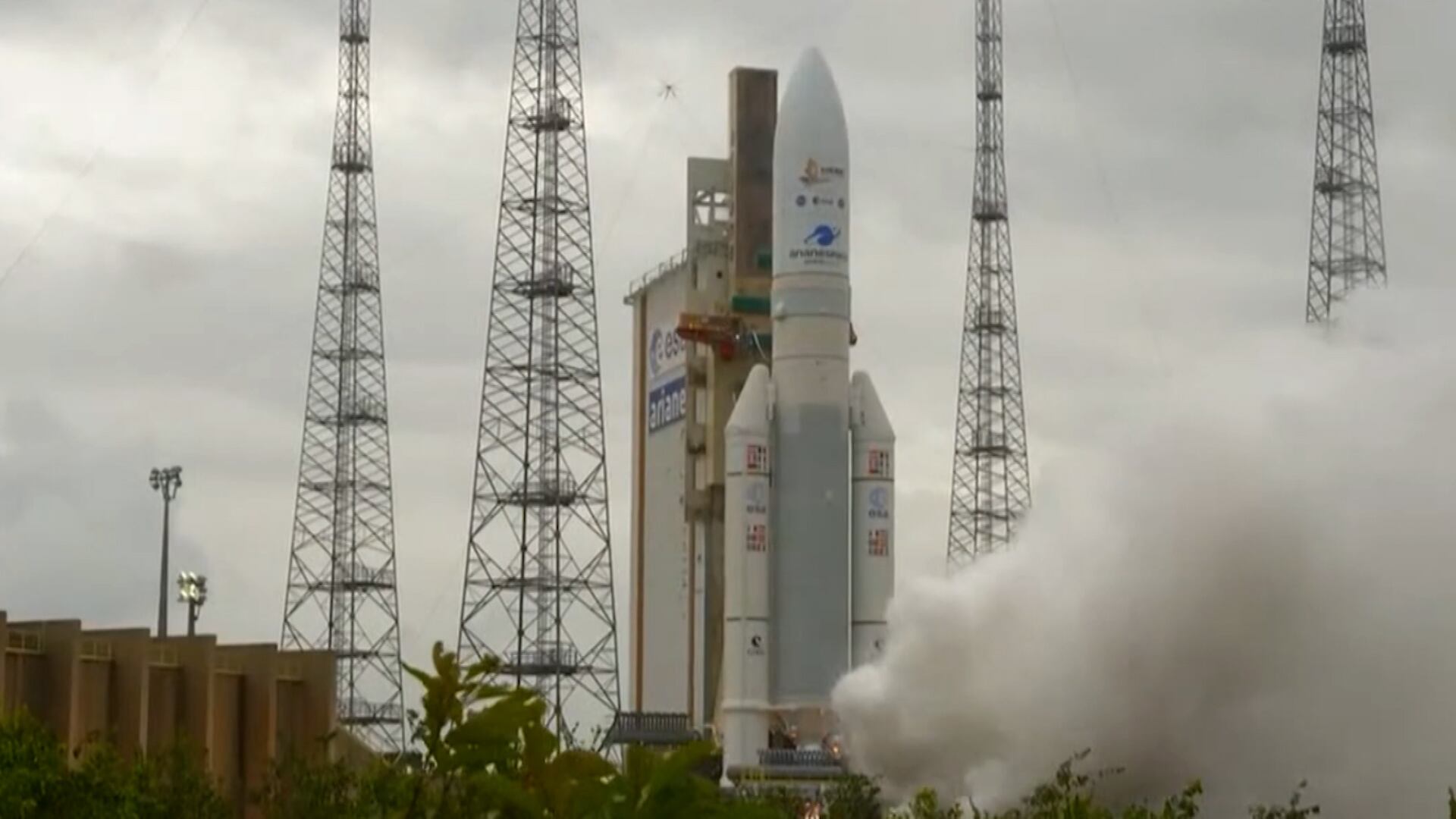
On December 25, 2021, NASA got into the holiday spirit by launching the James Webb Space Telescope, the largest and most powerful space science observatory in history.
It is intended to succeed the Hubble Space Telescope as NASA's flagship mission in astrophysics and is able to view objects too old and distant for Hubble. Gregory Robinson, director of NASA's James Webb Space Telescope program, joins Cheddar News' Closing Bell to discuss the mission. "I think a lot of what we don't know today is what I'm expecting to find and certainly really understand what took place more than 13.5 billion years ago and see the formation of some of the first galaxies in our universe," said Robinson.
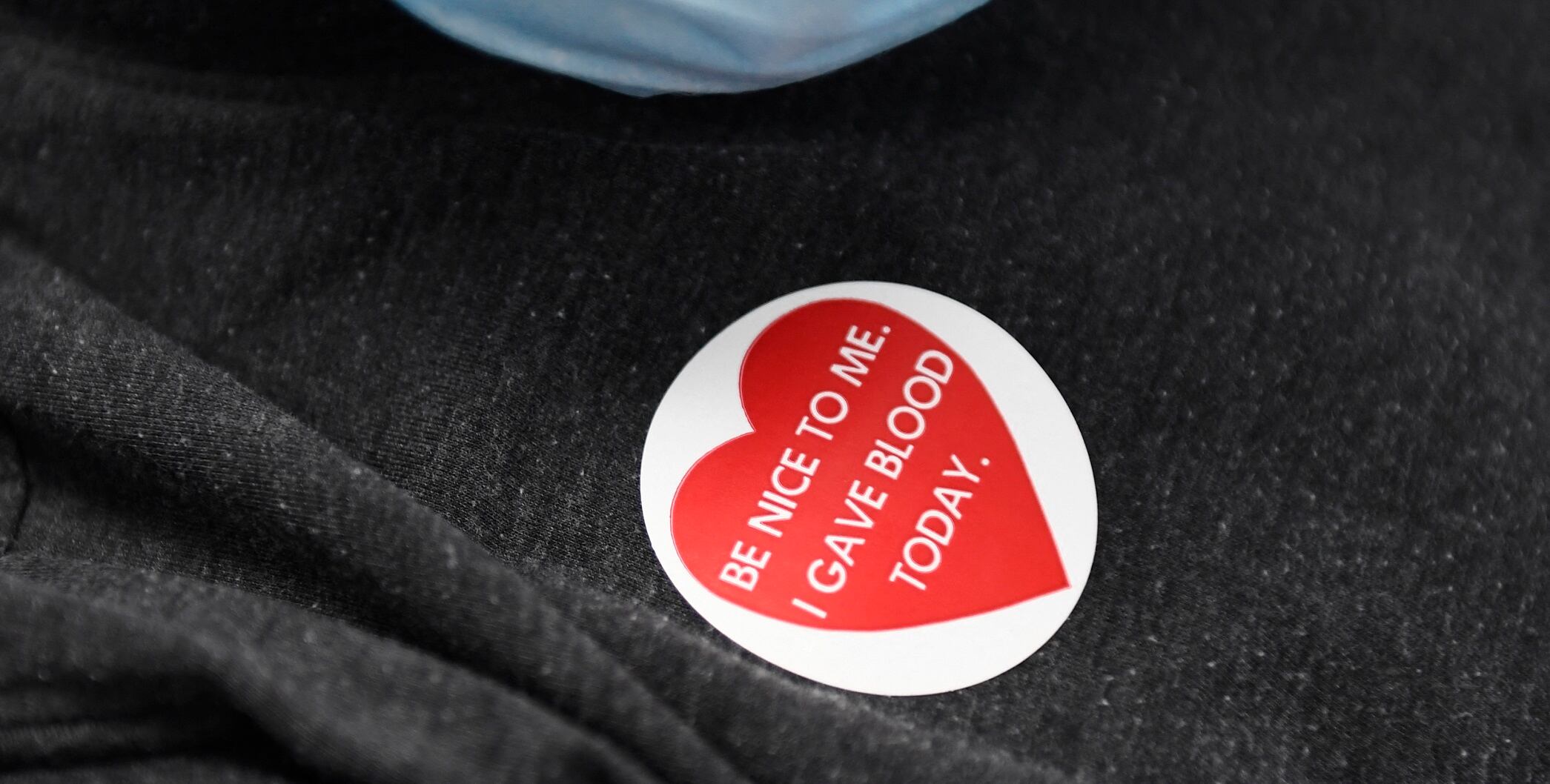
The COVID-19 pandemic disrupted blood donations leading to severe shortages throughout the country. Chloe Aiello reports on the desperate need for new donors.
GSK has unveiled its new consumer health unit called Haelon. Haleon will debut as a standalone company later this year. Katie Williams, U.S. chief marketing officer at GSK, joined Cheddar News to discuss.
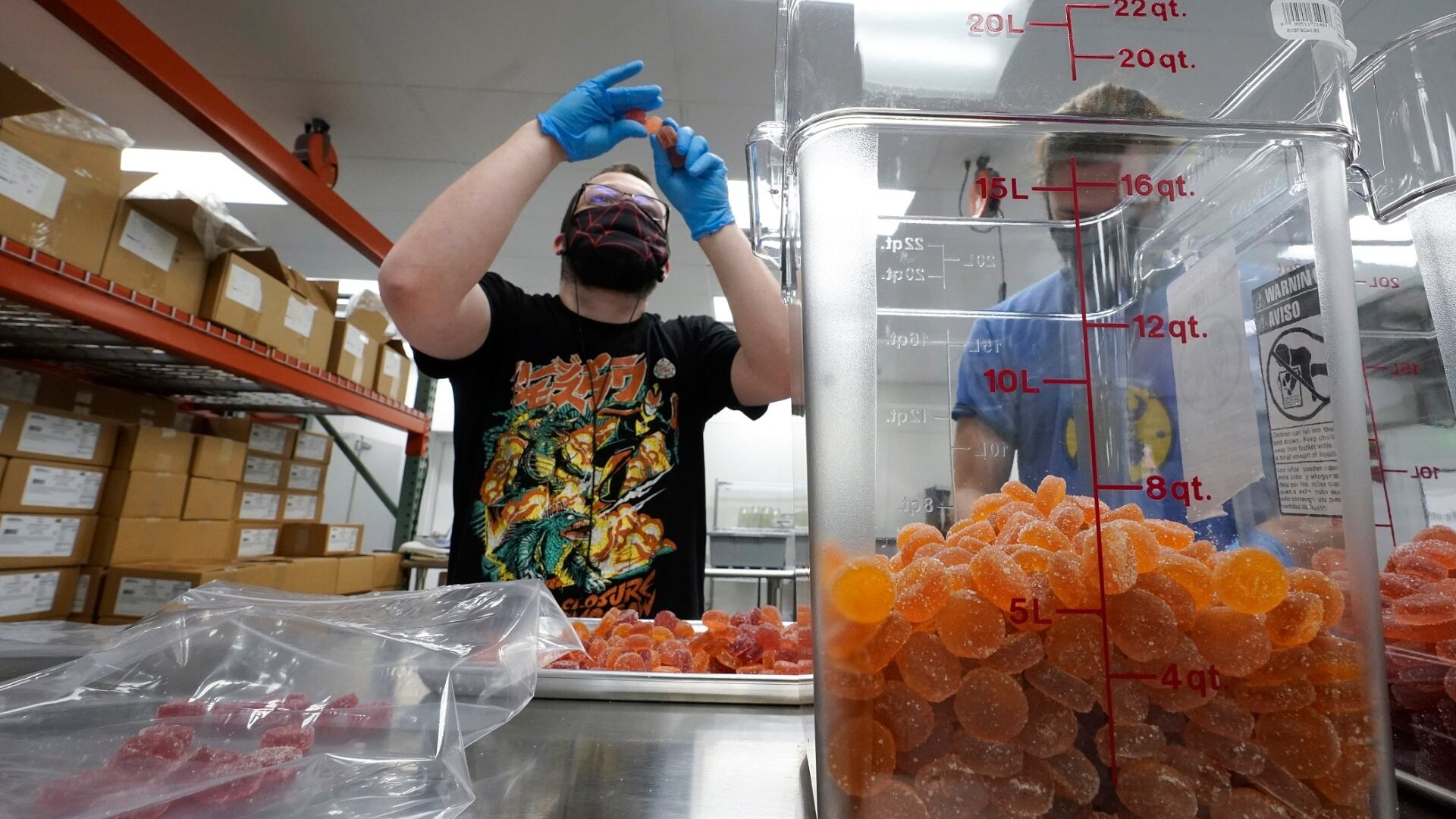
Even amid the Great Resignation, the cannabis industry saw major job growth. As of January 2022, the legal industry supported more than 428,000 jobs — a 33 percent increase year-over-year, according to the sixth annual jobs report from Leafly, a website focused on cannabis use and education. Yoko Miyashita, CEO of Leafly, joined Cheddar News' Closing Bell to discuss. “You know we've got big moments coming ahead in New Jersey and New York with adult-use sales starting in New Jersey, hopefully by this fall, with New York quickly to follow," she said. "So we're hugely optimistic about the kind of job growth that those markets can drive with the right type of market setup.
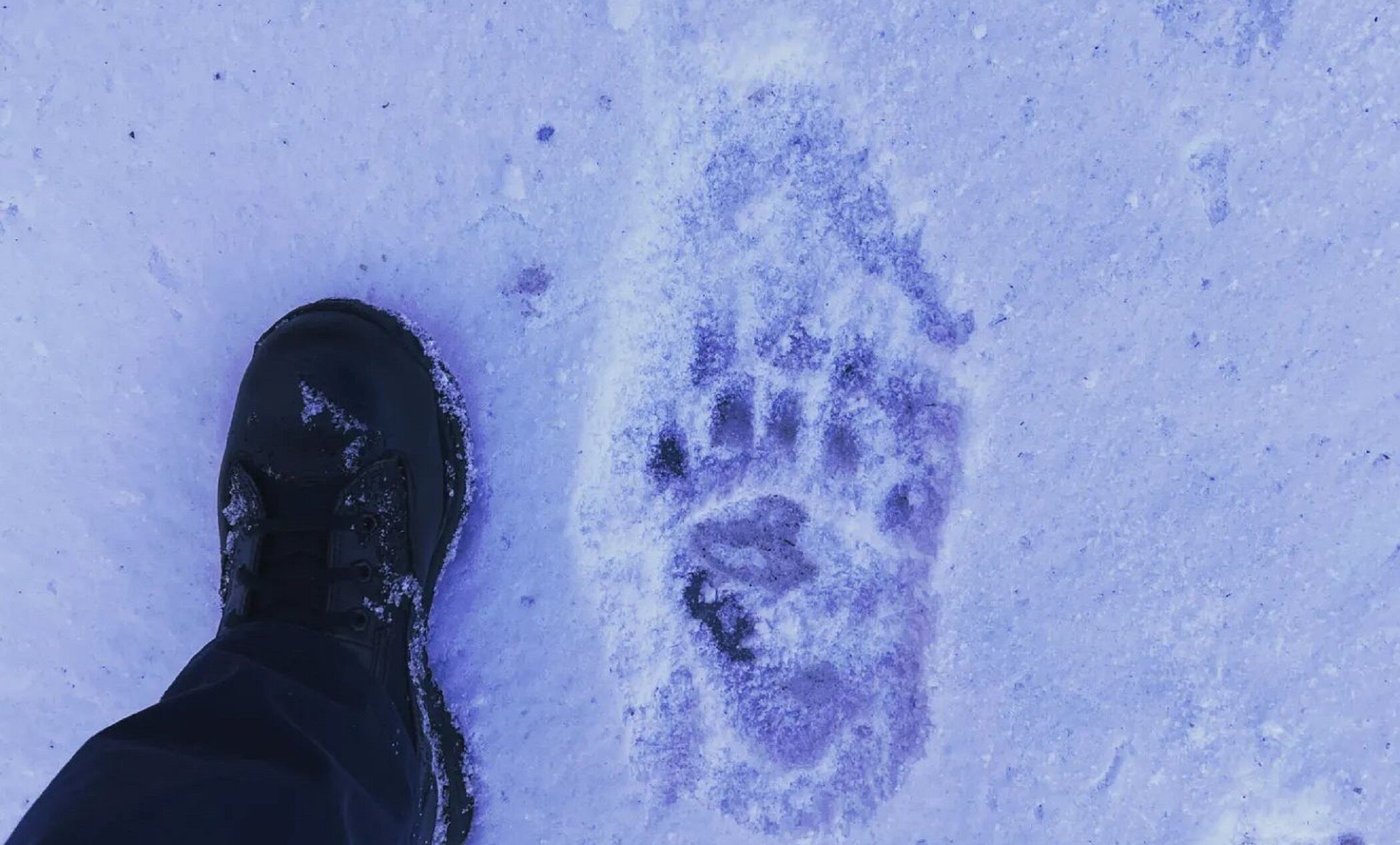
DNA evidence now shows that the 500-pound black bear the public had nicknamed “Hank the Tank” is, in fact, three not-so-little bears who have damaged more than 30 properties around Lake Tahoe in recent months.
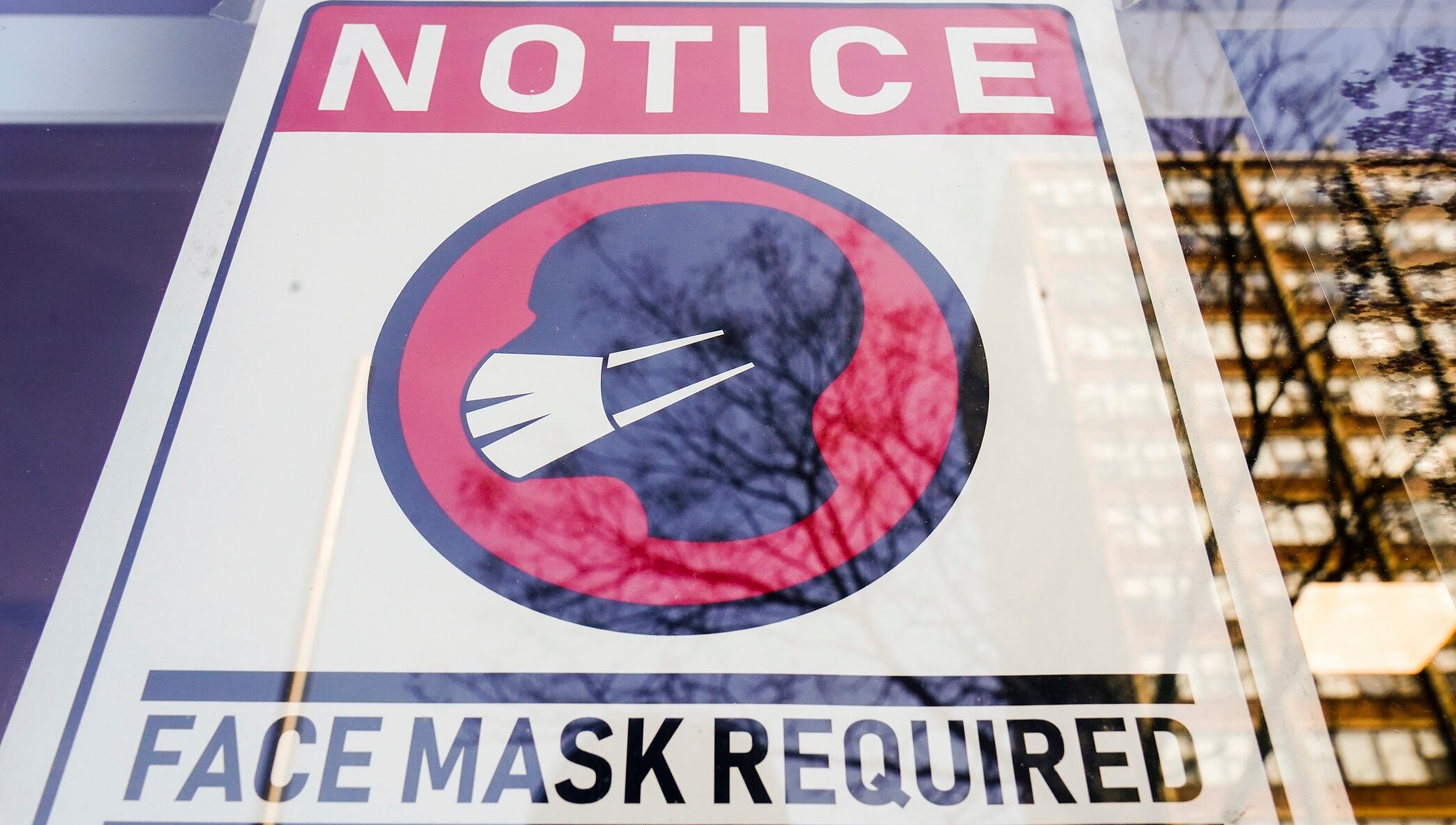
The Biden administration will significantly loosen federal mask-wearing guidelines to protect against COVID-19 transmission on Friday, according to two people familiar with the matter.