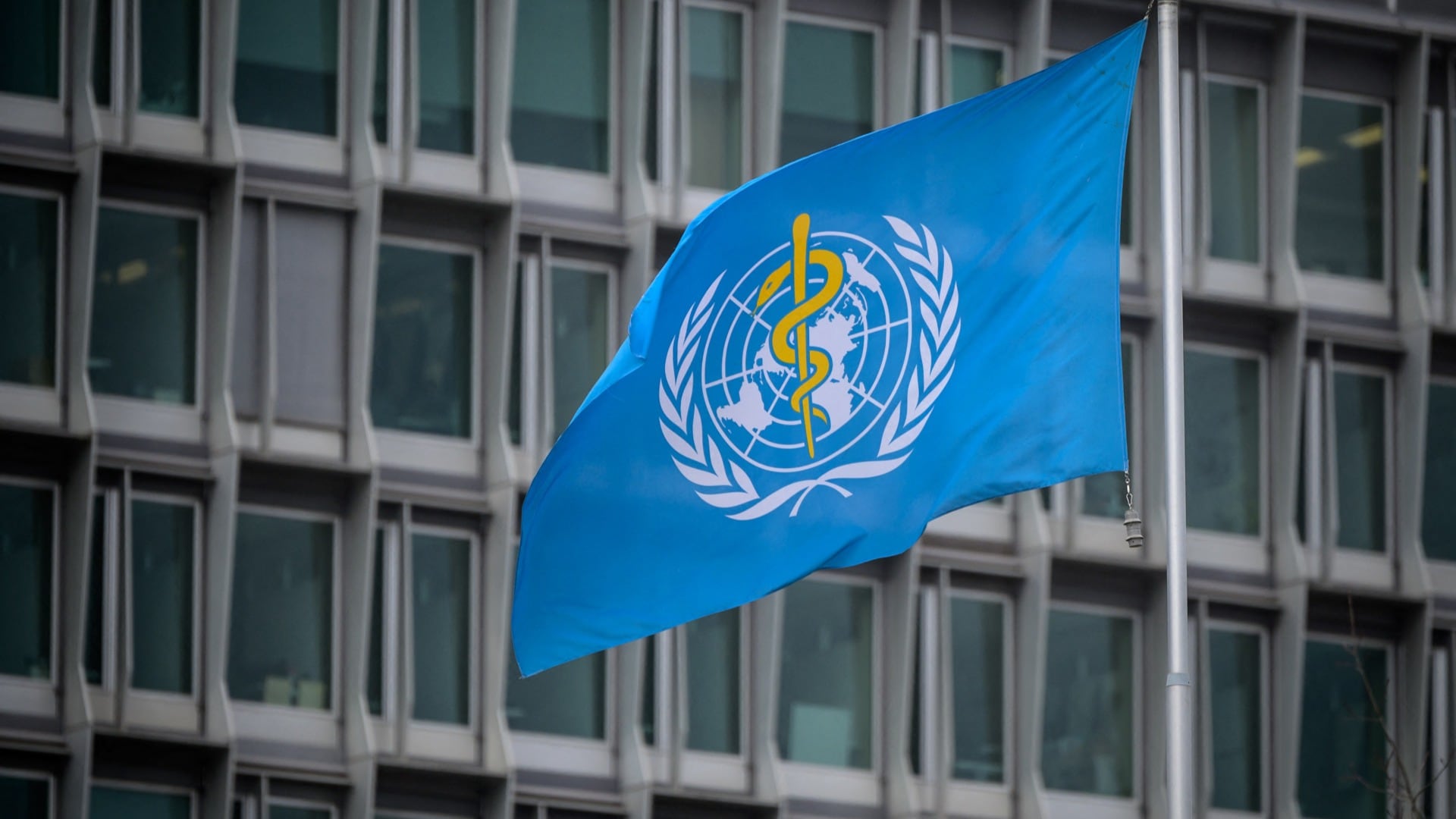
This photograph taken on March 5, 2021 shows the flag of the World Health Organization (WHO) at their headquarters in Geneva amid the Covid-19 coronavirus outbreak. (Photo by Fabrice COFFRINI / AFP) (Photo by FABRICE COFFRINI/AFP via Getty Images)
A report from the Department of Energy on the origins of COVID-19 has agencies divided about its findings.
A classified intelligence report from the Energy Department alleges, with low confidence, that the virus likely leaked from a lab in China — a theory that was raised during the early days of the pandemic. How the agency went about drawing that conclusion has not been revealed to the public but is reportedly based on new information.
Meanwhile, a World Health Organization's investigation is ongoing, but the organization said that as more time passes, coupled with complications in completing studies in China, that it will be more difficult to pinpoint the exact origin of the virus.
In light of the report, the White House national security adviser, Jake Sullivan, told CNN that the Department of Energy's findings offer "no definitive answer" about the origins of COVID.
"There is a variety of views in the intelligence community. Some elements in the intelligence community have reached conclusions on one side, some on the other. A number of them have just said they don't have enough information to be sure," he said.
China's foreign ministry spokesperson Mao Ning has dismissed the allegations altogether and said, "The origins tracing of SARS-CoV-2 is about science and should not be politicized."
"Certain parties should stop rehashing the 'lab leak' narrative, stop smearing China and stop politicizing origins-tracing," Ning added.
The FBI drew a similar conclusion in 2021, but the CIA is among the U.S. intelligence agencies that have not reached a conclusion.
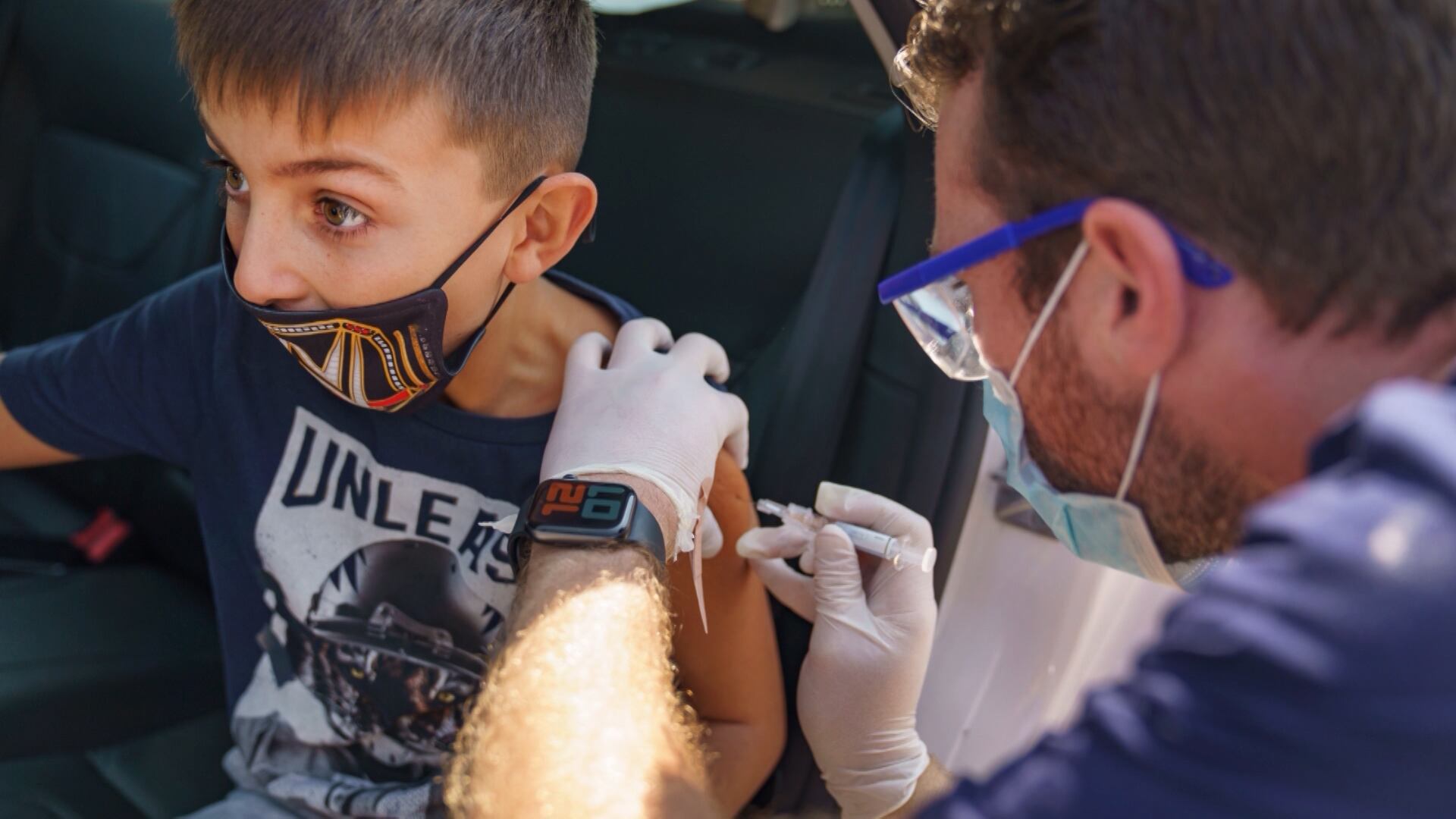
President Biden's self-imposed deadline of making booster vaccines available for all Americans is today, but with the U.S. Food and Drug Administration only approving the boosters for senior citizens, it doesn't look like he can make that deadline. The nation's top infectious disease expert Dr. Anthony Fauci defended both positions, saying that the deadline was more of a placeholder and that he also stands by the FDA's decision.
Dr. Jen Caudle, family physician and associate professor at Rowan University, joined Cheddar's Opening Bell to discuss more on the booster shot and Pfizer's vaccine for young kids.
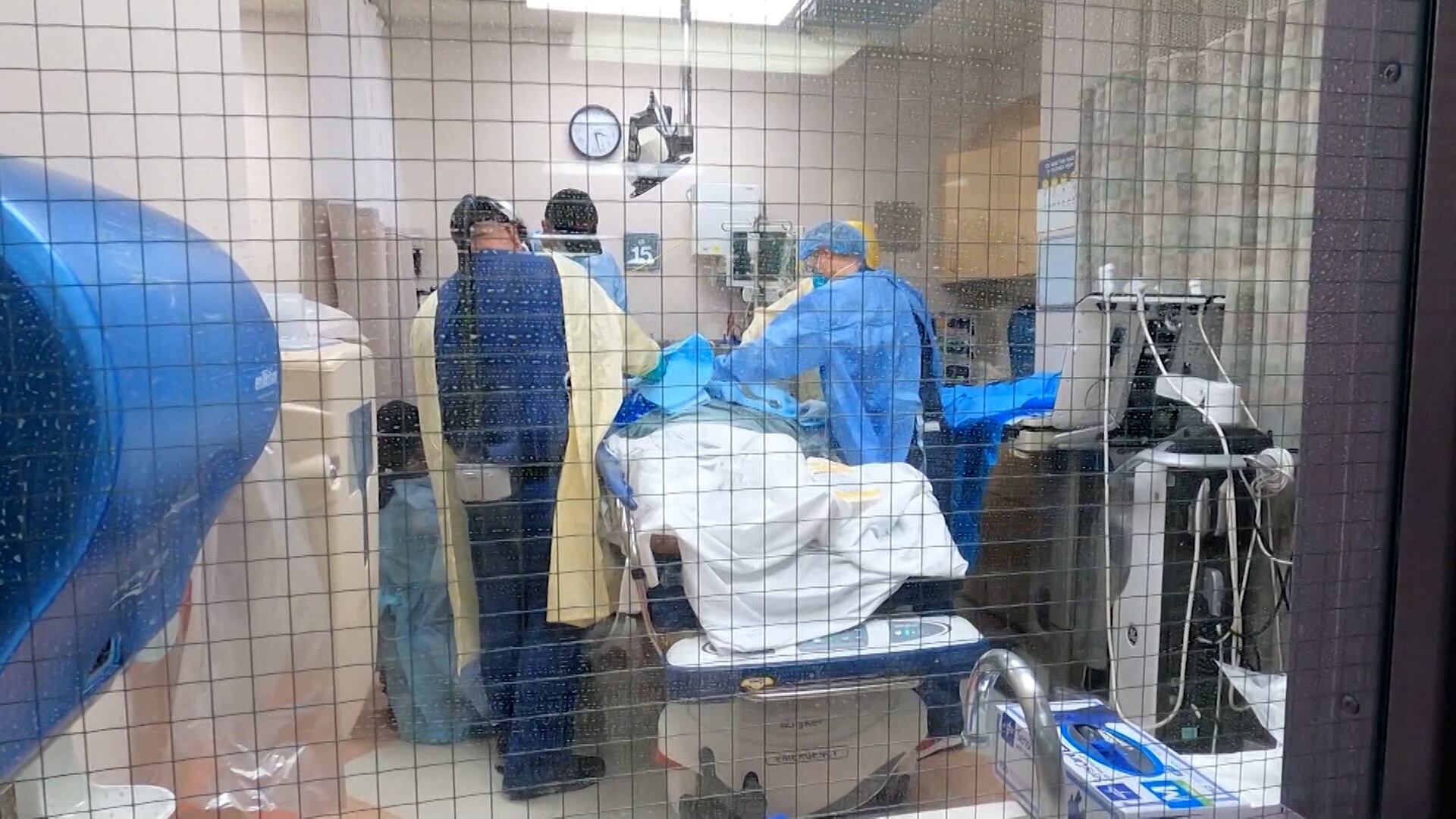
26 states have now fully vaccinated more than half of their population with Vermont, Connecticut, and Massachusetts fully vaccinating at least two-thirds of their residents. These three states are among the ones with the lowest new Covid-19 cases per capita, but in states with low vaccination rates, hospitals are filling up again.
Dr. Rob Davidson, ER doctor and executive director of Committee to Protect Health Care, joined Cheddar's Opening Bell to discuss more.
Gas prices are expected to rise ahead of Labor Day weekend, with millions of people hitting the road and Hurricane Ida disrupting the nation's oil and gas industries. Chris Williams, CEO of CW Petroleum Corp, joined Cheddar to discuss the rise and fall of gas prices, plus what his company plans to do to adapt to the uptick in electric vehicles.