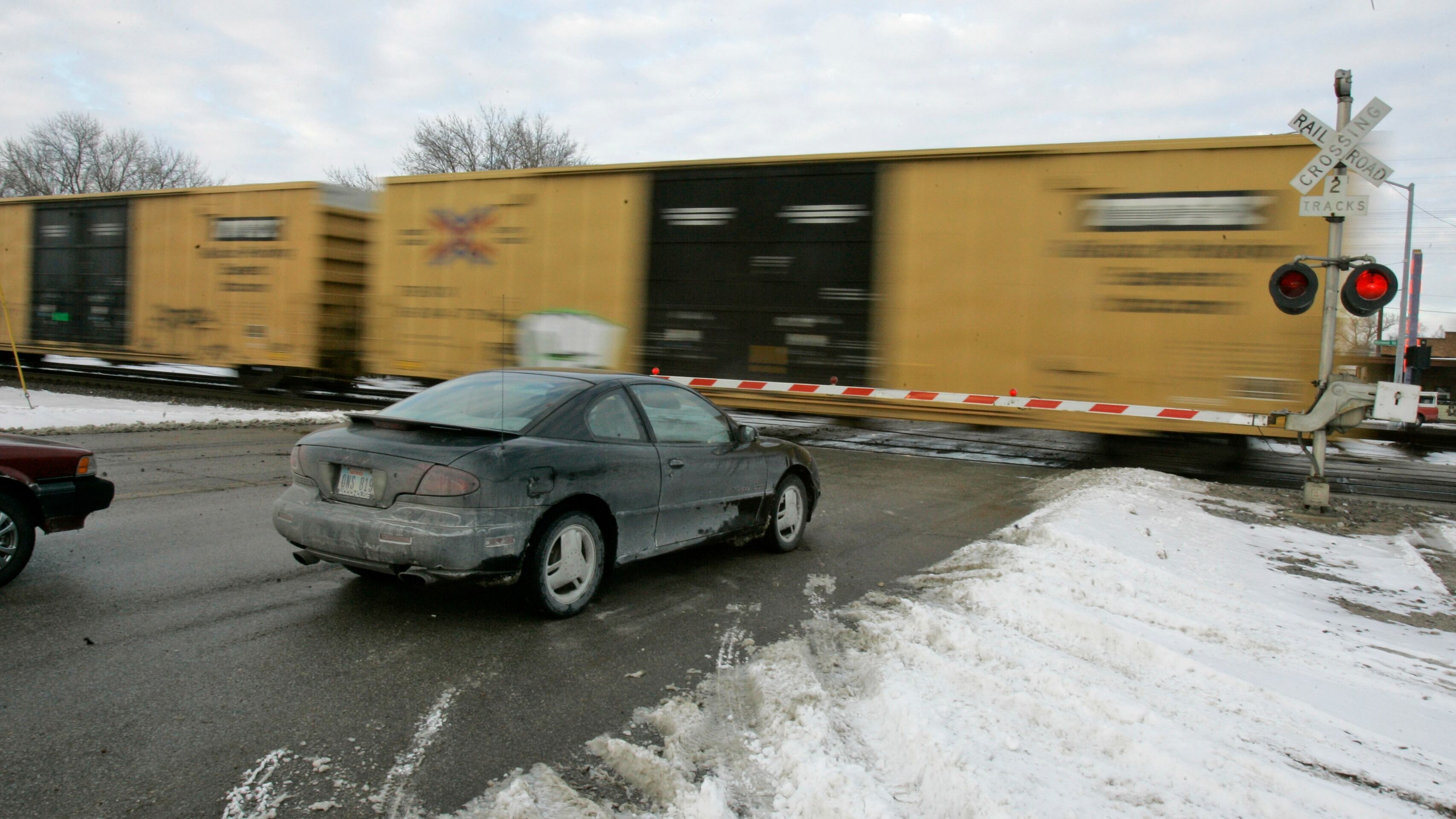
Cars wait for a train to pass, in Valley, Neb., Wednesday, Jan. 17, 2007. With the rail industry relying on longer and longer trains to cut costs, the Biden administration is handing out $570 million in grants to help eliminate railroad crossings in 32 states. The grants announced Monday, June 5, 2023 will help eliminate more than three dozen crossings that delay traffic and sometimes keep first responders from where help is desperately needed. (AP Photo/Nati Harnik, File)
By Josh Funk
With the rail industry relying on longer and longer trains to cut costs, the Biden administration is handing out $570 million in grants to help eliminate many railroad crossings in 32 states.
The grants announced Monday will contribute to building bridges or underpasses at the sites of more than three dozen crossings that delay traffic and sometimes keep first responders from where help is desperately needed.
In some places, trains routinely stretching more than 2 miles (3.2 km) long can block crossings for hours, cutting off access to parts of towns and forcing pedestrians to attempt the dangerous act of climbing through trains that could start moving without warning.
“We see countless stories of people unable to get to work on time, goods being blocked from getting where they need to be and first responders being delayed by these these trains that can be slowed or stopped — even seeing images of children having to crawl between or under freight trains in order to get to school,” U.S. Transportation Secretary Pete Buttigieg said.
In one case Buttigieg mentioned, a Texas mom called 911 because her 3-month-old baby was in distress, but an idle train kept the ambulance from getting there quickly and the baby died at the hospital two days later.
In addition to problems associated with blocked crossings, roughly 2,000 collisions are reported at railroad crossings every year. Nearly 250 deaths were recorded last year in those car-train crashes. In one instance Buttigieg cited, a woman in California wound up stopped on the tracks after traffic backed up and she was killed when a train slammed into her vehicle.
In recent years, the major freight railroads have overhauled their operations to rely on fewer, longer trains so they can use fewer crews and locomotives as part of efforts to cut costs.
The railroads insist those changes haven't made their trains riskier, but regulators and Congress are scrutinizing their operations closely after several recent high-profile derailments. And the problems at rail crossings are well documented.
These grants are part of $3 billion in funding approved in the $1 trillion infrastructure law for these rail crossing projects that will be doled out over the next five years.
A number of the 63 projects that will receive grants involve only planning and design work for eliminating crossings in the future, but most of the money will go toward physical improvements at crossings and eliminating longstanding problems.
Buttigieg said he plans to visit Grand Forks, North Dakota, Monday to highlight a $30 million grant helping to pay for a project near the University of North Dakota campus that will improve access to the local hospital.
A grant worth nearly $37 million will help eliminate four rail crossings in Houston, which has the second-highest number of rail crossing deaths in the nation. The four new underpasses to be built will reduce traffic delays and improve pedestrian safety.
One $7.2 million grant will help improve access to an area of Fostoria, Ohio, known as the Iron Triangle because it is bordered on three sides by train tracks. A CSX train passes through the community about once every 26 minutes, with warning sirens at the crossings sounding for at least two hours daily. A new bridge will be built over the tracks on one side of the neighborhood to provide a safe route into the area.
In each of these grants, states and cities — sometimes with the help of the railroads — must cover at least 20% of the project cost.
Inflation remains hot as the January PPI has increased by 1 percent, twice what analysts had been expecting with a jump of 9.7 over the year. Beth Ann Bovino, the U.S. chief economist, for S&P Global Ratings, joined Cheddar News to discuss the rapid pace of inflation alongside higher wages, predicting the Federal Reserve will act quickly and forcefully this year. "They haven't changed their forecast, yet, that's gonna come out soon. But we expect that a March rate hike is basically pretty much baked in the cake," she said. "We think six rate hikes in total for 2022."
For black history month, Cheddar is highlighting black business leaders who are driving the need for representation forward. On February 10, the U.S. Chamber of Commerce hosted an event called 'Developing the Black-Owned Business Ecosystem.' The virtual event was organized under the lobbying group's two initiatives -- the Equality of Opportunity Initiative, and the Coalition to Back Black Businesses. The event highlighted the developments needed to develop more black-owned businesses in the U.S. Dr. Anthony Wilbon, Dean of the School of Business at Howard University, joined Cheddar News' Closing Bell to discuss his experience as a speaker at the event.
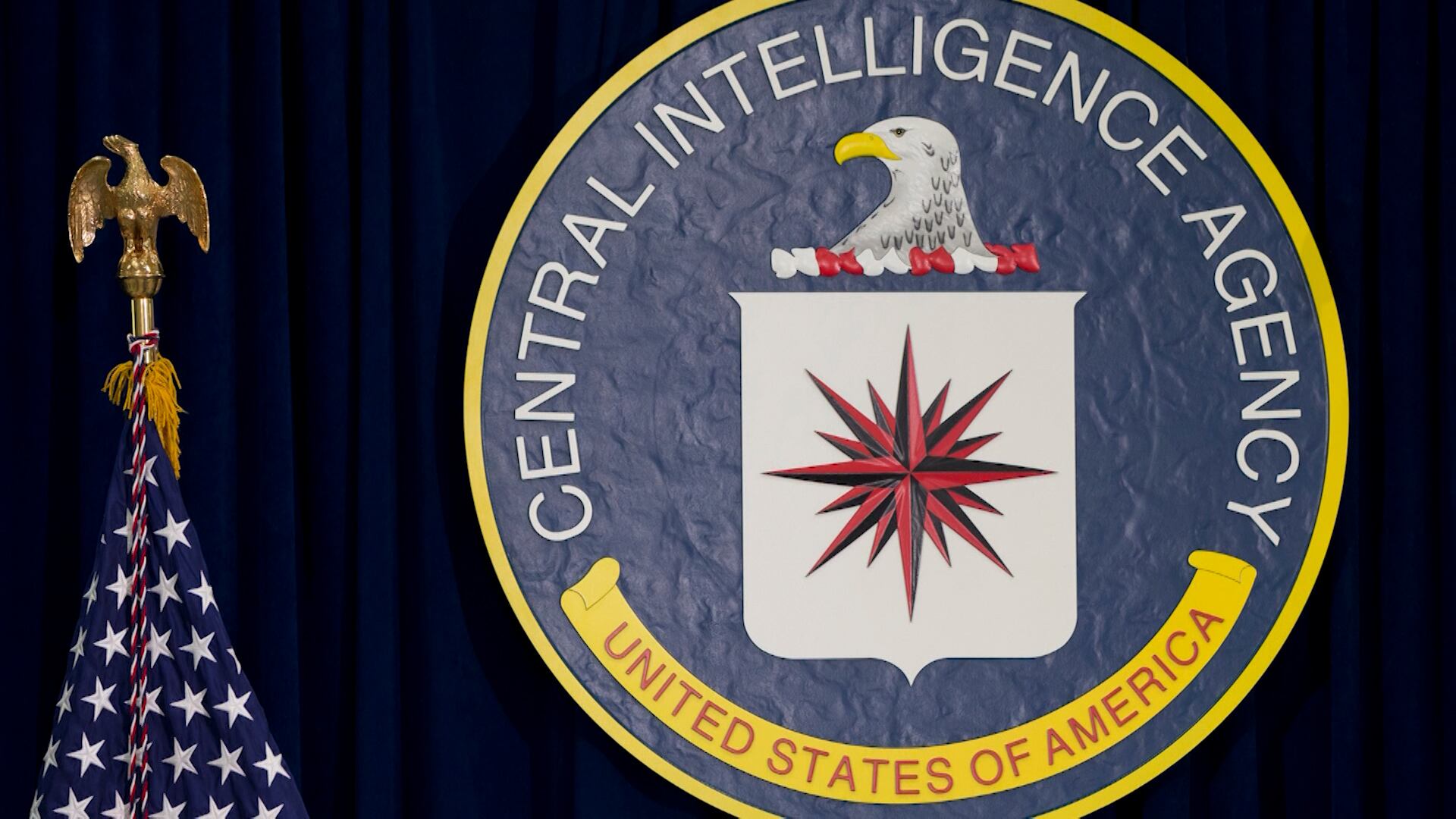
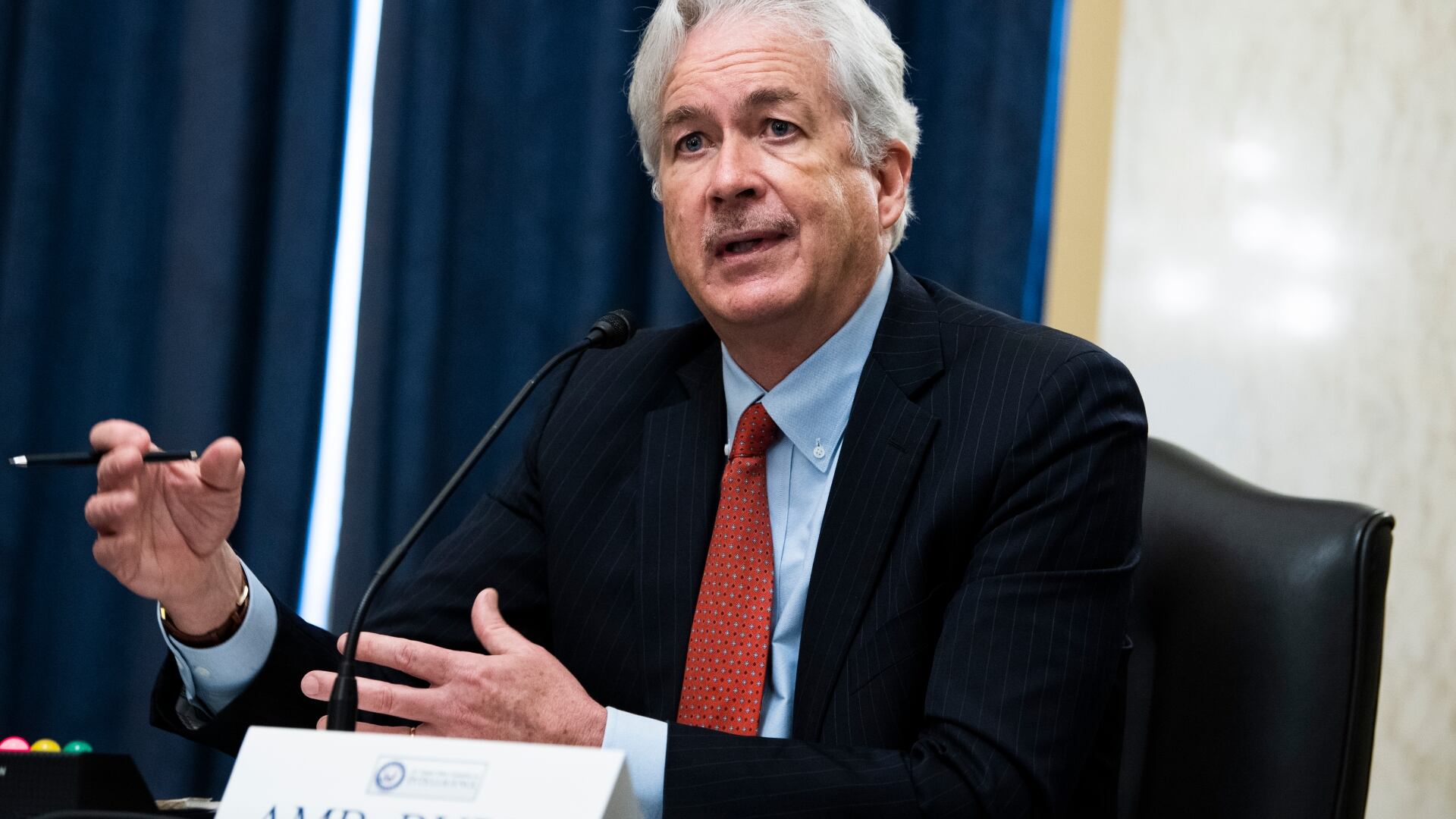
A newly declassified letter by senators Ron Wyden and Martin Heinrich claimed the CIA. has been conducting a Secret Surveillance Program which has been collecting a bulk of data from American citizens. The letter which was written in April of 2021 urges the CIA to come clean about the kind of data it collects and how many Americans have been impacted. According to these two senators, the program did not have the safeguards of congressional oversight.
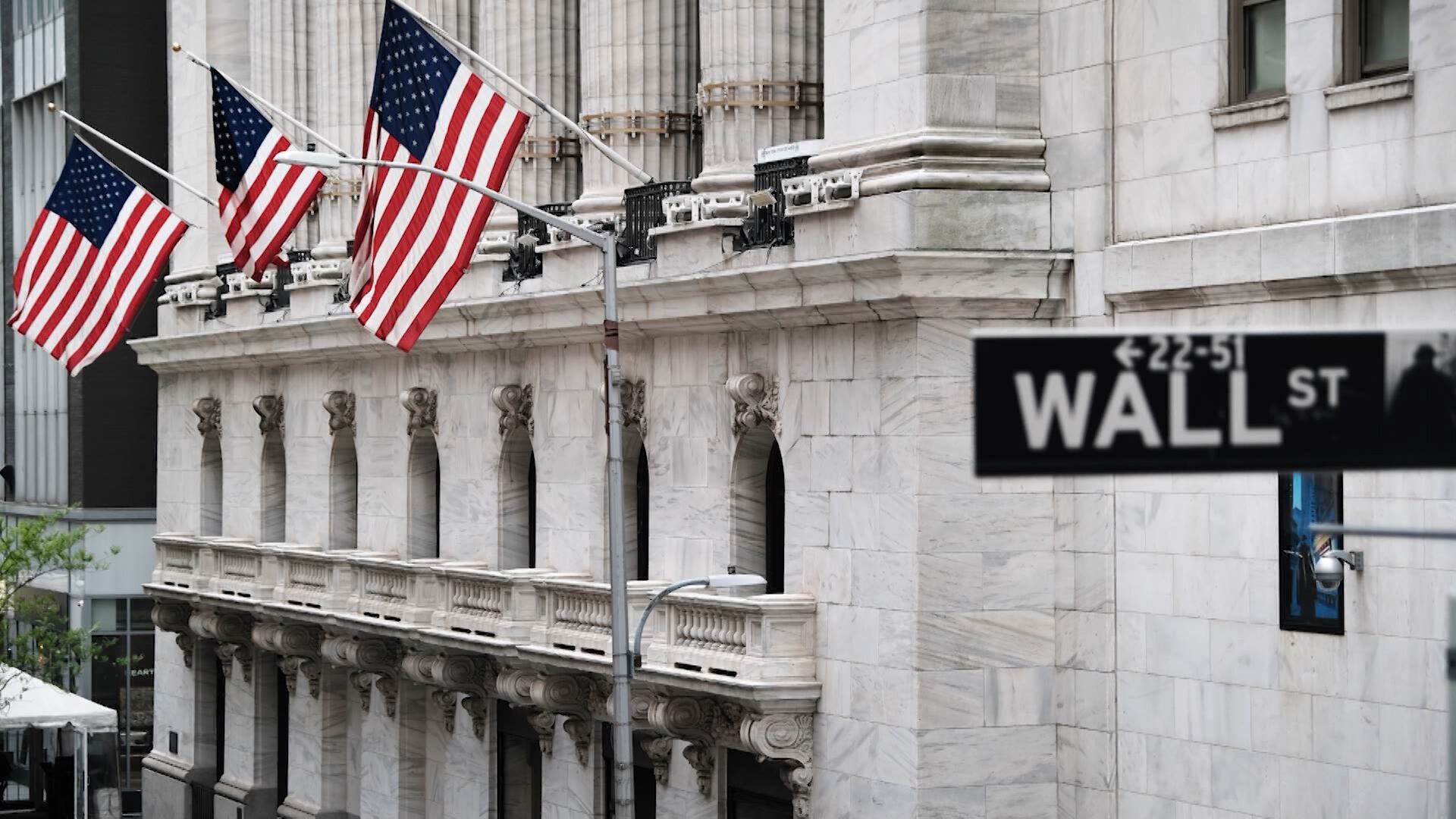
Art Hogan, Chief Market Strategist at National Securities, joined Cheddar News' Closing Bell, where he says investors are taking a wait-and-see approach when it comes to the situation between Russia and the Ukraine and elaborates on the impact higher oil prices stemming from the conflict would have on the market.
Last week, Senators Ron Wyden of Oregon and Martin Heinrich of New Mexico, Democrats on the Senate Intelligence Committee, wrote a a letter airing concerns that the CIA is collecting the data of American citizens without their consent. The lawmakers fear that the program might be exploiting private data. Morgan Wright, the chief security advisor at cybersecurity firm SentinelOne, joined Cheddar News to discuss the ramifications of the letter. "We don't have all the dots in one place to connect them," said Wright, cautioning against jumping to conclusions.
Russian President Vladimir Putin and his Foreign Minister Sergey Lavrov said that diplomacy is still possible, while U.S. officials warn that an attack on Ukraine is imminent. Cheddar News speaks with James Astill, Washington bureau chief of The Economist on the latest developments in Eastern Europe.
As the number of Russian troops rose to 130,000 along its Ukrainian border, hopes for a diplomatic solution remain among world leaders. Jason McMann, head of geopolitical risk analysis at Morning Consult, joined Cheddar News to break down the fluid situation. "We saw signs pointing towards an increase in tensions between Ukraine and Russia, whereas today we're seeing some signs that the Russian government may be willing to continue down a path of diplomatic negotiations to try and find some sort of non-military solution," he said.
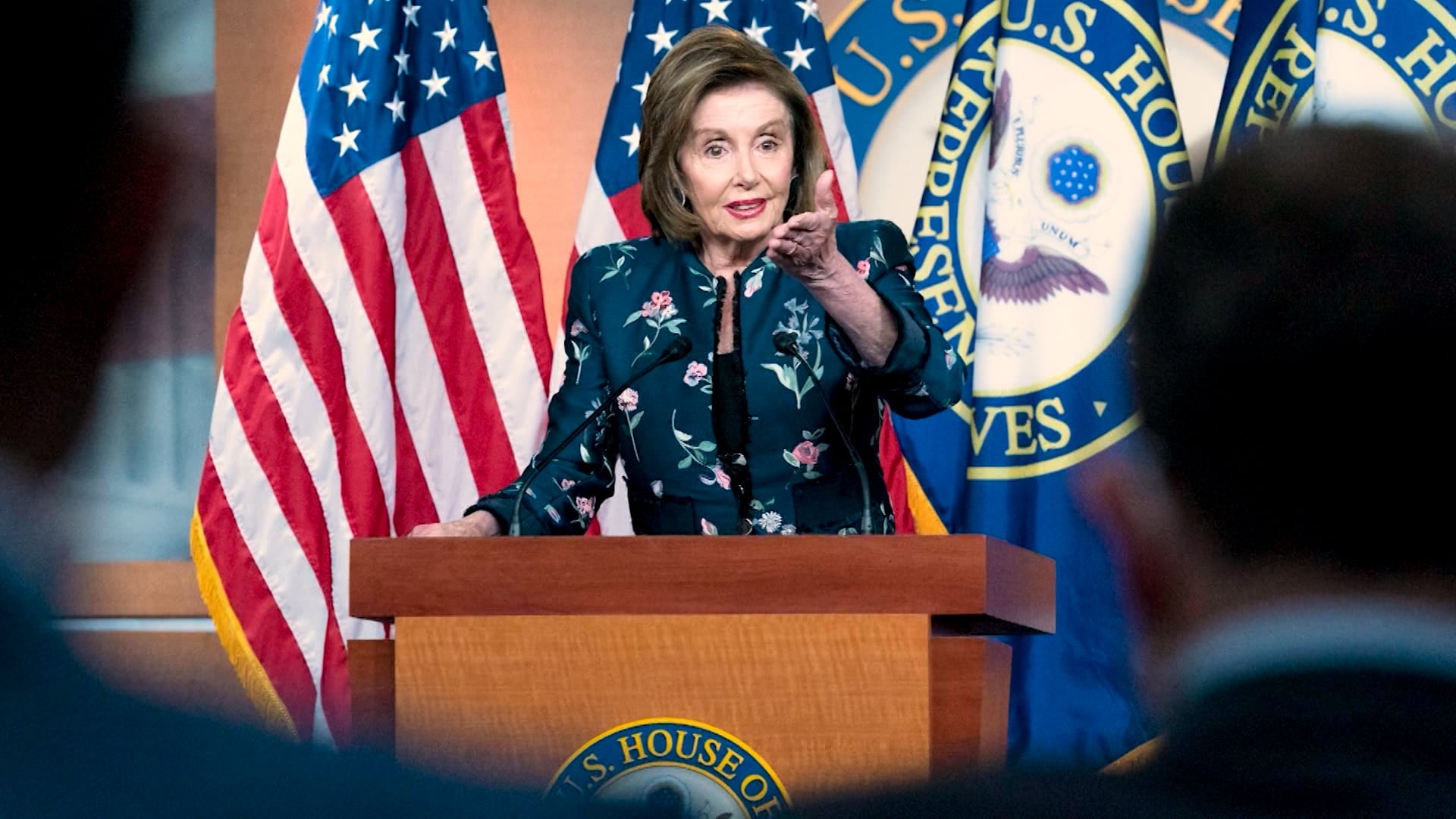
Nancy Pelosi and House Democratic leaders are now planning to amend the stop trading on congressional knowledge act, otherwise known as the 'Stock' Act. This 2012 law governs how members disclose the purchase or sale of stocks and amending it would close a loophole, eliminating the trading of individual stocks by members of congress. Pelosi has consistently opposed a ban on stock trading by lawmakers and congressional staff...so what's changed? Kedric Payne, Vice President of Campaign Legal Center, joins Cheddar News to discuss.
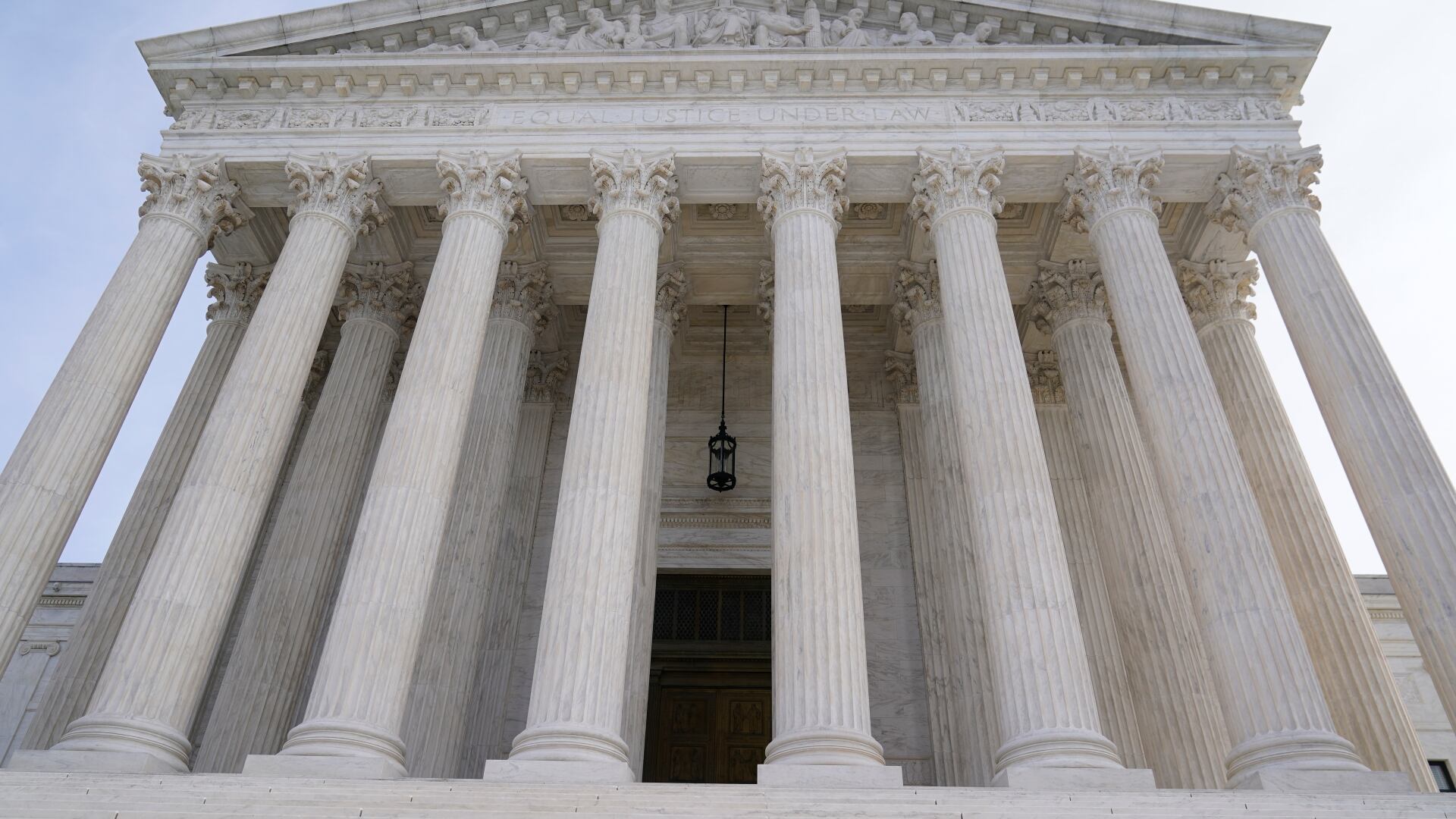
In a 5-4 vote, the U.S. Supreme Court allowed for a controversial new version of the Alabama congressional map to remain in place. The lower court had previously ordered that the state must redraw that congressional map because it violates the Voting Rights Act by diluting the political power of Black voters. Redistricting expert Yurij Rudensky joins Cheddar News to weigh in.