*By Carlo Versano*
After [reports](https://www.bloomberg.com/news/articles/2018-08-23/musk-is-said-to-hire-morgan-stanley-to-help-take-tesla-private) circulated that Elon Musk hired Morgan Stanley to personally advise the CEO on his options to take Tesla private, watchers are wrestling with what's perhaps the question of the summer: is the innovative, but beleaguered automaker better off public or private? And maybe more interesting: is it better off with or without Musk at the helm?
Aaron Cole, managing editor of [Motor Authority](https://www.motorauthority.com/), remains skeptical that Tesla would flourish as a privately run company. Financial transparency and pressure from investors, both part of being public, make corporate governance stronger, he said.
"Tesla has a better route being a public company."
Furthermore, even with Morgan on board as an adviser, privatization would be a far-off future, Cole said. Despite Musk's public statements to the contrary, Cole pointed out the electric carmaker has "no reasonable" way to buy out its investors.
Cole doesn't buy the "cult of Elon" theory either. The CEO's erratic behavior has caused more harm than good, Cole said, and the company may actually benefit if Musk takes a leave of absence.
Cole anticipates Tesla is about to face serious competition from Porsche and Mercedes-Benz as they enter the high-end electric car sector. Musk's do-it-all approach to management is not feasible in a competitive marketplace, Cole said.
"If Elon stays, Tesla also has a tough road," he said.
For full interview [click here] (https://cheddar.com/videos/tesla-private-bid-inches-forward).
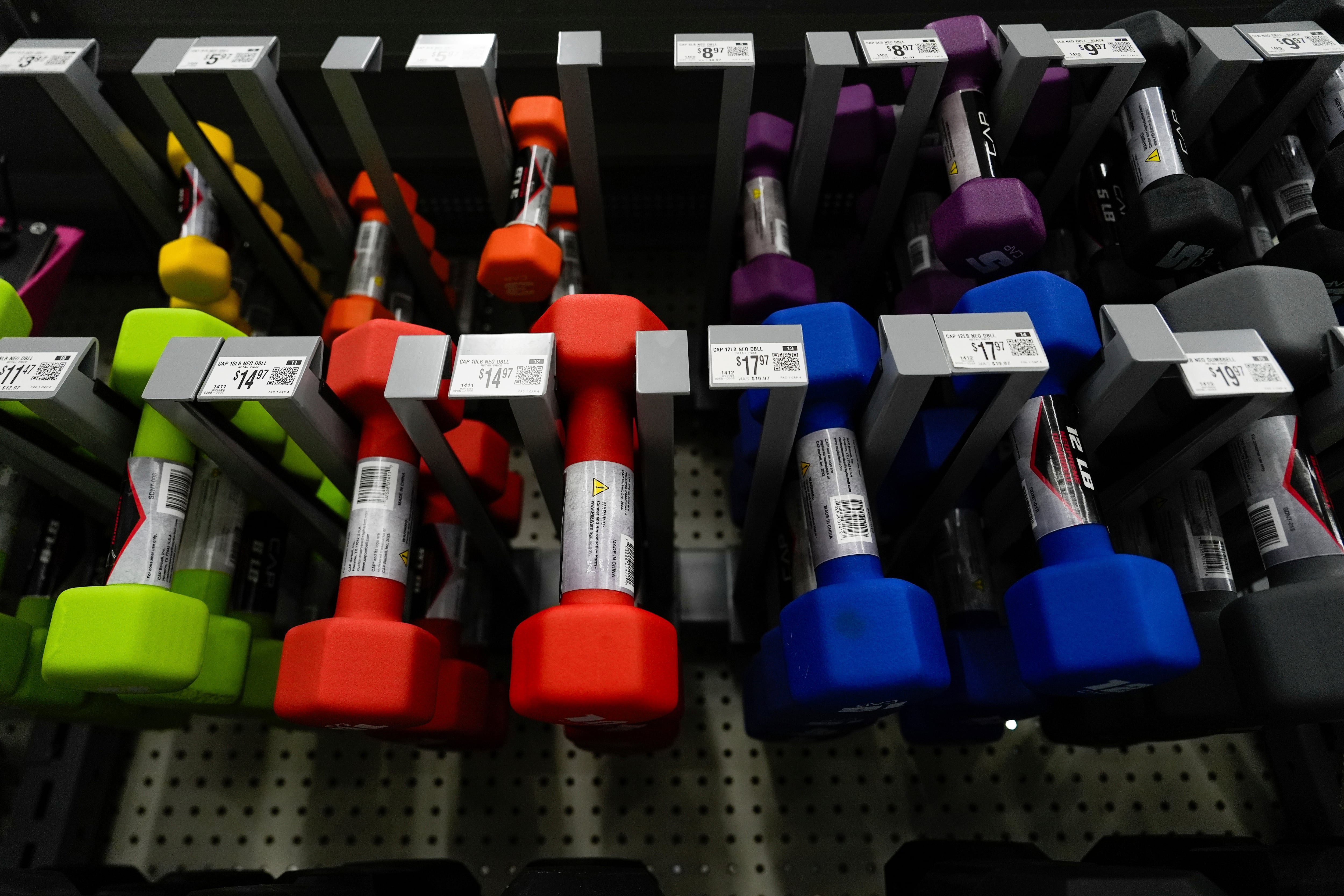
Walmart, which became the nation’s largest retailer by making low prices a priority, has found itself in a place it’s rarely been: Warning customers that prices will rise for goods ranging from bananas to car seats.
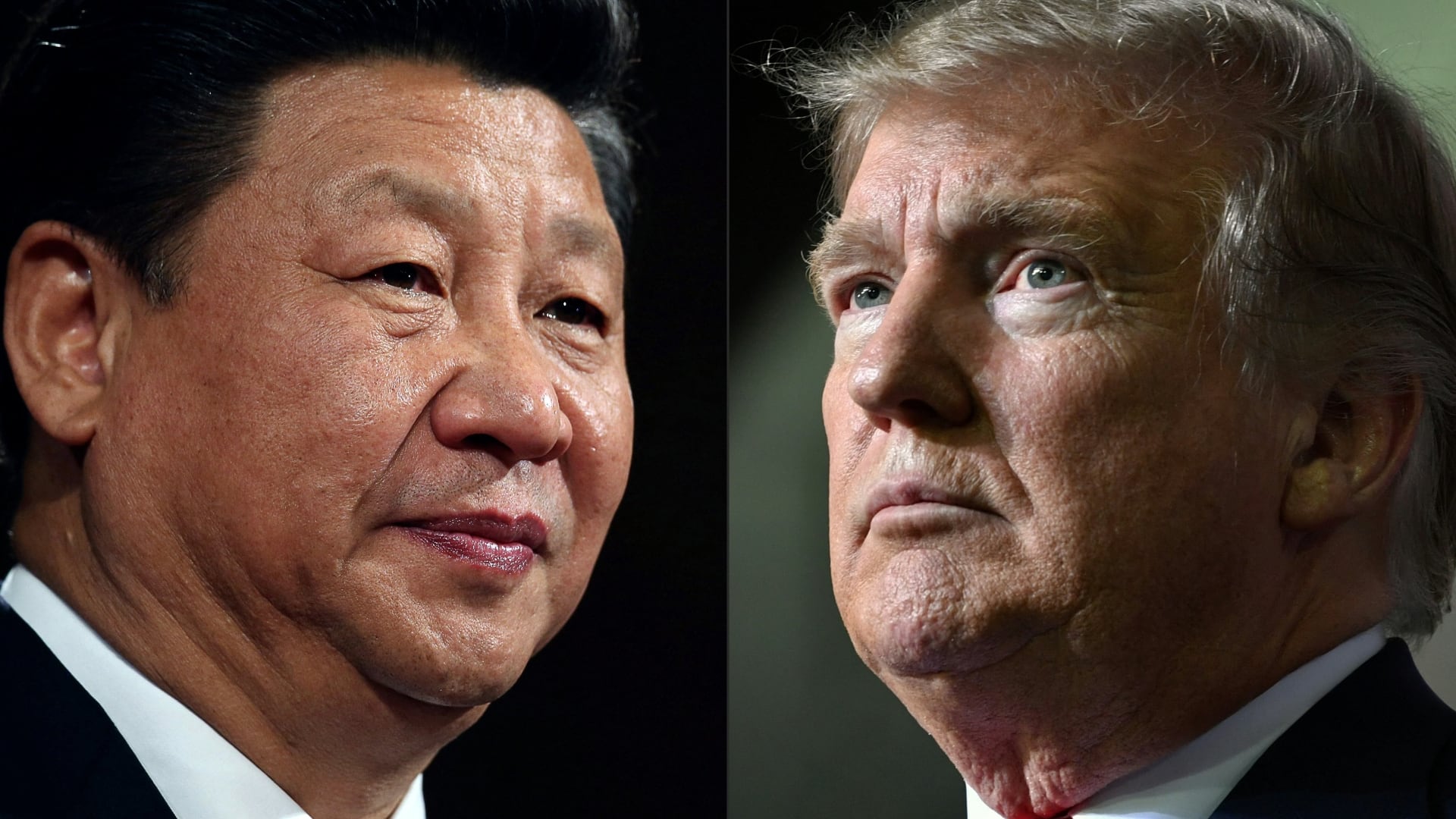
Chris Beauchamp, Chief Market Analyst at IG International, joins J.D. Durkin to give analysis on the recent trade truce between the U.S. and China. Watch!
Shan Aggarwal, VP of Corporate and Business Development at Coinbase, discusses the company's acquisitio of Deribit as it heads into the S&P 500. Watch!
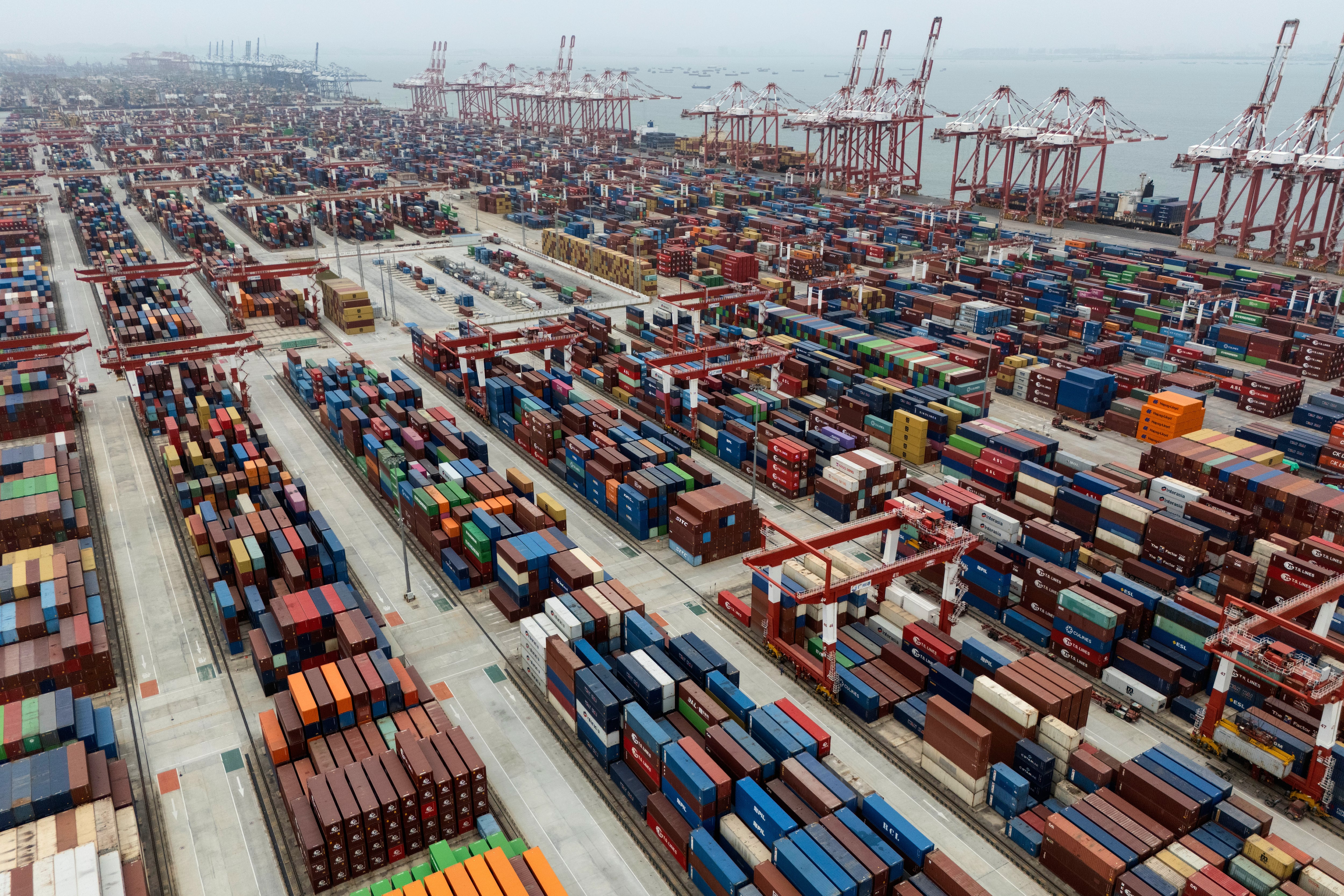
American businesses that rely on Chinese goods are reacting with muted relief after the U.S. and China agreed to pause their exorbitant tariffs on each other’s products for 90 days. Many companies delayed or canceled orders after President Donald Trump last month put a 145% tariff on items made in China. Importers still face relatively high tariffs, however, as well as uncertainty over what will happen in the coming weeks and months. The temporary truce was announced as retailers and their suppliers are looking to finalize their plans and orders for the holiday shopping season. They’re concerned a mad scramble to get goods onto ships will lead to bottlenecks and increased shipping costs.
Shopping expert Trae Bodge discusses how talks between the U.S. and China is good news for now, but uncertainty remains for back-to-school and the holidays.
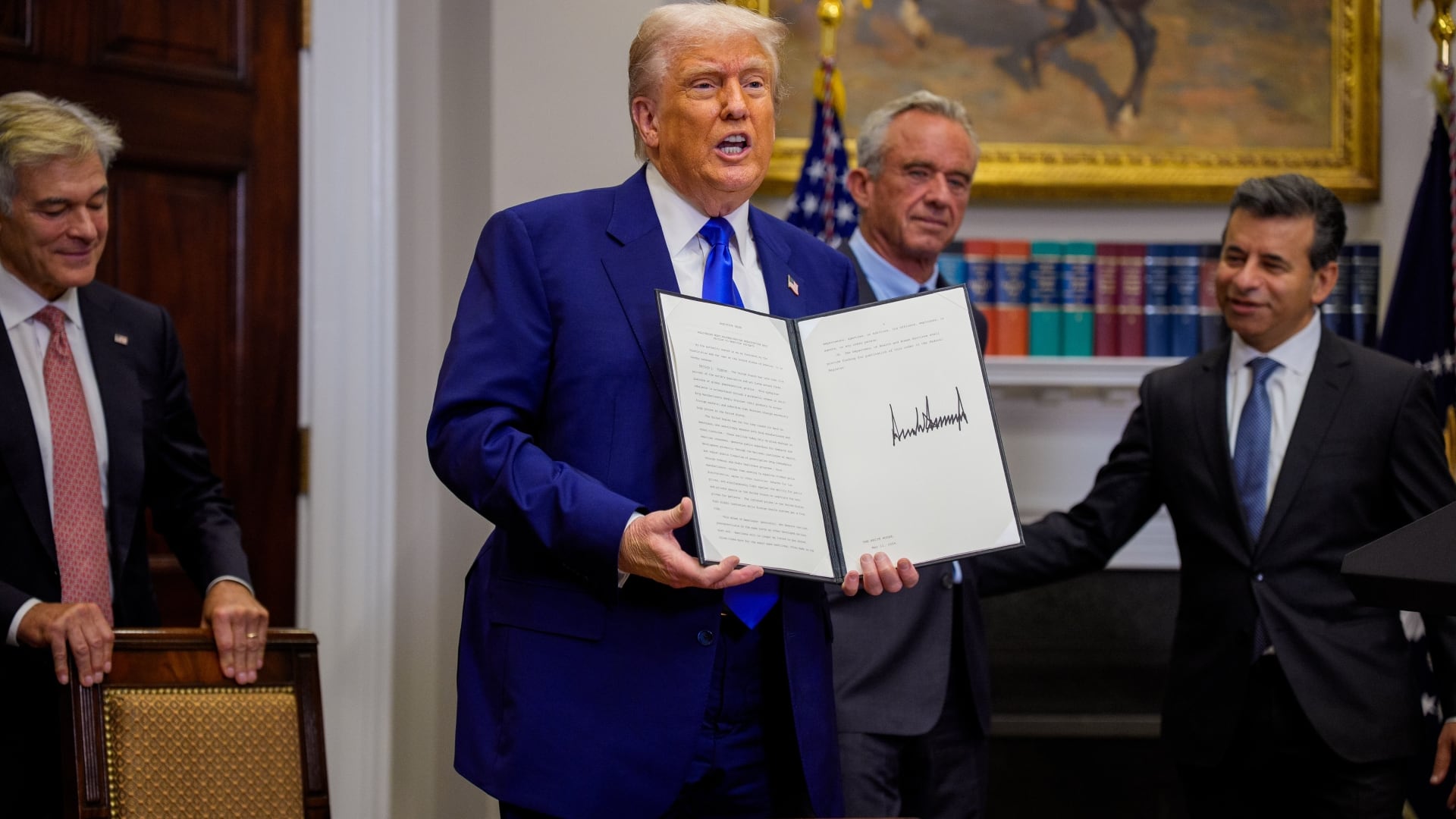
Jake Traylor, White House reporter at Politico, joins Cheddar to discuss how Trump is aiming to lower drug prices and how it differs from Biden's approach.