*By Carlo Versano*
It has become a hallmark of the modern millennial: Babies? Maybe later. Fur babies? Absolutely.
Seven out of 10 members of the millennial generation own a pet at an average cost of around $1,000 per pet yearly.
Given that pets are increasingly treated as family members, more animal owners want to insure them against accidents and illness.
Indeed, the gross written premiums for pets in North America doubled ー from $575 million in 2013 to $1.15 billion in 2017, according to the National Association Pet Health Insurance Association.
Whether that's a smart use of funds is another question.
Jeff Blyskal, senior writer for the [Consumer's Checkbook](https://www.checkbook.org/), one of the original consumer review outlets, told Cheddar that pet insurance is often not worth the price.
"You're treating the pets like children, so you want to protect them," he acknowledged. But with premiums costing anywhere from $30 to $60 a month for mixed breed cats and dogs, the totals add up fast.
The average monthly cost to insure a dog against accident and illness is $45, according to NAPHIA, while the average monthly cost for a cat is $28.
Pure breeds, Blyskal noted, will cost far more as they are generally more prone to congenital diseases. A purebred Dogue de Bordeaux (think [Hooch](https://www.imdb.com/name/nm1212798/) from "Turner & Hooch") costs about $400 a month to insure.
Premiums will also skyrocket as your pet ages, Blyskal warns. That's why the [majority of U.S. veterinarians](https://www.checkbook.org/national/pet-insurance/articles/Is-Pet-Insurance-a-Smart-Purchase-7096) don't recommend it.
While accident and illness plans are most common, there's a growing market for wellness insurance for routine pet care. "It's really a waste of money," Blyskal said. If you're going to insure your pet, "buy insurance to protect against the unpredictable stuff."
Even then, you might be better off negotiating with your vet when the bill comes due, Blyskal said.
For full interview [click here](https://cheddar.com/videos/the-costs-and-benefits-of-pet-insurance).
YouTube will offer creators a way to rejoin the streaming platform if they were banned for violating COVID-19 and election misinformation policies that are no longer in effect.
Lukas Alpert of MarketWatch explores how networks, brands, and ad buyers absorb the shockwaves when late‑night show hosts are suddenly cut — and brought back.
A new poll finds U.S. adults are more likely than they were a year ago to think immigrants in the country legally benefit the economy. That comes as President Donald Trump's administration imposes new restrictions targeting legal pathways into the country. The Associated Press-NORC Center for Public Affairs Research survey finds Americans are more likely than they were in March 2024 to say it’s a “major benefit” that people who come to the U.S. legally contribute to the economy and help American companies get the expertise of skilled workers. At the same time, perceptions of illegal immigration haven’t shifted meaningfully. Americans still see fewer benefits from people who come to the U.S. illegally.
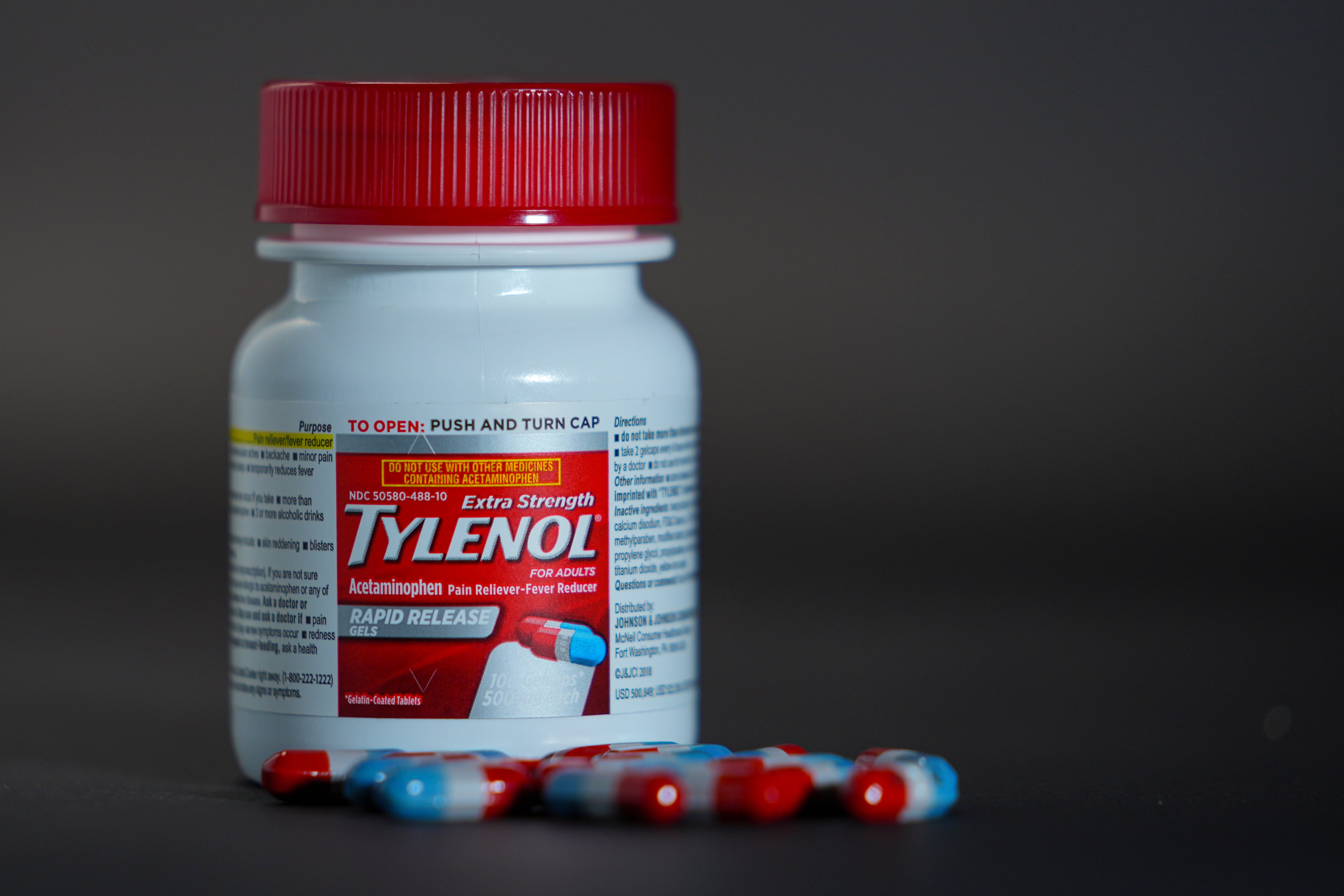
Shares of Tylenol maker Kenvue are bouncing back sharply before the opening bell a day after President Donald Trump promoted unproven and in some cases discredited ties between Tylenol, vaccines and autism. Trump told pregnant women not to use the painkiller around a dozen times during the White House news conference Monday. The drugmaker tumbled 7.5%. Shares have regained most of those losses early Tuesday in premarket trading.