*By Carlo Versano*
It has become a hallmark of the modern millennial: Babies? Maybe later. Fur babies? Absolutely.
Seven out of 10 members of the millennial generation own a pet at an average cost of around $1,000 per pet yearly.
Given that pets are increasingly treated as family members, more animal owners want to insure them against accidents and illness.
Indeed, the gross written premiums for pets in North America doubled ー from $575 million in 2013 to $1.15 billion in 2017, according to the National Association Pet Health Insurance Association.
Whether that's a smart use of funds is another question.
Jeff Blyskal, senior writer for the [Consumer's Checkbook](https://www.checkbook.org/), one of the original consumer review outlets, told Cheddar that pet insurance is often not worth the price.
"You're treating the pets like children, so you want to protect them," he acknowledged. But with premiums costing anywhere from $30 to $60 a month for mixed breed cats and dogs, the totals add up fast.
The average monthly cost to insure a dog against accident and illness is $45, according to NAPHIA, while the average monthly cost for a cat is $28.
Pure breeds, Blyskal noted, will cost far more as they are generally more prone to congenital diseases. A purebred Dogue de Bordeaux (think [Hooch](https://www.imdb.com/name/nm1212798/) from "Turner & Hooch") costs about $400 a month to insure.
Premiums will also skyrocket as your pet ages, Blyskal warns. That's why the [majority of U.S. veterinarians](https://www.checkbook.org/national/pet-insurance/articles/Is-Pet-Insurance-a-Smart-Purchase-7096) don't recommend it.
While accident and illness plans are most common, there's a growing market for wellness insurance for routine pet care. "It's really a waste of money," Blyskal said. If you're going to insure your pet, "buy insurance to protect against the unpredictable stuff."
Even then, you might be better off negotiating with your vet when the bill comes due, Blyskal said.
For full interview [click here](https://cheddar.com/videos/the-costs-and-benefits-of-pet-insurance).
CES 2024 starts this week in Las Vegas. It's set to feature swaths of the latest advances and gadgets across personal tech, transportation, health care, sustainability and more. Here's a list of the coolest announcements so far.
Astronauts will have to wait until next year before flying to the moon and another few years before landing on it. NASA on Tuesday announced the latest round of delays in its Artemis moon-landing program.
The Biden administration has enacted a new labor rule that aims to prevent the misclassification of workers as independent contractors. The labor department rule going into effect Tuesday replaces a scrapped Trump-era standard that lowered the bar for classifying employees as contractors
The KC-46 was to be the ideal candidate for a fixed-price development program. Instead, it has cost Boeing billions, and made industry wary of such deals.
Dave Long, CEO and Co-Founder of Orangetheory Fitness joins Cheddar to chat trends in the industry for 2024. He updates us on the company's plans to expand and what the state of the economy has meant for business.
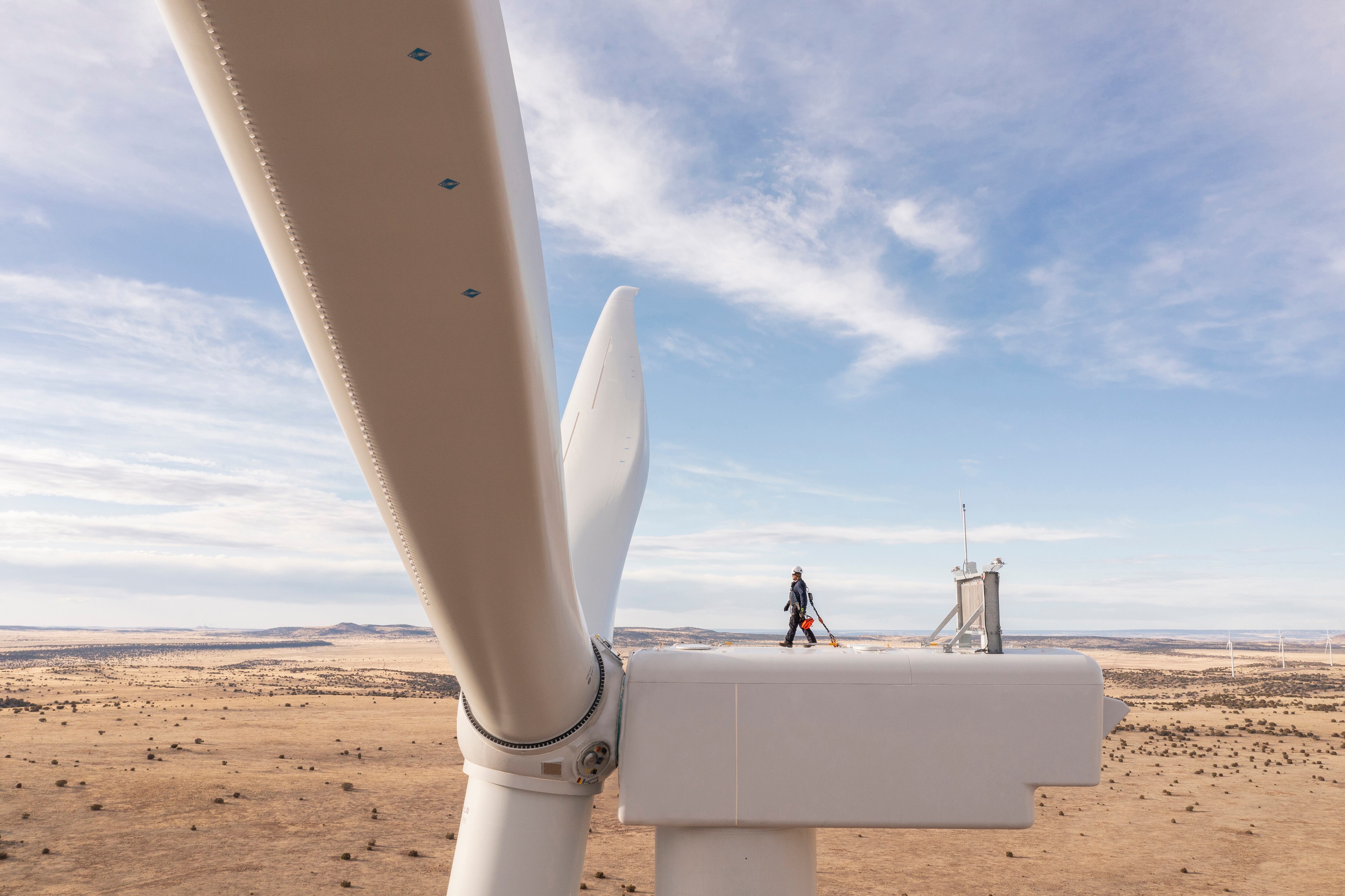
One of the world's largest renewable energy developers will be getting hundreds of wind turbines from General Electric spinoff GE Vernova as part of a record equipment order and long-term service deal.
A moon landing attempt by a private US company appears doomed because of a fuel leak on the newly launched spacecraft. Astrobotic Technology managed to orient the lander toward the sun Monday so its solar panel could capture sunlight and charge its onboard battery.
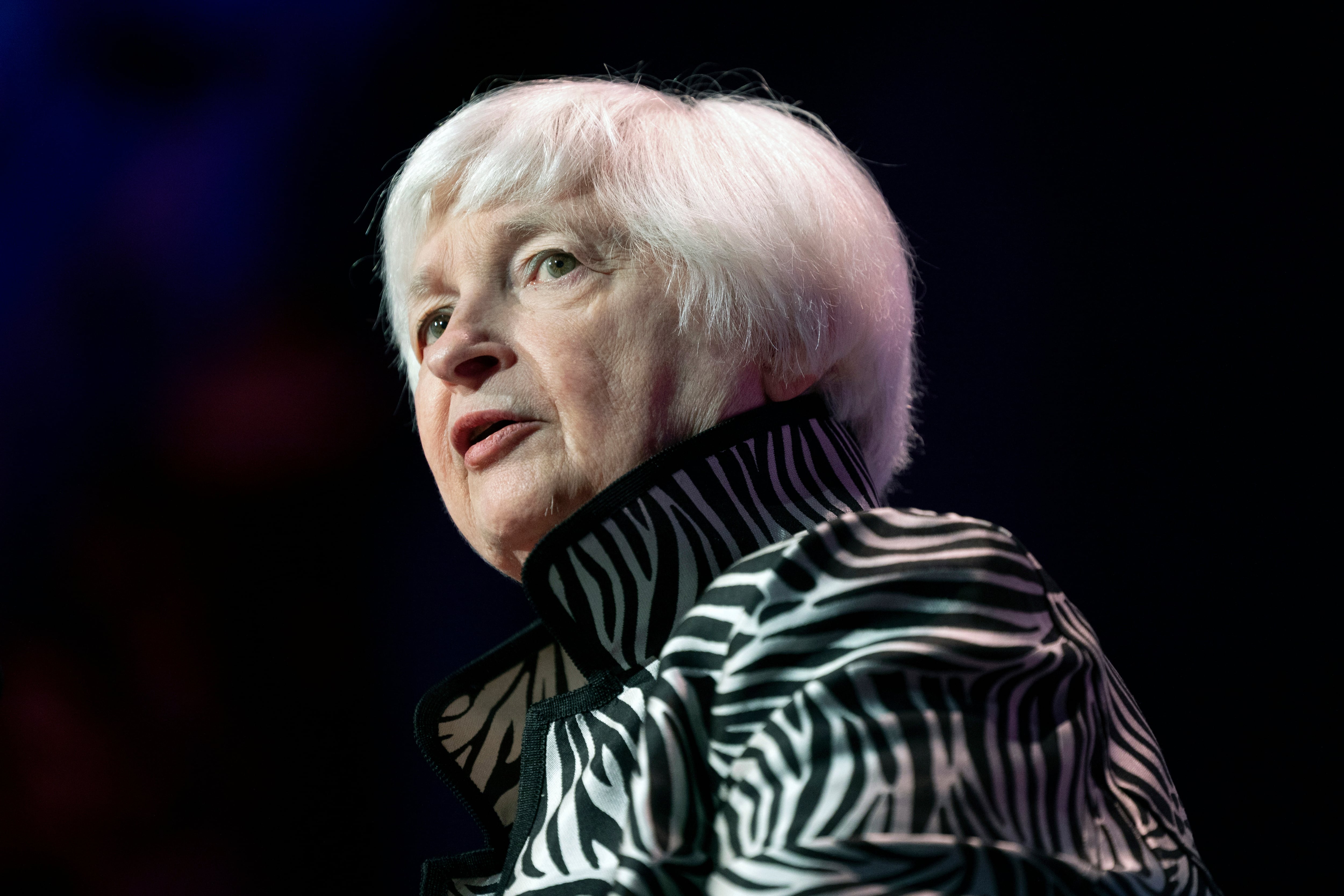
Treasury Secretary Janet Yellen has announced that 100,000 businesses have signed up for a new database that collects ownership information intended to help unmask shell company owners. Yellen says the database will send the message that “the United States is not a haven for dirty money.”