Disney and Fox on Wednesday announced they'd reached a new merger deal, after the media giant raised its offer for the assets of 21st Century Fox by about 35 percent.
Disney will now pay $38 a share in cash or stock, compared to the original all-stock offer of $28. That values the assets at $71.3 billion.
In a statement Fox called the deal "superior" to the $65 billion all-cash bid made by Comcast last week.
But not everyone thinks Disney would benefit from an acquisition. Research firm Pivotal cut its rating on the stock from "hold" to "sell" earlier this week, saying the company finds itself in a lose-lose situation. If it raises its bid and wins the battle, that ultimately reduces the value it gets out of any deal. At the same time, if it loses its bid, it won't benefit from the synergies it was hoping to achieve.
The two suitors are vying for properties that include Fox's TV and film studios, with rights to franchises like *X-Men*, *Avatar*, and *Simpsons*; its stake in Hulu; stakes in international outlets like India's Star TV and the UK's Sky; and cable channels including FX and National Geographic.
Fox's board of directors are scheduled to consider Comcast's offer at a meeting on Wednesday. The company postponed those discussions to give shareholders a chance to examine the new deal.
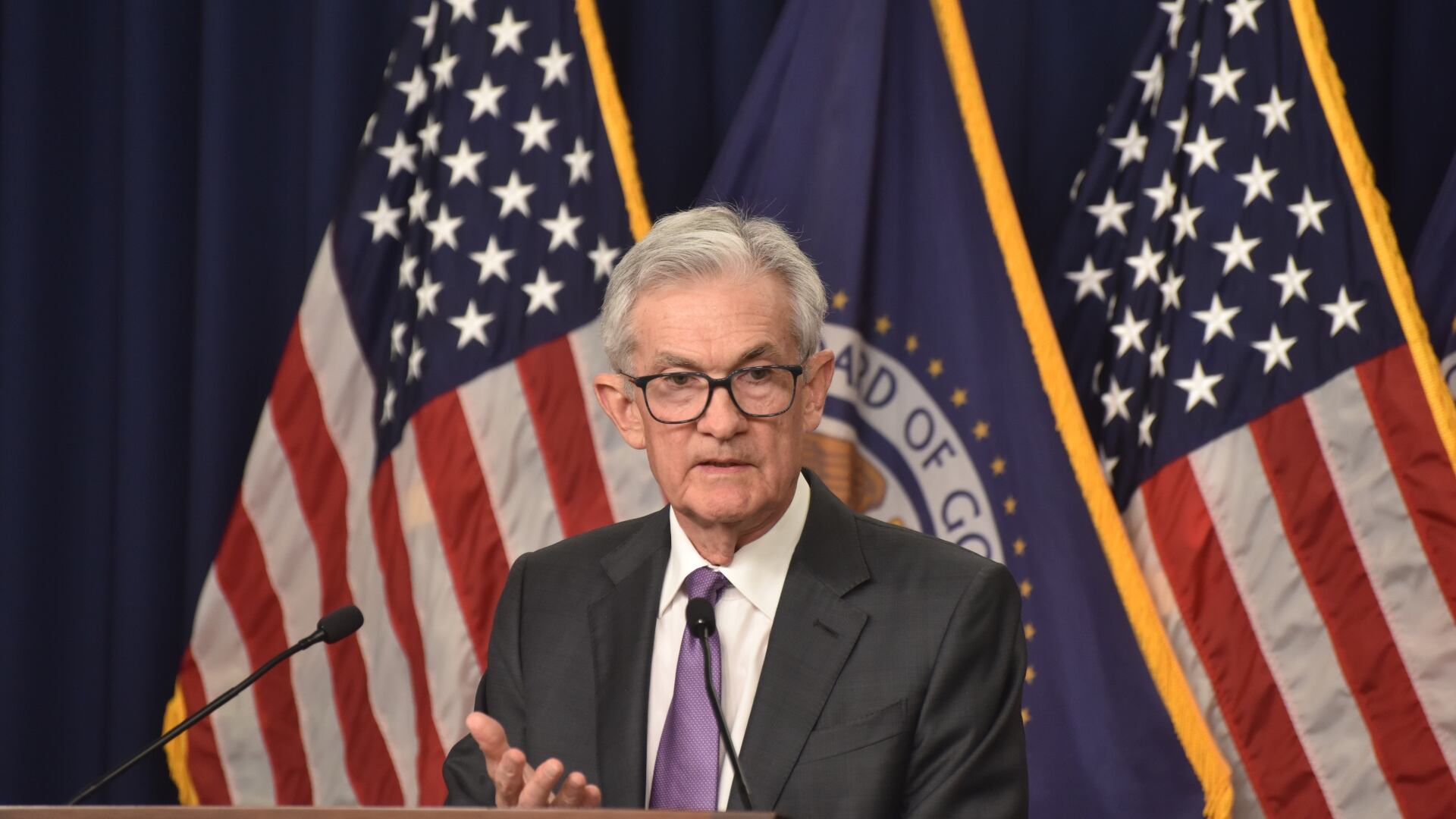
Alexander Reed, CFA and CIO for Envisage Wealth, breaks down why he thinks rates could stay higher for longer and why real estate, utilities, and regional banks are sectors to avoid.
Big brands that have relied on TikTok videos to reach younger consumers do not appear to be panicking as they wait to see what happens. But they have started planning.
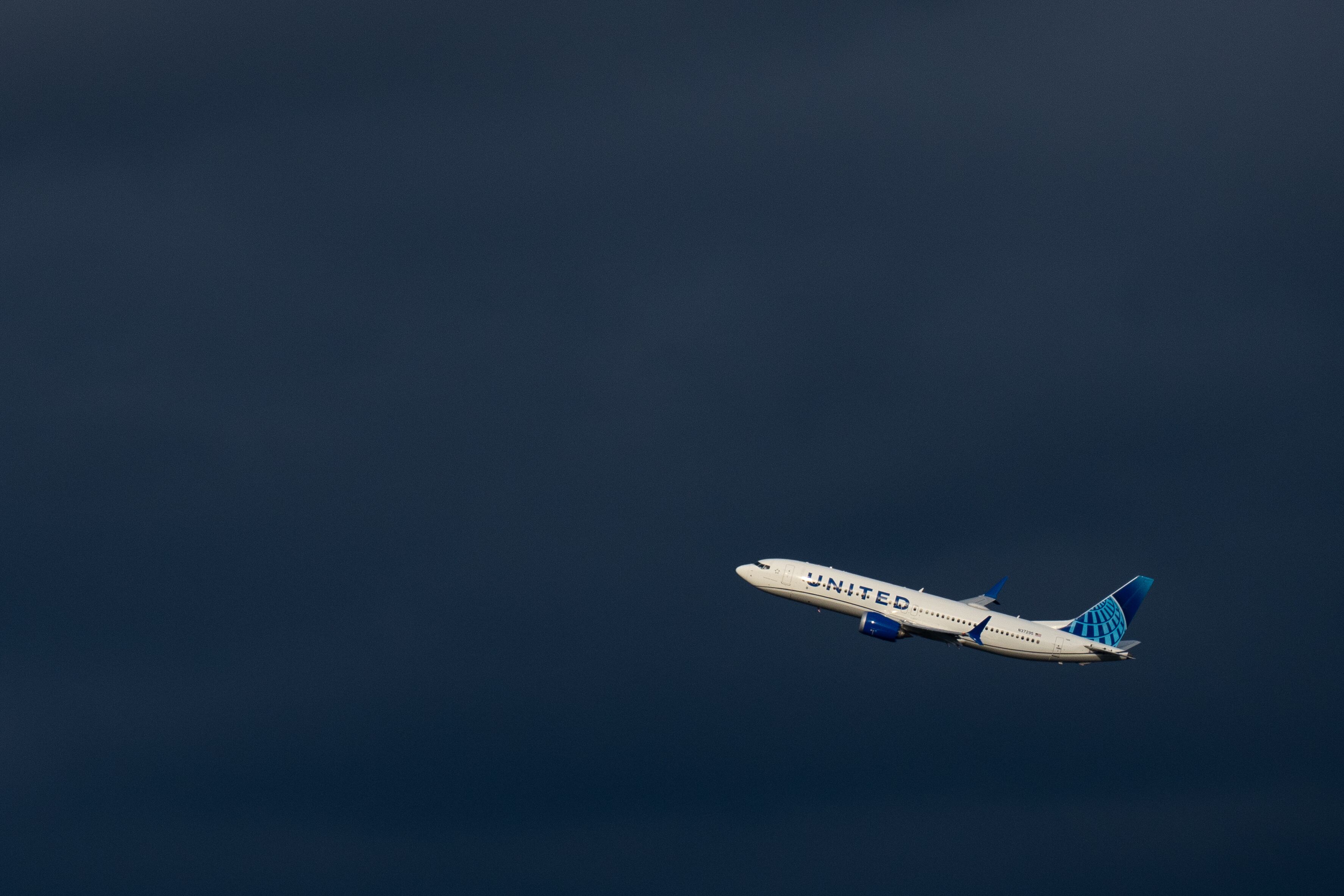
It's been 15 years since the last fatal crash of a U.S. airliner, but you wouldn't know that from a torrent of flight problems that made news in the last three months.
Abortion opponents want the high court to ratify a ruling from a conservative federal appeals court that would limit access to a medication called mifepristone, which was used in nearly two-thirds of abortions last year.
Annie Chechitelli, chief product officer at Turnitin, breaks down how students and teachers alike can learn from artificial intelligence – while still maintaining academic integrity.
Neiman Marcus Group CEO Geoffroy van Raemdonck talks luxury shopping and TikTok, why the company prefers to be private for now, and the benefits of flexible work arrangements.
Rebecca Walser, founder and CEO of Walser Wealth Management, discusses how geopolitical conditions, the bifurcated economy, and other volatility could weigh on markets.