Dippin' Dots, the colorful beaded ice cream found in many amusement parks and malls, was snatched out of bankruptcy in 2012 and CEO Scott Fischer says moves to diversify the company's offerings have been paying off in some unexpected ways.
After acquiring the company he began focusing on ways to diversify the brand by at least 10 percent a year. That led the sweets company to a new market: plant-based foods.
In 2018, the company launched Dippin' Dots Cryogenics which licenses its cryogenic technology to markets outside of frozen desserts. This tech caught the eye of meat alternative companies and fast growth in the sector now has Dippin' Dots building a new manufacturing facility just for plant-based.
On CBS's Undercover Boss, Fischer got a makeover in order to work in low-level Dippin' Dots positions undetected and gain an understanding of the inner workings of the company. He told Cheddar it was interesting to see how the successes he's seen on paper, especially in the cryogenics division, have translated to the real-world workplace.
"We have these two segments of business, and that type of growth requires infrastructure, requires new management, staffing of employees and to see those types of growth pains was pretty evident and educational too," Fischer said.
He also hasn't lost sight of growth opportunities for the brand's eponymous frozen treats. Fischer notes the addition of prepackaged Dippin' Dots cups that appeal to consumers on the go.
"It really provides for the impulse market, the grab-and-go market and you will see those a lot more in convenience stores and grocery stores," Fischer said.
As Fischer noted that the company has grown to $300 million in retail sales and expanded internationally since his acquisition, he said he does not intend on taking the company public anytime soon. "We really don't need public money at this time," he explained.
As for his time filming the reality TV show, which airs Wednesday, Fischer says the unbiased opinions he received were particularly special. "It was really encouraging to me to see that type of love of the brand and product, expressed to me without people knowing who I am."
Stephen Kates, Financial Analyst at Bankrate, joins to discuss the Fed’s 25-basis-point rate cut, inflation risks, and what it all means for consumers and marke
Big tech earnings take center stage as investors digest results from Alphabet, Meta, Microsoft, Amazon, and Apple, with insights from Gil Luria of D.A. Davidson
Disney content has gone dark on YouTube TV, leaving subscribers of the Google-owned live streaming platform without access to major networks like ESPN and ABC. That’s because the companies have failed to reach a new licensing deal to keep Disney channels on YouTube TV. Depending on how long it lasts, the dispute could particularly impact coverage of U.S. college football matchups over the weekend — on top of other news and entertainment disruptions that have already arrived. In the meantime, YouTube TV subscribers who want to watch Disney channels could have little choice other than turning to the company’s own platforms, which come with their own price tags.
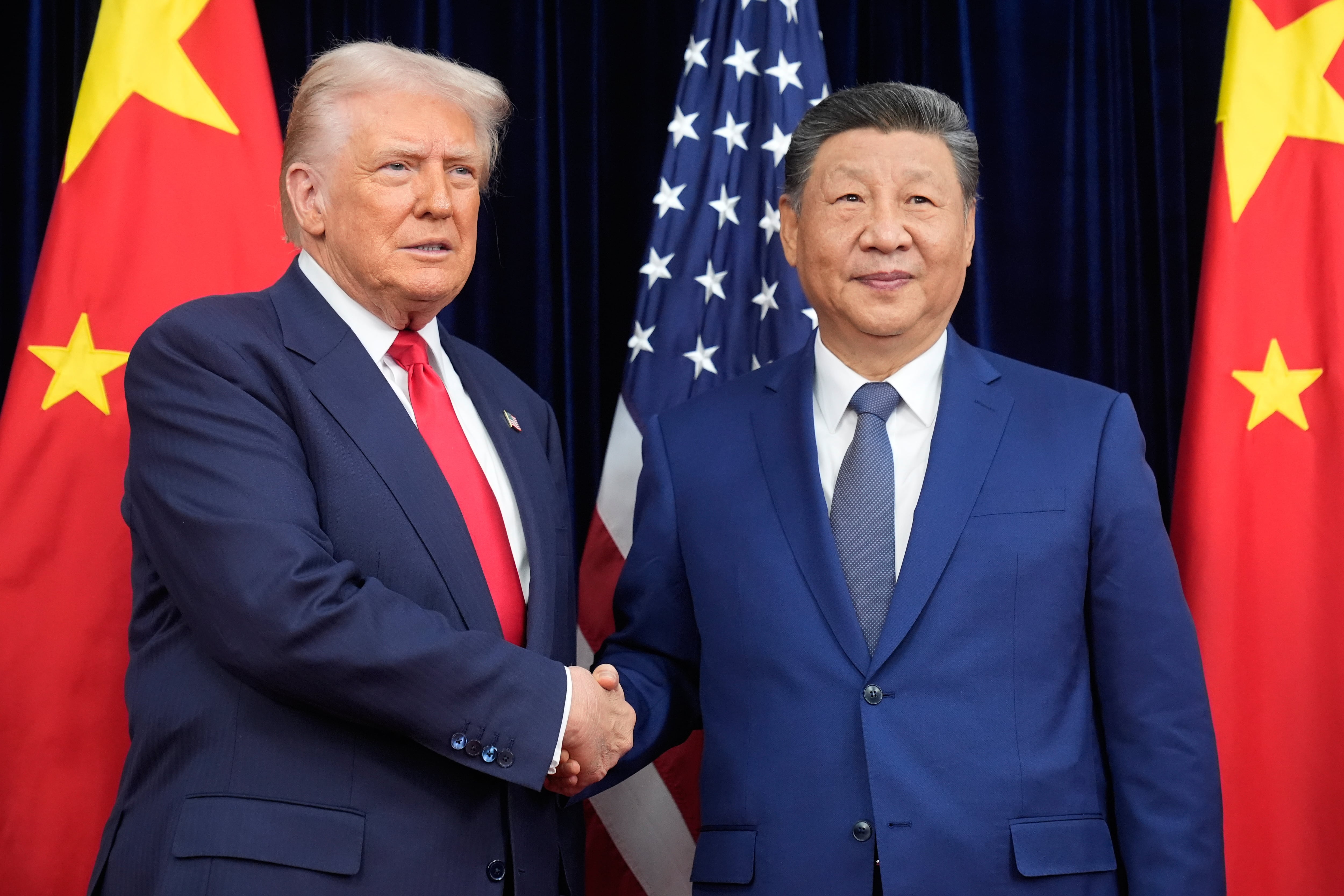
President Donald Trump said he has decided to lower his combined tariff rates on imports of Chinese goods to 47% after talks with Chinese leader Xi Jinping on curbing fentanyl trafficking.
Universal Music Group and AI platform Udio have settled a copyright lawsuit and will collaborate on a new music creation and streaming platform. The companies announced on Wednesday that they reached a compensatory legal settlement and new licensing agreements. These agreements aim to provide more revenue opportunities for Universal's artists and songwriters. The rise of AI song generation tools like Udio has disrupted the music streaming industry, leading to accusations from record labels. This deal marks the first since Universal and others sued Udio and Suno last year. Financial terms of the settlement weren't disclosed.