After a year of delays, the Tokyo Olympics is finally here.
But the growth in streaming is expected to lower broadcast viewership numbers. About 27.5 million people tuned into the 2016 Rio Olympics each night during Primetime, and around 86 million households had a cable or satellite subscription that year. This time around, the Tokyo Olympics are at least 13 hours ahead of the U.S.' main broadcasting hours, and 11 percent fewer households still maintain their cable or satellite bundles. On top of this, NBC Sports is saving the live feed of several popular sports, including mens' and women's gymnastics and track and field, for its streaming service Peacock in order to drive viewers to the platform.
But despite the protests and concerns over safety during COVID-19, advertisers haven't stopped backing the Games. While sponsor Toyota announced it would pull its ads running in Japan during the Olympics, it is still moving forward with its plans in other countries. In fact, NBC Sports said it has at least 120 advertisers this year, 80 of which are brand new. It is expecting to bring in more than $1.2 billion in ad revenue, which was the last benchmark set by the 2016 Rio Olympics.
"I think it shows a sensitivity to their specific region and a respect, which the Japanese people are known for, so I think it was the right thing to do," said Influencer marketing agency Takumi CMO Kristy Engels about Toyota.
"When you look at the other advertisers out of the major ad sponsors, no one else has pulled out to date so they're all sticking with their existing programs so you'll still see the Toyota ads running here in the U.S.," she added.
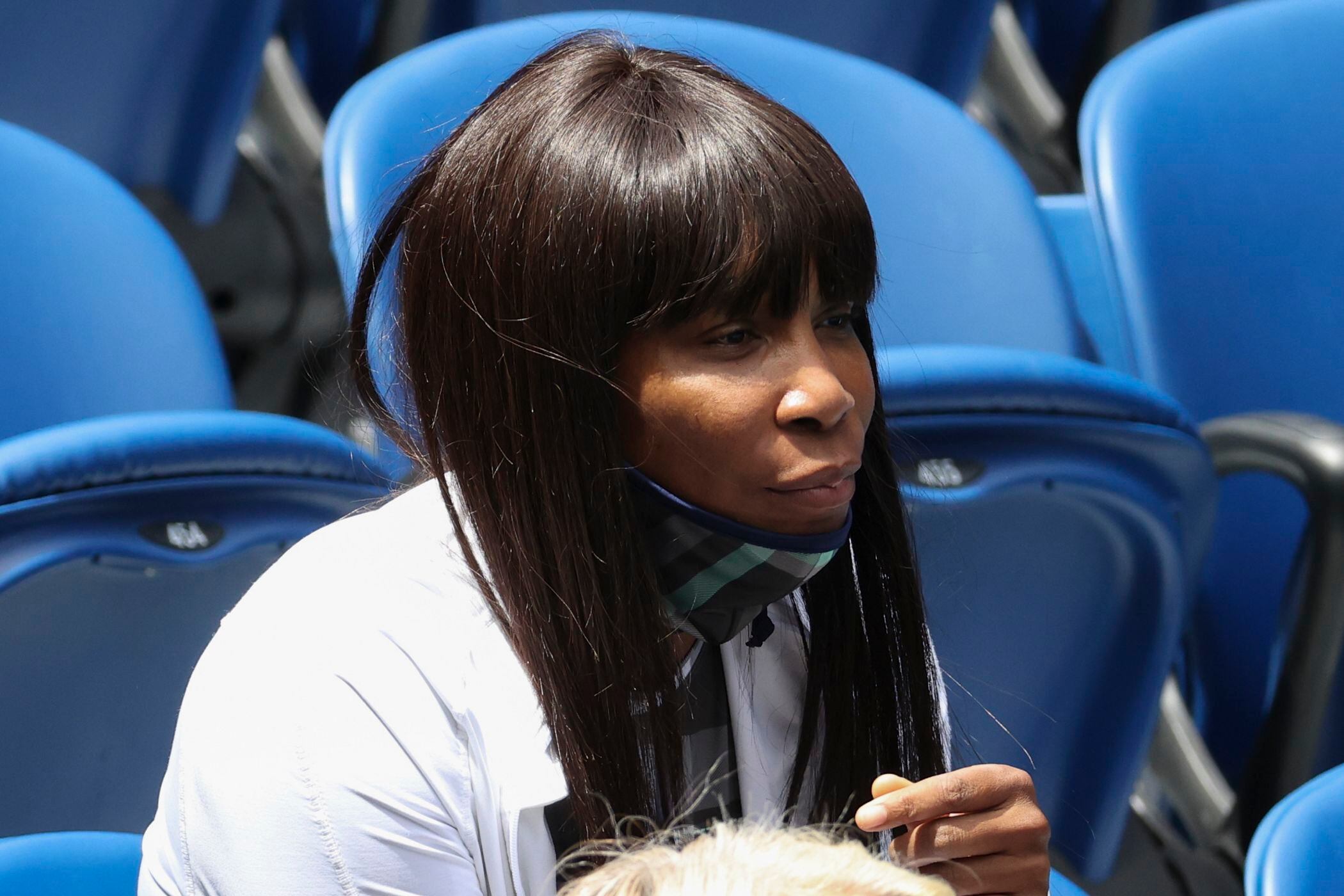
Along with other celebrities, Venus Williams is partnering with Delos' International WELL Building Institute in order to safely welcome back fans and attendees to live events.
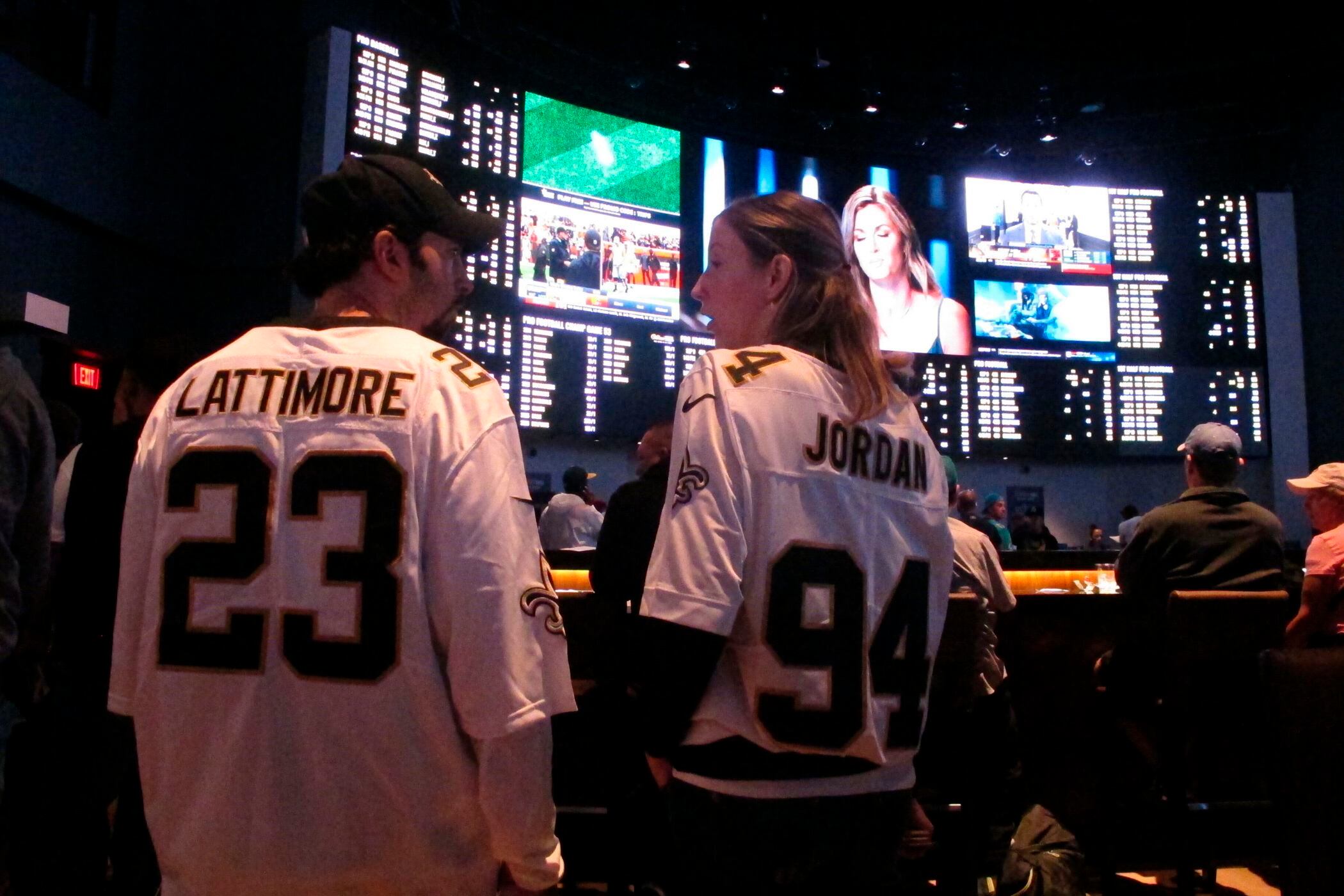
Ezra Kucharz, chief business officer at DraftKings, talked to Cheddar about the online sportsbook's deal with the NFL and the future of legal sports gambling in the U.S.
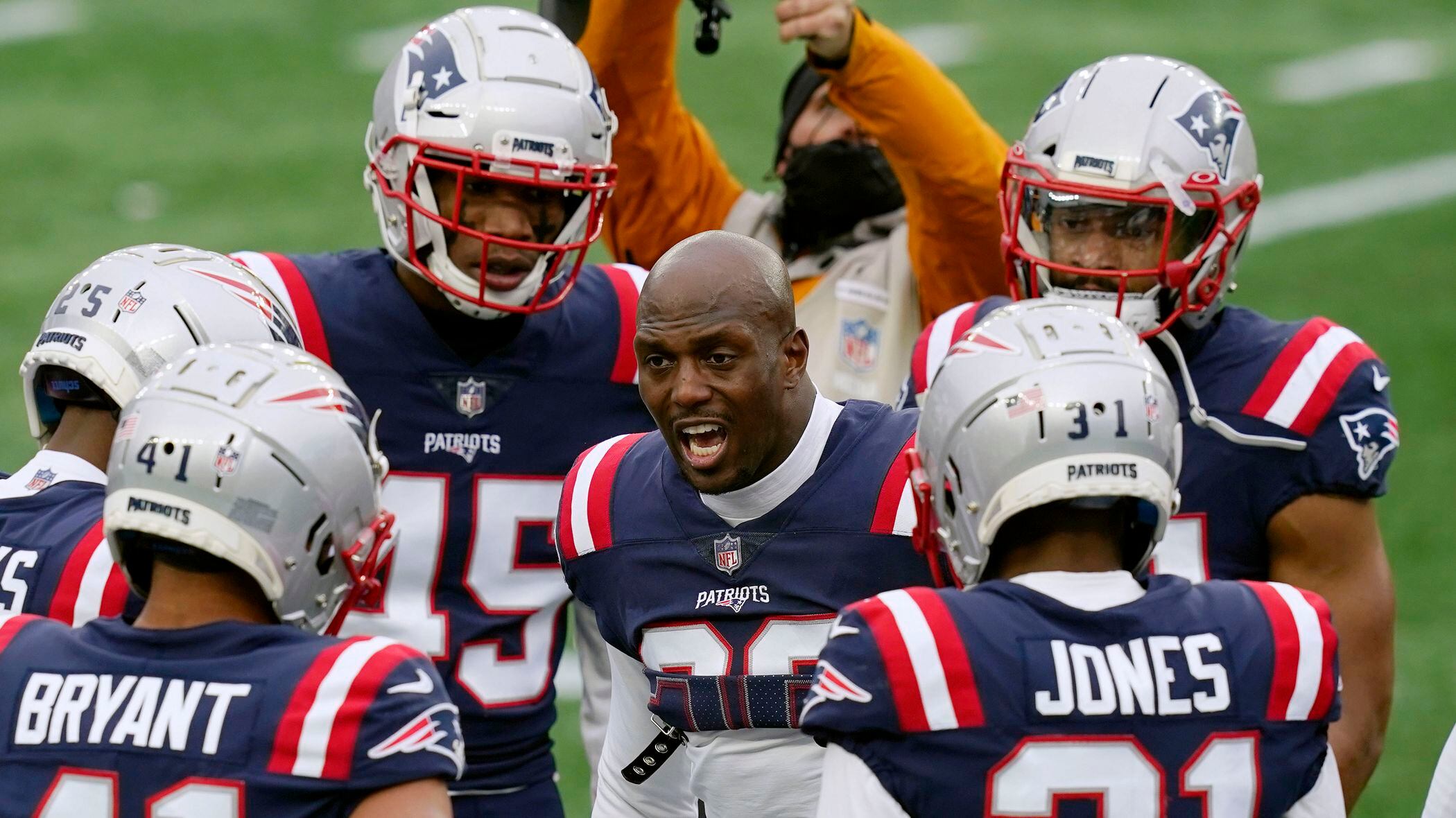
New England Patriots Safety Devin McCourty and Broad Street Ventures president, Ralonda Johnson, joined Cheddar to discuss the VC firm's mission to educate athletes and Black and brown investors to expand their financial options.
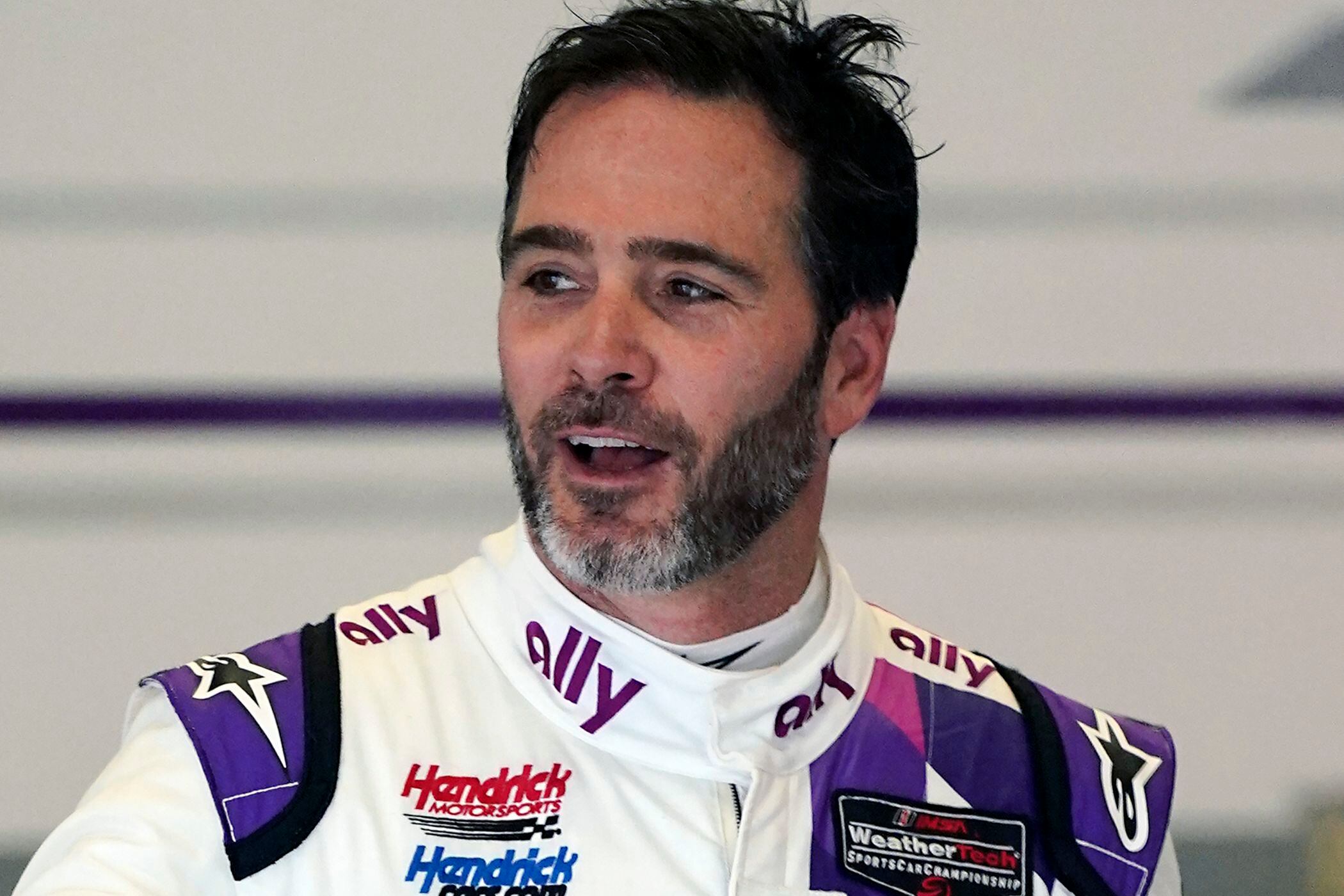
Former NASCAR legend Jimmie Johnson spoke to Cheddar about tackling his childhood dream on the IndyCar circuit.
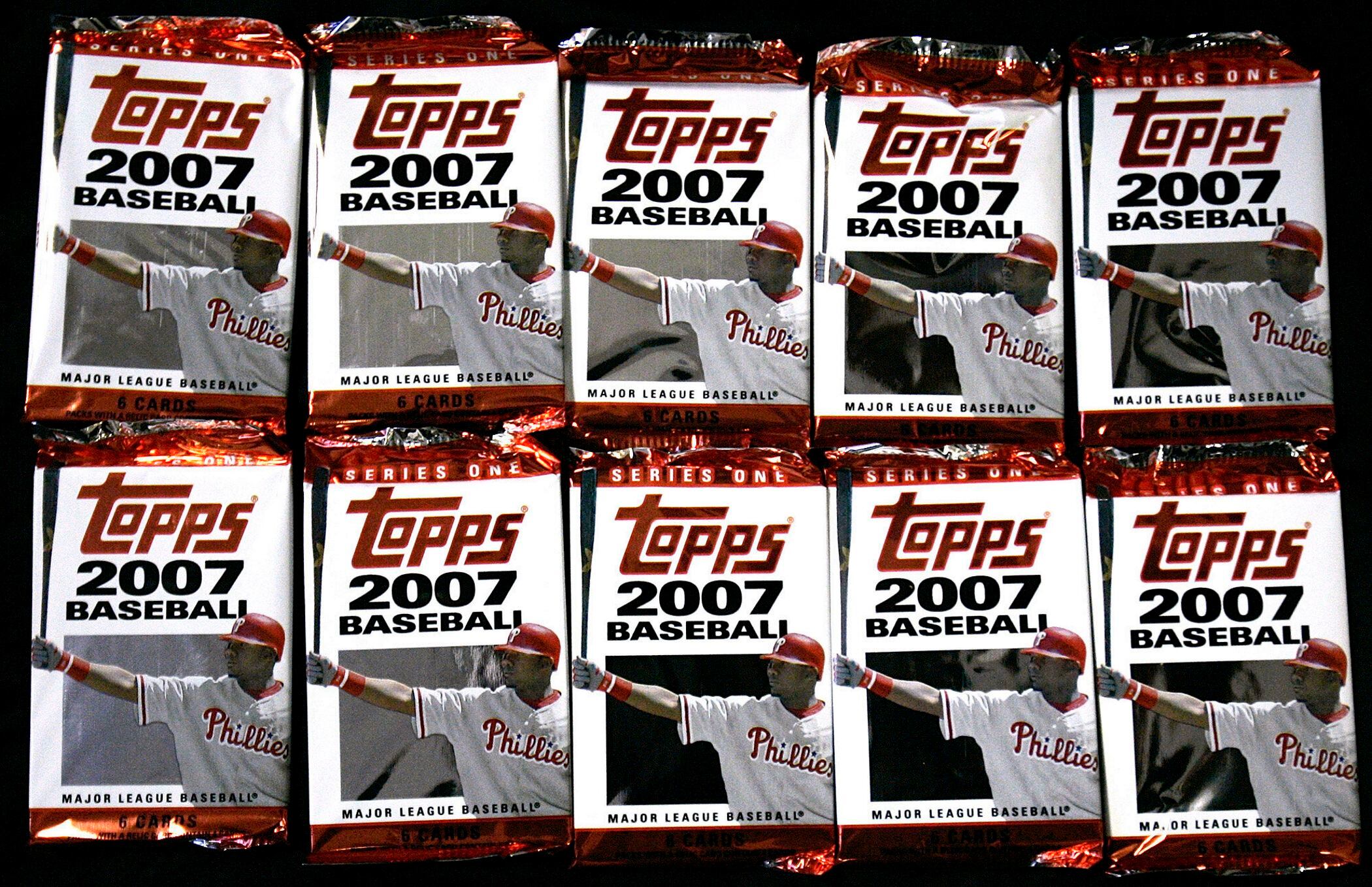
Sports trading card company Topps is combining with a special purposes acquisition company in a deal valued at $1.3 billion and seeking a public listing. Topps Co.
Major League Baseball has moved the All-Star Game from Atlanta’s Truist Park, a response to Georgia enacting a new law last month restricting voting rights.
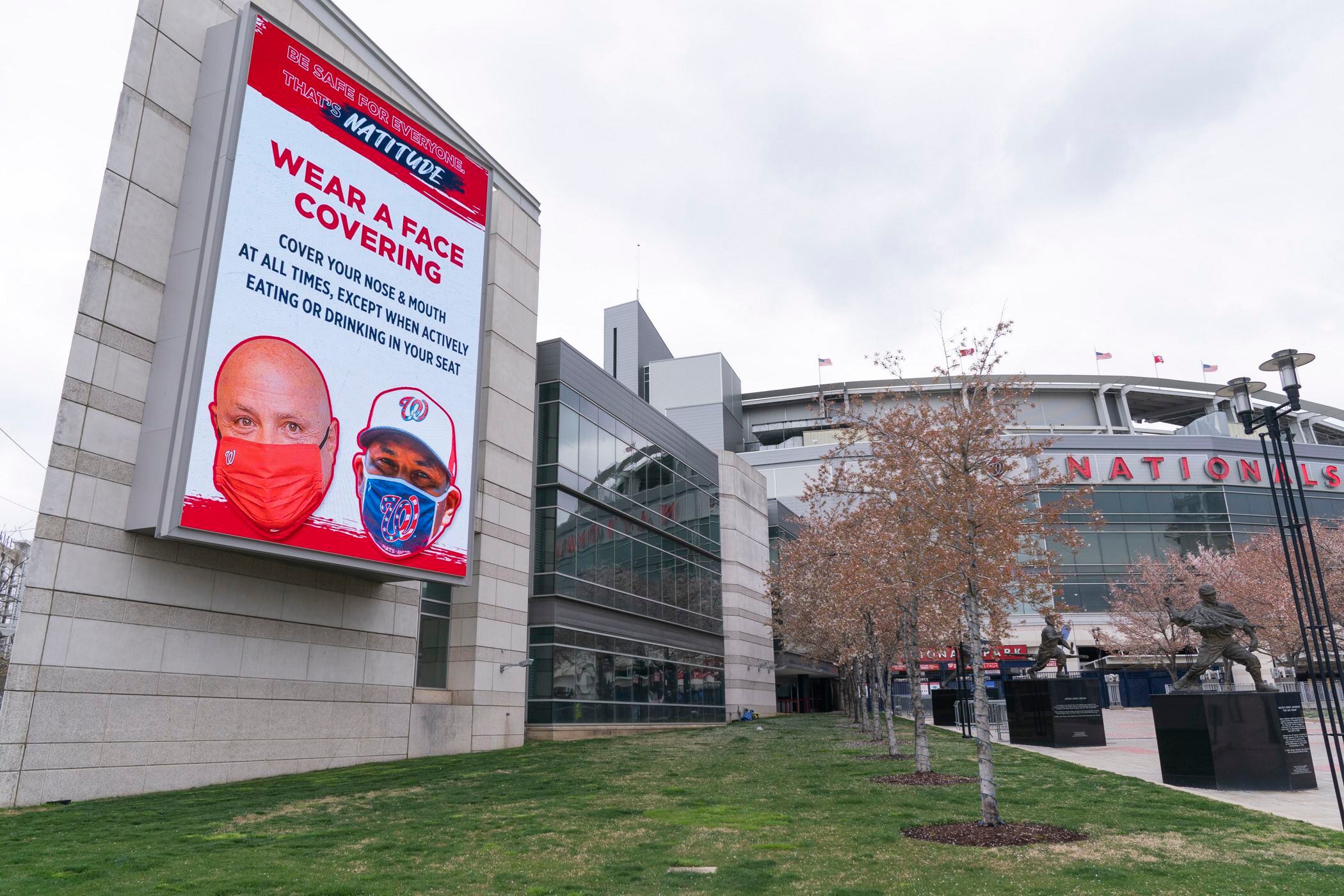
Chris Marinak, Major League Baseball's chief operations and strategy officer, talked to Cheddar about health protocols for the 2021 season to avoid much of the toll COVID-19 took on the league last season.
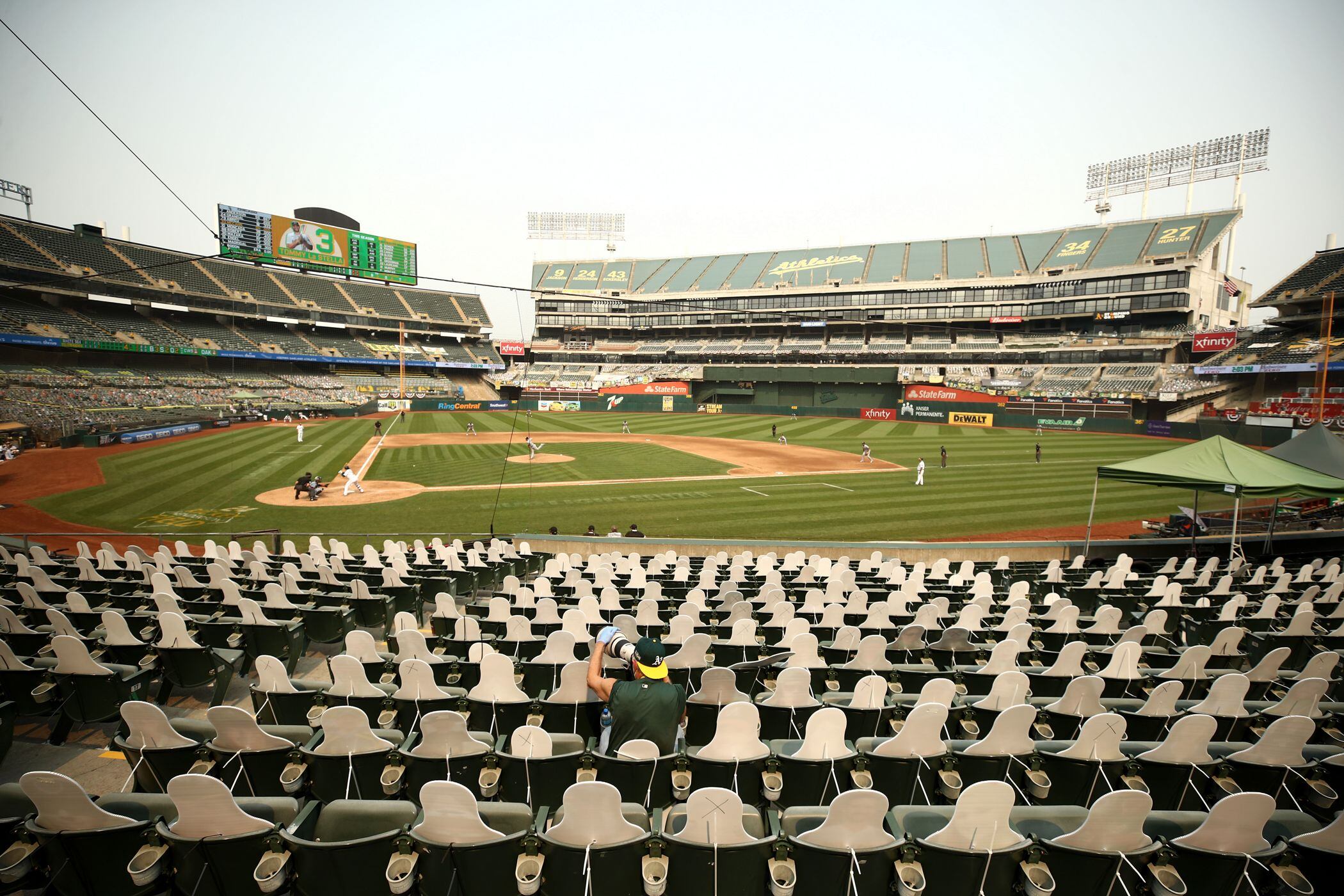
David Kaval, president of the Oakland Athletics, talked to Cheddar about accepting bitcoin as payment for suites during baseball games at RingCentral Coliseum.
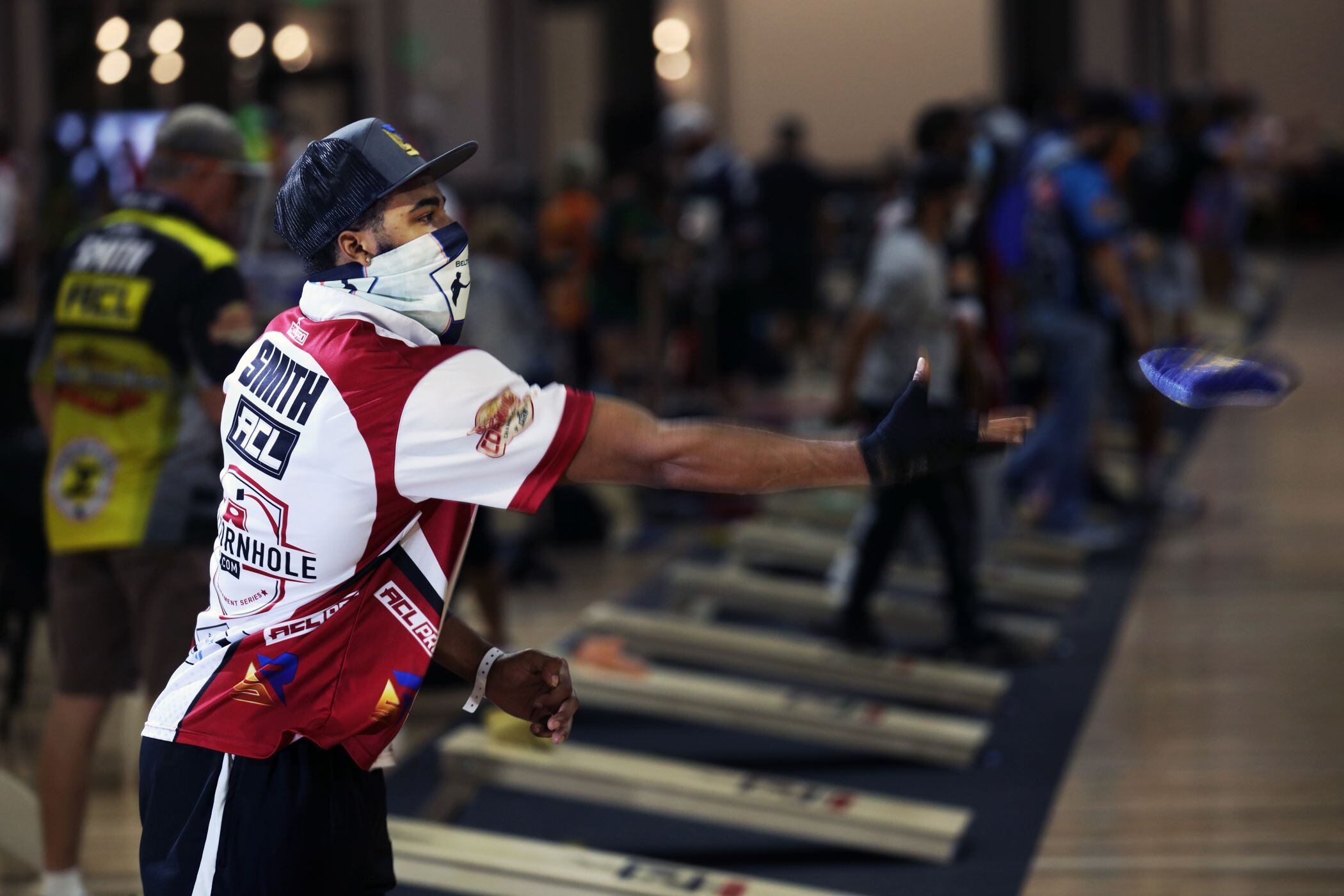
American Cornhole League co-founder and commissioner Stacey Moore spoke to Cheddar about partnering with sports betting giant DraftKings and touted the players in one of the newer televised sports to gain in popularity.
From Wall Street to Silicon Valley, these are the top stories that moved markets and had investors, business leaders, and entrepreneurs talking this week on Cheddar.