After a year of delays, the Tokyo Olympics is finally here.
But the growth in streaming is expected to lower broadcast viewership numbers. About 27.5 million people tuned into the 2016 Rio Olympics each night during Primetime, and around 86 million households had a cable or satellite subscription that year. This time around, the Tokyo Olympics are at least 13 hours ahead of the U.S.' main broadcasting hours, and 11 percent fewer households still maintain their cable or satellite bundles. On top of this, NBC Sports is saving the live feed of several popular sports, including mens' and women's gymnastics and track and field, for its streaming service Peacock in order to drive viewers to the platform.
But despite the protests and concerns over safety during COVID-19, advertisers haven't stopped backing the Games. While sponsor Toyota announced it would pull its ads running in Japan during the Olympics, it is still moving forward with its plans in other countries. In fact, NBC Sports said it has at least 120 advertisers this year, 80 of which are brand new. It is expecting to bring in more than $1.2 billion in ad revenue, which was the last benchmark set by the 2016 Rio Olympics.
"I think it shows a sensitivity to their specific region and a respect, which the Japanese people are known for, so I think it was the right thing to do," said Influencer marketing agency Takumi CMO Kristy Engels about Toyota.
"When you look at the other advertisers out of the major ad sponsors, no one else has pulled out to date so they're all sticking with their existing programs so you'll still see the Toyota ads running here in the U.S.," she added.
Jill is joined by Baker Machado to talk all things infrastructure: where will the money go and who’s in charge? Plus, Sesame Street has its first Asian-American muppet. And a trailer for the trailer for Spiderman. Huh?
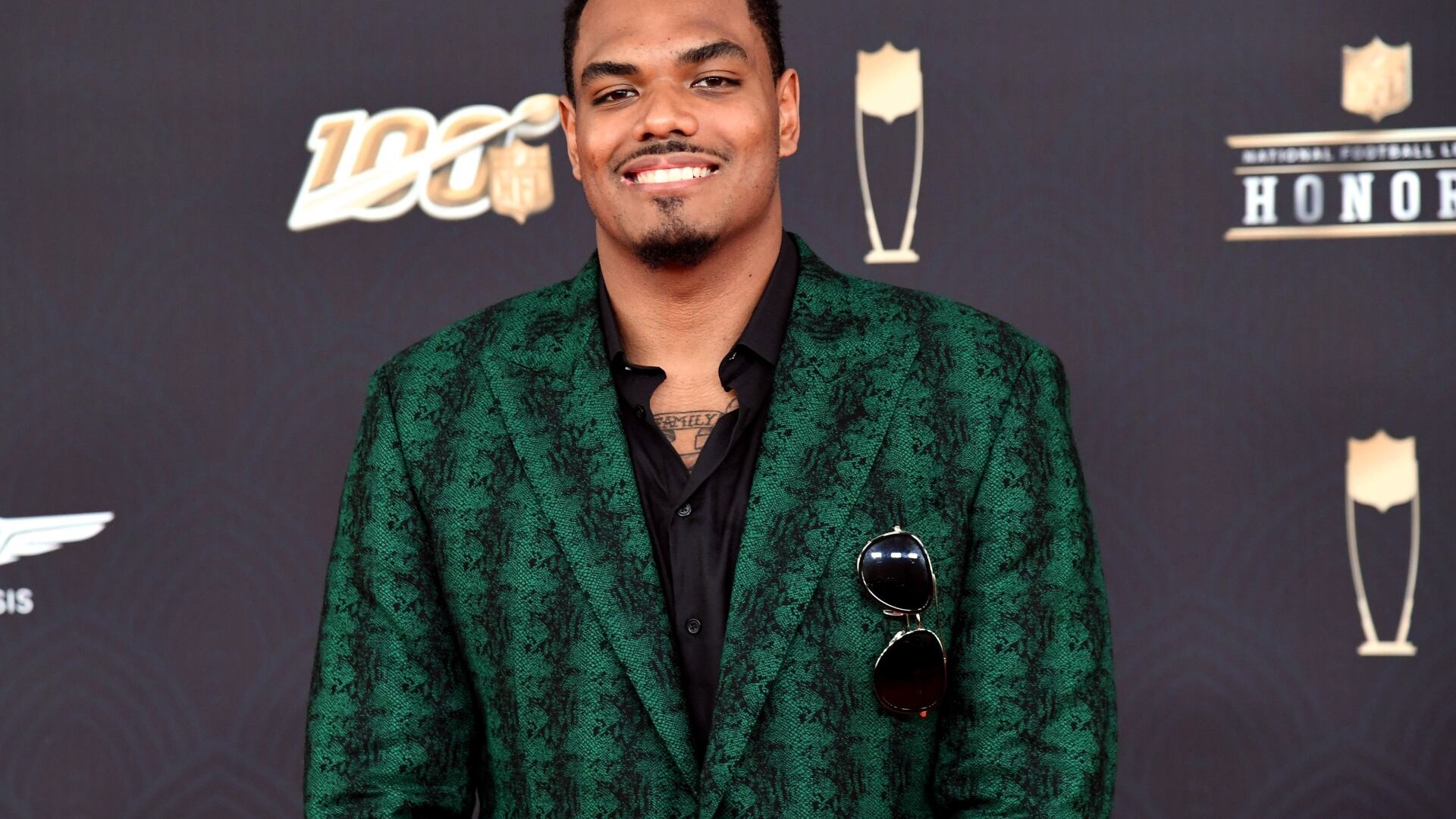
All-Pro Baltimore Ravens offensive lineman Ronnie Stanley joins Cheddar News to discuss launching The Ronnie Stanley Foundation, whose mission is to improve the quality of life for rescue dogs, provide training that cultivates therapeutic properties, and match each rescue with an individual who has faced a challenge in life such as a chronic illness or emotional trauma.
Jill and Carlo cover the latest with the infrastructure bill, the growing state rebellion over boosters, Trump's dereliction of duty on the pandemic, Taylor Swift's reign of cultural domination and more.
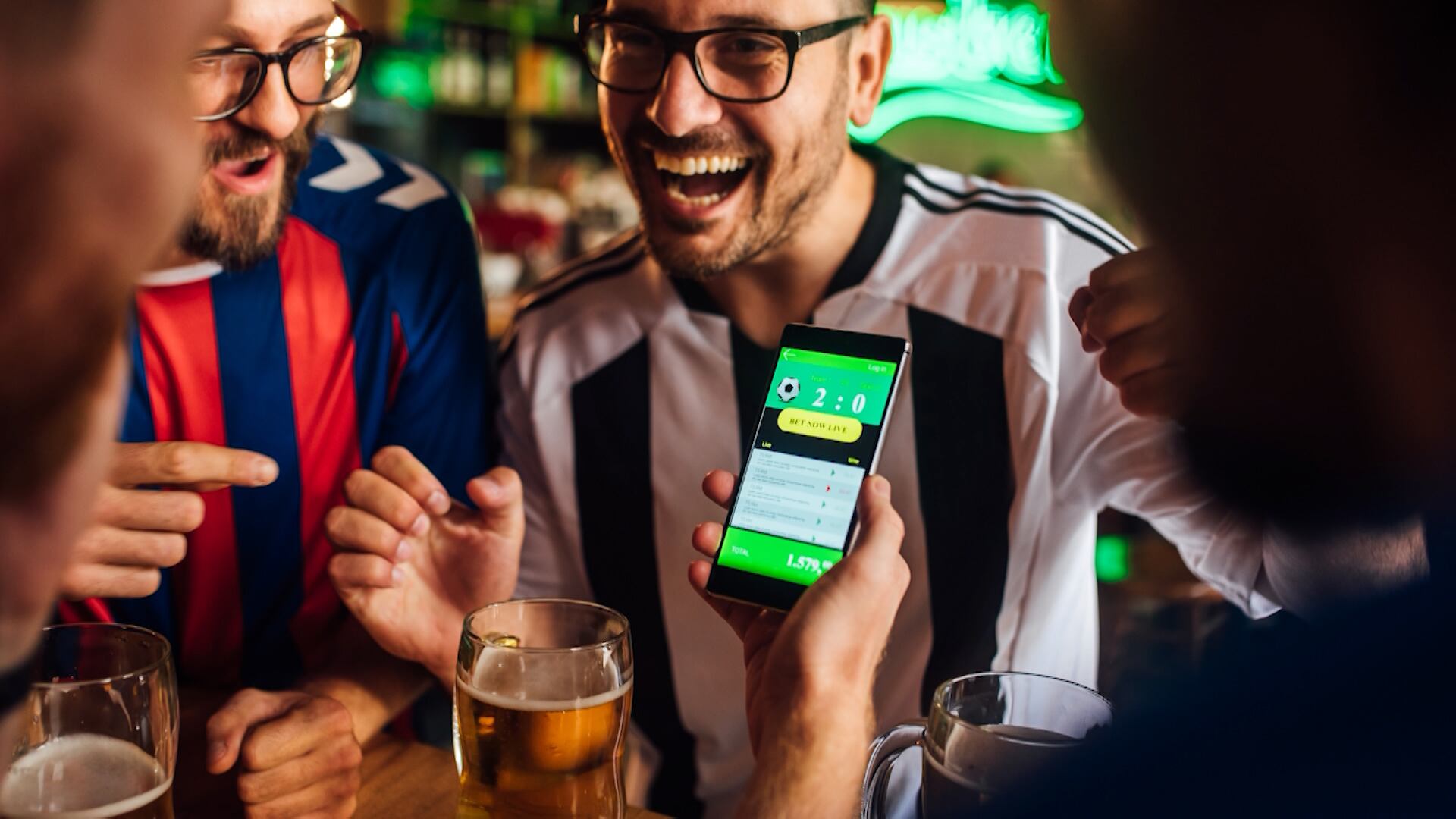
Earlier this week, New York's gaming commission approved nine mobile sports platforms to operate in the market, but each respective sportsbooks' revenue will be taxed at 51%, tied for the steepest rate in the country. Eben Novy-Williams, sports business reporter for Sportico, joins Cheddar News' Closing Bell where he breaks down the challenge sportsbooks face to be profitable in the region.
One NFL team says it is using data to help it win off the field. The Seattle Seahawks say they want to be a source of inspiration for other organizations that want to reap the rewards of a data-driven culture and aim to show the unlikely role data can play in professional sports operations. Seattle Seahawks Director of Business Strategy and Analytics Paimon Jaberi joins Cheddar News' Closing Bell to discuss.
Mark Drumheller, Betting Analyst for the Sharp App, tells viewers who to back in a pair of key college football matchups and shares who to put your Heisman bets in for before it's too late.
Sponsored by BetMGM
Martin Weiss, Extra Points Podcast Network Host and Gambling Personality, provides his betting insight on what to expect for the remainder of the NFL season and doles out some NFL Mid-Season Awards.
Sponsored by BetMGM
BetMGM host Olivia Harlan Dekker joins Cheddar Bets to break down a week with massive implications for the AFC Playoff picture. Plus: the debut of Olivia's Weekend Portfolio.
Sponsored by BetMGM
A jam-packed Freitag pod with Carlo and Baker: new Covid hotspots, Kyle Rittenhouse trial, Belarus making trouble for Europe, red-hot housing market, and how to manage a PR crisis the right way.