After a year of delays, the Tokyo Olympics is finally here.
But the growth in streaming is expected to lower broadcast viewership numbers. About 27.5 million people tuned into the 2016 Rio Olympics each night during Primetime, and around 86 million households had a cable or satellite subscription that year. This time around, the Tokyo Olympics are at least 13 hours ahead of the U.S.' main broadcasting hours, and 11 percent fewer households still maintain their cable or satellite bundles. On top of this, NBC Sports is saving the live feed of several popular sports, including mens' and women's gymnastics and track and field, for its streaming service Peacock in order to drive viewers to the platform.
But despite the protests and concerns over safety during COVID-19, advertisers haven't stopped backing the Games. While sponsor Toyota announced it would pull its ads running in Japan during the Olympics, it is still moving forward with its plans in other countries. In fact, NBC Sports said it has at least 120 advertisers this year, 80 of which are brand new. It is expecting to bring in more than $1.2 billion in ad revenue, which was the last benchmark set by the 2016 Rio Olympics.
"I think it shows a sensitivity to their specific region and a respect, which the Japanese people are known for, so I think it was the right thing to do," said Influencer marketing agency Takumi CMO Kristy Engels about Toyota.
"When you look at the other advertisers out of the major ad sponsors, no one else has pulled out to date so they're all sticking with their existing programs so you'll still see the Toyota ads running here in the U.S.," she added.
The luger became the first American to snag a medal in his event, and he says the win has given him a host of privileges that were previously unavailable to him.
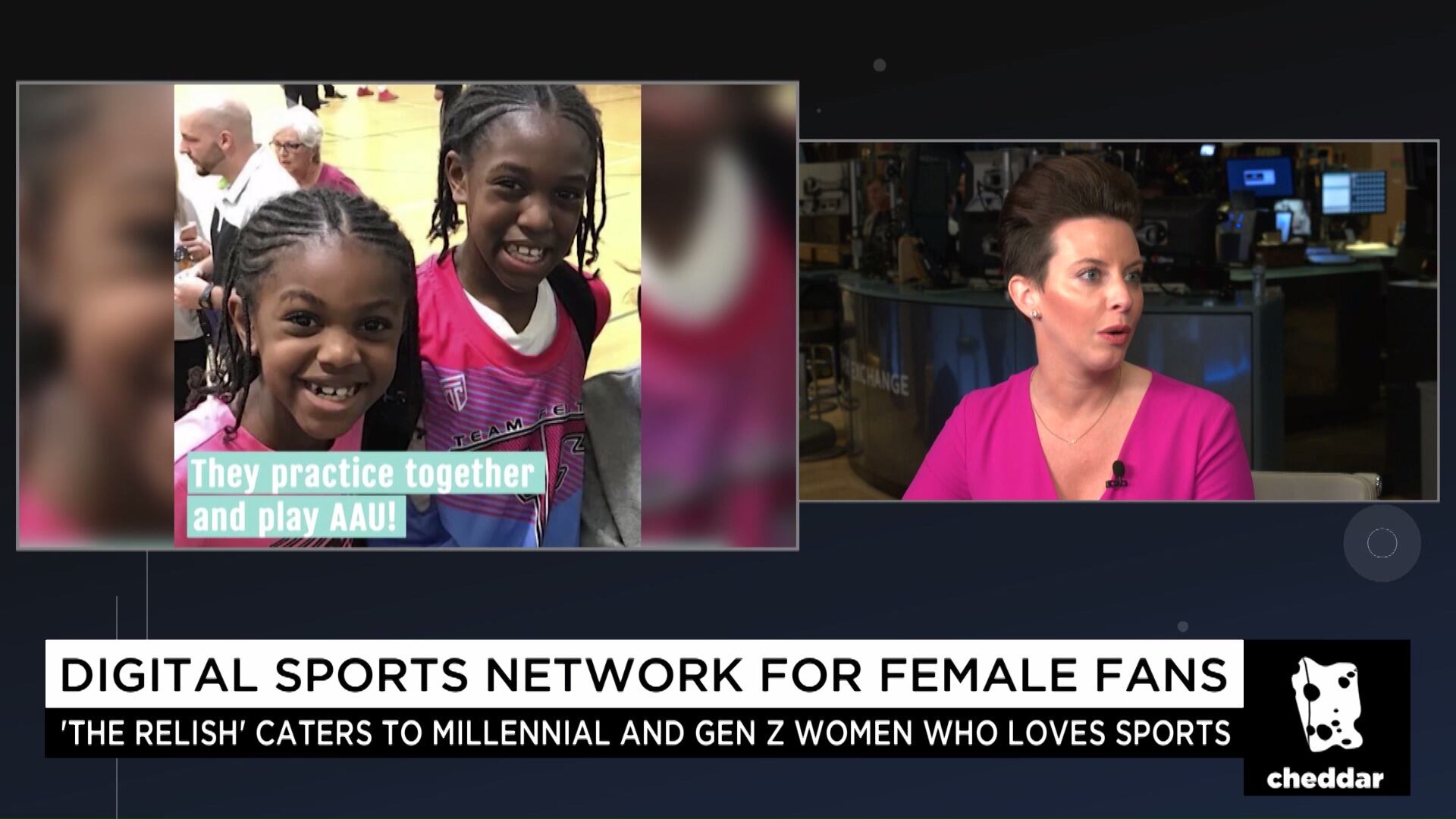
"The Relish" is a digital sports network for women focusing on social content. The network reaches around 10 million millennial women each month.
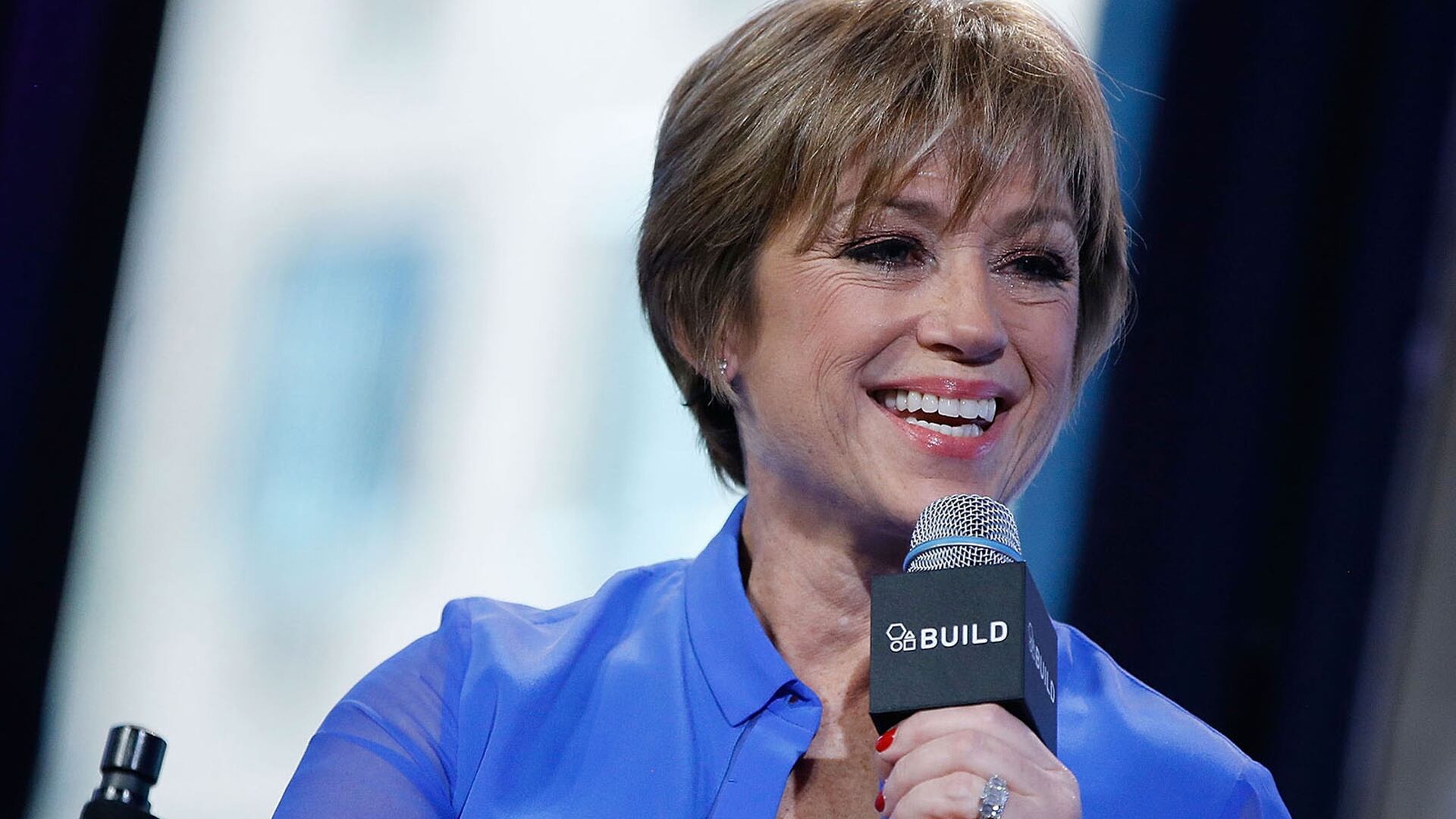
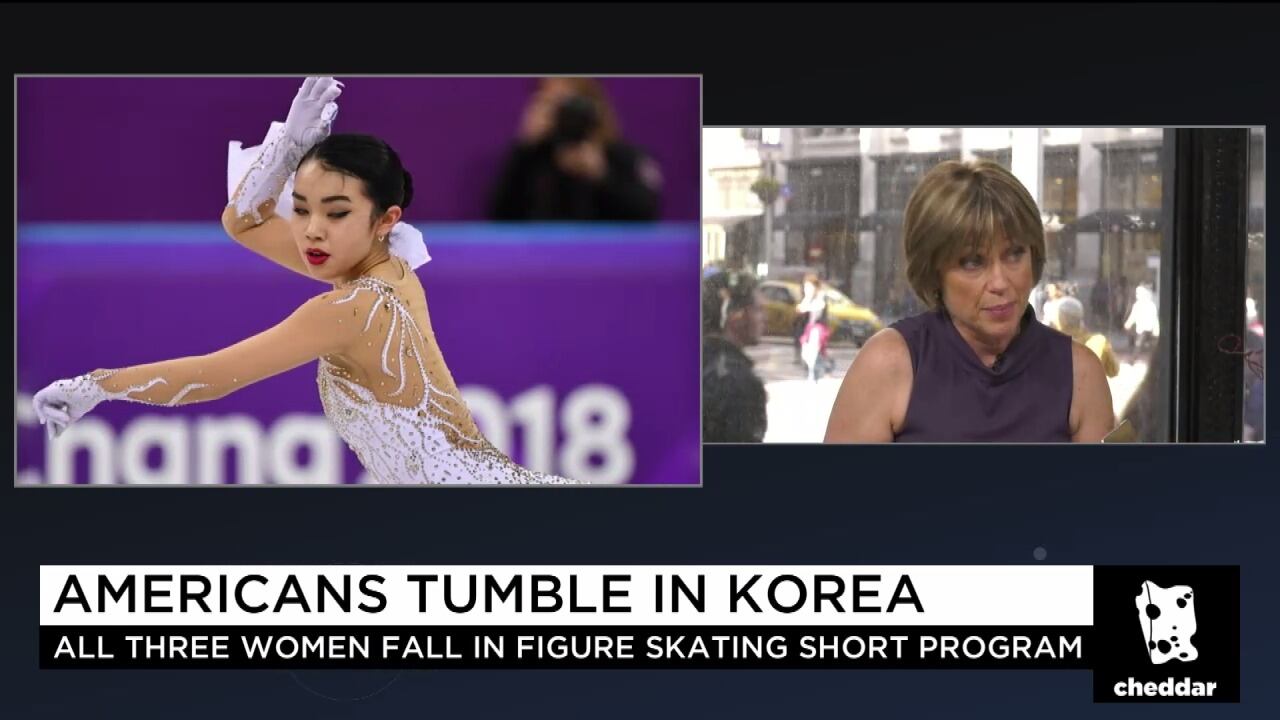
The American women are having a rough Olympics in the figure skating rink. All three American competitors fell in the women's individual short program. It's a sharp turn from the years when American women landed on the podium year after year. Olympic gold medalist Dorothy Hamill explains why things have been more difficult for the Americans this time around.
On Between Bells: Talking to kids about gun violence, Dallas Mavericks under fire, restaurant servers fight tip-pooling laws, and more. With Eater, Parents Magazine, and Popular Science.
If someone told you that asthma would help you win gold at the Olympics, would you believe them? Well according to a new study, athletes with asthma are more likely to win at the Winter Games than those without these breathing problems. Popular Science's Claire Maldarelli explains why.
A new report from S.I. details allegations of sexual harassment against the team's former President and CEO, Terdema Ussery.
Amazon launches health products line, Chipotle adds quinoa to the menu, and Tinder reveals the most-swiped athletes in the Olympic Village.
The athlete, who took home the Olympics' top prize at the 1976 Games, says entering the sport is much more expensive these days, and the physical moves are more demanding.
Austin Dillon, who won the Daytona 500 race over the weekend, says this win will add to his grandfather's legacy.
This Sunday the Daytona 500 Race went into an exciting overtime when 27-year-old Austin Dillon finally pulled into first place during the final lap. The Daytona 500 winner joins Cheddar to explain the emotions that came with the big win.