After a year of delays, the Tokyo Olympics is finally here.
But the growth in streaming is expected to lower broadcast viewership numbers. About 27.5 million people tuned into the 2016 Rio Olympics each night during Primetime, and around 86 million households had a cable or satellite subscription that year. This time around, the Tokyo Olympics are at least 13 hours ahead of the U.S.' main broadcasting hours, and 11 percent fewer households still maintain their cable or satellite bundles. On top of this, NBC Sports is saving the live feed of several popular sports, including mens' and women's gymnastics and track and field, for its streaming service Peacock in order to drive viewers to the platform.
But despite the protests and concerns over safety during COVID-19, advertisers haven't stopped backing the Games. While sponsor Toyota announced it would pull its ads running in Japan during the Olympics, it is still moving forward with its plans in other countries. In fact, NBC Sports said it has at least 120 advertisers this year, 80 of which are brand new. It is expecting to bring in more than $1.2 billion in ad revenue, which was the last benchmark set by the 2016 Rio Olympics.
"I think it shows a sensitivity to their specific region and a respect, which the Japanese people are known for, so I think it was the right thing to do," said Influencer marketing agency Takumi CMO Kristy Engels about Toyota.
"When you look at the other advertisers out of the major ad sponsors, no one else has pulled out to date so they're all sticking with their existing programs so you'll still see the Toyota ads running here in the U.S.," she added.
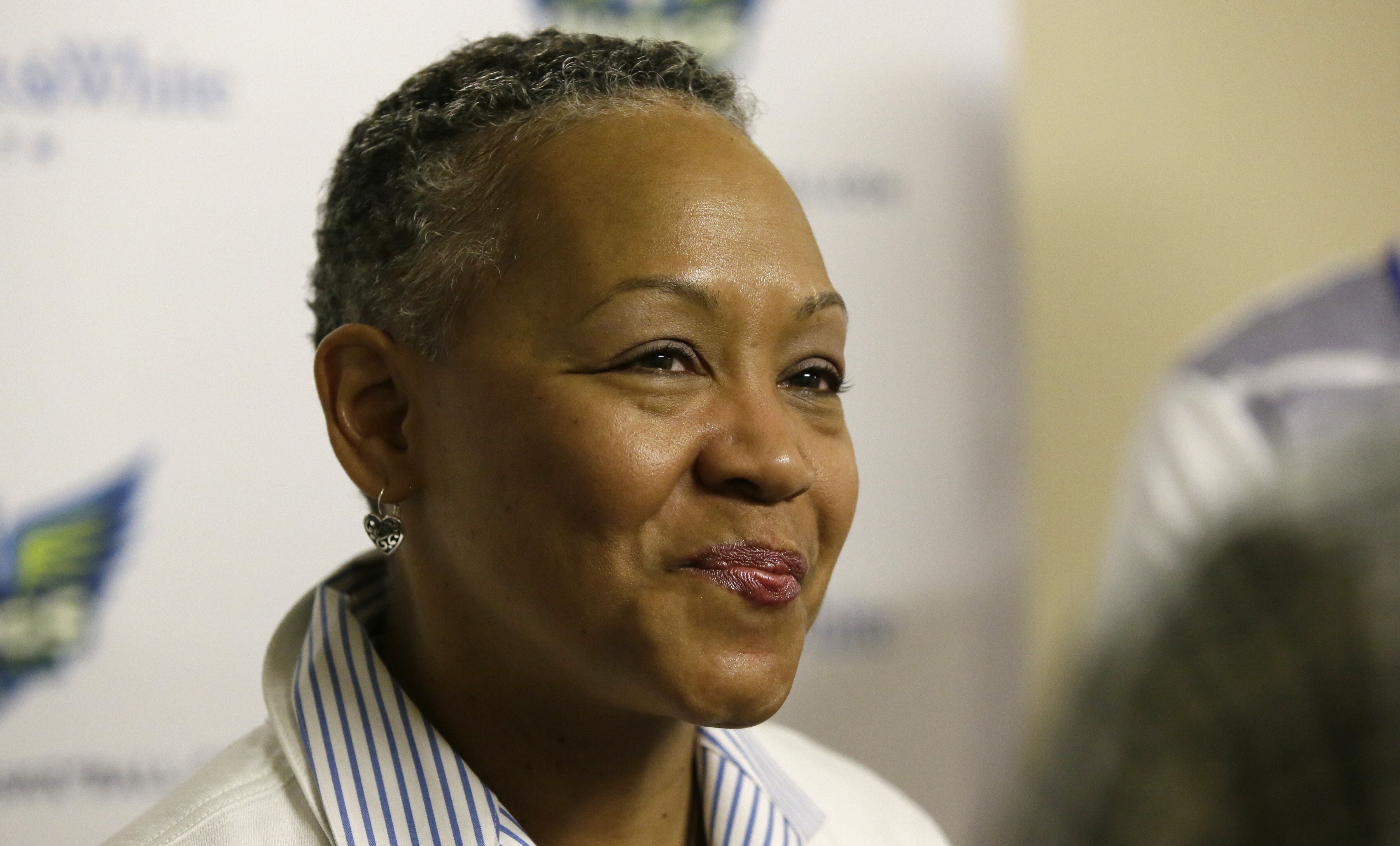
The league launched an initiative aimed at empowering women and girls by partnering with organizations like Planned Parenthood and It's On Us. "This is basically encoded in our DNA and has been for the 22 years that we've been in existence," WNBA President Lisa Borders tells Cheddar.
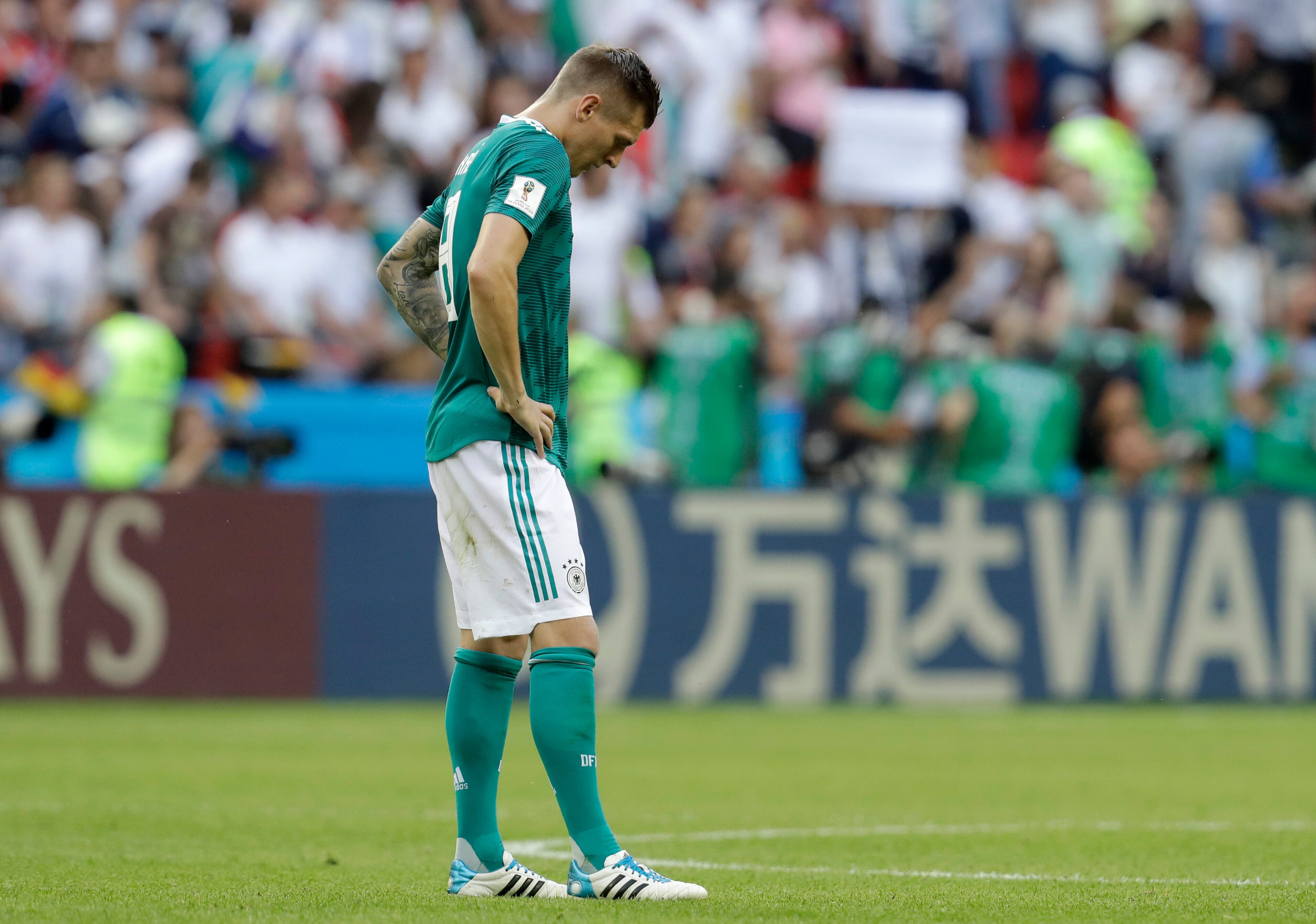
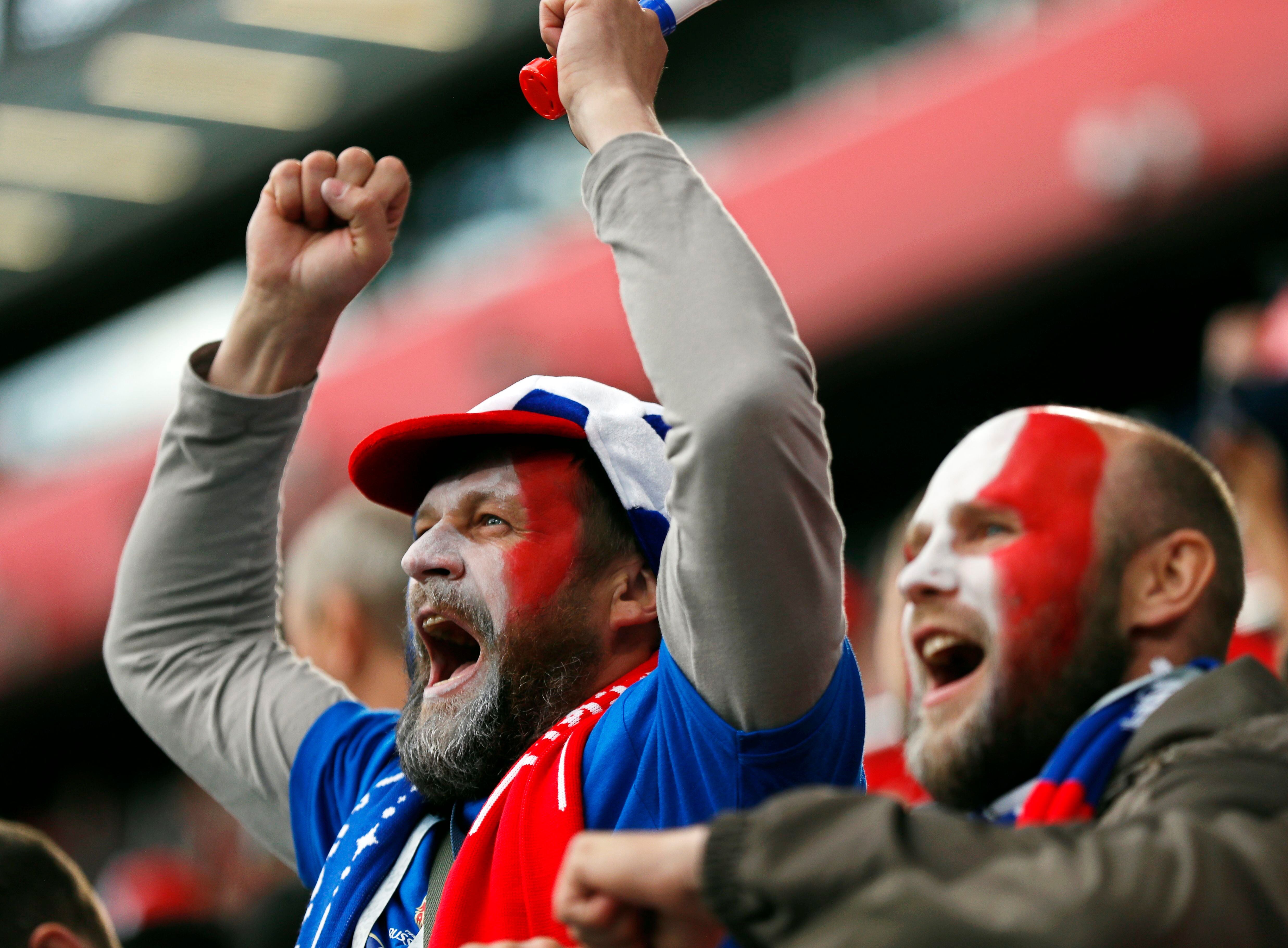
Germany's hopes of a second straight World Cup came to an end Wednesday with a shocking loss to South Korea. While Germany is considered a perennial powerhouse, defending champions often get knocked out of the first rounds of the event, says Jeffrey Marcus, publisher of The Banter.
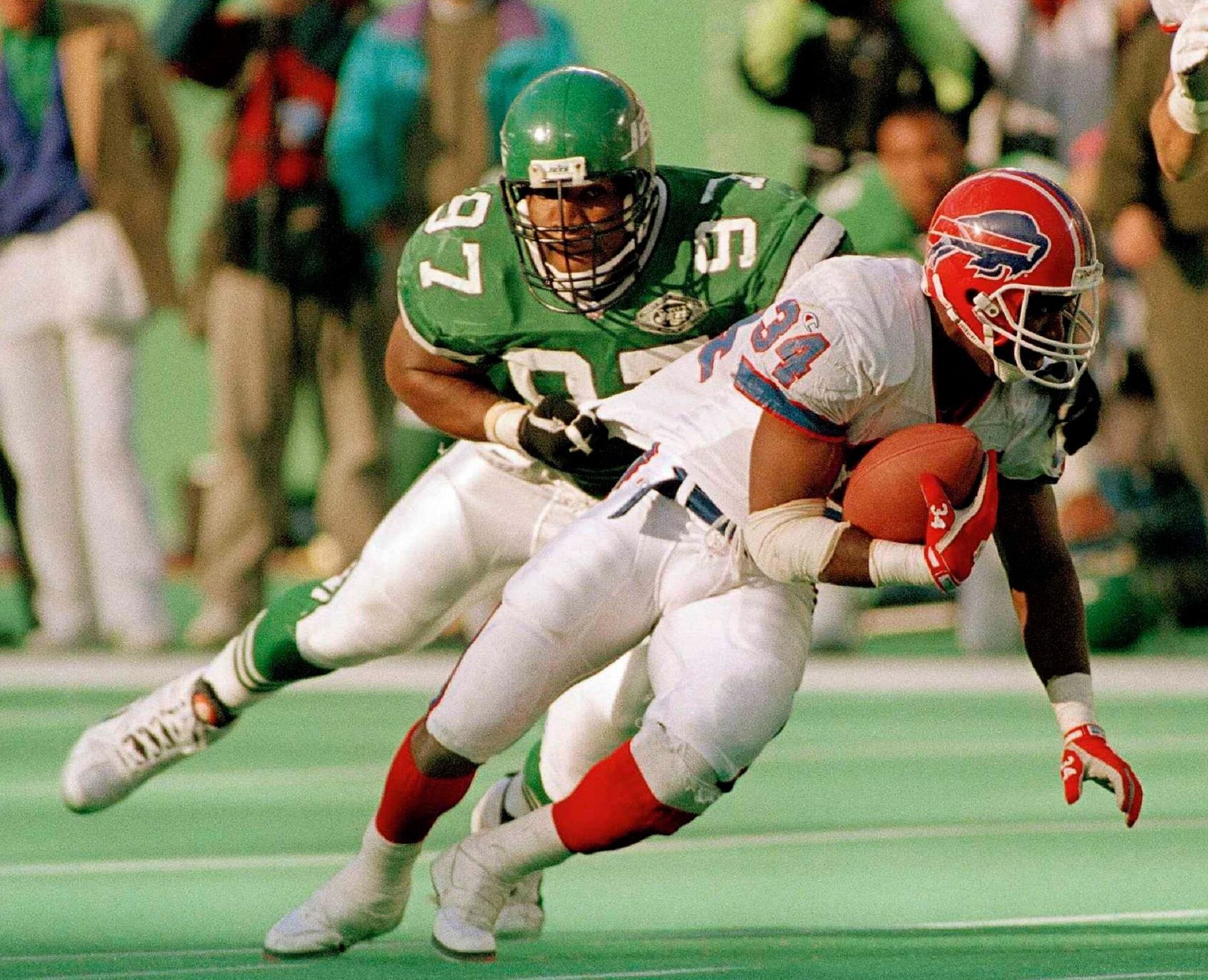
The component derived from cannabis plants offers an effective alternative for pain relief without causing a "high," said former New York Jets player Marvin Washington, who urges the NFL to change its policy on the substance. "If we don't get our hands around this opioid addiction, we are going to lose a generation."
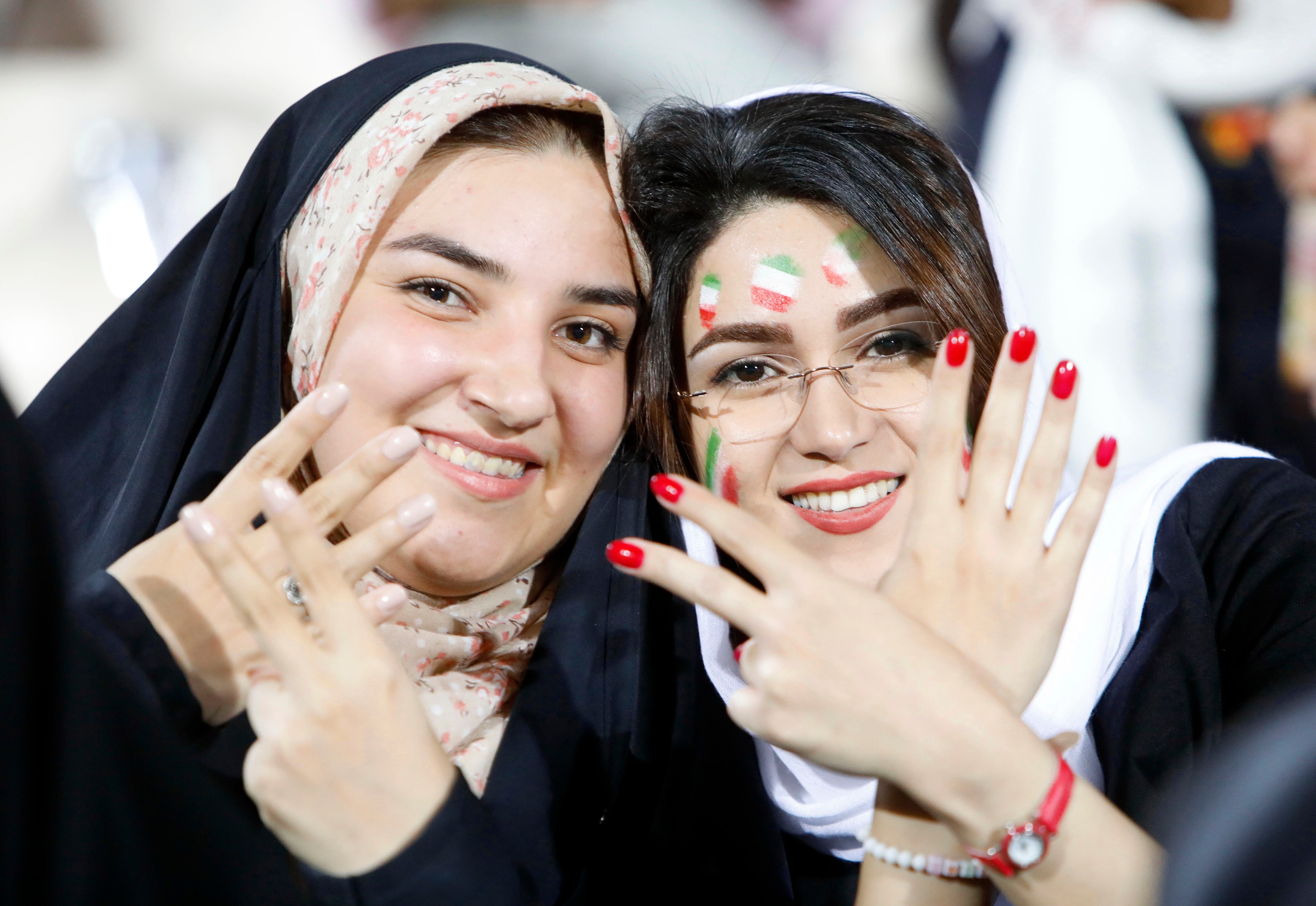
For the first time since 1980, Iranian women this week were allowed to watch their national team take on Spain at the World Cup. For Iran, soccer is "the one secular institution that really unites the country," says Jeffrey Marcus, publisher of World Cup newsletter "The Banter."
The 28-year-old pitcher for the LA Dodgers pitches something else in the off-season: stocks. As a licensed stockbroker, Stripling invests in FANG shares and dabbles in some commodities, he tells Cheddar.
Paul Boyer, a.k.a. sOAZ, the former starting top laner for Team FNATIC, was sidelined with a hand injury during the Spring Split season of the esport League of Legends. But now he's back in action and ready for the Summer Split.
IBM and Fox Sports have teamed up to bring fans an easy way to create their own highlight reels, drawing footage from archives and current matches. "It is a huge opportunity to tap into that fan passion," says Robert Schwartz, Global Leader of Strategy and Design at IBM iX, the company's digital ad agency.
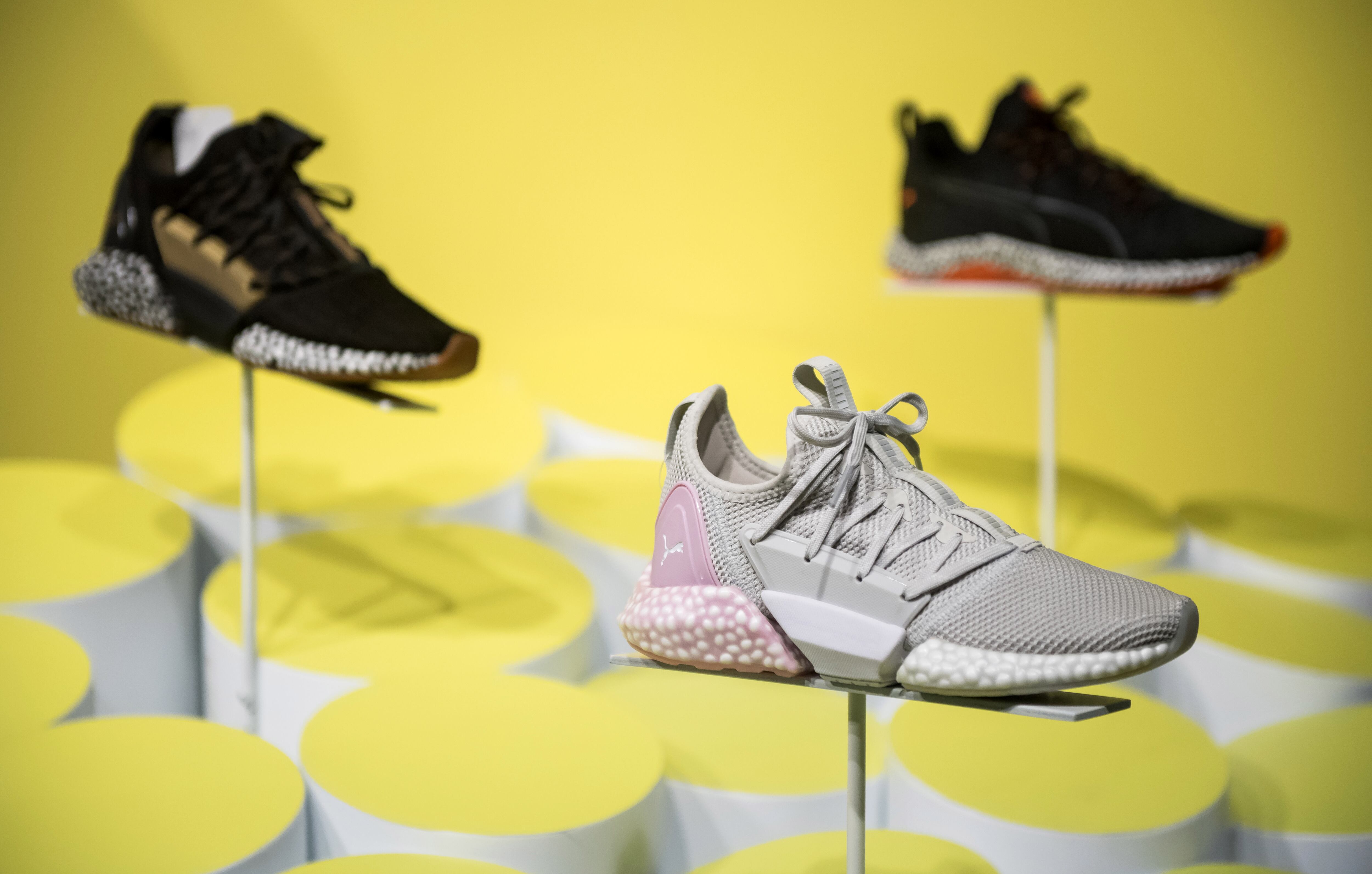
The athletic brand has signed deals with projected number one overall pick in the NBA, Deandre Ayton, and has integrated music and fashion into its marketing. Former ESPN host Bram Weinstein says that could give Puma an edge over competitors.
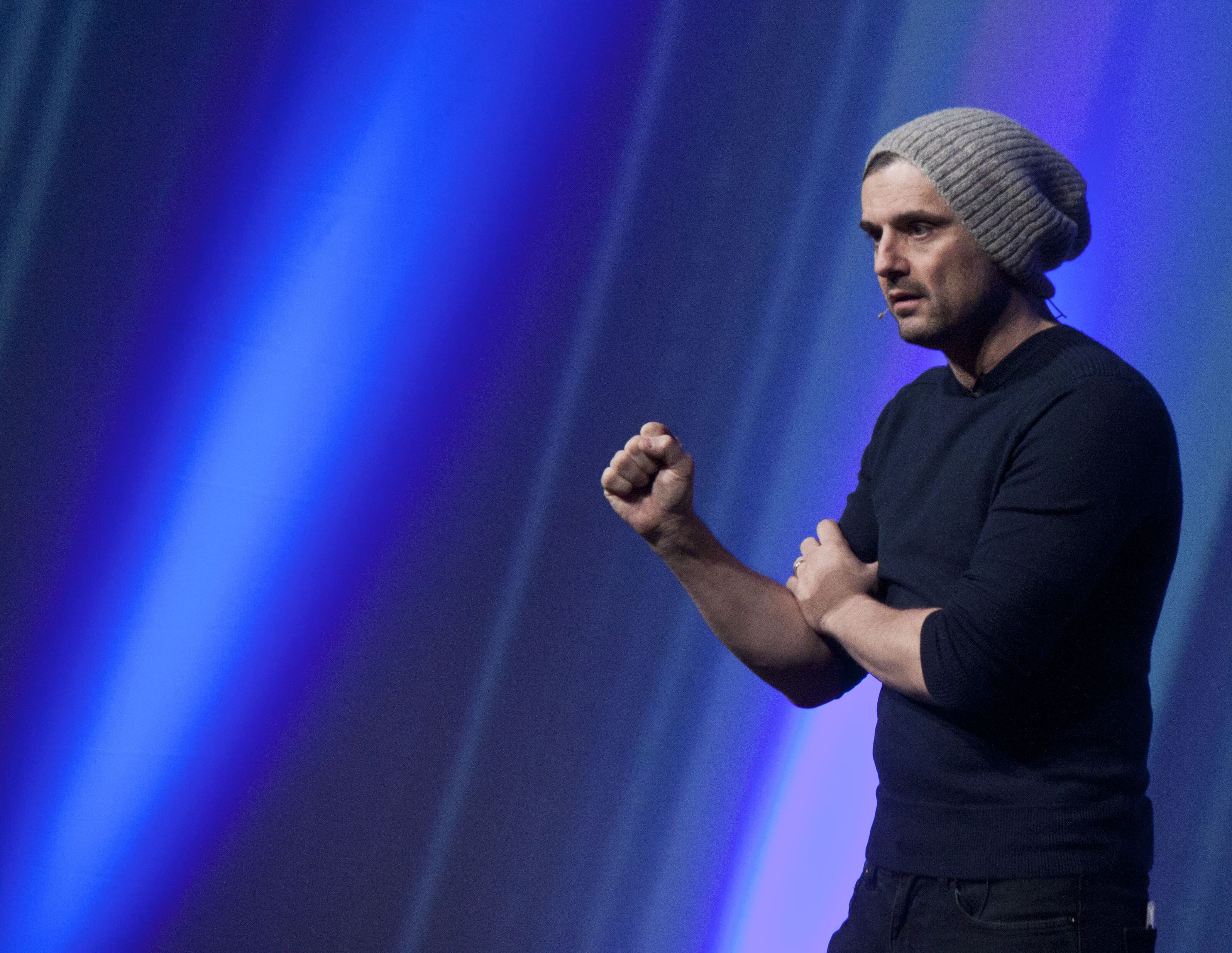
Video games and esports, which are front and center at the Cannes Lions International Festival of Creativity this week, have caught the attention of the entrepreneur and CEO of VaynerMedia. "I have been lurking in the grass, as they say," he told Cheddar's Jon Steinberg.
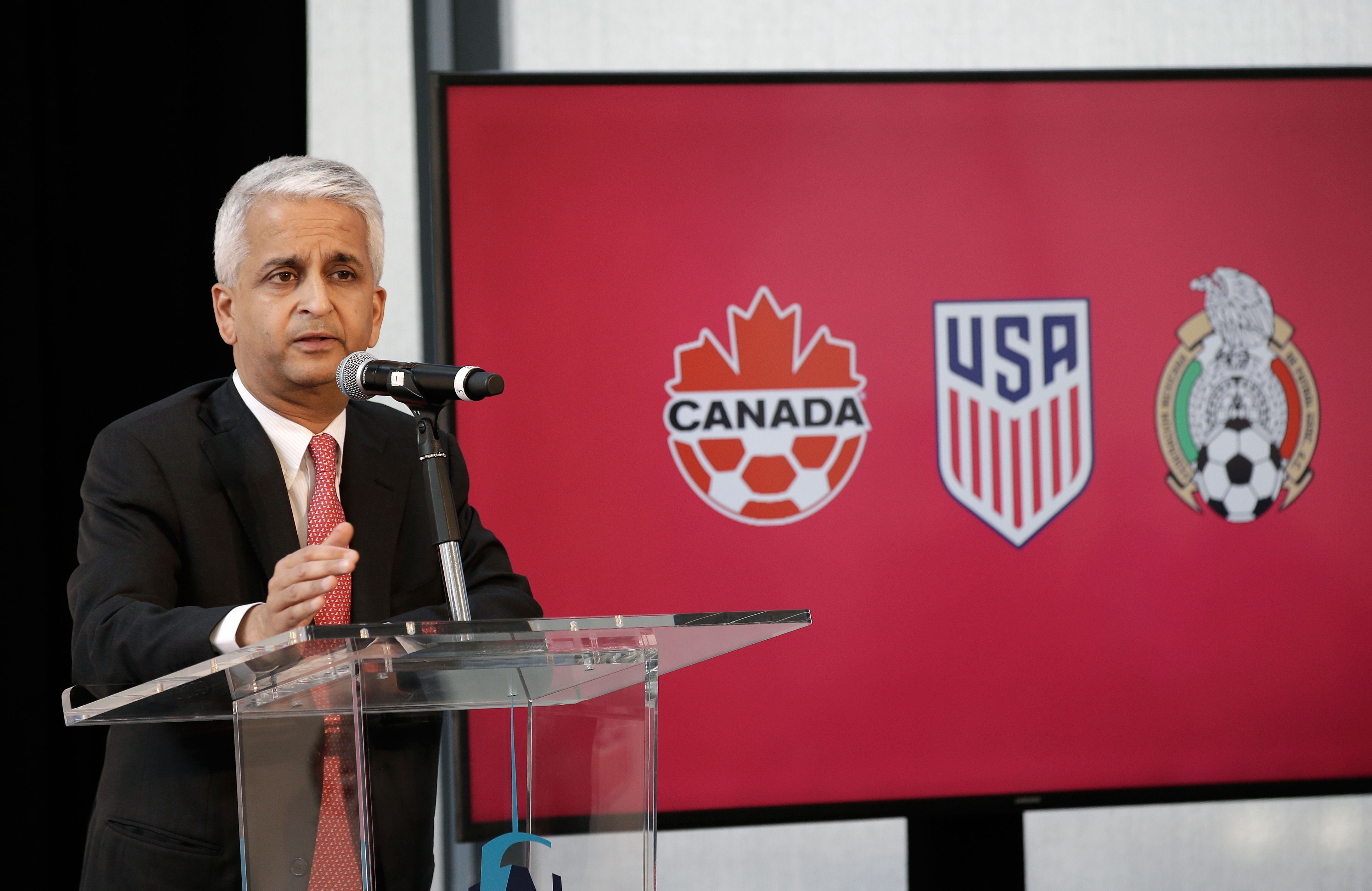
Canada was one of the only developed countries in the world that did not have a premier league for soccer. Until now. The Canada Premier League will kick off its inaugural season next year in the hopes of creating a soccer revolution ahead of the 2026 World Cup, co-hosted in the country, says CPL commissioner David Clanachan.